Middle East: Escalation & Ceasefire Attempts - A Regional Overview
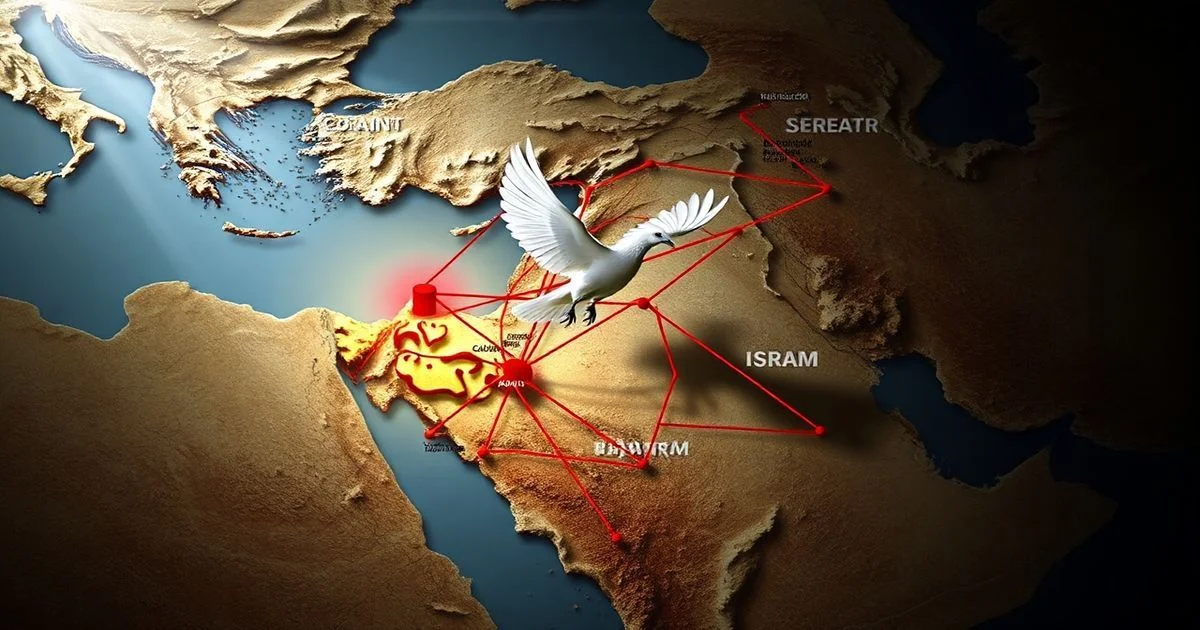
The geopolitical landscape of the Middle East continues to be defined by a complex interplay of historical grievances, regional power struggles, and international interests, leading to cycles of escalation and urgent ceasefire attempts. Understanding the current state of affairs requires a nuanced look at the various flashpoints and the strenuous diplomatic efforts aimed at de-escalating tensions and fostering stability in this vital region. Recent developments highlight the persistent challenges faced by international mediators and local actors alike in achieving lasting peace amidst deeply entrenched conflicts.
- Background Context: Roots of Regional Instability
- Recent Escalations and the Drive for Ceasefire Attempts
- Challenges to Lasting Peace in the Middle East
- Humanitarian Impact and Global Repercussions
- The Path Forward: Prospects for De-escalation
- Conclusion
- Frequently Asked Questions
- Further Reading & Resources
Background Context: Roots of Regional Instability
The Middle East's instability is not a recent phenomenon but rather a culmination of centuries of complex historical, political, and socio-economic factors. The region's strategic importance, rich natural resources, and diverse cultural tapestry have often made it a focal point for internal struggles and external interventions, leaving a legacy of unresolved disputes.
Historical Tensions and Proxy Conflicts
Decades of historical tensions, often rooted in sectarian divisions, nationalistic aspirations, and the legacy of colonialism, have profoundly shaped the geopolitical realities of the Middle East. The rise of various state and non-state actors, each with their own agendas and allegiances, has frequently led to proxy conflicts where regional powers, and sometimes global actors, support opposing sides. These proxy wars, often playing out in nations like Syria, Yemen, and Iraq, exacerbate existing fragilities, leading to widespread destruction and humanitarian crises. For a deeper dive into the mechanics of these indirect confrontations, read our post on Understanding Proxy Wars. The ripple effects of such conflicts often extend beyond national borders, drawing in neighboring states and complicating international peace efforts.
The Role of International Actors
International actors, including global superpowers and multinational organizations, have long played a significant, albeit often controversial, role in the Middle East. Their involvement, driven by interests ranging from energy security and counter-terrorism to arms sales and geopolitical influence, has at times contributed to regional stability, but at other times has inadvertently fueled conflict. The presence of military bases, economic aid packages, and diplomatic initiatives all reflect the deeply intertwined relationship between the region and the broader international community. However, divergent international priorities and a lack of unified approaches often hinder effective conflict resolution, making consensus on de-escalation strategies difficult to achieve. The dynamics of global engagement in sensitive regions, particularly concerning energy resources, are often complex; explore our analysis on the Geopolitics of Energy Security. The United States, Russia, China, and various European powers maintain significant diplomatic and economic stakes in the region, influencing policy and conflict dynamics.
Recent Escalations and the Drive for Ceasefire Attempts
The past year has seen several critical developments that underscore the ongoing volatility in the Middle East: Escalation & Ceasefire Attempts remain at the forefront of global attention. From renewed hostilities in established conflict zones to emergent flashpoints, the region has been a hotbed of diplomatic activity aimed at preventing broader regional conflagration.
Key Flashpoints and Belligerent Parties
Several areas have experienced notable escalations. In the Levant, cross-border skirmishes and drone attacks have intensified, particularly between non-state armed groups and national forces. These incidents often lead to retaliatory strikes, threatening to draw in other regional actors. The Red Sea region has also seen increased maritime security incidents, impacting global shipping lanes and raising concerns about international trade stability. These incidents involve various actors, including state naval forces and non-state actors, often linked to broader regional conflicts. Moreover, long-standing disputes, such as those in Yemen, continue to see cycles of violence despite intermittent peace talks. The Houthi movement and the internationally recognized government, backed by a Saudi-led coalition, remain the primary belligerents, with civilian populations bearing the brunt of the conflict.
Diplomatic Efforts and Mediators
In response to these escalations, a flurry of diplomatic activities has been underway. Various international bodies, including the United Nations, have intensified their efforts to broker ceasefires and facilitate dialogue. Special envoys have been dispatched to key capitals, engaging with all parties to lay the groundwork for de-escalation. Regional powers, such as Qatar, Egypt, and Saudi Arabia, have also taken on significant mediation roles, leveraging their influence and relationships to encourage restraint and negotiations. For instance, recent talks hosted in Cairo aimed at solidifying a humanitarian truce in the Levant saw cautious progress, though a full political resolution remains distant. Similarly, efforts continue to revive the UN-led peace process in Yemen, focusing on a nationwide ceasefire and the resumption of inclusive political negotiations. These mediators often face the daunting task of bridging vast ideological divides and overcoming deep-seated mistrust among the conflicting parties.
Challenges to Lasting Peace in the Middle East
Despite concerted efforts, achieving lasting peace in the Middle East is fraught with numerous challenges. These obstacles stem from a complex web of internal divisions, geopolitical rivalries, and external influences that collectively undermine stability.
Internal Divisions and Ideological Obstacles
Many conflicts in the Middle East are deeply rooted in internal divisions, often along sectarian, ethnic, or political lines. These divisions are frequently exacerbated by strong ideological currents that make compromise difficult. Extremist narratives and entrenched positions on issues such as governance, resource distribution, and religious identity often leave little room for negotiation. For instance, the ongoing power struggles within certain countries often involve multiple armed factions, each vying for control and adhering to distinct, often irreconcilable, worldviews. Overcoming these internal schisms requires not only diplomatic prowess but also significant domestic political will to foster inclusivity and address underlying grievances. The fragmentation of authority and the presence of numerous non-state actors further complicate the ability to secure comprehensive agreements, as reaching consensus among all relevant parties is exceptionally difficult.
Geopolitical Rivalries and External Influences
Beyond internal factors, geopolitical rivalries among regional and international powers significantly impede peace efforts. Major global players often have competing interests in the Middle East, leading them to support different factions or maintain strategic ambiguities that prolong conflicts. The rivalry between Iran and Saudi Arabia, for example, casts a long shadow over many regional disputes, with each nation supporting proxies in various conflicts, from Yemen to Lebanon. Similarly, the involvement of global powers, such as the United States, Russia, and China, introduces another layer of complexity. Their strategic calculations regarding energy security, arms sales, and military presence often influence the dynamics of regional conflicts, sometimes making it harder for local actors to find common ground independently. These external influences can inadvertently strengthen hardline elements within warring factions, diminishing incentives for compromise and prolonging cycles of violence.
Humanitarian Impact and Global Repercussions
The ongoing conflicts and escalations in the Middle East have profound and devastating humanitarian consequences, creating one of the world's most severe human crises. Beyond the immediate suffering, these regional instabilities also carry significant global repercussions, particularly concerning economic stability and international security.
Civilian Casualties and Displacement
The human cost of prolonged conflict in the Middle East is immense. Millions of civilians have been killed or injured, and countless others have been forcibly displaced from their homes. Large-scale internal displacement and refugee flows to neighboring countries and beyond have strained humanitarian resources and created a generation of individuals suffering from trauma and lack of opportunity. Infrastructure, including hospitals, schools, and essential services, has been severely damaged or destroyed, further exacerbating the suffering. Organizations like the UNHCR and various NGOs continually appeal for international assistance to address the colossal needs of displaced populations, providing shelter, food, and medical aid. For more on how international bodies respond to such emergencies, see our article on Humanitarian Crises and International Response. The destruction of livelihoods means that even in areas where fighting has subsided, recovery is a slow and arduous process, with long-term implications for societal stability and economic development.
Economic Instability and Energy Markets
The Middle East's geopolitical instability has far-reaching economic consequences, not only for the region itself but also for the global economy. As a major oil and gas producer, disruptions in the region can lead to significant volatility in international energy markets. Threats to shipping lanes, particularly through critical chokepoints like the Strait of Hormuz and the Bab el-Mandeb strait, can cause oil prices to spike, impacting economies worldwide. Furthermore, conflict-ridden countries experience massive economic contractions, capital flight, and a collapse of essential services, hindering any prospects for sustainable development. Rebuilding efforts, when peace eventually comes, will require enormous financial investment and international cooperation. The insecurity also deters foreign investment, further trapping affected nations in cycles of poverty and underdevelopment. The broader global economy feels these shocks through increased commodity prices, supply chain disruptions, and heightened uncertainty, underscoring the interconnectedness of regional stability with global prosperity.
The Path Forward: Prospects for De-escalation
Despite the formidable challenges, there remain avenues for de-escalation and the potential for a more stable future in the Middle East. These pathways typically involve a combination of robust international engagement, adherence to legal frameworks, and the empowerment of local peace-building initiatives.
The Role of International Law and Sanctions
International law provides a framework for addressing interstate conflicts and protecting civilian populations. Adherence to principles of sovereignty, non-intervention, and humanitarian law can serve as a foundation for reducing tensions and holding belligerent parties accountable. Sanctions, when strategically applied and multilaterally supported, can exert economic pressure on actors to alter their behavior and engage in negotiations. For instance, targeted sanctions against individuals or entities found to be prolonging conflict or violating human rights can serve as a deterrent. However, the effectiveness of sanctions is often debated, with some arguing they can disproportionately harm civilian populations if not carefully designed. Diplomatic efforts, often spearheaded by the UN Security Council, aim to enforce international resolutions and encourage compliance, though political divisions among permanent members can sometimes hinder decisive action.
Grassroots Initiatives and Civil Society
While top-down diplomatic efforts are crucial, the role of grassroots initiatives and civil society organizations in fostering peace cannot be overstated. These local efforts often work to build trust, promote reconciliation, and address the root causes of conflict at the community level. Women's groups, youth organizations, and interfaith dialogues play a vital role in creating spaces for constructive engagement and advocating for peace from the bottom up. By empowering local voices and supporting community-led peacebuilding projects, international actors can help cultivate a sustainable foundation for peace that transcends political agreements. These initiatives are often more resilient to political setbacks and can help ensure that peace dividends reach all segments of society, promoting long-term stability and social cohesion.
Conclusion
The Middle East: Escalation & Ceasefire Attempts underscore a region in constant flux, grappling with deeply entrenched conflicts and the immense human cost they incur. While the challenges to achieving lasting peace are formidable, encompassing complex internal divisions, competing geopolitical interests, and devastating humanitarian consequences, persistent diplomatic engagement and the vital work of civil society offer glimpses of hope. Moving forward, a concerted, multifaceted approach involving sustained international pressure, adherence to legal principles, and robust support for local peace-building efforts will be essential to navigate this complex landscape and steer the region towards a more stable and prosperous future.
Frequently Asked Questions
Q: What are the primary causes of instability in the Middle East?
A: Instability in the Middle East stems from a complex interplay of historical grievances, sectarian divisions, nationalistic aspirations, and geopolitical rivalries involving both regional and international powers. Resource competition and the legacy of colonialism also play significant roles.
Q: How do international actors influence conflicts in the region?
A: International actors, driven by interests like energy security and counter-terrorism, often support various factions through military aid, economic packages, or diplomatic initiatives. Their divergent priorities can sometimes inadvertently prolong conflicts and hinder unified peace efforts.
Q: What are the main challenges to achieving lasting peace in the Middle East?
A: Major challenges include deeply entrenched internal divisions, powerful ideological obstacles, intense geopolitical rivalries among state and non-state actors, and the significant humanitarian crises that deplete resources and foster resentment.