US-Iran Escalation: Strait of Hormuz Standoff Sparks Global Concerns
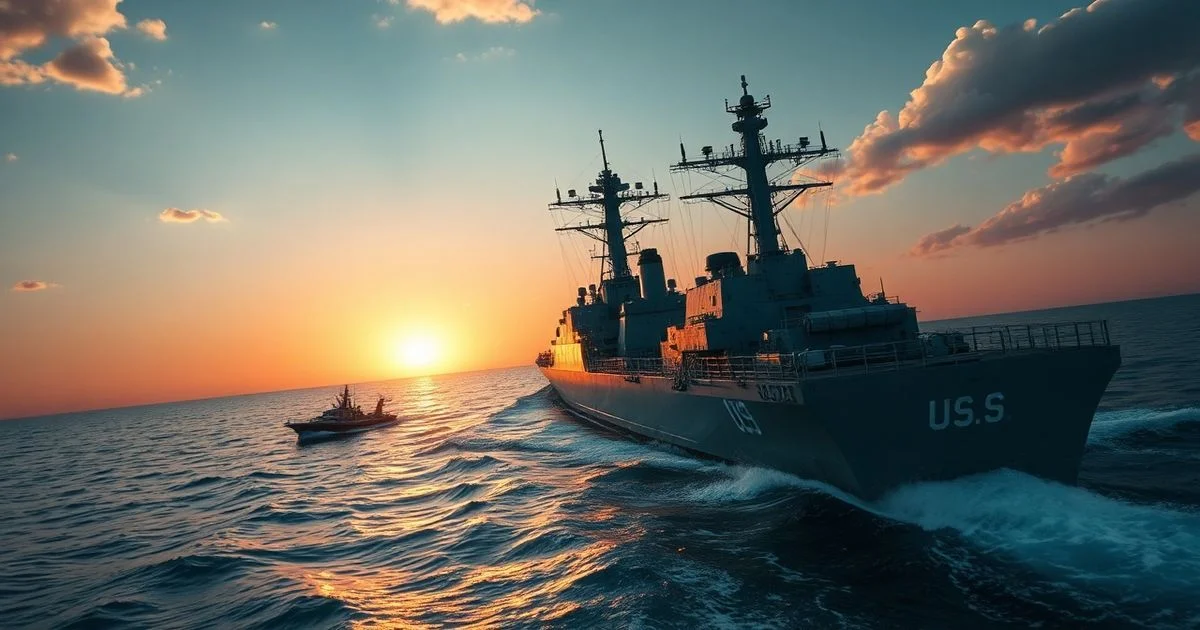
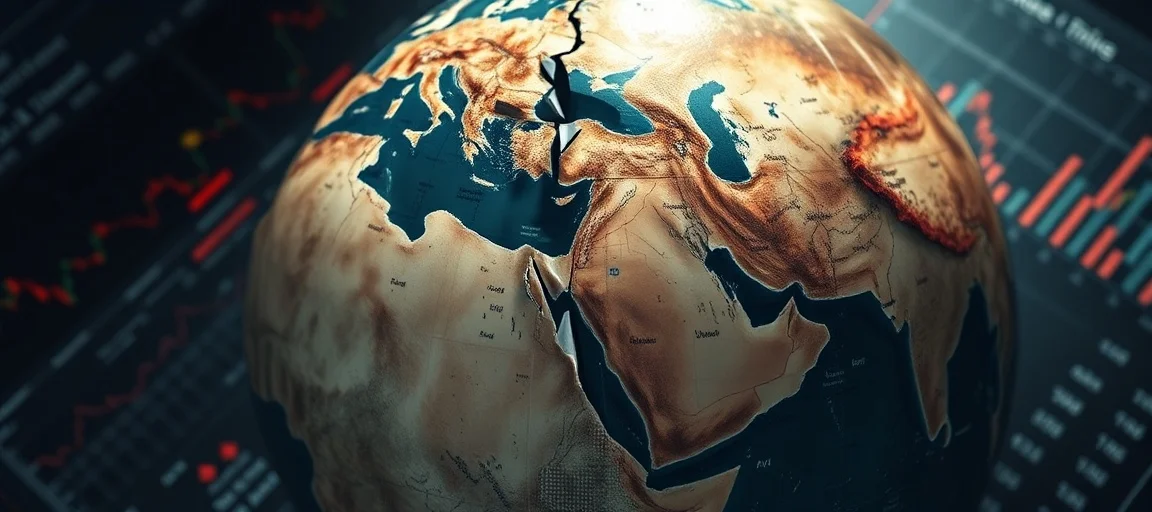
The US-Iran Escalation: Strait of Hormuz Standoff has become a focal point of global concern, as the two nations engage in a delicate and potentially volatile situation. This standoff sparks serious questions about the future of maritime security, as any miscalculation in these narrow waters could lead to a massive disruption of the international energy market. As geopolitical maneuvers intensify, the world watches the Strait of Hormuz, recognizing that the current friction between the United States and Iran represents more than just a regional spat; it is a fundamental challenge to the stability of the global economy.
Background Context
The Strait of Hormuz, located between Iran and Oman, is a strategic choke point for global oil supplies, with approximately 20% of the world's oil passing through it. Geographically, the strait is only 21 miles wide at its narrowest point, but the shipping lanes used by massive crude tankers are even narrower—barely two miles wide in each direction. This physical constraint makes the waterway uniquely vulnerable to naval blockades, mine-laying operations, and asymmetric attacks.
The waterway has been a point of contention between the US and Iran for decades, with both nations vying for influence and control in the region. For the United States, maintaining the "freedom of navigation" in the strait is a core national security pillar, essential for ensuring that energy prices remain stable for its allies and the broader global market. For Iran, the strait represents a powerful tool of "coercive diplomacy"—a geographic lever they can pull whenever international sanctions or diplomatic pressures become too burdensome.
Historical Context
The tensions between the US and Iran date back to the 1979 Iranian Revolution, which saw the overthrow of the US-backed Shah of Iran. Since then, the two nations have had a tumultuous relationship, marked by periods of heightened tension and brief diplomatic efforts. A significant turning point was the "Tanker War" of the 1980s, during the Iran-Iraq War, where both sides targeted commercial shipping, leading the US to launch Operation Earnest Will to escort Kuwaiti tankers.
In recent years, the US has maintained a significant military presence in the region, with a focus on countering Iranian influence and protecting global oil supplies. Iran, on the other hand, has sought to assert its dominance in the region, often through the Islamic Revolutionary Guard Corps (IRGC) Navy, which utilizes "swarm" tactics involving hundreds of fast-attack crafts designed to overwhelm larger, more sophisticated Western warships.
The Realities of the US-Iran Escalation: Strait of Hormuz Standoff
The current standoff at the Strait of Hormuz began in earnest in 2019, when Iran seized several oil tankers in the region, citing alleged environmental and technical infractions. The US responded by increasing its military presence in the region, deploying additional troops and equipment to the area. This cycle of provocation and response has created a "new normal" of high-alert status for maritime traffic.
Since then, there have been several close encounters between US and Iranian naval vessels, with both sides engaging in a war of words and accusations. The situation escalated further following the collapse of the Joint Comprehensive Plan of Action (JCPOA), leading to "maximum pressure" campaigns and subsequent Iranian resistance. The use of Unmanned Aerial Vehicles (UAVs) and "suicide" drone boats has added a layer of technological complexity to the standoff, making traditional defense mechanisms less certain.
US Military Presence and Strategy
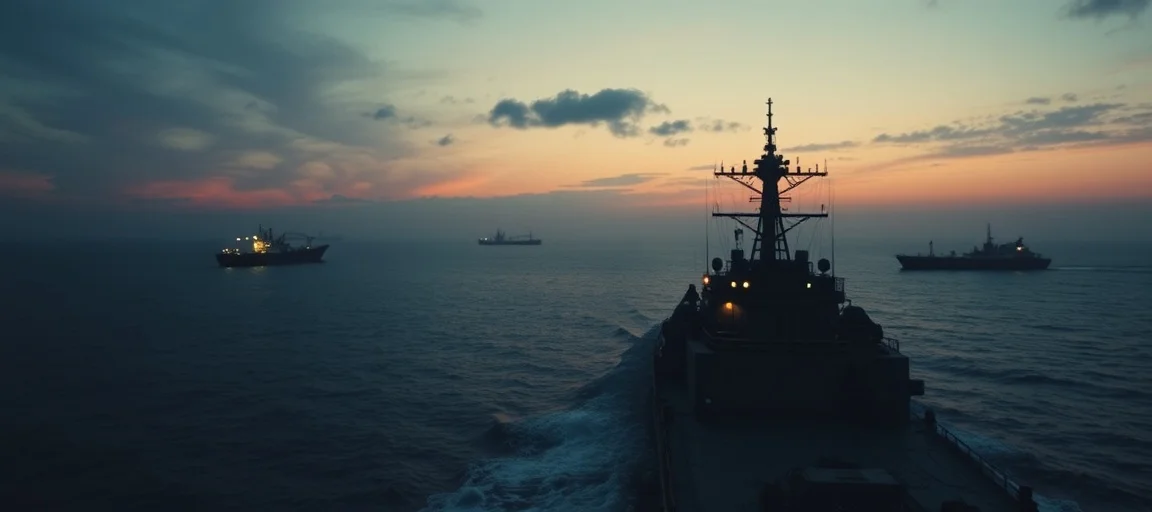
The US has maintained a significant military presence in the region, with a focus on protecting global oil supplies and countering Iranian influence. The US Navy's Fifth Fleet, based in Bahrain, is responsible for maritime security in the region and has been actively engaged in patrolling the Strait of Hormuz.
The US has also deployed additional troops and equipment to the region, including:
-
Carrier Strike Groups (CSGs): These provide a mobile airbase capable of launching dozens of sorties to monitor and protect shipping lanes.
-
Patriot Missile Systems: Deployed to allied nations like Saudi Arabia and the UAE to defend against Iranian ballistic missile threats.
-
P-8A Poseidon Aircraft: Advanced maritime patrol aircraft used for anti-submarine warfare and long-range surveillance of Iranian naval movements.
-
International Maritime Security Construct (IMSC): A US-led coalition of nations working together to provide overwatch for merchant vessels, ensuring that no single nation has to bear the burden of security alone.
Strategic Significance of the Chokepoint
To understand why this escalation is so dangerous, one must look at the sheer volume of trade involved. Every day, roughly 20 to 21 million barrels of oil pass through the strait. This includes oil from Saudi Arabia, Iraq, the UAE, Kuwait, and Qatar. Furthermore, a significant portion of the world’s Liquefied Natural Gas (LNG) from Qatar must transit this route.
A total closure of the strait, even for a few days, would likely send Brent Crude prices soaring toward 200 per barrel. Such a price shock would trigger a global recession, hurting developing nations most acutely. Iran is well aware of this economic "nuclear option." By threatening the strait, they effectively hold the global economy hostage, forcing world powers to the negotiating table.
The Role of Asymmetric Warfare
Iran’s naval strategy does not aim to win a head-to-head battle with the US Navy. Instead, they focus on "area denial" (A2/AD). This involves:
- Mining: Using sophisticated sea mines that are difficult to detect and clear.
- Fast Attack Craft: Small, agile boats armed with rockets and torpedoes that can strike and vanish into the rocky coastline.
- Shore-based Anti-Ship Missiles: Batteries of Silkworm and Noor missiles hidden in hardened silos along the Iranian coast.
- Cyber Warfare: Attempting to disrupt the GPS and communication systems of commercial tankers to cause navigational chaos.
Expert Opinion
According to experts, the current standoff at the Strait of Hormuz is a critical moment in the ongoing tensions between the US and Iran. "The situation is precarious and could escalate quickly if not managed carefully," said Dr. Emma Ashford, a senior fellow at the New American Security Center.
"The US and Iran have a long history of conflict and mistrust, and the current situation is a manifestation of those deeper issues," Ashford added. "It's essential that both sides engage in diplomatic efforts to de-escalate tensions and find a peaceful resolution. We are seeing a shift from traditional naval posturing to a shadow war where deniability is key."
Other analysts suggest that the involvement of China and Russia has complicated the matter. China, as a primary buyer of Iranian oil, has a vested interest in keeping the strait open but also enjoys seeing US resources tied down in the Middle East. This "great power" competition adds a layer of complexity to what was once a binary struggle between Washington and Tehran.
Economic and Regional Impact
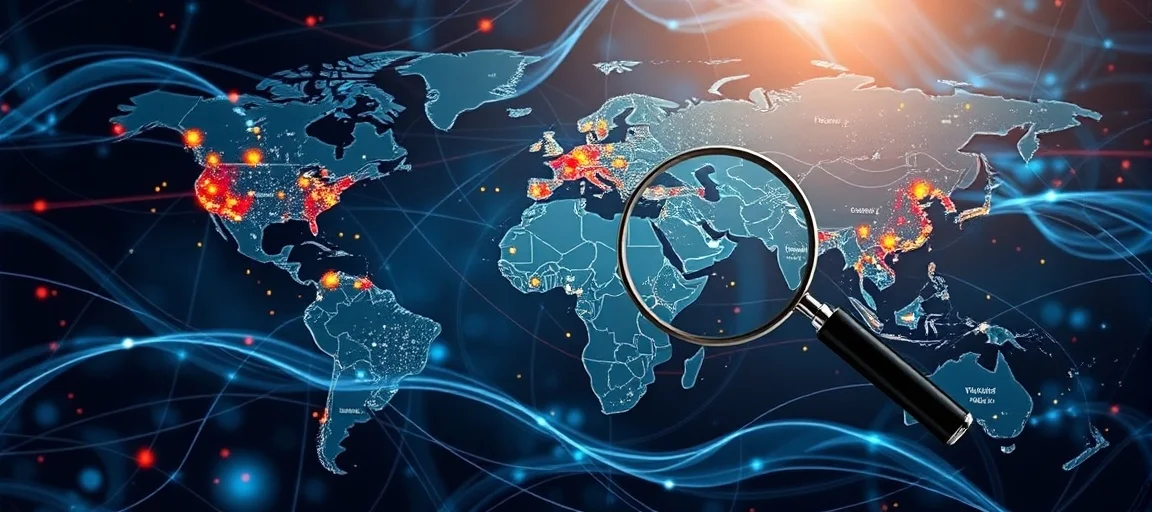
The US-Iran Escalation: Strait of Hormuz Standoff has significant implications for global energy markets and the broader geopolitical landscape.
Global Oil Supplies and Insurance
The Strait of Hormuz is a critical waterway for global oil supplies, and any disruption to the flow of oil could have significant economic implications. One of the most immediate impacts is the rise in "War Risk" insurance premiums for shipping companies. When tensions spike, the cost to insure a single tanker can increase by hundreds of thousands of dollars per voyage. These costs are eventually passed down to consumers at the gas pump.
Regional Stability and Alliances
The tensions between the US and Iran also have significant implications for regional stability, with several countries in the region caught in the middle.
- Saudi Arabia and the UAE: Both nations have invested heavily in pipelines that bypass the strait (such as the East-West Pipeline in Saudi Arabia), but these cannot yet handle the total volume of their exports.
- The "Axis of Resistance": Iranian-backed groups in Yemen (Houthis), Iraq, and Lebanon may coordinate their actions with IRGC maneuvers in the strait, creating a multi-front dilemma for US planners.
- Diplomatic Polarization: The standoff forces nations like India and Japan, which rely on Middle Eastern oil, to choose between supporting US security initiatives or maintaining their energy ties with Iran.
Frequently Asked Questions
Q: Why is the Strait of Hormuz considered a "chokepoint"?
A: It is a chokepoint because it is the only sea passage from the Persian Gulf to the open ocean. Because it is so narrow, a small number of naval assets can effectively block all commercial traffic, "choking" the global oil supply.
Q: Could the US Navy actually keep the strait open during a war?
A: While the US has superior firepower, clearing mines and defending against hundreds of small boats and shore-based missiles is a slow and dangerous process. Experts believe the US could eventually reopen the strait, but not before significant economic damage occurs.
Q: What is Iran's primary goal in this standoff?
A: Iran's goal is primarily defensive and diplomatic. By demonstrating their ability to disrupt the strait, they hope to deter a US military strike and gain leverage to have international economic sanctions lifted.
Conclusion
The US-Iran Escalation: Strait of Hormuz Standoff is a critical moment in the ongoing tensions between the two nations. The situation is precarious and could escalate quickly if not managed carefully. While both sides claim they do not want a full-scale war, the high concentration of military assets in such a confined space creates a high risk of accidental engagement.
Diplomatic efforts are essential to de-escalate tensions and find a peaceful resolution. The global community must remain vigilant and work towards a peaceful resolution to this conflict, as the consequences of a wider conflict would be catastrophic for global trade and regional peace. Ultimately, the US-Iran Escalation: Strait of Hormuz Standoff serves as a stark reminder of how dependent the modern world remains on a few miles of turbulent water.
Further Reading & Resources
- US Department of State: Iran Country Page
- U.S. Energy Information Administration: World Oil Transit Chokepoints
- International Maritime Organization: Maritime Security and Piracy
- Council on Foreign Relations: The High Stakes of the Strait of Hormuz
- United Nations Convention on the Law of the Sea (UNCLOS)