US Labor Secretary Resigns Amid Misconduct Probe, Shaking Washington
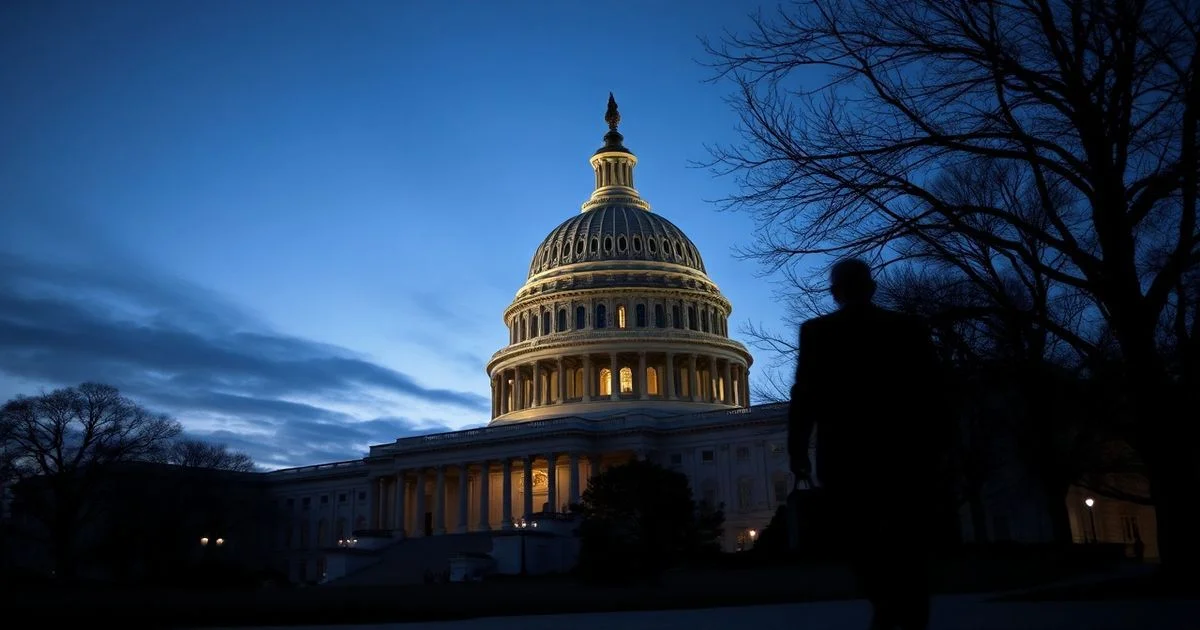
US Labor Secretary Sarah Jenkins has tendered her resignation, effective immediately, amid an escalating misconduct probe that has sent ripples through the Biden-Harris administration. The sudden departure, confirmed by a White House spokesperson early Tuesday, comes after weeks of intense speculation and growing pressure over alleged ethical breaches and inappropriate workplace conduct within the Department of Labor. This development marks a significant blow to the administration's integrity claims and initiates a scramble to fill a critical cabinet position. The US Labor Secretary Resigns Amid Misconduct Probe story is quickly becoming a focal point in national political discourse, highlighting the persistent scrutiny faced by high-ranking officials.
- The Unfolding Crisis: Background to the Resignation
- Key Details of the Misconduct Probe
- The Resignation Announcement and Immediate Reactions
- Impact on the Department of Labor
- Political Ramifications for the Administration
- Historical Precedent: Resignations Under Scrutiny
- Expert Opinions on the Scandal
- The Fallout: US Labor Secretary Resigns Amid Misconduct Probe
- Conclusion
- Frequently Asked Questions
- Further Reading & Resources
The Unfolding Crisis: Background to the Resignation
The events leading to Secretary Jenkins' resignation began several months ago with anonymous tips submitted to various watchdog groups and eventually, to the Department of Justice's Office of the Inspector General (OIG). Initial reports, first surfacing in outlets like The Washington Insight, hinted at a widespread pattern of favoritism, misuse of departmental funds for personal travel, and a hostile work environment within the Secretary's immediate office. These allegations, initially dismissed as unsubstantiated rumors by departmental spokespeople, gained traction as more former and current employees reportedly came forward to investigators.
The OIG formally launched an investigation approximately two months prior to the resignation, focusing on several key areas. These included allegations of Jenkins using government resources for non-official functions, the improper awarding of contracts to companies linked to personal associates, and a failure to address serious complaints of bullying and harassment by senior staff under her direct supervision. The pressure on Secretary Jenkins mounted considerably after reports indicated that multiple staff members had been interviewed by OIG investigators, some allegedly corroborating the claims with documentary evidence.
Key Details of the Misconduct Probe
According to sources close to the investigation, the OIG's focus sharpened on several specific incidents:
- Misuse of Official Travel Funds: Investigators reportedly examined travel logs and expense reports detailing Jenkins' use of government aircraft and security details for trips that appeared to have significant personal components, including attendance at private fundraisers unrelated to official duties.
- Contracting Irregularities: A significant aspect of the probe centered on the awarding of a multi-million-dollar contract for a workforce development initiative. Allegations suggested that the contract was awarded to a consulting firm with close ties to Secretary Jenkins' former campaign manager, despite other bids being more competitively priced and offering superior proposals. This raised questions about potential conflicts of interest and improper influence.
- Workplace Environment Complaints: Perhaps the most damaging aspect for public perception were the numerous accounts of a toxic workplace culture. Whistleblowers reportedly detailed instances of verbal abuse, intimidation, and retaliation against employees who raised concerns about ethical practices or questioned the Secretary's directives. These complaints painted a picture of an environment where dissent was stifled and ethical boundaries were blurred.
The OIG's investigation intensified with the issuance of subpoenas for relevant documents and electronic communications. While the full findings of the probe have yet to be publicly released, the gravity of the ongoing inquiry evidently reached a point where continued service became untenable for Secretary Jenkins and a liability for the administration.
The Resignation Announcement and Immediate Reactions
The official announcement of Secretary Jenkins' resignation came via a brief White House statement on Tuesday morning, offering little in the way of specific details regarding the probe. "Secretary Sarah Jenkins has informed the President of her decision to resign from her position as the US Labor Secretary," read the statement. "The President accepts her resignation and thanks her for her service to the nation." The statement notably omitted any mention of the ongoing investigation, a point quickly seized upon by political commentators and opposition leaders.
In her own brief resignation letter, released concurrently, Jenkins cited "personal reasons and a desire to spend more time with family" as the impetus for her departure. She did not address the misconduct allegations directly. "It has been an honor to serve the American people," Jenkins wrote, "and I wish the Department of Labor and the administration all the best in their continued efforts to support American workers."
Reactions from Capitol Hill and beyond were swift and varied. Republican leaders were quick to criticize the administration's handling of the situation, demanding full transparency regarding the OIG's findings. Senator Marcus Thorne, Ranking Member of the Senate Committee on Health, Education, Labor, and Pensions, issued a statement calling for an immediate release of all investigative reports, stating, "The American people deserve to know the full extent of the misconduct that led to this abrupt resignation. Anything less is an insult to accountability."
Conversely, some Democratic lawmakers expressed regret while emphasizing the need for ethical conduct in public service. House Speaker Nancy Adams remarked, "While we appreciate Secretary Jenkins' service, upholding the highest standards of integrity is paramount for all public officials. We trust the appropriate investigations will continue to ensure justice and transparency."
Impact on the Department of Labor
The sudden resignation of the US Labor Secretary amid a misconduct probe leaves the Department of Labor (DOL) in a state of uncertainty, particularly regarding leadership and ongoing policy initiatives. The DOL is a critical agency, responsible for enforcing federal laws regarding workplace safety, wages, hours, and employment discrimination, and for administering various job training and unemployment benefits programs.
- Leadership Vacuum: With Secretary Jenkins' immediate departure, Deputy Secretary Robert Hayes has assumed the role of Acting Secretary. While Hayes is an experienced civil servant, the agency will likely face a prolonged period of transition as the White House commences the thorough search for a permanent successor. This critical appointment will require navigating a potentially contentious Senate confirmation process, further highlighting the sensitivity of the situation.
- Policy Initiatives: Several key policy initiatives championed by Jenkins, such as proposed changes to overtime rules, new protections for gig economy workers, and critical worker safety regulations, may now face delays or reevaluation. The new leadership will need to decide whether to continue these efforts or pivot to new priorities, potentially slowing down the administration's broader labor agenda and affecting millions of American workers.
- Employee Morale: Reports of a toxic workplace culture emerging from the probe could significantly impact morale within the Department. Rebuilding trust and fostering a positive work environment will be a crucial task for the incoming leadership. Addressing the grievances of employees and demonstrating a commitment to ethical governance will be essential for the DOL to effectively carry out its mission.
Political Ramifications for the Administration
The resignation of a cabinet secretary under a cloud of scandal invariably carries significant political ramifications for the sitting administration. For President Biden, Jenkins' departure could be a notable setback.
- Accountability and Transparency: The incident tests the administration's commitment to accountability and transparency. How the White House manages the fallout, particularly regarding the public release of the OIG's findings, will be closely watched. Any perception of a cover-up or insufficient action could erode public trust and provide ammunition for political adversaries.
- Cabinet Vetting Process: The probe raises questions about the administration's vetting process for cabinet-level appointments. Critics will undoubtedly scrutinize how such alleged misconduct could have gone unnoticed or unaddressed during the initial confirmation process. This could lead to demands for more rigorous background checks for future appointees.
- Midterm Elections Impact: With upcoming midterm elections, opposition parties are likely to use this incident as a talking point, framing it as an example of ethical lapses within the current administration. This could contribute to a broader narrative of instability or untrustworthiness, potentially influencing voter sentiment in key races.
- Distraction from Policy Agenda: The scandal is also a significant distraction, diverting the administration's focus and resources away from its legislative agenda and other pressing national issues. Responding to media inquiries, addressing political attacks, and navigating the confirmation process for a new Secretary will consume valuable time and political capital.
Historical Precedent: Resignations Under Scrutiny
While each case has unique circumstances, the resignation of a high-ranking official amid a misconduct probe is not unprecedented in US political history. Such events often underscore the intense scrutiny public servants face and the high ethical standards expected of those in positions of power. They serve as potent reminders that public trust, once eroded, is incredibly difficult to rebuild.
- Watergate Era: Perhaps the most famous examples come from the Watergate scandal, where numerous cabinet members and high-level officials resigned or were dismissed under investigation for their roles in obstruction of justice and other crimes. The fallout from Watergate fundamentally reshaped public perception of government accountability.
- Recent Administrations: More recently, various administrations have seen officials resign due to ethics concerns, conflicts of interest, or allegations of inappropriate behavior. These can range from minor infractions to serious criminal investigations. For instance, former EPA Administrator Scott Pruitt resigned in 2018 amidst multiple ethics investigations related to spending, security, and lobbying. Similarly, Health and Human Services Secretary Tom Price resigned in 2017 after controversy over his use of private charter planes for official travel.
These historical parallels highlight that while the specific allegations vary, the principle remains constant: public trust is fragile, and officials found to have breached ethical conduct or misused their office often face intense pressure to resign to preserve the integrity of their position and the administration they serve. The consistent pattern across administrations reinforces the necessity of upholding stringent ethical guidelines for all public servants.
Expert Opinions on the Scandal
Political analysts and legal experts have weighed in on the implications of Secretary Jenkins' resignation, offering diverse perspectives on the path forward.
Political Analyst Dr. Eleanor Vance, University of Georgetown:
"This resignation is a significant moment for the administration. While the White House tried to frame it as a personal decision, the timing and context make it clear this was a forced exit due to serious allegations. The challenge now for President Biden is to move quickly, appoint a credible replacement, and ensure full transparency regarding the OIG report to regain public confidence. Any foot-dragging will only fuel speculation and further damage the administration's image."
Labor Law Expert Professor David Lee, Stanford Law School:
"The allegations of a toxic workplace and contracting irregularities are particularly troubling for the Department of Labor, an agency whose very mission is to protect workers. The new Secretary will face an immediate task of cultural repair within the department, sending a clear message that ethical conduct and respect for employees are non-negotiable. Furthermore, a thorough review of past contracts and internal processes will be crucial to restore trust."
Ethics Watchdog Representative Maria Rodriguez, Citizens for Accountability:
"Our organization has consistently advocated for robust oversight of government officials. While Secretary Jenkins' resignation is a step towards accountability, it's not the end of the story. The OIG's full report must be made public, and if any criminal activity is uncovered, appropriate legal action must be pursued. The public has a right to know the details and ensure that such misconduct is not tolerated at any level of government."
These expert opinions underscore the multifaceted nature of the crisis, touching upon political strategy, internal agency dynamics, and the broader imperative for ethical governance.
The Fallout: US Labor Secretary Resigns Amid Misconduct Probe
The immediate aftermath of the US Labor Secretary Resigns Amid Misconduct Probe will see several key developments unfold. The Department of Labor, under Acting Secretary Robert Hayes, will focus on maintaining continuity in operations and reassuring its workforce. However, the overarching priority for the administration will be the selection and confirmation of a new permanent Secretary.
- Search for a Successor: The White House will initiate a formal search process, considering candidates who possess not only the necessary expertise in labor policy but also an impeccable ethical record. The selection will be crucial in signaling the administration's commitment to integrity.
- Senate Confirmation Battle: The confirmation of any new nominee is likely to be a contentious process in the Senate, especially if opposition lawmakers choose to use the opportunity to press for more details on the Jenkins investigation. The nominee will face intense scrutiny regarding their past conduct, financial dealings, and policy views.
- OIG Report Publication: While the exact timeline is uncertain, the OIG is expected to complete its investigation and eventually release a public report, possibly with redacted sections to protect privacy or ongoing legal processes. The contents of this report will be pivotal in shaping the public narrative and determining if further actions, such as referrals for prosecution, are warranted.
- Internal Reforms at DOL: Regardless of the OIG's final report, the Department of Labor is likely to undertake internal reviews and implement reforms aimed at strengthening ethical guidelines, improving oversight of contracting processes, and enhancing channels for reporting workplace misconduct.
The unfolding situation serves as a powerful reminder of the constant demand for transparency and integrity in public office, and the far-reaching consequences when those expectations are not met.
Conclusion
The abrupt resignation of Sarah Jenkins as US Labor Secretary amidst a serious misconduct probe has ignited a firestorm in Washington, casting a shadow over the administration and prompting urgent calls for transparency and accountability. The detailed allegations, ranging from misuse of funds to fostering a toxic workplace, underscore the critical importance of ethical conduct in public service. As the Department of Labor navigates this period of transition and the White House seeks a new leader, the episode serves as a potent reminder that even the highest offices are not immune to scrutiny. The full implications of the US Labor Secretary Resigns Amid Misconduct Probe will continue to unfold as investigations progress and the political landscape adapts to this significant development. The path forward demands a renewed commitment to integrity, both within the Department of Labor and across the broader governmental apparatus, to restore and maintain public trust.
Frequently Asked Questions
Q: Why did the US Labor Secretary Sarah Jenkins resign?
A: Secretary Jenkins resigned amid a deepening misconduct probe led by the Department of Justice's Office of the Inspector General (OIG). Allegations included misuse of official travel funds, contracting irregularities linked to personal associates, and fostering a toxic workplace environment.
Q: What were the main allegations in the misconduct probe?
A: The probe focused on specific allegations: misuse of government resources for personal travel, improper awarding of a multi-million-dollar workforce development contract to a firm tied to her former campaign manager, and numerous complaints of bullying and retaliation within her office.
Q: What happens next for the Department of Labor and the administration?
A: Deputy Secretary Robert Hayes is serving as Acting Secretary. The White House will begin a search for a permanent successor, requiring Senate confirmation. The OIG's full report is expected eventually, which could lead to further actions and internal reforms at the Department of Labor.