Hormuz Standoff: US-Iran Tensions Escalate in Critical Chokepoint

Recent events have plunged the crucial Strait of Hormuz into a deepening crisis, as a fragile ceasefire between the United States and Iran falters and Hormuz Standoff: US-Iran Tensions Escalate. This volatile situation, marked by naval blockades, vessel seizures, and a halt to vital shipping, poses significant threats to global energy supplies and international trade. The ongoing "2026 Iran war," initiated by US-Israeli strikes in February, has seen Tehran retaliate by disrupting traffic through this strategically vital waterway, prompting worldwide concern over economic stability and the potential for wider conflict.
- Historical Context of the Strait of Hormuz
- Escalating Tensions: A Deep Dive into the Hormuz Standoff
- The Role of Naval Presence in the Strait
- Potential Scenarios and Future Outlook
- Navigating the Hormuz Standoff: US-Iran Tensions Demand Diplomacy
- Frequently Asked Questions
- Further Reading & Resources
Historical Context of the Strait of Hormuz
The Strait of Hormuz is a narrow body of water, roughly 104 miles in length and narrowing to about 21 nautical miles (39 km) at its most constricted point, situated between Iran and Oman. It serves as the sole maritime passage from the oil-rich Persian Gulf to the open waters of the Gulf of Oman and the Arabian Sea, making it one of the world's most strategically important maritime choke points.
The strait's significance is primarily rooted in its role as a critical artery for global energy flow. Historically, it has facilitated a substantial portion of the world's seaborne oil and liquefied natural gas (LNG) trade. Between 2023 and 2025, approximately 20% of the world's LNG and 25% of seaborne oil trade transited through this passage annually. In 2024 alone, an average of 20 million barrels per day (b/d) of crude oil and petroleum products, equating to about 20% of global petroleum liquids consumption, flowed through the strait. Most of these energy shipments, an estimated 80%, are destined for Asian markets, with China, India, Japan, South Korea, and Singapore being major recipients.
The geopolitical importance of the Strait of Hormuz has led to past confrontations. During the "Tanker War" in the 1980s, a phase of the Iran-Iraq War, both nations attacked oil tankers in the Persian Gulf, leading to significant disruptions. The United States intervened in 1987 to protect the free flow of oil, escorting reflagged Kuwaiti ships and maintaining a formidable naval presence in the region. This historical precedent underscores the international community's vested interest in preserving stability and freedom of navigation in the strait.
Escalating Tensions: A Deep Dive into the Hormuz Standoff
The current Hormuz Standoff: US-Iran Tensions Escalate rapidly following the outbreak of the "2026 Iran war" on February 28, 2026, when the United States and Israel launched strikes against Iran, including the assassination of Iran's Supreme Leader Ali Khamenei. In retaliation, Iran unleashed missile and drone attacks across the region, targeting Israel, US military bases, and US-allied Gulf states. A key Iranian response was the widespread disruption of shipping traffic through the Strait of Hormuz.
Since February 28, 2026, Iran's Islamic Revolutionary Guard Corps (IRGC) has significantly restricted passage through the strait. The IRGC issued warnings forbidding transit, conducted 21 confirmed attacks on merchant vessels, and reportedly laid sea mines in the waterway. This immediate escalation caused tanker traffic to plummet dramatically, initially by approximately 70% and eventually to near zero, with over 150 ships anchoring outside the strait to avoid risks. On March 27, 2026, the IRGC explicitly announced that the Strait of Hormuz was closed to all vessels traveling "to and from" ports in the United States, Israel, and their allies.
Despite a temporary two-week ceasefire, agreed upon between the United States and Iran from April 7-8, 2026, to April 23, 2026, the standoff intensified. Iran initially reopened the strait, but quickly reversed this decision, stating that it would continue to block transit as long as the US maintained its naval blockade of Iranian ports. On April 19, 2026, Iran's Revolutionary Guard gunboats reportedly fired upon a tanker attempting to transit the Strait of Hormuz, though the vessel and crew were reported safe.
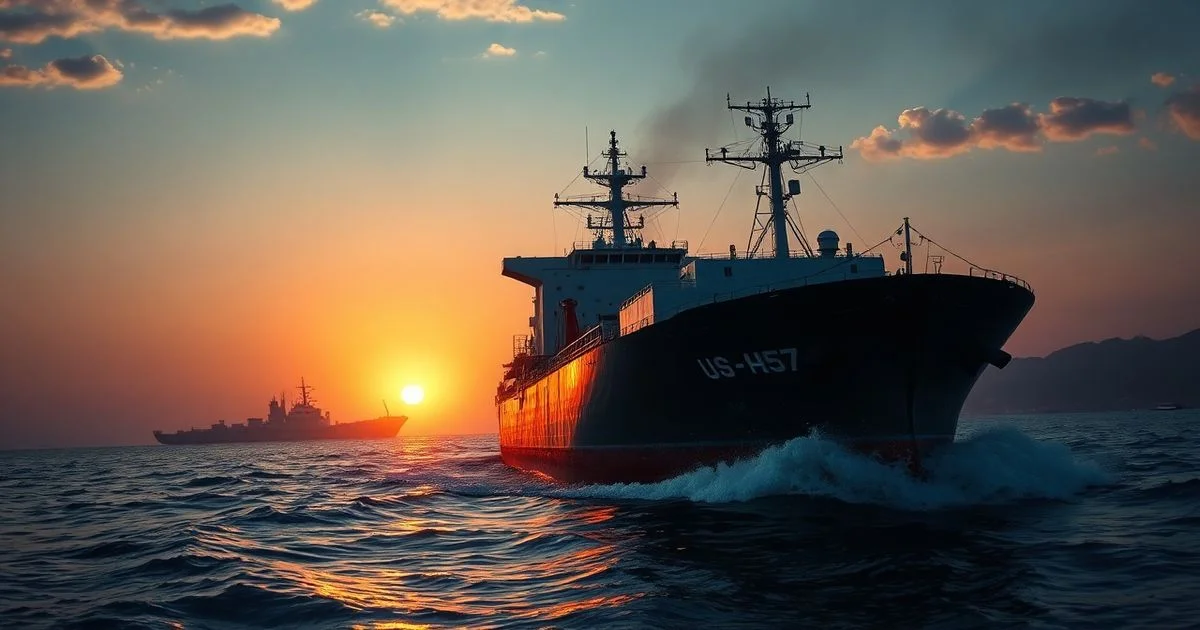
The US escalated its enforcement of the blockade by seizing an Iranian-flagged cargo ship, the Touska, near the Gulf of Oman on Sunday, April 20, 2026. US officials stated the action was taken to enforce the blockade, while Iran condemned it as an act of piracy and vowed retaliation. Adding to the complexity, the IRGC Navy claimed to have forced US troops to retreat after they fired on an Iranian commercial ship and announced the opening of a new "Larak Corridor" transit route exclusively within Iranian territorial waters, requiring IRGC Navy permission for passage.
Economic and Geopolitical Stakes
The ramifications of the Hormuz standoff extend far beyond the immediate region, causing significant global economic disruption. The closure of the strait has led to the largest disruption to the world energy supply since the 1970s energy crisis. Brent crude oil prices surged past US126 per barrel, and were trading around $95.48 per barrel on April 21, 2026. This dramatic increase reflects the critical role the strait plays in global energy markets.
Beyond oil, the crisis has impacted other vital commodity markets, including liquefied natural gas (LNG), aluminum, fertilizer, and helium. Qatar, a major LNG exporter, relies heavily on the Strait of Hormuz, with most of its cargoes destined for Asian buyers, making these markets particularly vulnerable. The disruption also affects the significant trade of fertilizer, with roughly one-third of global seaborne fertilizer trade typically moving through the strait.
The geopolitical stakes are equally high. The standoff highlights Iran's ability to exert substantial leverage over global energy flows, which it views as a powerful bargaining chip. Conversely, the US blockade aims to inflict severe economic pain on Iran, pressuring Tehran into negotiations. The conflict raises war-risk insurance premiums for commercial vessels, further increasing shipping costs and contributing to global inflation. While Saudi Arabia and the United Arab Emirates possess some pipeline capacity to bypass the strait, these alternatives are limited and cannot fully compensate for a prolonged closure.
International Reactions and Diplomacy
The international community has reacted with significant concern to the escalating tensions in the Strait of Hormuz. Many nations are heavily reliant on the strait for energy imports, particularly in Asia and Europe. The United Nations Convention on the Law of the Sea recognizes the right of transit passage through straits used for international navigation, meaning Iran's closure of the strait breaches international law.
Diplomatic efforts, primarily mediated by Pakistan, have sought to de-escalate the crisis. US negotiators were reportedly scheduled for talks in Pakistan, aimed at extending the fragile ceasefire. However, these talks have been thrown into question amidst renewed conflict. US President Donald Trump accused Iran of violating the ceasefire and threatened severe retaliation, including destroying Iranian civilian infrastructure if a deal is not reached. Iran, in turn, has rejected negotiations under perceived coercion, with its parliamentary speaker, Mohammad Bagher Ghalibaf, stating that Iran would not accept talks under threat and had "new cards on the battlefield."
Russia's Foreign Minister Sergey Lavrov has also engaged with Iran, emphasizing the need to uphold the ceasefire and continue diplomatic efforts. Despite some expressions of "improved sentiment" after Iran briefly reopened the strait, the overall situation remains "uncertain and volatile." Experts like Marc Weller of Chatham House have described both the US blockade and Iran's demands for tolls as legally doubtful under international law, particularly if the broader conflict is considered unlawful.
The Role of Naval Presence in the Strait
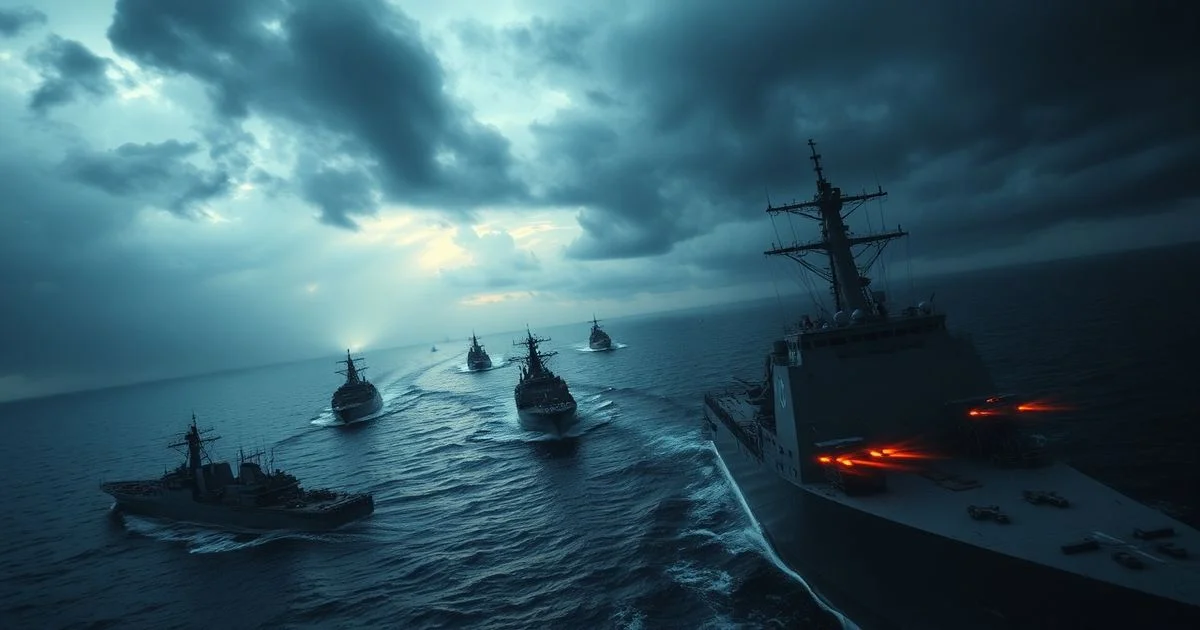
The Strait of Hormuz has long been a focal point for naval deployments by both regional and international powers, reflecting its immense strategic value. The United States maintains a significant military presence in the area, primarily through its Fifth Fleet, headquartered in Manama, Bahrain. This fleet is responsible for maritime security across the Persian Gulf, Red Sea, Gulf of Oman, and parts of the Indian Ocean, providing services such as mariner assistance, infrastructure protection, and piracy deterrence.
In addition to the US Fifth Fleet, multinational forces contribute to security in the Persian Gulf and the Strait of Hormuz. Combined Task Force (CTF) 150, which includes contributions from nations such as Pakistan, Canada, France, Germany, the United Kingdom, and the United States, operates in these waters. This multinational force is crucial for responding to any conflict in the strait, ensuring collective security for commercial interests. The Gulf Cooperation Council (GCC), comprising Bahrain, Kuwait, Oman, Qatar, Saudi Arabia, and the United Arab Emirates, also plays a role, bolstering its sea and air defenses around the strait to counter threats and protect shared commercial interests.
Iran's military capabilities in the strait primarily involve its Islamic Revolutionary Guard Corps (IRGC) Navy, which employs tactics such as small boat swarms, naval mines, and anti-ship missiles. While these assets may not match the conventional power of the US Navy, they are highly effective in creating risk, uncertainty, and disruption in a confined waterway like the Strait of Hormuz. The IRGC's recent actions, including launching attacks on merchant ships and laying sea mines, demonstrate its intent and capability to enforce its control over the strait. The announcement of the "Larak Corridor" also signals Iran's attempt to assert sovereignty and control over transit routes in its territorial waters. The interplay of these naval forces creates a precarious balance, where any miscalculation could lead to further escalation.
Potential Scenarios and Future Outlook
The volatile situation in the Strait of Hormuz presents several potential scenarios, each with significant implications for global stability and markets. Analysts are considering various pathways the conflict could take, ranging from a managed de-escalation to a more protracted and destructive confrontation.
Managed Stalemate (Best Case Scenario): One plausible scenario envisions a managed stalemate, where the current ceasefire, despite its fragility, eventually leads to a more stable, albeit inconclusive, understanding. In this outcome, economic pressures from prolonged energy disruption and international diplomatic efforts could compel both the US and Iran to scale back military operations without necessarily resolving underlying security issues. Maritime traffic might slowly return to pre-war levels, possibly under a new internationally mandated protocol for vessel transit. However, even in this "best case," Iran could maintain a heightened level of oversight over the Strait of Hormuz, and the underlying drivers of conflict, such as Iran's nuclear program and regional influence, would likely remain unresolved.
Sustained Economic Warfare (Baseline Scenario): A more probable near-term trajectory suggests a sustained period of economic warfare. Here, the ceasefire might hold, but the conflict shifts to non-military fronts. The Strait of Hormuz could reopen only intermittently, characterized by recurring disruptions, inspections, and security incidents. This would keep shipping, insurance, and energy markets under continuous pressure, with oil and gas prices remaining elevated and volatile. Such a scenario would represent a costly equilibrium for both sides, with Iran retaining asymmetric leverage through its capacity to disrupt energy flows, and the US continuing its economic pressure campaign.
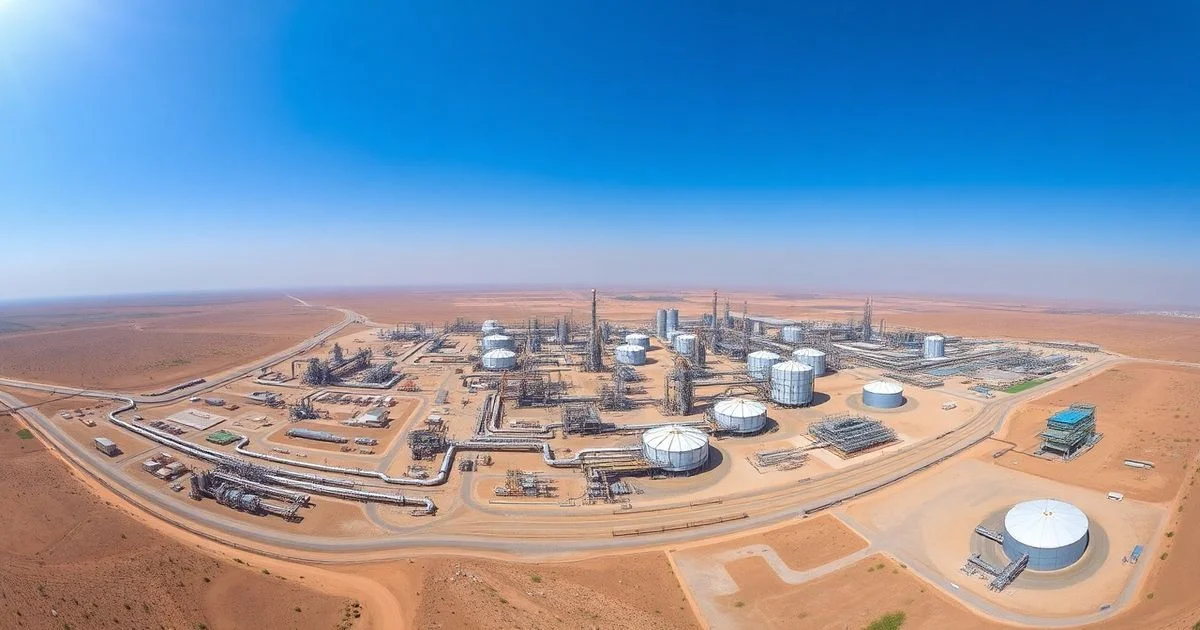
Escalation to Broader Conflict (Worst Case Scenario): The most concerning scenario involves a significant escalation leading to broader military conflict. Should diplomatic efforts fail and the ceasefire collapse definitively, a renewed cycle of attacks and counter-attacks could ensue. This could involve more direct military engagements between US and Iranian forces, potentially drawing in regional allies. Iran has the capability to target regional oil infrastructure beyond the strait, including pipelines and refineries in Saudi Arabia and other Gulf nations, which would have catastrophic global economic consequences. Such a conflict would severely disrupt global supply chains, exacerbate inflation, and potentially lead to a humanitarian crisis in the region. The potential for cyber attacks targeting energy and critical infrastructure would also intensify.
Strategic Realignment: Another possibility involves a strategic realignment of global powers. If Iran were to continue restricting traffic through Hormuz while making exceptions for certain countries, particularly China, it could lead to a fracturing of international sanctions regimes. European and Asian allies of the US might prioritize their domestic energy security, potentially undermining a unified international front against Iran. This scenario would significantly alter the geopolitical landscape, challenging existing alliances and trade relationships.
The duration of disruption to the Strait of Hormuz remains the single most consequential factor in determining whether the conflict's effects remain regional or become systemic. The current standoff is not merely a clash of military capabilities but a struggle of political endurance and bargaining leverage, with both sides facing domestic political constraints and the rising economic costs of prolonged confrontation. The uncertainty surrounding upcoming talks and the expiry of the ceasefire underscores the urgent need for a diplomatic breakthrough to prevent further destabilization of this critical global chokepoint.
Navigating the Hormuz Standoff: US-Iran Tensions Demand Diplomacy
The current Hormuz Standoff: US-Iran Tensions Escalate continues to present an acute challenge to global energy security and international trade. The Strait of Hormuz, a critical maritime chokepoint, has seen unprecedented disruption following the "2026 Iran war," with Iran blocking transit in response to US-Israeli military actions and a US naval blockade. This escalation, marked by vessel seizures and rising oil prices, highlights the profound economic and geopolitical interconnectedness that makes localized conflicts in this region a global concern. While diplomatic efforts are underway, the fragility of the ceasefire and the hardening stances of both the United States and Iran underscore the urgent need for a negotiated resolution. The long-term stability of this vital waterway, and indeed the broader Middle East, hinges on a de-escalation of military actions and a renewed commitment to comprehensive diplomatic engagement to navigate these complex tensions.
Frequently Asked Questions
Q: Why is the Strait of Hormuz strategically important?
A: It is the world's most critical chokepoint for oil and liquefied natural gas (LNG), handling approximately 20% of global seaborne oil and 25% of LNG trade annually. Its closure or disruption severely impacts international energy supplies and global economies.
Q: What prompted the current US-Iran standoff in Hormuz?
A: The standoff significantly escalated following the "2026 Iran war," which began with US-Israeli strikes and the assassination of Iran's Supreme Leader. Iran retaliated by disrupting shipping through the strait and announcing a closure to vessels associated with the US, Israel, and their allies.
Q: What are the global economic impacts of the Hormuz standoff?
A: The closure of the Strait of Hormuz has caused Brent crude oil prices to surge past $100 per barrel, leading to significant disruption in global energy markets. It also affects the trade of other vital commodities like LNG, aluminum, and fertilizers, marking one of the largest energy supply disruptions since the 1970s.