China Sees Surge in Child Parainfluenza Cases: What Parents Need to Know
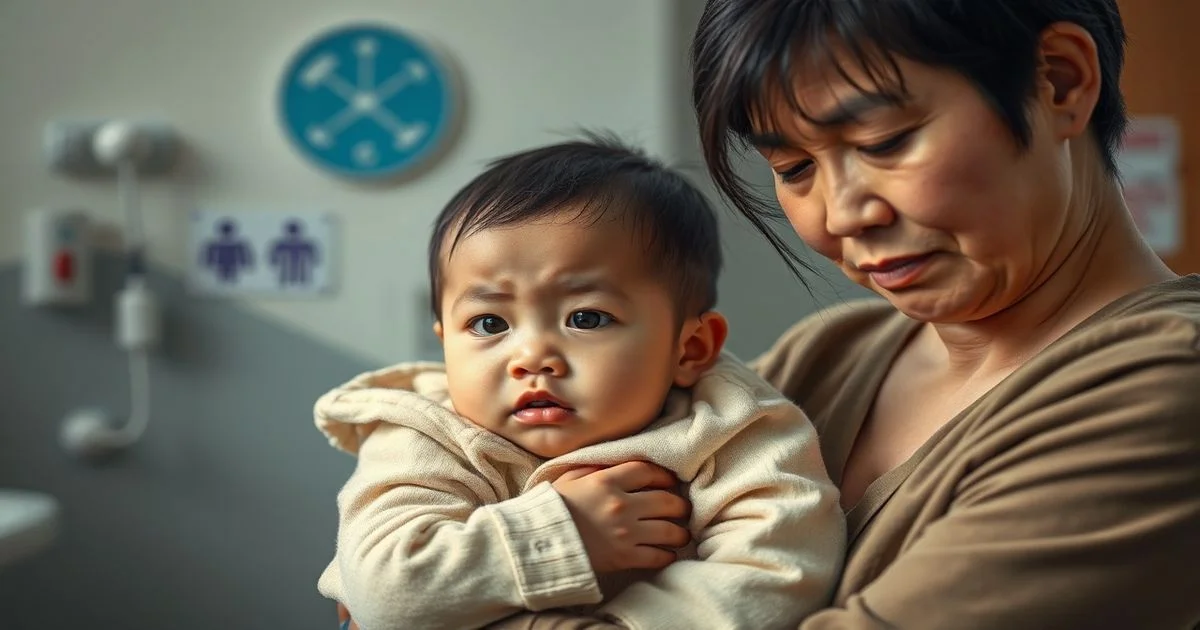
Recent reports from China indicate a significant and concerning surge in child parainfluenza cases, prompting health officials and parents alike to take heightened precautions. This escalating situation underscores the dynamic nature of respiratory viruses and the continuous need for robust public health surveillance and swift responses. Understanding the nature of parainfluenza viruses, their symptoms, and effective preventative measures is crucial for safeguarding young populations amidst this wave of infections.
- Understanding Human Parainfluenza Viruses (HPIVs)
- The Current Surge in Child Parainfluenza Cases Across China
- Public Health Response and Healthcare Preparedness
- Prevention Strategies for Families and Communities
- Comparing the Parainfluenza Outbreak to Other Respiratory Illnesses
- The Broader Implications of China Sees Surge in Child Parainfluenza Cases
- Conclusion
- Frequently Asked Questions
- Further Reading & Resources
Understanding Human Parainfluenza Viruses (HPIVs)
Human Parainfluenza Viruses (HPIVs) are a group of four distinct RNA viruses (HPIV-1, HPIV-2, HPIV-3, and HPIV-4) that commonly cause respiratory illnesses in infants and young children, but can infect people of all ages. These viruses are a major cause of both upper and lower respiratory tract infections. They are particularly known for causing illnesses such as the common cold, croup, bronchitis, and pneumonia.
Each HPIV type tends to peak during specific seasons, though co-circulation is common. HPIV-1 and HPIV-2 often cause outbreaks in the fall, while HPIV-3 is more prevalent in the spring and summer. HPIV-4 is less frequently detected and typically associated with milder respiratory illnesses. Unlike influenza viruses, there is currently no vaccine specifically targeting HPIVs, making preventive measures critical for managing their spread.
Common Symptoms and Transmission
The symptoms of HPIV infection can vary depending on the specific type of virus and the age of the infected individual. In young children, HPIV-1 and HPIV-2 are the leading causes of croup, characterized by a distinctive barking cough, hoarseness, and noisy breathing. HPIV-3 is a frequent cause of bronchiolitis and pneumonia in infants, conditions that can lead to severe breathing difficulties.
General symptoms often include fever, runny nose, sore throat, and cough, mirroring other common respiratory infections. The viruses primarily spread through respiratory droplets released when an infected person coughs or sneezes. They can also be transmitted through direct contact with contaminated surfaces, making hand hygiene a vital preventive measure.
The Current Surge in Child Parainfluenza Cases Across China
China is currently grappling with a notable increase in respiratory illnesses among children, with parainfluenza viruses identified as a significant contributor to this surge. While specific national statistics for the exact scale of the current parainfluenza outbreak are continuously being updated, reports indicate a heightened number of pediatric cases requiring medical attention. This rise is occurring alongside other circulating pathogens, creating a complex public health challenge.
Several major hospitals and pediatric clinics in various Chinese cities have reported an uptick in children presenting with parainfluenza-like symptoms. This increase appears to be part of a broader rise in respiratory infections, including mycoplasma pneumonia and respiratory syncytial virus (RSV), that has been observed in recent months. The co-circulation of these viruses can complicate diagnosis and place significant strain on healthcare resources, particularly in pediatric wards.
Clinical Manifestations and Severity
In the current surge, pediatric patients are presenting with a range of symptoms, from mild upper respiratory infections to more severe lower respiratory tract diseases. While many cases are manageable with supportive care, a subset of children, especially infants and those with underlying health conditions, are experiencing more severe outcomes such as bronchiolitis and pneumonia. Parents are advised to closely monitor symptoms and seek medical attention if their child develops difficulty breathing, persistent high fever, or severe coughing.
Distinguishing parainfluenza from other respiratory illnesses like influenza, RSV, or even COVID-19 solely based on symptoms can be challenging due to overlapping clinical presentations. Diagnostic testing, such as PCR tests from nasal swabs, is often necessary to confirm the specific viral etiology. This diagnostic clarity is important for epidemiological tracking and appropriate clinical management, though treatment for most viral respiratory infections remains largely supportive.
Public Health Response and Healthcare Preparedness
In response to the surge in child parainfluenza cases and other respiratory infections, Chinese health authorities have initiated various measures to manage the situation and protect public health. These actions include enhancing disease surveillance, issuing public health advisories, and increasing healthcare capacity, particularly in pediatric departments. Hospitals have been encouraged to optimize their resources, streamline patient flow, and ensure adequate staffing to cope with the increased patient load.
The National Health Commission of China has emphasized the importance of early diagnosis and prompt treatment for severe cases, urging medical institutions to strengthen their ability to differentiate between various respiratory pathogens. They have also called for greater public awareness regarding prevention strategies and when to seek medical care, aiming to reduce the burden on emergency services and prevent unnecessary hospitalizations.
Diagnostic Methods and Treatment Approaches
Diagnosing HPIV infections typically involves laboratory tests, with real-time reverse transcription-polymerase chain reaction (RT-PCR) being the most common and sensitive method. This test can detect viral genetic material from respiratory specimens, such as nasopharyngeal swabs or aspirates. While rapid antigen detection tests are available for some respiratory viruses, PCR offers higher sensitivity and specificity for HPIVs.
Treatment for parainfluenza virus infections is primarily supportive, as there are no specific antiviral medications approved for HPIV. Management focuses on alleviating symptoms and preventing complications. This includes ensuring adequate hydration, administering fever reducers (like acetaminophen or ibuprofen), and using humidifiers to ease breathing. In cases of severe respiratory distress, hospitalization may be required for oxygen therapy or other supportive interventions. The judicious use of antibiotics is crucial, as they are ineffective against viral infections and their overuse can contribute to antibiotic resistance.
Prevention Strategies for Families and Communities
Effective prevention strategies are paramount in mitigating the spread of HPIVs and other respiratory viruses, especially in settings with young children. Given the absence of a specific HPIV vaccine, non-pharmaceutical interventions remain the cornerstone of protection. Public health officials and medical professionals continue to advocate for several key practices to reduce transmission.
One of the most fundamental preventative measures is rigorous hand hygiene. Frequent and thorough handwashing with soap and water for at least 20 seconds, especially after coughing, sneezing, or being in public places, is highly effective. If soap and water are not available, an alcohol-based hand sanitizer with at least 60% alcohol can be used.
Other important strategies include:
- Avoiding Close Contact: Individuals, particularly children, should avoid close contact with people who are sick. This includes refraining from hugging, kissing, or sharing eating utensils.
- Respiratory Etiquette: Covering coughs and sneezes with a tissue or the elbow helps prevent the spread of respiratory droplets. Used tissues should be disposed of immediately.
- Staying Home When Sick: Children and adults exhibiting symptoms of respiratory illness should remain home from school or work to prevent further transmission. This is crucial for breaking chains of infection.
- Cleaning and Disinfecting Surfaces: Regularly cleaning and disinfecting frequently touched surfaces, such as doorknobs, toys, and shared electronic devices, can help eliminate viruses.
- Mask-Wearing: While not mandatory in all situations, wearing masks in crowded indoor settings or when caring for a sick person can offer an additional layer of protection against respiratory droplet transmission.
For families with young children, proactive vigilance and adherence to these guidelines are essential in navigating the current heightened period of respiratory illness.
Comparing the Parainfluenza Outbreak to Other Respiratory Illnesses
The current increase in parainfluenza cases in China is occurring within a broader landscape of circulating respiratory pathogens, making it important to understand its distinct characteristics compared to other prevalent illnesses like influenza, Respiratory Syncytial Virus (RSV), and COVID-19. While all these viruses cause respiratory symptoms, their epidemiological patterns, typical severity, and specific diagnostic and preventive approaches can differ.
- Influenza (Flu): Influenza viruses are well-known for causing seasonal epidemics and sometimes pandemics. Vaccines are available annually, targeting the most prevalent strains. Flu often presents with sudden onset of fever, body aches, and fatigue, which can be more severe than typical HPIV infections in adults, though HPIV can cause severe illness in young children.
- Respiratory Syncytial Virus (RSV): RSV is a common cause of bronchiolitis and pneumonia in infants and young children, often mirroring severe HPIV-3 infections. RSV typically peaks in colder months. Recent advancements have introduced new preventative options for infants, including monoclonal antibody products.
- COVID-19: Caused by SARS-CoV-2, COVID-19 has a wide range of symptoms and can affect various organ systems. While vaccines are widely available, the virus continues to evolve. The diagnostic and public health response for COVID-19 has been distinct due to its pandemic potential and widespread impact.
The co-circulation of multiple respiratory viruses, often termed a "tripledemic" or similar, can lead to increased complexity in diagnosis and treatment, as well as greater strain on healthcare systems. This phenomenon can also be influenced by factors such as "immunity debt," where reduced exposure to common pathogens during periods of strict public health measures (like during the COVID-19 pandemic) leads to a larger pool of susceptible individuals once restrictions are lifted. This can result in larger or more severe outbreaks of previously common infections.
The Broader Implications of China Sees Surge in Child Parainfluenza Cases
The current surge in child parainfluenza cases in China carries broader implications beyond immediate public health concerns, touching upon societal well-being, economic activity, and global health surveillance. Understanding these wider impacts is crucial for comprehensive policy responses and long-term preparedness.
Impact on Education and Society
A significant increase in respiratory illnesses among children inevitably leads to higher absenteeism from schools and kindergartens. This disruption can affect children's learning and development, and also places a burden on working parents who may need to take time off to care for sick children. The cumulative effect across a large population can impact workforce productivity and local economies. Furthermore, the psychological stress on families, especially those with vulnerable children or limited access to healthcare, can be substantial.
Strain on Healthcare Infrastructure
The concentration of a large number of pediatric patients requiring medical attention during a surge puts immense pressure on healthcare infrastructure. Pediatric wards, emergency rooms, and outpatient clinics can become overwhelmed, leading to longer wait times, stretched medical staff, and potentially compromised quality of care. This strain highlights the importance of robust healthcare planning and surge capacity mechanisms, especially in regions with high population density.
Global Health Surveillance and Travel
While HPIV infections are generally endemic worldwide, a concentrated surge in a major global hub like China warrants attention from international public health organizations. Monitoring the patterns and severity of these outbreaks provides valuable data for global epidemiological surveillance, helping to inform risk assessments and preparedness strategies in other countries. For travelers, understanding the local health landscape becomes important, especially for those traveling with young children to affected areas.
Lessons for Future Respiratory Seasons
The current situation serves as a critical learning opportunity for public health systems globally. It underscores the ongoing challenges posed by common respiratory viruses, even in a post-pandemic era. Key takeaways often include:
- Enhanced Integrated Surveillance: The need for integrated surveillance systems that can track multiple respiratory pathogens simultaneously to provide a clearer picture of viral activity.
- Flexible Healthcare Capacity: Developing flexible healthcare capacities that can adapt quickly to surges in patient numbers for various respiratory illnesses.
- Sustained Public Health Communication: Maintaining clear, consistent, and actionable public health communication to empower communities with knowledge on prevention and when to seek care.
- Research and Development: Continued investment in research for broader-spectrum antivirals and vaccines for common respiratory viruses, including HPIVs.
These lessons are vital for building more resilient public health systems capable of responding effectively to future respiratory disease challenges.
Conclusion
The observed surge in child parainfluenza cases across China underscores the continuous and evolving threat posed by respiratory viruses, particularly to vulnerable populations such as young children. While HPIVs are common pathogens, their increased prevalence demands vigilance from public health authorities, healthcare providers, and families. Adherence to established preventive measures, including diligent hand hygiene, avoiding contact with sick individuals, and prompt medical consultation when necessary, remains the most effective strategy to curb the spread and mitigate severe outcomes. As global interconnectedness continues, monitoring such outbreaks offers crucial insights for international public health preparedness and response, reinforcing the imperative to build resilient healthcare systems capable of addressing diverse infectious disease challenges.
Frequently Asked Questions
Q: What are Human Parainfluenza Viruses (HPIVs)?
A: HPIVs are common respiratory viruses that cause illnesses like the common cold, croup, bronchitis, and pneumonia, primarily in children. There are four main types (HPIV-1 to HPIV-4), each with typical seasonal peaks.
Q: How do HPIVs spread and what are the main symptoms?
A: HPIVs spread through respiratory droplets from coughing or sneezing, and by touching contaminated surfaces. Symptoms often include fever, runny nose, sore throat, and cough. In children, they can cause croup (barking cough) or severe breathing difficulties like bronchiolitis.
Q: What preventive measures can families take against HPIVs?
A: Key prevention strategies include frequent handwashing, avoiding close contact with sick individuals, covering coughs and sneezes, staying home when ill, and regularly cleaning surfaces. There is no specific vaccine for HPIVs.