Europe's Climate Crisis: Rise of Uninsurable Zones and Economic Peril
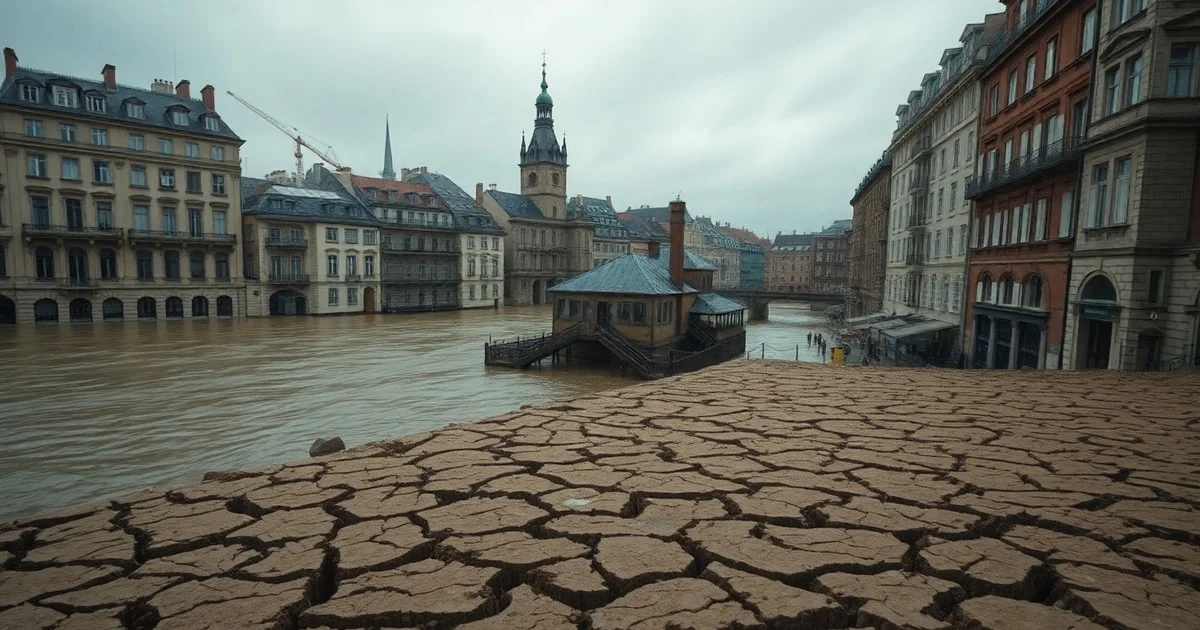
Europe is increasingly grappling with the escalating impacts of its climate crisis, leading to the rise of uninsurable zones and threatening significant economic peril. The continent is warming at nearly twice the global average, leading to more frequent and intense extreme weather events that are fundamentally reshaping its landscape and economy. This accelerated warming is driving a stark reality: the emergence of "uninsurable zones" across the continent, signaling a deepening Europe's Climate Crisis: Rise of Uninsurable Zones and a significant economic peril for millions. The ability of traditional insurance models to cope with this new climate era is being severely tested, pushing previously low-risk areas into danger and threatening financial resilience.
- Europe's Climate Crisis: The Unfolding Peril and Uninsurable Zones
- Regions on the Brink: The Specter of Uninsurability
- The Soaring Cost of Risk: Economic Implications for Insurance and Property
- The Insurance Industry's Response and Challenges
- Policy and Adaptation Strategies: Towards a Resilient Europe
- Looking Ahead: Mitigating the Peril
- Frequently Asked Questions
- Further Reading & Resources
Europe's Climate Crisis: The Unfolding Peril and Uninsurable Zones
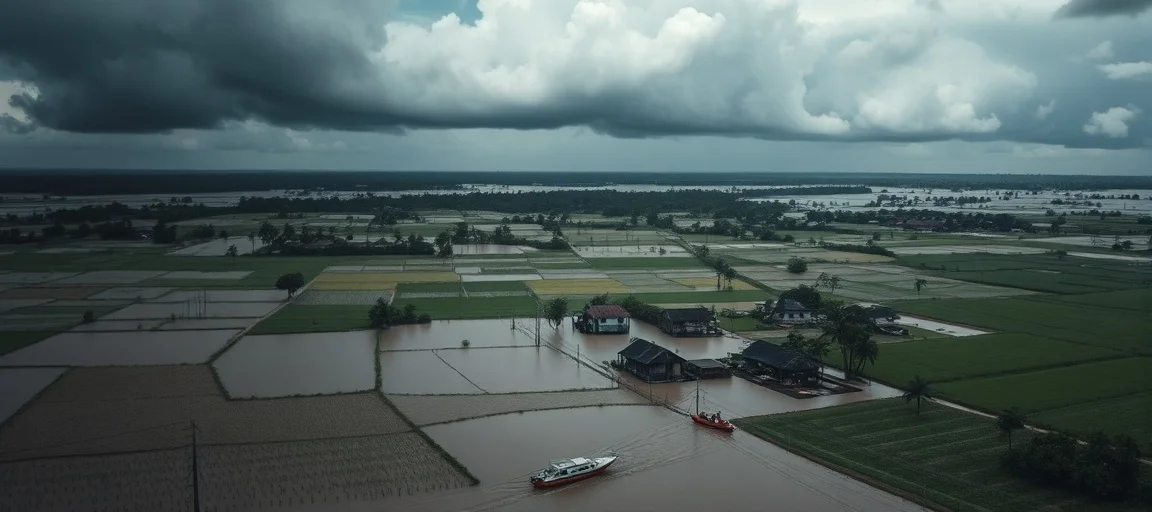
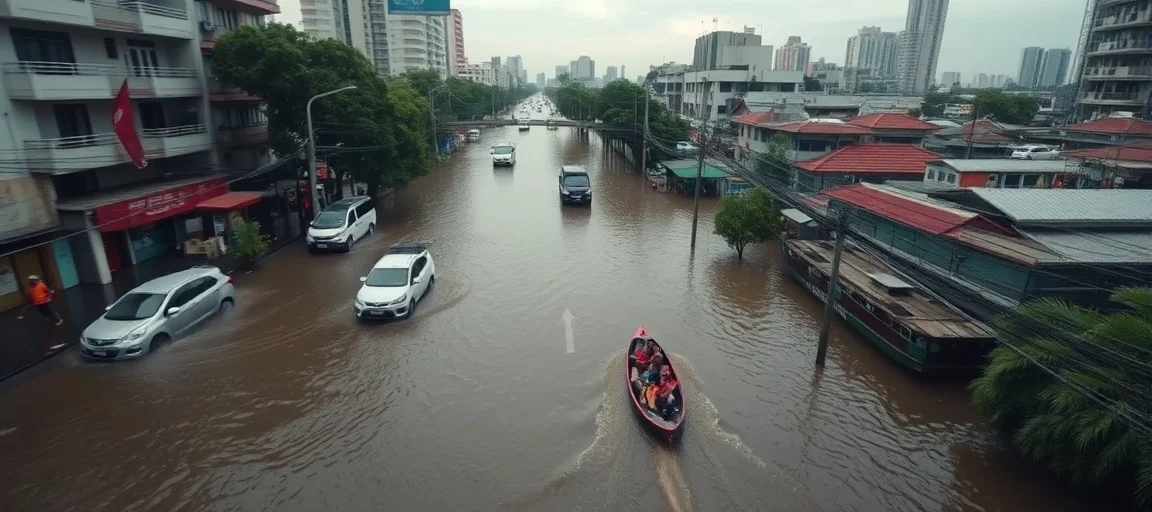
The scale of climate-related damage in Europe is rapidly intensifying. Between 1980 and 2024, economic losses due to weather- and climate-related extremes in the EU amounted to an estimated €822 billion, with a quarter of these losses occurring between 2021 and 2024 alone. The trend is alarming; average annual economic losses surged from €8.6 billion in the 1980s to €44.9 billion between 2020 and 2024, representing a 54% increase in a 30-year moving average from 2009 to 2024. This rise is largely attributed to hydrological hazards like floods (47% of total losses) and meteorological hazards such as storms, including lightning and hail (27%). Record-breaking heatwaves in Southern Europe have scorched agricultural lands and fueled devastating wildfires, while unprecedented rainfall in Central and Western Europe has triggered catastrophic riverine and flash floods. Heatwaves alone accounted for nearly 18% of total losses, with droughts, wildfires, cold spells, and frost making up the remainder.
These events are not isolated incidents but part of a discernible pattern linked directly to the continent's accelerated warming. Beyond economic figures, these events inflict immense human suffering, displacing communities, destroying livelihoods, and straining emergency services. The summer of 2025 alone saw extreme weather events—heatwaves, droughts, and floods—cost Europe an estimated €43 billion, with long-term losses projected to reach €126 billion by 2029 if no significant action is taken. Southern European regions, including Spain, Italy, Portugal, and Greece, have been particularly hard hit, facing prolonged droughts, wildfires, and coastal erosion that devastate local economies dependent on agriculture and tourism. This escalating crisis highlights that climate change is no longer a distant threat but a present reality actively influencing Europe's economic development and societal well-being.
Regions on the Brink: The Specter of Uninsurability
The term "uninsurable areas" refers to regions where property insurance becomes either unobtainable or prohibitively expensive. This occurs when insurers withdraw coverage or offer premiums so high that most residents cannot afford them, driven by the increasing frequency and severity of extreme weather events. While California offers a stark example from the US, with major insurers restricting policies due to wildfire risk, Europe is facing similar pressures as climate models predict even greater extremes.
Specific regions across Europe are increasingly vulnerable. Coastal Romania and Croatia, for instance, show consistently high climate risk, exacerbated by low GDP per capita in their coastal regions, making them particularly susceptible to sea-level rise and storm surges. In the United Kingdom, the north of England faces the greatest climate risk, particularly from widespread flooding, contrasting with Scotland and the south of England, which have comparatively lower risks but are not immune to localized extreme events. Northern Europe, including nations like Belgium, the Netherlands, and Scandinavia, generally exhibit lower overall climate risks due partly to their economic wealth and strong infrastructure, but even these regions face unique challenges.
The Netherlands, despite its wealth, faces significant risks from foundation and flood damage, which are largely uninsurable under current market conditions. The rising frequency of extreme heat also increases wildfire risks and heat stress across the continent, impacting human health, labor productivity, and energy demand. These physical risks are not only impacting property but also leading to concerns about declining property values in affected areas, creating a "climate inequality" where lower-income households are more likely to reside in high-risk zones without full awareness or financial capacity to address the escalating dangers. For deeper insights into the economic consequences of climate shifts, see our article on The Future of Sustainable Finance.
The Soaring Cost of Risk: Economic Implications for Insurance and Property
The increasing incidence of natural disasters is placing immense strain on Europe's insurance sector. Between 1980 and 2023, only 5% to 20% of economic losses from extreme weather events were covered by insurance. According to EIOPA, the EU's insurance regulator, historically, 75% of economic losses from natural catastrophes in Europe have gone uninsured. This "insurance protection gap" is widening, shifting the burden of rising costs onto households, businesses, and public budgets, threatening financial stability across the continent. This significant gap means that affected households and businesses often bear the full brunt of disaster costs, leading to widespread financial distress, bankruptcies, and increased reliance on government aid. This effectively shifts the financial burden from private insurers onto public coffers, straining national budgets already under pressure.
The European Central Bank (ECB) has warned that climate change poses a growing risk to the EU's insurance sector, potentially becoming a source of systemic risk if not adequately addressed. In 2024, natural disasters resulted in an estimated €30 billion in economic losses, with only €13 billion insured. This deepening gap means that physical damage could significantly impact the value of assets and property, leading to repricing in areas highly prone to extreme weather events. Experts project climate-related losses in the EU to increase at least two-to-threefold by 2050 in a 1.5°C warming scenario, with much higher losses in 2°C or 3°C scenarios, underscoring the urgency of the situation.
Individual countries are already experiencing the financial consequences. Germany's national insurance association has cautioned that premiums could double within a decade due to climate-driven claims, making homeowners' insurance a luxury in some regions. France's national natural disaster scheme, CatNat, designed to compensate victims of natural catastrophes, has been running at a deficit since 2016, leading to a raise in the compulsory surcharge on all property insurance policies from 12% to 20% in January 2025. Similarly, the Netherlands faces increasing costs for climate-proof housing and post-damage remediation, which could exacerbate social inequality as the costs are passed onto residents. Moreover, the phenomenon of climate inequality is exacerbated, as lower-income households are disproportionately located in high-risk areas, often lacking the financial means to absorb losses or relocate. This creates a deepening social and economic divide, with the most vulnerable bearing the heaviest impact of the climate crisis. Beyond direct damage, climate change uncertainty casts a shadow over real estate prices. Investors are increasingly applying discounts for properties exposed to climate risks like heat stress and rising sea levels, raising concerns that some assets could become "un-sellable" or "stranded." This trend could lead to significant financial stability and macroeconomic implications, with falling commercial real estate values affecting banks with concentrated portfolios in vulnerable regions.
The Insurance Industry's Response and Challenges
The European (re)insurance industry recognized climate change as an emerging risk over two decades ago and has since advocated for greater action on both mitigation and adaptation. Insurers are acutely aware of the threats posed by a changing climate, acting as underwriters of risk and compensators of losses. They also play a significant role as institutional investors in financing the transition to more sustainable economies.
However, the industry faces significant challenges. The core issue is the increasing unpredictability and scale of climate losses, which are moving beyond the historical data insurers traditionally rely on for pricing and risk modeling. This pressure on financial viability leads insurers to raise premiums, restrict coverage, or even withdraw from high-risk regions. This retreat often forces governments to step in as "insurers of last resort," adding pressure to public budgets, as seen with Germany's €30 billion Ahrtal flood recovery and Spain's €2.2 billion drought bail-out of farmers in 2023. This dynamic underscores the urgent need for a more comprehensive, shared approach to climate risk.
There are calls for insurers to actively integrate climate change risk into their Own Risk and Solvency Assessment (ORSA) processes, driven by regulatory changes like the EU Sustainable Financial Disclosure Regulation. Some European national supervisors, such as France's ACPR, have launched climate pilot exercises and stress tests to measure the impact of climate risk on insurers' activities and solvency. Despite these efforts, a new report by Czech NGO Re-set highlights that some Central and Eastern European insurers, like Vienna Insurance Group, lag behind in adopting effective climate policies, contributing to the "climate insurance protection gap" in a region particularly dependent on fossil fuels. This regional disparity in readiness further complicates Europe's overall resilience.
Policy and Adaptation Strategies: Towards a Resilient Europe
Recognizing the gravity of the situation, the European Union has been developing a comprehensive policy framework for climate adaptation. The European Climate Law, in force since June 2021, legally obligates EU institutions and Member States to enhance adaptive capacity, strengthen resilience, and reduce vulnerability to climate change. The EU Adaptation Strategy outlines objectives to promote action by Member States, encourage better-informed decision-making, and promote adaptation in key vulnerable sectors. Further reading on European environmental policy can be found in our article on Europe's Green Deal Challenges.
Key policy initiatives and recommendations include:
- Risk Assessment and Resilience by Design: Governments and regulators are urged to comprehensively assess climate and nature risks at local, regional, and national levels. Integrating "climate resilience by design" into EU policy areas, legislation, infrastructure, urban planning, and building standards is seen as crucial to reducing future losses. This includes rigorous vulnerability mapping, land-use planning that restricts development in floodplains or wildfire-prone areas, and the enforcement of stricter building codes. Investing in green infrastructure, such as permeable surfaces in urban areas and restoration of natural flood barriers, is also gaining traction as a cost-effective adaptation measure. This also involves legally prohibiting construction in high-risk zones and retrofitting existing buildings with prevention measures like flood walls.
- Closing the Protection Gap: Urgent action is needed to close the insurance protection gap and safeguard Europe's financial stability. The European Commission is actively exploring various solutions to ensure better insurance protection against climate risks for the European population, considering a mix of market mechanisms and public support.
- Public-Private Partnerships and Risk Sharing: Proposals include an EU public-private reinsurance scheme to pool climate-related risks across the EU, potentially reducing Europe's protection gap significantly. This would require substantial public funds to backstop extreme events. These partnerships are crucial for spreading risk and ensuring coverage remains accessible. The discussion often revolves around how to structure such schemes – whether through national pools, EU-level reinsurance, or combinations thereof – to balance public financial responsibility with private sector expertise in risk assessment and claims management. National schemes like the UK's Flood Re already provide government-backed reinsurance for high-risk flood properties, offering valuable lessons.
- Nature-Based Solutions: Prioritizing nature-based solutions in adaptation strategies is critical. Forests, mangroves, and wetlands are crucial for reducing the devastating impact of extreme events, such as mitigating floodwaters, preventing soil erosion, and protecting coastlines. These natural buffers help to keep regions insurable by reducing the underlying physical risks.
- Investment in Prevention: Economists estimate that every euro invested in climate change protection saves 15 euros in climate damage payments. Allianz highlights examples like the Thames Barrier in London, which prevents an estimated £50 billion in damage per event, as a clear business case for public sector investment in preventive infrastructure. This proactive investment is far more cost-effective than reactive disaster relief.
Looking Ahead: Mitigating the Peril
The path forward requires a multi-faceted approach involving governments, the insurance industry, businesses, and citizens. It is not merely about compensating for losses but about proactive adaptation and mitigation to reduce exposure and vulnerability to climate hazards.
Harmonized Risk Assessment and Data Sharing
Establishing harmonized EU climate-risk assessment methodologies, with common scenarios and data, is essential to guide planning, investment, and policy decisions consistently across Member States. This will help overcome limitations in current models and address substantial knowledge gaps, particularly regarding damage and adaptation costs and benefits, ensuring a more unified and effective response.
Incentivizing Resilience
Insurance can act as a powerful tool to incentivize risk reduction. Risk-based premiums prevent perverse incentives (e.g., building in high-risk zones) and make investments in prevention viable for homeowners and states. Policies that tie national contributions to an EU-level insurance scheme to the achievement of adaptation targets could further strengthen incentives for proactive measures.
Strategic Investment and Funding
Increased ex-ante adaptation funding, targeting vulnerable regions through EU regional and agricultural policies, is crucial to building resilience before disasters strike. Public funding mechanisms are also needed to support high-risk zones without fostering dependency on governments. The World Bank highlights that Europe needs smart investments to strengthen disaster resilience, adaptation, and finance response, noting a significant gap in adaptation financing that must be urgently addressed.
Frequently Asked Questions
Q: What are "uninsurable zones" in the context of Europe's climate crisis?
A: Uninsurable zones are regions where property insurance becomes either unobtainable or prohibitively expensive due to the escalating frequency and severity of climate-related extreme weather events. Insurers withdraw coverage or set premiums so high that most residents cannot afford them, leaving communities financially exposed.
Q: How is Europe's insurance sector being impacted by the climate crisis?
A: The insurance sector faces immense strain from rising climate-related disaster costs, leading to a widening "insurance protection gap" where most economic losses go uninsured. This shift in burden threatens financial stability, with regulatory bodies like the ECB warning of potential systemic risks to the European financial system.
Q: What key adaptation strategies are European governments and the EU pursuing?
A: Key strategies include comprehensive risk assessment and "resilience by design" in urban planning, closing the insurance protection gap, fostering public-private partnerships for risk sharing, prioritizing nature-based solutions, and significantly investing in preventative infrastructure. These aim to reduce vulnerability and build long-term resilience.
Further Reading & Resources
- European Environment Agency (EEA) — Climate change adaptation
- European Central Bank (ECB) — Climate-related financial risks
- Intergovernmental Panel on Climate Change (IPCC) — Europe Assessment
- Insurance Europe — Climate Change position paper
- The World Bank — Climate Change in Europe and Central Asia