US-Iran Ceasefire Doubts, Hormuz Tensions Rise: A Global Security Concern
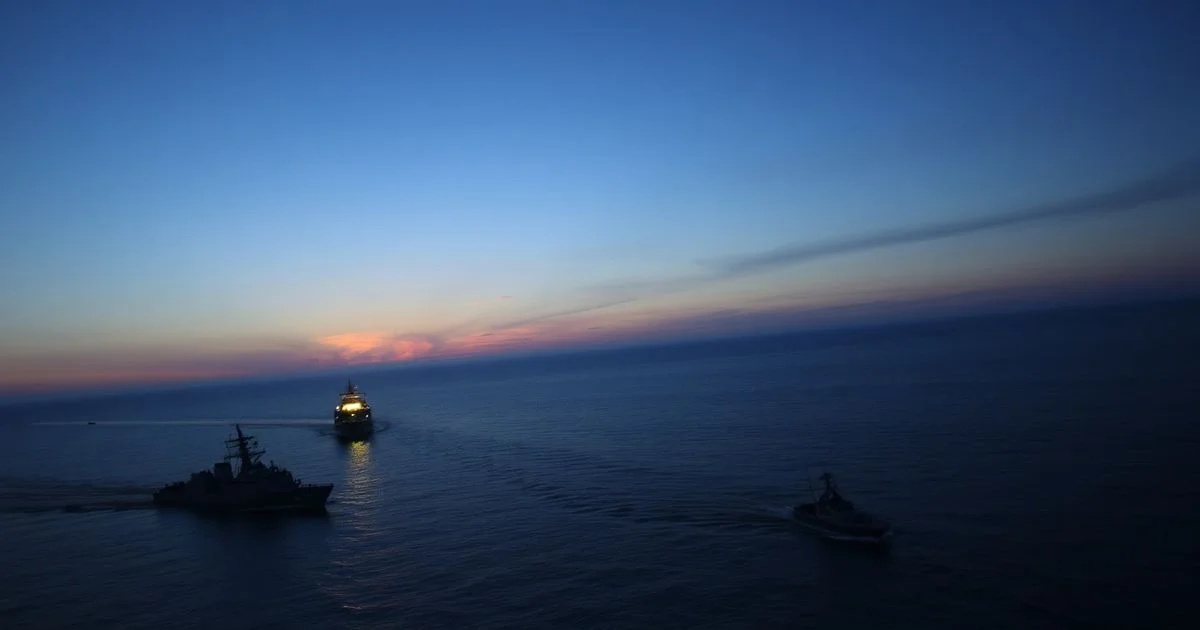
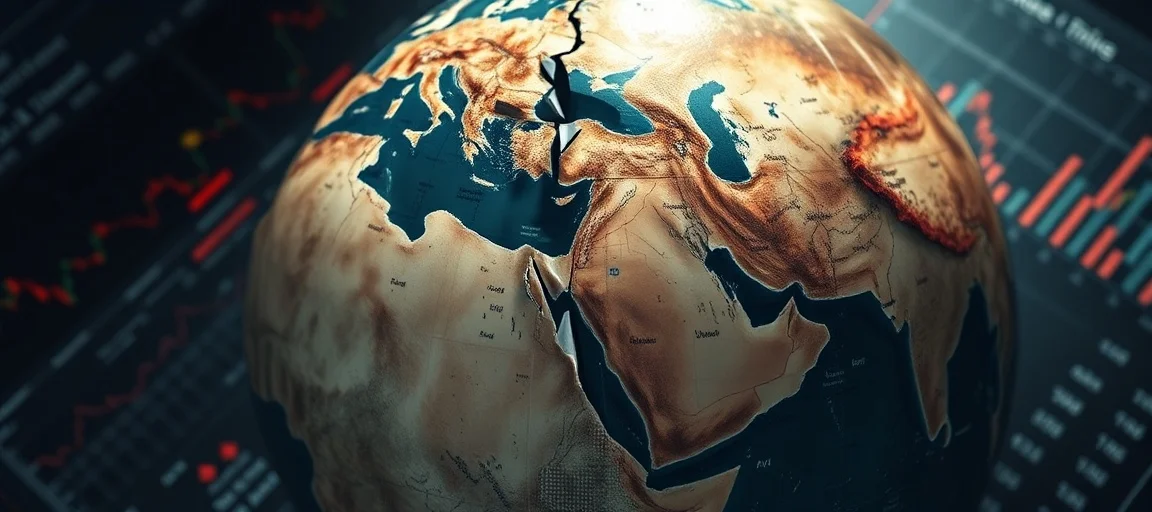
The delicate geopolitical balance in the Middle East remains precarious as persistent US-Iran ceasefire doubts, Hormuz tensions rise, casting a long shadow over global security and economic stability. Recent developments suggest that despite calls for de-escalation, the fundamental disagreements between Washington and Tehran continue to fester, threatening the vital shipping lanes of the Strait of Hormuz. This critical waterway, through which a significant portion of the world's oil supply transits, is once again a focal point of international concern, highlighting the urgent need for diplomatic breakthroughs amidst ongoing strategic rivalry.
Background: A Troubled History
The relationship between the United States and Iran has been characterized by decades of mistrust, strategic competition, and intermittent periods of heightened tension. Understanding the historical context is crucial for grasping the current complexities.
Historical Context of US-Iran Relations
The seeds of modern US-Iran discord were largely sown with the 1979 Iranian Revolution, which transformed Iran from a key American ally into an ideological adversary. Subsequent events, including the hostage crisis, the Iran-Iraq War, and Iran's pursuit of a nuclear program, have further entrenched a cycle of sanctions, proxy conflicts, and diplomatic stalemates. The landmark 2015 Joint Comprehensive Plan of Action (JCPOA), or Iran nuclear deal, offered a brief respite, aiming to curb Iran's nuclear ambitions in exchange for sanctions relief. However, the US withdrawal from the agreement in 2018 under the Trump administration reignited tensions, leading to a "maximum pressure" campaign and a significant deterioration of bilateral ties. Efforts by the Biden administration to revive the JCPOA have faced considerable hurdles, including hardline stances from both sides and evolving regional dynamics, further complicated by the changing political landscapes within both countries. Each shift in leadership often brings a new set of priorities and non-negotiables, making long-term stability difficult to achieve.
The Strait of Hormuz: A Strategic Chokepoint
Geographically, the Strait of Hormuz is one of the world's most critical maritime chokepoints, connecting the Persian Gulf with the Arabian Sea and beyond. Approximately one-fifth of the world's total oil consumption, and a substantial portion of its liquefied natural gas (LNG), passes through this narrow waterway daily. Its strategic importance cannot be overstated, making any disruption or threat to navigation a matter of grave international concern. Both the US and Iran maintain a significant naval presence in the region, with the US Fifth Fleet headquartered in Bahrain and Iran's Islamic Revolutionary Guard Corps Navy (IRGCN) regularly conducting exercises and patrols. The close proximity of these forces, combined with historical incidents, creates a volatile environment where miscalculation could have far-reaching consequences. For years, Iran has threatened to close the strait in response to perceived threats or economic pressures, a move that would undoubtedly trigger a global energy crisis and potentially military intervention. This vulnerability underlines the international community's urgent calls for de-escalation and adherence to international maritime law.
Escalating Tensions: Recent Developments
Despite global calls for de-escalation, recent events indicate a continuing escalation of tensions in the region, fueled by both direct confrontations and proxy engagements.
Naval Incidents and Maritime Security Concerns
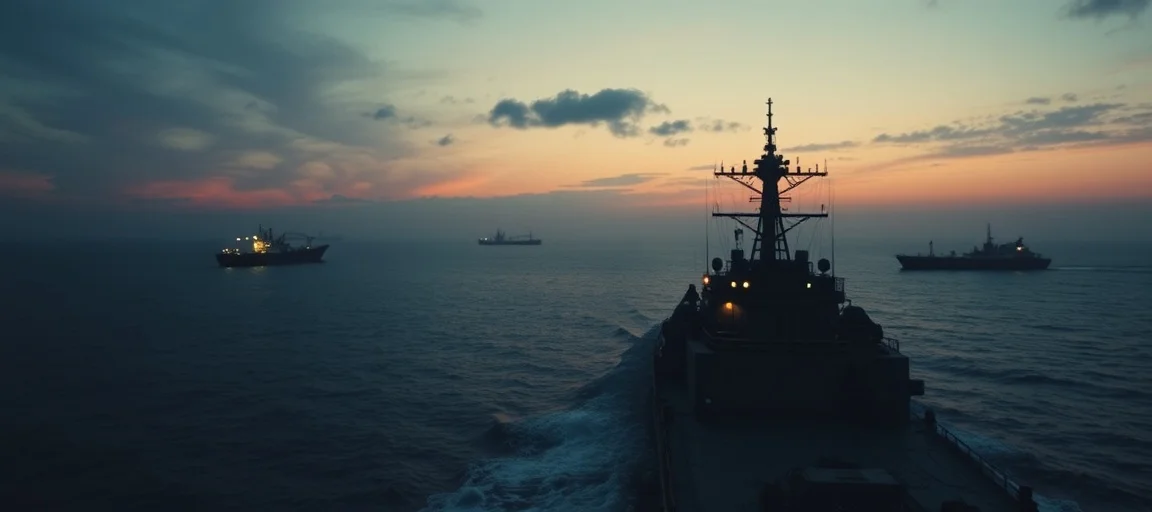
In recent months, there have been several concerning incidents in and around the Strait of Hormuz and the broader Persian Gulf. Reports indicate an increase in encounters between Iranian naval vessels and commercial shipping, as well as with US and allied warships. These incidents range from close approaches and warnings to temporary seizures of oil tankers accused of violating maritime laws or sanctions. For instance, a foreign-flagged tanker was briefly detained by the IRGCN in late 2025, sparking condemnation from international maritime organizations and reinforcing fears about the safety of commercial navigation in the area. Such incidents, often involving accusations of smuggling or environmental violations from Iran and claims of unlawful interference from the international community, underscore the fragile state of maritime security. The US Navy, in conjunction with regional partners, has intensified its maritime security operations, including increased surveillance and patrols, to deter hostile actions and ensure freedom of navigation. However, these enhanced security measures, while intended to prevent conflict, also inherently increase the chances of accidental confrontation in a highly militarized zone. The international community watches closely, fully aware that even minor provocations could rapidly spiral out of control, impacting global trade and energy markets.
Regional Proxy Conflicts
Beyond direct naval encounters, the broader US-Iran rivalry plays out intensely through various proxy conflicts across the Middle East. Iran continues to support a network of regional non-state actors, including groups in Yemen, Iraq, Syria, and Lebanon, providing them with financial aid, weaponry, and training. These groups often target interests perceived as aligned with the United States or its regional allies, such as Saudi Arabia and Israel. In late 2025 and early 2026, there were renewed missile and drone attacks attributed to Iran-backed militias against targets in Saudi Arabia and US military installations in Iraq and Syria, leading to casualties and significant infrastructure damage. While Tehran denies direct involvement in some of these specific attacks, its overarching strategy of supporting these proxies is undeniable and deeply destabilizing. The US, in turn, has responded with targeted sanctions and occasional retaliatory strikes against these groups, further entrenching the cycle of violence and making a comprehensive regional de-escalation agreement exceedingly difficult to achieve. Each proxy action serves to deepen the mistrust and animosity between Washington and Tehran, complicating any potential path towards direct diplomatic engagement or a broader ceasefire.
US-Iran Ceasefire Doubts, Hormuz Tensions Rise: Analyzing the Stalemate
The current stalemate between the US and Iran is multifaceted, rooted in deep-seated diplomatic impasses and the debilitating effects of economic sanctions. The persistence of US-Iran ceasefire doubts, Hormuz tensions rise reflects a fundamental lack of trust and a struggle for regional dominance.
Diplomatic Impasses and Mutual Mistrust
Despite periodic back-channel communications and the stated willingness of some international actors to mediate, direct, substantive negotiations between the US and Iran remain elusive. Both sides have articulated conditions for talks that the other finds unacceptable. Tehran insists on the lifting of all sanctions as a prerequisite for any new agreement, particularly those imposed since the US withdrawal from the JCPOA. The US, conversely, demands a return to compliance with the nuclear deal, a cessation of support for regional proxies, and an end to ballistic missile development, often before significant sanctions relief is offered. This fundamental divergence in preconditions creates a significant barrier to dialogue. Decades of mutual mistrust, exacerbated by rhetoric and past betrayals (as each side perceives them), make genuine diplomatic breakthroughs incredibly challenging. Each incident in the Strait of Hormuz or elsewhere only serves to harden positions, making the prospect of a lasting ceasefire or a comprehensive agreement appear increasingly remote. International efforts, though well-intentioned, often find themselves caught in the crossfire of this deep-seated antagonism, with little room to maneuver, illustrating the immense difficulty in bridging such a profound ideological and strategic divide.
Economic Sanctions and Their Impact
The US's comprehensive economic sanctions regime against Iran, particularly targeting its oil exports, financial sector, and key industrial components, has had a profound impact on the Iranian economy. While designed to pressure Tehran into changing its behavior, the sanctions have also fostered resentment and strengthened the resolve of hardliners who view them as an act of economic warfare. The Iranian government, facing severe economic constraints, has at times responded by escalating its nuclear activities beyond the limits set by the JCPOA, as well as by increasing its support for regional proxies, seemingly as leverage against the international community. This creates a vicious cycle: sanctions lead to escalation, which in turn leads to further sanctions or a hardening of positions. The economic hardship faced by ordinary Iranians also raises humanitarian concerns, impacting access to essential goods and medicines, and complicates any internal push for moderation or rapprochement with the West. The effectiveness and ethical implications of such broad sanctions remain a subject of intense debate, but their role in perpetuating the current standoff is undeniable.
International Reactions and Mediation Efforts
The ongoing US-Iran standoff and the accompanying tensions in the Strait of Hormuz have garnered significant international attention, primarily due to the potential for global ramifications.
Global Concerns Over Oil Supply
The Strait of Hormuz is arguably the world's most important oil transit chokepoint, with approximately 20% of the world's petroleum liquids passing through it daily. Any significant disruption to this flow, whether through direct conflict, blockades, or heightened security risks, would send shockwaves through global energy markets. Oil prices would likely skyrocket, impacting economies worldwide and potentially triggering recessions. Major oil-importing nations in Asia and Europe are particularly vulnerable to such disruptions, prompting them to closely monitor the situation and call for restraint from all parties. International bodies like the United Nations and various maritime organizations have consistently urged de-escalation and adherence to international maritime law to ensure the unimpeded flow of commerce through the strait. The global economy's reliance on this narrow passage means that even the threat of conflict in the Strait of Hormuz is enough to introduce significant volatility into commodity markets, affecting everything from manufacturing costs to consumer prices.
Role of Regional Powers
Regional powers play a complex and often contradictory role in the US-Iran dynamic. Saudi Arabia and the United Arab Emirates, key US allies, view Iran as a primary threat to their security and regional influence. They often support US efforts to counter Iranian expansionism and have themselves engaged in proxy battles with Iran-backed groups. However, some Gulf states have also engaged in limited, quieter diplomatic channels with Tehran, signaling a desire to manage tensions independently and avoid being drawn into a larger conflict. Countries like Oman and Qatar have historically attempted to act as mediators between Washington and Tehran, leveraging their diplomatic ties with both sides to facilitate communication and de-escalation. These mediation efforts, while often behind the scenes, are crucial in preventing crises from escalating further, though they rarely lead to comprehensive breakthroughs given the depth of the US-Iran animosity. The balancing act performed by these regional actors highlights the intricate web of alliances and rivalries that define the Middle Eastern geopolitical landscape, making any unified approach exceptionally challenging.
Potential Scenarios and Future Outlook
The current trajectory suggests several potential scenarios, ranging from continued low-level conflict to more significant escalation. Understanding these pathways is essential for anticipating future developments.
De-escalation Pathways
Despite the current difficulties, several pathways for de-escalation remain theoretically possible. A sustained return to the negotiating table regarding the JCPOA could provide a framework for rebuilding trust and addressing nuclear concerns, potentially leading to sanctions relief and a reduction in Iranian regional activities. Incremental, confidence-building measures, such as prisoner exchanges or agreements on specific maritime safety protocols, could also slowly pave the way for broader dialogue. Furthermore, increased international mediation, particularly by a consortium of neutral powers like the European Union or the United Nations, might offer new avenues for breaking the diplomatic logjam by creating a neutral forum for discussions. However, for any of these pathways to be effective, both the US and Iran would need to demonstrate a genuine willingness to compromise and prioritize regional stability over maximalist demands. This requires political courage and a long-term vision from leaders on both sides, which has often been in short supply. A coordinated international effort to provide incentives for de-escalation, coupled with disincentives for confrontation, would be critical to moving forward.
Risks of Miscalculation
The most significant danger in the current environment is the risk of miscalculation. The close operational proximity of US and Iranian forces in the Strait of Hormuz, coupled with the high stakes involved, creates a volatile situation where an accidental encounter or a misinterpreted action could rapidly escalate into a full-blown military conflict. Both sides possess significant military capabilities, and any direct confrontation would have catastrophic consequences for the region and the global economy. Furthermore, the reliance on proxy forces means that actions taken by these groups could inadvertently trigger a broader conflict that neither Washington nor Tehran initially intended. The lack of direct communication channels and a history of inflammatory rhetoric further heighten this risk, leaving little room for error or immediate de-escalation in the heat of a crisis. Preventing such a miscalculation requires robust de-confliction mechanisms, clear communication, and a shared understanding of red lines, elements that are currently tenuous at best, making constant vigilance imperative for all parties involved.
Conclusion
The persistent US-Iran ceasefire doubts, Hormuz tensions rise underscore a deeply entrenched geopolitical challenge with significant global implications. The historical legacy of mistrust, coupled with ongoing disputes over nuclear ambitions, economic sanctions, and regional proxy conflicts, continues to fuel instability in one of the world's most critical strategic waterways. While the international community earnestly seeks pathways to de-escalation, the fundamental disagreements and the pervasive lack of trust between Washington and Tehran remain formidable obstacles. The stakes are incredibly high, with the potential for disruptions to global energy supplies and the devastating consequences of a wider regional conflict looming large. Ultimately, achieving any semblance of stability in this volatile region will require sustained, multilateral diplomatic efforts, a willingness from both sides to engage in genuine compromise, and a concerted focus on preventing miscalculation in the critical Strait of Hormuz. The path forward is fraught with challenges, demanding careful navigation and a long-term commitment to peace from all involved.
Frequently Asked Questions
Q: Why are US-Iran ceasefire doubts rising?
A: Fundamental disagreements between the US and Iran, particularly concerning Iran's nuclear program, ballistic missile development, and its network of regional proxies, contribute significantly to rising ceasefire doubts. Economic sanctions imposed by the US and deep-seated mutual mistrust further complicate efforts to achieve diplomatic breakthroughs.
Q: What makes the Strait of Hormuz a critical global chokepoint?
A: The Strait of Hormuz is globally critical because approximately one-fifth of the world's total oil consumption and a substantial portion of its liquefied natural gas (LNG) pass through this narrow waterway daily. Any disruption to its navigation can have severe impacts on global energy markets and the world economy.
Q: What are the main risks associated with rising US-Iran tensions in the region?
A: The primary risks include potential disruptions to global oil supplies, leading to volatile price surges and economic instability worldwide. There is also a significant danger of military miscalculation in the heavily militarized Strait of Hormuz, which could rapidly escalate into a broader regional conflict with devastating consequences.