EU Unlocks €90B Ukraine Aid, Sanctions Russia Amid Ongoing Conflict
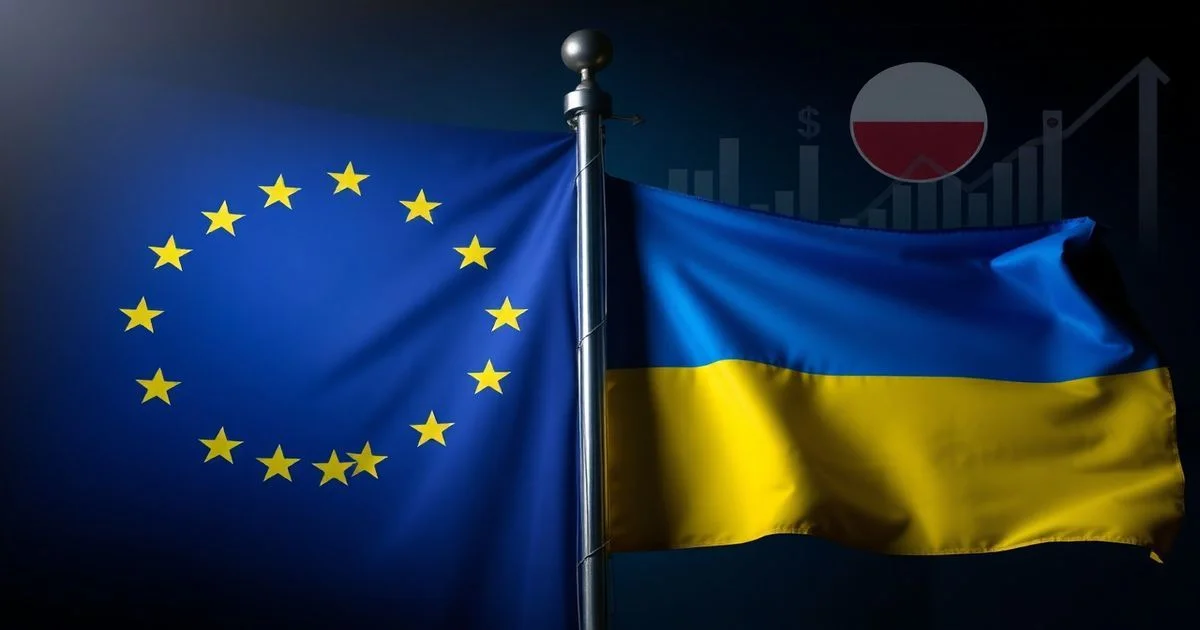
In a landmark move, the European Union has decisively acted to unlock €90B in Ukraine aid and impose new sanctions on Russia amid the ongoing conflict, signaling a robust commitment to Kyiv's sovereignty and a firm rebuke of Russian aggression. This significant financial package, coupled with new rounds of punitive measures, aims to support Ukraine's immediate needs and long-term recovery, while further crippling Russia's ability to finance its war machine. This decision marks a pivotal moment, shaping the future trajectory of geopolitical dynamics in Eastern Europe and beyond.
- A Decisive Stance: Understanding the EU's Latest Move
- The Urgency of Ukraine's Needs
- Ramifications for Russia's Economy and War Machine
- Global Perspectives and International Solidarity
- Expert Analysis: The Road Ahead
- Conclusion: EU Unlocks €90B Ukraine Aid, Sanctions Russia – A Defining Moment
- Frequently Asked Questions
- Further Reading & Resources
A Decisive Stance: Understanding the EU's Latest Move
The recent announcement from the European Union represents a critical escalation of its support for Ukraine and its strategy to isolate Russia. This multi-faceted approach combines substantial financial assistance with targeted economic sanctions, reflecting a unified front among member states despite diverse national interests, reinforcing the EU's evolving foreign policy stance. The scale of the aid package and the breadth of the sanctions underscore the EU's determination to influence the conflict's outcome and uphold international law.
The Genesis of the Aid Package
The €90 billion aid package is the largest single commitment from the EU to Ukraine since the full-scale invasion began, building upon previous substantial assistance efforts. This funding is designed to address a wide array of Ukraine's urgent requirements, from maintaining essential public services and stabilizing its macro-economic situation to initiating crucial reconstruction projects in areas liberated from occupation. The genesis of this package lies in the recognition that Ukraine's long-term viability and ability to defend itself are intrinsically linked to its economic stability and societal resilience. Previous aid focused heavily on immediate military and humanitarian needs, but this new allocation broadens the scope to encompass fundamental state functions and the groundwork for future prosperity. The financing mechanisms for this aid are complex, often involving a combination of grants, loans, and guarantees from EU member states and the EU budget itself, structured to ensure transparent and accountable use of funds.
Expanding Sanctions Against Russia
Complementing the financial aid, the EU has also rolled out its most recent wave of sanctions against Russia. These measures are meticulously crafted to target specific sectors of the Russian economy, key individuals, and entities deemed instrumental in perpetuating the conflict. This marks another chapter in analyzing the effectiveness of economic sanctions as a tool of foreign policy. The new sanctions aim to tighten the noose on Russia's access to critical technologies, restrict its financial dealings on international markets, and further diminish its revenue streams, particularly from energy exports. Previous rounds of sanctions have already impacted Russia significantly, leading to inflation, capital flight, and difficulties in accessing Western components for its industrial and military sectors. This latest tranche of sanctions seeks to close loopholes, expand the list of sanctioned individuals and organizations, and intensify the pressure on Moscow to halt its aggression and withdraw its forces from Ukrainian territory. The cumulative effect of these sanctions is intended to degrade Russia's military industrial complex and severely constrain its capacity to sustain a prolonged conflict.
The Urgency of Ukraine's Needs
Ukraine continues to face unprecedented challenges, with its infrastructure, economy, and social fabric severely strained by the ongoing conflict. The urgency of assistance cannot be overstated, as the country navigates daily threats while simultaneously attempting to govern and maintain a semblance of normalcy for its citizens. The EU's substantial aid package arrives at a critical juncture, offering a lifeline that extends beyond immediate survival to address the foundations of future stability and growth.
Rebuilding and Resilience
A significant portion of the €90 billion aid is earmarked for rebuilding and fostering resilience within Ukraine. This includes support for repairing vital infrastructure such as power grids, transportation networks, and residential buildings that have been extensively damaged by sustained hostilities. Beyond physical reconstruction, the funds will also contribute to maintaining essential public services, ensuring that schools, hospitals, and social welfare programs can continue to operate despite the wartime conditions. This is a crucial step towards Ukraine's long-term economic recovery. Furthermore, the aid is crucial for stabilizing Ukraine's economy, which has been severely disrupted by the conflict. This involves providing budgetary support to help the government meet its financial obligations, manage inflation, and create an environment conducive to eventual economic recovery and growth. The long-term vision behind this aspect of the aid is to help Ukraine not just survive, but to emerge from the conflict stronger and more capable of self-governance and economic independence.
Military and Defensive Capabilities
While the aid package is primarily financial and economic, it indirectly plays a crucial role in bolstering Ukraine's military and defensive capabilities. A stable economy and functioning state are prerequisites for a sustained defense effort. By providing budgetary support and facilitating reconstruction, the EU enables Ukraine to allocate its own resources more effectively towards its military needs, without having to divert funds from critical civilian sectors. Additionally, the broader European commitment to Ukraine's security, often discussed alongside financial aid, includes ongoing provisions of military equipment, training, and intelligence sharing from individual EU member states. This comprehensive approach ensures that Ukraine receives support on multiple fronts, strengthening its capacity to resist aggression and protect its territorial integrity. The sustained flow of support demonstrates a clear understanding that military victory and economic viability are interdependent in the current conflict.
Ramifications for Russia's Economy and War Machine
The decision by the EU to unlock substantial Ukraine aid and implement further sanctions has significant and far-reaching ramifications for Russia, directly impacting its economy and its ability to sustain military operations. These measures are designed to increase the cost of the conflict for Moscow, degrade its economic stability, and limit its access to the resources necessary for its war machine. The cumulative effect of these actions aims to diminish Russia's strategic capabilities and compel a reconsideration of its aggressive policies.
Economic Isolation and Strain
The expanded sanctions framework targets crucial segments of Russia's economy, further entrenching its economic isolation. Industries reliant on Western technology and financing, such as energy, finance, and high-tech manufacturing, are expected to face renewed pressure. Restrictions on access to international financial markets make it harder for Russian entities to raise capital and conduct transactions, thereby limiting their liquidity and investment capabilities. Measures impacting energy exports, while carefully calibrated to avoid excessive disruption to global markets, are designed to reduce Russia's primary source of revenue. The ongoing challenge for Russia lies in circumventing these sanctions, often through parallel markets or illicit trade, but the scale and coordination of EU measures make such efforts increasingly difficult and costly. The long-term strain on Russia's economy includes brain drain, reduced foreign investment, and a decline in living standards for its citizens, all of which contribute to internal pressure.
Geopolitical Repercussions
Beyond the immediate economic impact, the EU's actions carry significant geopolitical repercussions for Russia. The intensified sanctions and unwavering support for Ukraine underscore a deepening rift between Russia and a united Western bloc. This further isolates Russia on the international stage, making it harder for Moscow to forge new alliances or maintain existing partnerships, particularly with nations that are sensitive to Western economic leverage. The move also sends a strong message to other potential aggressors that violating international norms comes with severe economic and diplomatic consequences. Russia's response is likely to involve further rhetoric against Western "hostility" and attempts to strengthen ties with non-aligned nations. However, the coordinated nature of the EU's stance limits Russia's diplomatic maneuvering room and reinforces the narrative of Russia as an international pariah. This sustained pressure aims to erode Russia's influence and ultimately force a reassessment of its foreign policy objectives.
Global Perspectives and International Solidarity
The EU's recent actions, particularly the substantial aid package and intensified sanctions, resonate deeply within the international community, influencing global perspectives on the conflict and shaping the broader landscape of international solidarity. The decisions are not made in a vacuum but are part of a complex web of diplomatic efforts, alliances, and varying national interests worldwide.
Allied Unity and Divergence
The EU's comprehensive approach generally aligns with the strategies pursued by other major international partners, most notably the United States and the G7 nations. There is a broad consensus among these allies regarding the need to support Ukraine and sanction Russia, driven by shared values of democracy, sovereignty, and the rule of law. The coordinated efforts in areas such as financial aid, military assistance, and economic pressure demonstrate a remarkable degree of unity. However, nuances and occasional divergences exist. Different nations may prioritize certain types of aid or sanctions based on their economic dependencies, geopolitical considerations, or domestic political landscapes. For instance, some countries may have greater capacities for military aid, while others focus more on humanitarian assistance or technological support. Despite these variations, the overall message of sustained international pressure and solidarity remains robust, reinforcing the effectiveness of collective action against aggression. This unified stance is crucial for maintaining the credibility of the international order and deterring similar future conflicts.
The Role of Diplomacy
The EU's dual strategy of aid and sanctions is not merely punitive but also serves as a powerful tool in broader diplomatic efforts. By strengthening Ukraine's position and weakening Russia's, these measures aim to create conditions more conducive to a peaceful resolution, rather than merely perpetuating the conflict. The implicit message to Moscow is that continued aggression will lead to increasing economic hardship and international isolation, making a negotiated settlement a more appealing alternative. Concurrently, the aid provides Ukraine with greater leverage at any potential negotiating table, ensuring that it can engage from a position of relative strength rather than desperation. Diplomacy, therefore, is not superseded by these economic and military instruments but is rather amplified and given new impetus. International bodies like the United Nations, alongside bilateral diplomatic channels, remain essential forums for seeking de-escalation, prisoner exchanges, and ultimately, a lasting peace, with the EU's actions serving as a strong foundation for these discussions.
Expert Analysis: The Road Ahead
The European Union's latest move has sparked considerable debate among geopolitical analysts and economists regarding its immediate efficacy and long-term implications. Experts largely agree that this robust response signals a deepened commitment, yet they also point to significant challenges and potential unforeseen consequences on the road ahead. Understanding these expert perspectives is crucial for appreciating the complexities of the current geopolitical landscape.
Strategic Implications
Geopolitical strategists view the €90 billion aid package and expanded sanctions as a significant reinforcement of the EU's strategic autonomy and its resolve to project influence on the global stage. Many analysts, such as Dr. Anya Sharma from the Global Policy Institute, suggest that "this level of sustained financial and punitive action sends an unambiguous signal to Moscow that the costs of its aggression will only continue to mount, making a protracted conflict increasingly unsustainable for the Kremlin." However, some experts caution that while effective, these measures might also provoke Russia into further unpredictable actions, potentially leading to escalation in non-military domains such as cyber warfare or energy supply disruptions. Dr. Marco Rossi, an expert on Eastern European security at the Institute for International Relations, notes, "While robust, the EU must remain vigilant against potential retaliatory measures from Russia, which could seek to destabilize European unity through unconventional means." The strategic calculus thus involves not only pressuring Russia but also anticipating and mitigating potential counter-responses.
Long-Term Commitments
The sheer scale of the €90 billion aid package underscores the EU's long-term commitment to Ukraine's recovery and integration, a commitment that extends far beyond the immediate cessation of hostilities. This long-term vision encompasses not just physical reconstruction but also institutional reforms, economic modernization, and closer alignment with European standards. Implementing such a massive aid program, however, presents substantial challenges. Ensuring transparency, preventing corruption, and coordinating efforts among numerous international stakeholders will be paramount. Experts emphasize the need for robust oversight mechanisms to ensure funds are used effectively and efficiently. "The success of this aid will hinge on strong governance within Ukraine and unwavering commitment from the EU to oversee its deployment," states Dr. Lena Petrova, a development economist specializing in post-conflict reconstruction. "It's not just about the money, but how it's managed to build sustainable institutions." The enforcement of sanctions against Russia also requires continuous vigilance, as Moscow consistently seeks ways to circumvent restrictions. The EU's ability to maintain a united front among its diverse member states, each with its own economic interests and political considerations, will be critical for the sustained effectiveness of both aid and sanctions in the years to come.
Conclusion: EU Unlocks €90B Ukraine Aid, Sanctions Russia – A Defining Moment
The European Union's recent decision to unlock a substantial €90 billion aid package for Ukraine and impose further sanctions on Russia marks a defining moment in the ongoing conflict. This comprehensive approach, characterized by unwavering support for Kyiv and intensified pressure on Moscow, underscores the EU's commitment to international law and the sovereignty of nations. By providing critical financial lifelines and tightening the economic noose on Russia, the EU aims to bolster Ukraine's resilience while degrading Russia's capacity to wage war.
This dual strategy not only addresses Ukraine's immediate needs for economic stability and reconstruction but also reinforces its long-term viability as a sovereign nation. For Russia, the sustained and escalating sanctions deepen its economic isolation and strain its resources, increasing the costs of its aggression on the global stage. As the EU Unlocks €90B Ukraine Aid, Sanctions Russia, it sends a powerful message of unity and resolve, shaping the geopolitical landscape and signaling a clear path towards accountability and recovery. The path ahead remains challenging, but this decisive action reinforces the collective determination to achieve a just and lasting peace.
Frequently Asked Questions
Q: What is the significance of the €90B aid package?
A: The €90 billion aid package is the largest single commitment from the EU to Ukraine, addressing a wide array of urgent needs. It aims to support everything from maintaining essential public services and stabilizing Ukraine's macro-economic situation to initiating crucial reconstruction projects and fostering long-term recovery.
Q: How do the new EU sanctions impact Russia?
A: The expanded sanctions are meticulously crafted to target specific sectors of the Russian economy, key individuals, and entities instrumental in perpetuating the conflict. They aim to tighten the noose on Russia's access to critical technologies, restrict its financial dealings on international markets, and further diminish its revenue streams, increasing the cost of the war.
Q: What are the long-term goals of the EU's support for Ukraine?
A: The EU's long-term commitment extends beyond immediate aid, encompassing Ukraine's physical reconstruction, institutional reforms, and economic modernization. The goal is to help Ukraine emerge stronger, more capable of self-governance, economically independent, and aligned with European standards for sustainable recovery and eventual integration.