India Votes: West Bengal Election & Voter Purge Debate Intensifies
The democratic exercise of India Votes: West Bengal Election & Voter Purge Debate continues to be a focal point of national political discourse, especially concerning the integrity and accuracy of electoral rolls. Recent discussions have brought to the forefront the contentious issue of voter purges, with various political parties and civil society groups raising concerns about the potential disenfranchisement of eligible citizens. This critical examination of the voter list maintenance process in West Bengal highlights the ongoing tension between ensuring clean elections and safeguarding the fundamental right to vote, creating a compelling and often heated public discussion around electoral transparency and fairness.
Background to West Bengal Elections
West Bengal, a state with a rich political history and diverse demographics, holds a significant place in India's democratic fabric. Elections here are often fiercely contested, reflecting deep-rooted ideological battles and regional aspirations. Understanding the context of West Bengal elections is crucial to appreciating the current debate surrounding voter purges.
The Political Landscape
West Bengal has historically been a state with dynamic and often volatile political shifts. For decades, it was a bastion of left-wing politics, governed by the Communist Party of India (Marxist)-led Left Front. However, the political landscape underwent a significant transformation in 2011 with the rise of the Trinamool Congress (TMC), led by Mamata Banerjee, which ended the Left Front's 34-year rule. Since then, the TMC has consolidated its power, but it has faced increasing challenges from the Bharatiya Janata Party (BJP), particularly in recent national and state elections. This intense rivalry often translates into heightened scrutiny and accusations during electoral processes, including those related to voter list management.
The political discourse in West Bengal is characterized by strong regional identity, cultural nuances, and often, passionate political mobilization. This charged environment means that any administrative action related to elections, such as voter list revisions, is viewed through a highly politicized lens. The stakes are consistently high, making transparency and perceived fairness paramount for all stakeholders.
Historical Significance of Electoral Rolls
The integrity of electoral rolls has always been a cornerstone of free and fair elections globally, and India is no exception. In West Bengal, the meticulous maintenance of these lists is particularly vital given the state's large population and complex demographic distribution. Historical records indicate that voter list issues, including allegations of duplicate entries, names of deceased voters, or the arbitrary deletion of eligible voters, have surfaced in various Indian elections over the years. These concerns are not unique to West Bengal but often gain prominence due to the state's highly competitive political environment.
The Election Commission of India (ECI) is constitutionally mandated to prepare and revise electoral rolls. This process involves several steps, including enumeration, inviting claims and objections, and final publication. However, the sheer scale of the Indian electorate and the continuous demographic changes present significant logistical challenges. The debate around voter purges often stems from the practical difficulties of maintaining accurate lists while simultaneously ensuring that no legitimate voter is excluded.
The "Voter Purge" Debate Unfolds
The term "voter purge" typically refers to the systematic removal of names from electoral rolls, usually aimed at eliminating duplicate entries, deceased voters, or individuals who have moved. While necessary for maintaining accurate lists, the process can become highly controversial if perceived as politically motivated or error-prone. In West Bengal, this debate has intensified, drawing attention to the mechanisms and implications of such deletions.
Allegations and Concerns
Numerous allegations have been leveled by opposition parties and civil society groups regarding the process of voter deletions in West Bengal. Critics often claim that the removal of voters is not always transparent or based on robust verification, leading to the arbitrary disenfranchisement of certain segments of the population. Specific concerns include:
- Lack of Adequate Notification: Voters whose names are proposed for deletion might not receive proper notice, preventing them from exercising their right to object or provide necessary documentation. This can be particularly problematic for marginalized communities or those with lower literacy rates, who may be less aware of the procedures.
- Errors in Verification: Opposition parties frequently argue that the ground-level verification process by election officials is flawed or insufficient. They suggest that names are sometimes deleted based on superficial checks rather than thorough investigations, leading to the removal of legitimate voters.
- Political Bias: Perhaps the most contentious allegation is that voter purges are sometimes politically motivated, targeting voters perceived to be supporters of rival parties. While difficult to prove definitively, such accusations erode public trust in the electoral process and fuel intense political rhetoric.
- Disproportionate Impact: Concerns have also been raised that certain communities or demographics might be disproportionately affected by these purges, inadvertently or otherwise. This can exacerbate existing social inequalities and raise questions about the fairness of the democratic exercise.
These concerns underscore the delicate balance the ECI must strike between cleaning up electoral rolls and protecting every eligible citizen's right to vote. The allegations often lead to legal challenges and public protests, further intensifying the debate.
Official Standpoint
The Election Commission of India (ECI) and state election authorities consistently defend the voter list revision process as a constitutional mandate aimed at ensuring accuracy and preventing electoral fraud. Their official stance emphasizes the necessity of removing ineligible entries to uphold the principle of "one person, one vote". Key points from the ECI's perspective include:
- Statutory Process: The ECI asserts that the revision of electoral rolls is carried out strictly in accordance with the Representation of the People Act, 1950, and its subsequent rules. This involves a multi-stage process of enumeration, public display of draft rolls, invitation for claims and objections, and a detailed verification process.
- Elimination of Duplicates and Deceased Voters: A primary objective of the purge is to remove duplicate entries (voters registered in multiple locations) and names of deceased individuals. These removals are essential to prevent fraudulent voting and ensure that the electoral roll reflects the current reality.
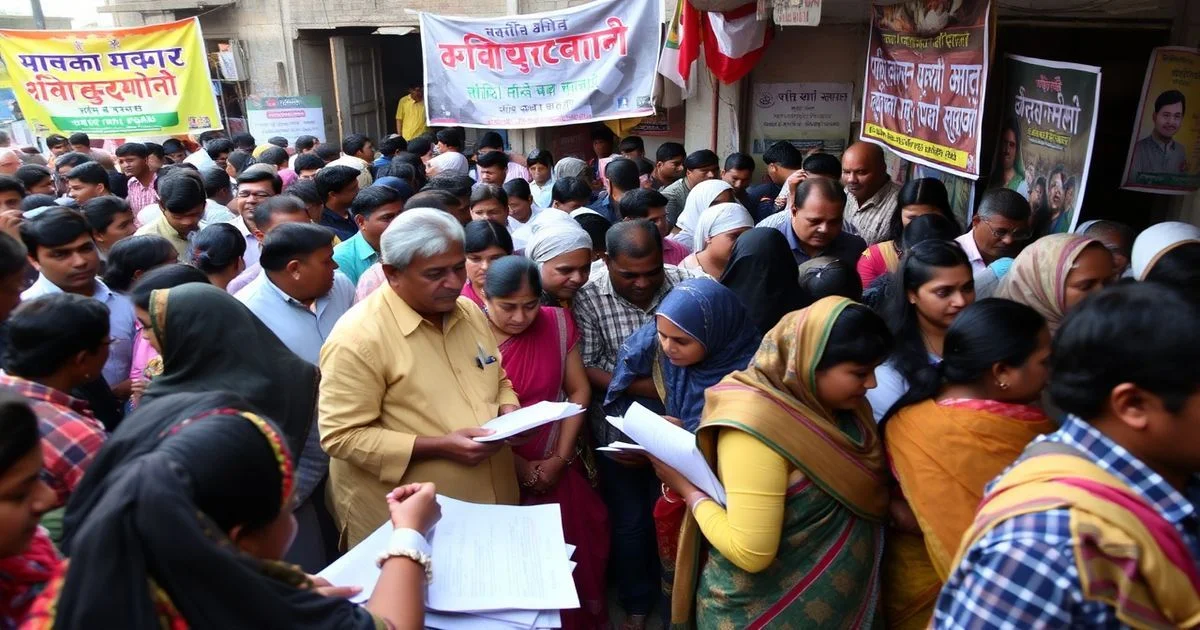
- Transparency and Public Participation: The ECI maintains that the process is transparent, with draft rolls being made publicly available for scrutiny. Citizens are encouraged to file claims for inclusion or objections against existing entries. Special camps and awareness campaigns are often organized to facilitate public participation.
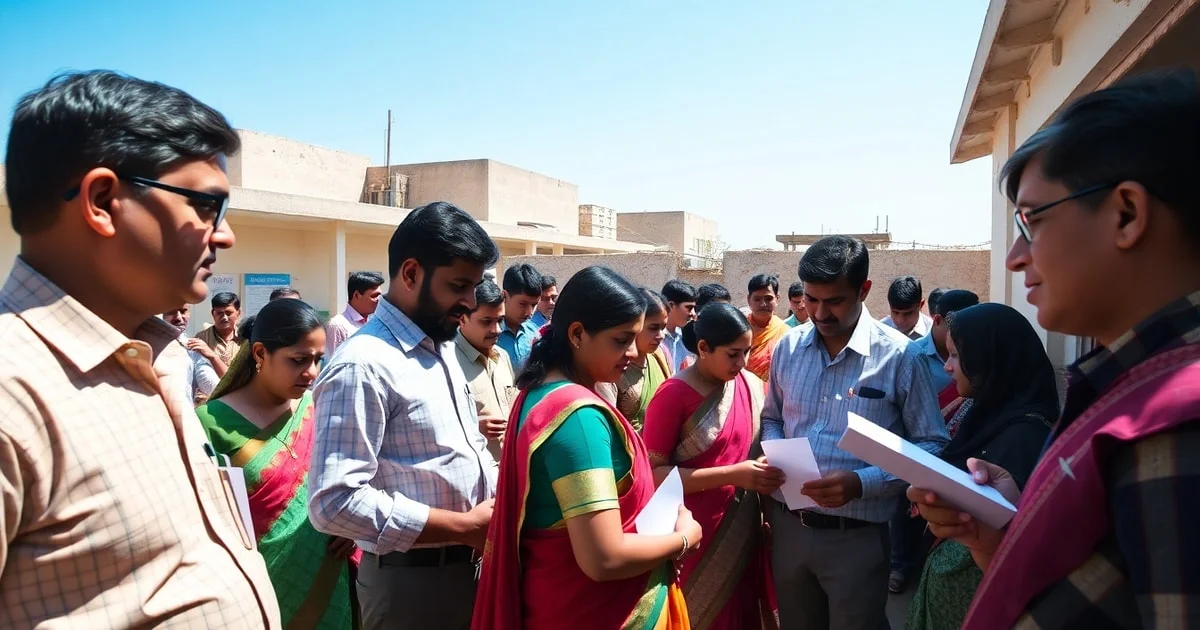
- Verification Mechanisms: Electoral Registration Officers (EROs) and their assistants conduct house-to-house surveys and utilize various data sources, including death registers and demographic information, to identify ineligible voters. The ECI often employs technological solutions to identify potential duplicate entries across different constituencies or even states.
The ECI's challenge lies in effectively communicating the integrity of its processes and addressing public concerns, especially when political rhetoric escalates.
Legal and Constitutional Aspects
The legal framework governing voter registration and deletion in India is robust, rooted in the Constitution and specific electoral laws.
- Article 326 of the Constitution: This article guarantees universal adult franchise, stating that every citizen who is not less than 18 years of age and is not otherwise disqualified, shall be entitled to be registered as a voter.
- Representation of the People Act, 1950: This Act details the preparation and revision of electoral rolls. Sections 17, 18, and 21 specify conditions for registration, disqualification, and the continuous revision of electoral rolls. Section 22 and 23 deal with the correction of entries and inclusion of names, while Section 27 outlines the procedure for the deletion of names.
- Supreme Court Rulings: Various Supreme Court judgments have reinforced the ECI's powers and duties in maintaining accurate electoral rolls, while also emphasizing the fundamental right to vote. These rulings often guide the ECI in implementing its policies and addressing disputes.
The legal provisions aim to provide a clear pathway for both inclusion and deletion, with safeguards for citizens to object to arbitrary decisions. However, the practical implementation and the sheer scale of the electorate can sometimes lead to perceived discrepancies, fueling the debate.
Implications for India Votes: West Bengal Election & Voter Purge Debate
The ongoing "voter purge" debate carries significant implications for the conduct and outcome of elections in West Bengal, impacting voters, political parties, and the broader democratic process.
Impact on Voters
For individual citizens, the most immediate and profound impact of a voter purge debate is the potential loss of their right to vote. If an eligible voter's name is erroneously deleted, they are disenfranchised, regardless of their intent to participate. This can lead to:
- Frustration and Disillusionment: Voters who find their names missing from the rolls on election day can feel cheated and lose faith in the electoral system. This can reduce voter turnout in future elections.
- Administrative Hassles: Even if a deleted voter is eventually able to re-register, the process involves time, effort, and often navigating bureaucratic hurdles. This can be particularly challenging for elderly, disabled, or economically disadvantaged individuals.
- Erosion of Trust: Widespread concerns about arbitrary deletions can erode public trust in the neutrality and fairness of the Election Commission, a crucial institution for Indian democracy.
The perception of a flawed process can deter eligible voters from even checking their names, leading to a silent disenfranchisement that might go unnoticed until election day.
Political Ramifications
The debate has significant political ramifications, particularly in a closely contested state like West Bengal.
- Allegations and Counter-Allegations: Political parties frequently use voter list issues as a tool for political mobilization, accusing rivals of attempting to manipulate the electoral process. This can intensify political polarization and mistrust.
- Legal Challenges: Disputed deletions often lead to petitions and legal challenges in courts, diverting resources and attention from other electoral preparations.
- Campaign Strategy: Parties adapt their campaign strategies to include voter verification drives, encouraging their supporters to check their names and register. This adds another layer of complexity to election management.
- Influence on Election Outcomes: In constituencies with thin margins, even a small number of erroneous deletions or inclusions can potentially swing the election outcome, making the integrity of the voter list a high-stakes issue.
The political rhetoric surrounding voter purges underscores the high stakes involved and the imperative for the ECI to maintain an unimpeachable reputation for impartiality.
Role of Election Commission
The Election Commission of India plays a pivotal role in mediating this debate and ensuring the credibility of the electoral process. Its responsibilities include:
- Maintaining an Accurate Electoral Roll: This is the ECI's primary statutory duty, balancing the need for accuracy with the protection of voting rights.
- Adjudicating Disputes: The ECI is often the first point of contact for complaints regarding voter list discrepancies. It has the power to investigate and rectify errors.
- Ensuring Transparency: The ECI is tasked with making the revision process transparent, accessible, and easily understandable to the public.
- Educating Voters: Through various campaigns, the ECI strives to educate citizens about checking their voter status and the procedures for claims and objections.
The ECI's ability to demonstrate impartiality and implement a robust, error-free revision process is crucial for upholding the democratic principles that underpin India Votes: West Bengal Election & Voter Purge Debate.
Expert Opinions and Perspectives
The "voter purge" debate attracts diverse opinions from electoral reforms advocates, legal experts, and political analysts, each offering valuable insights into the complexities of voter list management in India.
Electoral Reforms Advocates
Advocates for electoral reforms consistently highlight the need for greater transparency, accountability, and a more robust verification process in voter list revisions. They often propose several measures to mitigate the risks associated with purges:
- Proactive Public Awareness: Campaigns that go beyond basic notifications, actively reaching out to vulnerable populations to ensure they are aware of the revision process and how to check their status.
- Standardized Verification Protocols: Implementing clear, uniform, and stringent verification protocols across all constituencies to minimize arbitrary deletions and ensure fairness. This could involve multi-point verification methods that do not solely rely on single-source data.
- Independent Oversight: Suggesting the need for independent observers or civil society participation in the voter list revision process to enhance credibility and provide an additional layer of scrutiny.
- Ease of Re-registration: Streamlining the process for legitimate voters whose names have been erroneously deleted to re-register, perhaps through fast-track mechanisms or dedicated helpdesks.
These advocates argue that while cleansing the electoral rolls is essential, it must never come at the cost of disenfranchising eligible citizens, as this undermines the very foundation of democracy.
Political Analysts
Political analysts often view the voter purge debate through the lens of electoral strategy and political power dynamics. They observe that:
- Strategic Allegations: Allegations of voter purges often become a political weapon, used by opposition parties to discredit the ruling party or the election machinery, especially in closely contested elections.
- Importance of Groundwork: Parties with strong grassroots networks are better positioned to mobilize their supporters to check voter lists and ensure their inclusion, often turning voter registration into a key part of their election strategy.
- Impact on Voter Demographics: Analysts study how purges might disproportionately affect specific demographic groups (e.g., migrant workers, urban poor, specific religious or caste groups) and how this could alter the electoral calculus in certain constituencies.
- Role of Technology: While technology offers solutions for identifying duplicates, analysts also point out that reliance on technology without adequate human oversight and robust grievance redressal mechanisms can exacerbate errors. The potential for algorithmic bias in large-scale data processing is a concern.
Analysts often conclude that the debate, while seemingly administrative, is deeply intertwined with the political contest itself, reflecting the intense competition for power in Indian democracy.
Looking Ahead: Ensuring Fair and Free Elections
The challenges posed by the "voter purge" debate in West Bengal are representative of broader issues faced by electoral bodies in large democracies. Ensuring fair and free elections in the future requires continuous vigilance, adaptation, and collaboration among all stakeholders.
Lessons Learned
Several key lessons emerge from the ongoing discussion:
- Robust Verification is Paramount: The process of adding or deleting voters must be exceptionally robust, transparent, and verifiable to withstand scrutiny and maintain public trust.
- Communication and Awareness: Effective communication strategies are vital to inform the public about the revision process, their rights, and the steps to take if they encounter issues.
- Grievance Redressal: Accessible and efficient grievance redressal mechanisms are crucial to address individual complaints quickly and prevent systemic issues from escalating.
- Political Will: The success of electoral roll maintenance ultimately depends on the political will of all parties to support fair processes and refrain from politicizing administrative actions without substantive evidence.
These lessons highlight that electoral integrity is a shared responsibility, requiring active participation from citizens, political parties, and the election machinery.
Path Forward
Moving ahead, the Election Commission of India, in collaboration with state election authorities and political parties, can consider several measures to further strengthen the integrity of electoral rolls in West Bengal and across India:
- Enhanced Public Outreach Programs: Beyond statutory notifications, launching targeted campaigns, especially in vulnerable areas, to ensure every eligible citizen is aware of how to verify their voter status.
- Digital Integration with Human Oversight: Leveraging technology for identifying potential duplicates and errors, but always complementing it with robust, human-led field verification processes and clear audit trails.
- Continuous Updates: Implementing more frequent and continuous updates of electoral rolls rather than relying solely on periodic mass revisions, which can lead to a surge in errors and grievances. This would involve better integration with civil registration systems (births and deaths data) to update the rolls proactively.
- Multi-Stakeholder Consultations: Regularly engaging with political parties, civil society organizations, and electoral experts in consultations before and during the revision process to build consensus and address concerns proactively.
- Training and Capacity Building: Investing in better training and resources for booth-level officers (BLOs) and other election officials who are at the frontline of voter verification, ensuring they are equipped to handle complex cases impartially and accurately.
By focusing on these areas, the election machinery can reinforce public confidence and ensure that the democratic exercise remains accessible and equitable for all citizens.
Conclusion
The debate surrounding voter purges in the context of India Votes: West Bengal Election & Voter Purge Debate underscores a fundamental tension in any democracy: the need to maintain accurate and clean electoral rolls while simultaneously protecting the universal right to vote. While the Election Commission of India is committed to ensuring the integrity of the electoral process by removing ineligible voters, concerns about transparency, potential errors, and political motivations continue to fuel public discourse. The path forward requires a concerted effort from all stakeholders—the ECI, political parties, and citizens—to enhance transparency, strengthen verification mechanisms, improve communication, and ensure that every eligible voice is heard. Only through such collective commitment can the democratic ideal of free and fair elections truly be upheld in West Bengal and across India.
Frequently Asked Questions
Q: What is a "voter purge" in the context of West Bengal elections?
A: A voter purge refers to the systematic removal of names from electoral rolls, typically to eliminate duplicate entries, deceased voters, or those who have moved. In West Bengal, this process has become contentious, with allegations of politically motivated or erroneous deletions.
Q: Why is the voter purge debate significant for West Bengal's democratic process?
A: The debate is crucial because it raises questions about electoral integrity and potential disenfranchisement. Allegations of arbitrary removals can erode public trust and impact election outcomes, especially in closely contested states.
Q: How does the Election Commission of India (ECI) address concerns about voter purges?
A: The ECI maintains that purges follow statutory processes for accuracy and fraud prevention. It emphasizes transparency, public participation through claims and objections, and utilizes verification mechanisms to ensure legitimate voters are not excluded.