Trump Orders 'Shoot and Kill' Amid Hormuz Crisis: A Look Back
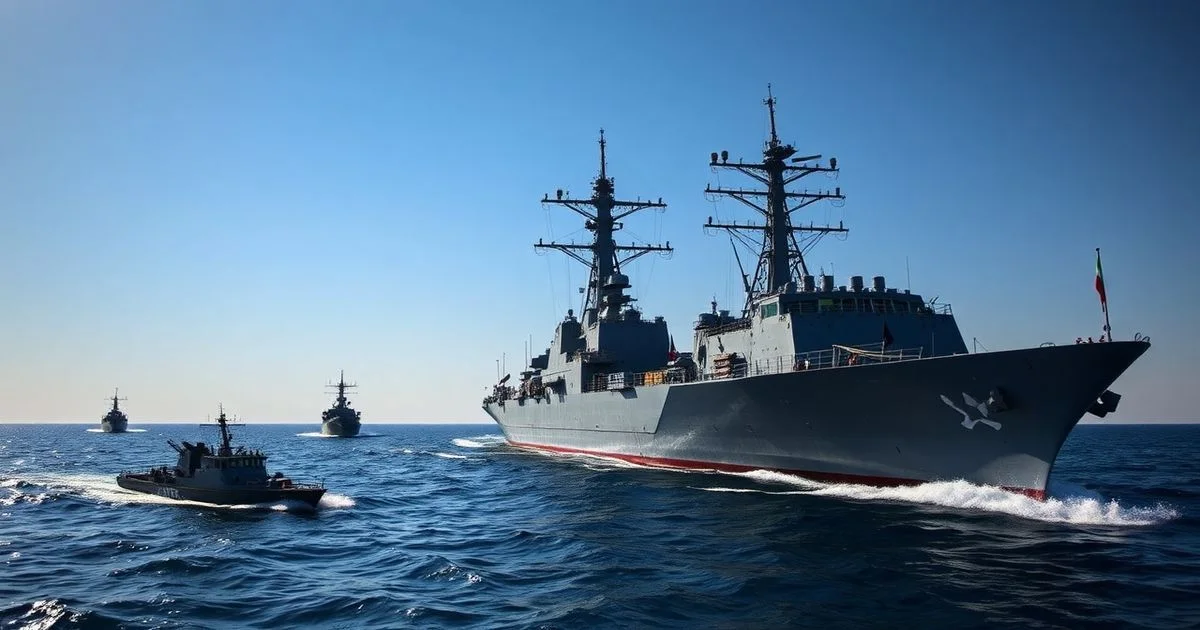
In April 2020, amidst heightened tensions in the Persian Gulf, then-President Donald Trump issued a startling directive that quickly became global news: Trump Orders 'Shoot and Kill' Amid Hormuz Crisis. This command, delivered via social media, dramatically underscored the volatile security situation in one of the world's most critical maritime chokepoints, following reports of aggressive maneuvers by Iranian Revolutionary Guard Corps (IRGC) boats against U.S. Navy vessels. The incident sparked intense international debate regarding rules of engagement, de-escalation strategies, and the broader geopolitical stability of the Middle East, highlighting the precarious nature of military interactions in contested waters.
Background to the Hormuz Crisis
The Strait of Hormuz, a narrow waterway connecting the Persian Gulf to the open ocean, is an indispensable conduit for global oil shipments. Approximately one-fifth of the world's oil supply, alongside significant volumes of liquefied natural gas, transits through this strategic passage daily. Its geographical importance makes it a perennial flashpoint for geopolitical rivalries, particularly between the United States and Iran. Both nations maintain significant naval presences in the region, often leading to tense encounters.
Historical Tensions
The relationship between the U.S. and Iran has been fraught with hostility for decades, punctuated by periods of direct confrontation and proxy conflicts. Following the 2018 U.S. withdrawal from the Joint Comprehensive Plan of Action (JCPOA), commonly known as the Iran nuclear deal, and the subsequent re-imposition of crippling economic sanctions, bilateral tensions escalated sharply. This period saw a series of incidents, including attacks on oil tankers in the Gulf, drone downings, and the assassination of Iranian General Qasem Soleimani, all contributing to a dangerously combustible atmosphere. The U.S. had also designated Iran's Islamic Revolutionary Guard Corps (IRGC) as a foreign terrorist organization, further exacerbating an already strained relationship.
Recent Provocations
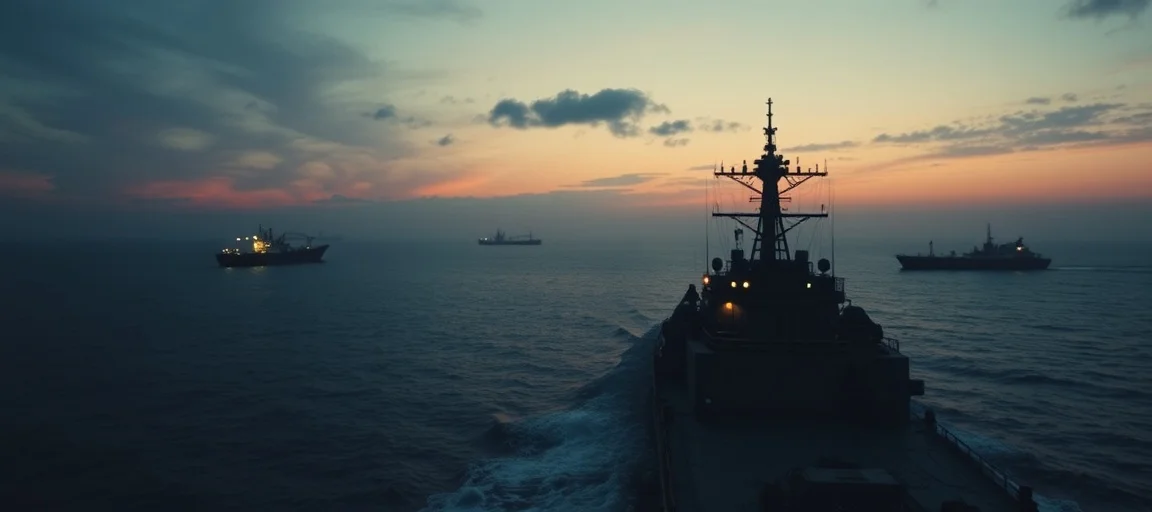
The specific catalyst for President Trump's 2020 order stemmed from a series of encounters in mid-April where eleven IRGC Navy (IRGCN) vessels reportedly conducted "dangerous and harassing" approaches against U.S. Navy and Coast Guard ships in international waters of the Persian Gulf. According to U.S. Central Command, these Iranian vessels repeatedly crossed the bows and sterns of U.S. ships at close range and high speeds, coming within meters of collision in some instances. One particular incident involved the U.S. Navy expeditionary mobile base ship USS Lewis B. Puller, the destroyer USS Paul Hamilton, and the Coast Guard cutter USCGC Maui, where Iranian boats allegedly came within 10 yards. Such actions were deemed unprofessional and risked miscalculation, prompting a strong reaction from Washington.
Trump Orders 'Shoot and Kill' Amid Hormuz Crisis
Former President Trump's response to the reported Iranian provocations was swift and unequivocal, delivered in his characteristic style via a tweet on April 22, 2020. The directive significantly altered the public perception of the U.S. stance in the region.
The President's Statement
In his tweet, President Trump stated, "I have instructed the United States Navy to shoot down and destroy any and all Iranian gunboats if they harass our ships at sea." This public declaration was interpreted by many as an explicit and aggressive shift in the U.S. rules of engagement in the Persian Gulf. While military officials often emphasize the inherent right to self-defense, a presidential tweet explicitly calling for lethal action against "harassing" vessels marked a departure from typical diplomatic language and implied a lower threshold for defensive force. The statement aimed to send a clear message of deterrence to Iran, emphasizing that any perceived threat to U.S. personnel or assets would be met with overwhelming force.
Rules of Engagement
The President's directive raised questions about its practical implementation within established military protocols. U.S. Navy commanders already operate under Standing Rules of Engagement (SROE) which permit self-defense in response to hostile acts or demonstrated hostile intent. These rules dictate a graduated response, often beginning with warnings, maneuvers, and non-lethal deterrents before resorting to deadly force. Following Trump's tweet, Pentagon officials clarified that the new directive essentially affirmed the Navy's existing right to self-defense. Then-Defense Secretary Mark Esper indicated that the tweet "reiterated what our inherent right to self-defense is." However, the public nature and forceful language of the President's order arguably served to empower commanders on the ground and underscore the administration's resolve to counter Iranian aggression more forcefully. It highlighted a readiness to escalate if U.S. forces felt directly threatened, potentially reducing ambiguity for Iranian commanders.
International Reactions and Diplomacy
The "shoot and kill" order resonated globally, eliciting varied reactions from allies, adversaries, and international bodies concerned with maritime security and de-escalation.
Allies' Concerns
While U.S. allies generally acknowledge the right of self-defense for naval vessels, many expressed concern over the potentially escalatory nature of the President's public directive. European nations, in particular, which had been actively working to de-escalate tensions in the Gulf following the 2019 attacks on tankers, voiced worries that such a strong statement could inadvertently trigger a miscalculation or unintended conflict. Maintaining freedom of navigation in the Strait of Hormuz is a shared international interest, but the approach to ensuring that freedom often varies, with some advocating for more measured diplomatic responses. Allies typically prefer a coordinated international front to address maritime security challenges, emphasizing clear communication channels and agreed-upon protocols to avoid misunderstandings that could lead to open hostilities.
Iranian Response
Predictably, Iran condemned President Trump's order as provocative and illegal. Iranian officials asserted their right to defend their territorial waters and warned of a decisive response to any U.S. aggression. Major General Abdolrahim Mousavi, commander-in-chief of the Iranian Army, reportedly stated that the U.S. was "playing a dangerous game" and that Iran would not hesitate to defend its borders and interests. The IRGC, through its naval commander Rear Admiral Alireza Tangsiri, maintained that its forces were acting within their rights in their own waters and accused the U.S. of creating instability. Despite the rhetoric, the aggressive close-quarter interactions between Iranian and U.S. vessels in the Persian Gulf reportedly decreased in the immediate aftermath of Trump's statement, suggesting that the warning may have had a deterrent effect, at least in the short term. This reduction in direct harassment demonstrated a temporary shift in Iranian tactics, perhaps to avoid a direct, potentially devastating, confrontation.
Potential Escalation and Geopolitical Implications
The incident and the subsequent order highlighted the ever-present risk of escalation in the Persian Gulf, a region already grappling with complex geopolitical dynamics.
Economic Impact
The Strait of Hormuz's critical role in global energy markets means that any significant disruption there can send shockwaves through the world economy. Even the threat of conflict can cause oil prices to spike due to supply fears, impacting consumers and businesses globally. Insurers often raise premiums for shipping through high-risk areas, increasing the cost of goods. A prolonged closure or conflict in the Strait would have catastrophic economic consequences, affecting energy security for major importers in Asia and Europe and potentially triggering a global recession. The market reacts not only to actual events but also to the perceived risk of future events, making presidential rhetoric a significant factor in economic stability.
Regional Stability
The "shoot and kill" order also had implications for regional stability beyond the immediate U.S.-Iran dynamic. Other Gulf nations, many of whom are U.S. allies but share borders with Iran, found themselves in a precarious position. An escalation could easily draw them into a broader conflict, destabilizing the entire Middle East. The incident underscored the need for robust diplomatic channels and de-escalation mechanisms to prevent localized encounters from spiraling out of control. Regional actors are highly sensitive to any rhetoric or action that could disrupt trade routes or ignite military confrontations, understanding the devastating human and economic cost of such conflicts.
Expert Analysis and Future Outlook
Military strategists and foreign policy experts offered varied interpretations of President Trump's directive, assessing its effectiveness and long-term implications.
Military Perspective
From a military standpoint, some analysts suggested that the order clarified the U.S. position and provided greater latitude for commanders to act decisively in self-defense. This could be seen as a necessary deterrent against Iranian "grey zone" tactics, which aim to harass and provoke without crossing a clear threshold of war. However, others warned that such broad, public directives could also increase the risk of miscalculation, particularly if Iranian forces perceived the order as an invitation to engage. The delicate balance between deterrence and provocation is a constant challenge for naval operations in contested waters, where split-second decisions can have far-reaching consequences. Military doctrine generally favors calibrated responses over blanket orders to maintain tactical flexibility.
Diplomatic Pathways
Diplomatically, the incident underscored the lack of direct, high-level communication channels between the U.S. and Iran, which further complicates de-escalation efforts. Many experts advocated for renewed diplomatic engagement, perhaps through intermediaries, to establish clearer "red lines" and reduce the potential for accidental conflict. While the Trump administration's approach was characterized by "maximum pressure," the long-term goal of preventing open conflict necessitates some form of dialogue. The challenge remains in finding a pathway for both nations to address their security concerns without resorting to military action, especially in a region as strategically vital as the Strait of Hormuz. International diplomacy often focuses on creating frameworks for communication to prevent unintended escalation.
Conclusion
The 2020 directive where Trump Orders 'Shoot and Kill' Amid Hormuz Crisis stands as a stark reminder of the volatile nature of geopolitics in the Persian Gulf. While the immediate aftermath saw a reduction in direct harassment, the underlying tensions between the U.S. and Iran persist, with the Strait of Hormuz remaining a critical flashpoint. The incident highlighted the delicate balance between assertive deterrence and the imperative for de-escalation, demonstrating how presidential rhetoric can profoundly impact military operations and international relations. As the world continues to rely on the Strait for vital energy flows, understanding the dynamics of past crises remains crucial for navigating future challenges and ensuring maritime security in this indispensable waterway.
Frequently Asked Questions
Q: What led to President Trump's "shoot and kill" order?
A: The order was issued in response to reports of "dangerous and harassing" maneuvers by Iranian Revolutionary Guard Corps (IRGC) vessels against U.S. Navy and Coast Guard ships in the Persian Gulf in April 2020. These incidents involved Iranian boats approaching U.S. vessels at high speeds and close range, posing a collision risk and being deemed unprofessional.
Q: Did the order change the U.S. Navy's rules of engagement?
A: Pentagon officials clarified that the order largely affirmed the U.S. Navy's existing inherent right to self-defense under Standing Rules of Engagement (SROE). While the language was assertive and aimed to send a strong message of deterrence, it underscored the administration's resolve rather than introducing entirely new protocols or lowering the legal threshold for defensive force.
Q: What was the impact of the order on U.S.-Iran tensions?
A: The directive was condemned by Iran as provocative and illegal. However, aggressive close-quarter interactions between Iranian and U.S. vessels reportedly decreased in the immediate aftermath of Trump's statement, suggesting it may have had a deterrent effect, at least in the short term. It also highlighted the persistent risk of escalation in the critical Strait of Hormuz.
Further Reading & Resources
- US issues 'shoot-down' order against Iranian boats - BBC News
- US military slams Iranian boats for 'dangerous and harassing' tactics in the Persian Gulf - CNN
- Trump to Navy: 'Shoot down and destroy' Iranian gunboats that harass US ships - Fox News
- Trump says U.S. Navy should 'shoot down and destroy' Iranian gunboats - Reuters
- Factbox: Strait of Hormuz, global oil chokepoint - Reuters