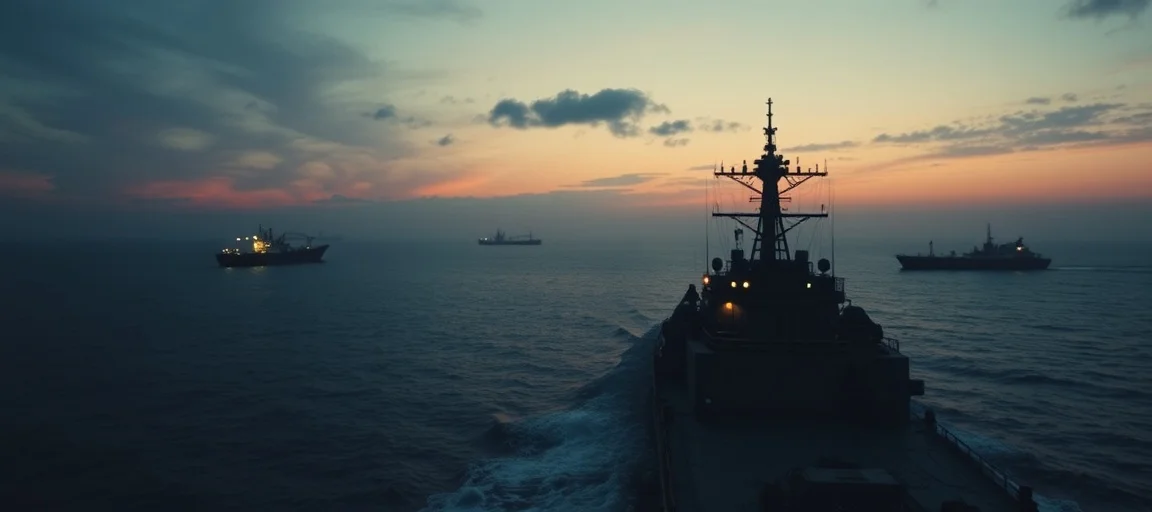
US-Iran Ceasefire in Doubt: Strait of Hormuz Tensions Escalate

The delicate US-Iran ceasefire in doubt: Strait of Hormuz tensions continue to escalate, threatening to unravel years of painstaking diplomatic efforts and plunging the vital global waterway into renewed uncertainty. This strategic choke point, through which a significant portion of the world's oil supply passes, has once again become a flashpoint, demanding urgent attention from international policymakers and sending ripples of concern through global markets. The ongoing friction underscores the fragility of regional stability and highlights the complex interplay of geopolitical interests, economic pressures, and historical grievances that define the relationship between Washington and Tehran. The implications of any miscalculation in this volatile region could be far-reaching, impacting everything from energy prices to broader international security.
- Historical Context of US-Iran Relations and the Strait of Hormuz
- Escalating Tensions in the Strait of Hormuz: US-Iran Ceasefire in Doubt
- International Diplomacy and Mediation Efforts
- Potential Scenarios and Future Outlook
- Conclusion: Navigating the Perilous Waters of the Strait of Hormuz
- Frequently Asked Questions
- Further Reading & Resources
Historical Context of US-Iran Relations and the Strait of Hormuz
The relationship between the United States and Iran has been characterized by decades of mistrust, strategic rivalry, and periods of open confrontation. Following the 1979 Iranian Revolution, which saw the overthrow of the U.S.-backed Shah, relations rapidly deteriorated, marked by events such as the Iran hostage crisis and later, concerns over Iran's nuclear program and its regional influence. The Strait of Hormuz has consistently featured as a critical element in this geopolitical chess game.
Historically, Iran has viewed the Strait of Hormuz as a cornerstone of its national security and a potential lever against perceived external threats. Its geographical position, commanding the northern shore of the narrow strait, provides Tehran with a unique strategic advantage. The presence of the U.S. Fifth Fleet in the Persian Gulf, aimed at safeguarding international maritime navigation, is often perceived by Iran as a direct challenge to its sovereignty and regional aspirations. Over the years, incidents involving Iranian naval forces, particularly the Islamic Revolutionary Guard Corps Navy (IRGCN), and international shipping or U.S. naval assets have periodically flared, serving as stark reminders of the inherent volatility in the region. These encounters range from rhetorical threats to actual seizures of vessels or close-quarter maneuvers, often coinciding with periods of heightened political tension or economic sanctions against Iran. The enduring legacy of these historical flashpoints means that any new signs of discord in the Strait are viewed with extreme apprehension by the international community.
Escalating Tensions in the Strait of Hormuz: US-Iran Ceasefire in Doubt
Recent developments indicate a worrying resurgence of hostilities, pushing the fragile truce to its breaking point. Multiple reports from naval intelligence sources and shipping advisories detail a noticeable uptick in provocative maneuvers by Iranian naval forces in the narrow waterway. These actions include the close shadowing of commercial vessels, particularly those associated with Western interests, and unannounced live-fire exercises in close proximity to established shipping lanes. Such activities not only pose direct navigational hazards but also represent a clear challenge to the principle of freedom of navigation, a cornerstone of international maritime law.
Further exacerbating the situation are allegations from various international shipping entities regarding increased harassment, including attempts to board vessels without clear justification and the temporary disruption of GPS signals in certain areas of the Strait. While Iran typically maintains that its actions are purely defensive and aimed at asserting its territorial integrity and maritime security, these incidents are widely interpreted by the United States and its allies as destabilizing and confrontational. The U.S. Navy's Fifth Fleet, operating out of Bahrain, has reportedly increased its surveillance and patrol operations in response, leading to more frequent encounters between American and Iranian forces. These interactions, even if non-violent, carry an inherent risk of miscalculation or accidental escalation, which could quickly spiral into a broader conflict given the history of animosity between the two nations. The current climate suggests that the hard-won ceasefire, intended to de-escalate regional friction, is now facing its most significant test in recent memory, with the Strait of Hormuz once again at the epicenter of a dangerous geopolitical standoff.
Impact on Global Shipping and Energy Markets
The Strait of Hormuz is arguably the world's most critical oil transit chokepoint. Located between the Persian Gulf and the Gulf of Oman, it is the only sea passage from the Persian Gulf to the open ocean, making it indispensable for the transport of crude oil and liquefied natural gas (LNG) from major Middle Eastern producers to markets worldwide. Approximately one-fifth of the world's total petroleum liquids consumption, or about 21 million barrels per day, flowed through the Strait in 2023. Any disruption, even perceived, in this vital artery immediately sends shockwaves through global energy markets.
The current escalation of tensions has already led to a noticeable increase in insurance premiums for commercial vessels transiting the Strait. Shipping companies, wary of potential attacks or seizures, are facing higher operational costs, which inevitably translate into increased prices for consumers globally. Furthermore, oil prices have shown significant volatility in response to the geopolitical uncertainty. Traders and analysts are closely monitoring the situation, with even minor incidents capable of triggering speculative buying and price spikes. The long-term implications could include a reevaluation of global supply chain security by major energy consumers, potentially accelerating efforts to diversify energy sources or explore alternative, albeit often more expensive, shipping routes. The instability not only impacts the price and availability of oil but also threatens the broader global economy, which remains heavily reliant on the uninterrupted flow of energy from the Middle East.
International Diplomacy and Mediation Efforts
In light of the escalating tensions in the Strait of Hormuz, international diplomatic efforts to salvage the fragile US-Iran ceasefire are intensifying, albeit with mixed results. Various global powers and regional actors have expressed deep concern over the potential for miscalculation and renewed conflict. The United Nations Secretary-General has reportedly urged both Washington and Tehran to exercise maximum restraint and engage in dialogue to de-escalate the situation, emphasizing the broader implications for international peace and security.
Several countries, including Oman, Qatar, and even some European nations, which have historically maintained channels of communication with both the U.S. and Iran, are believed to be actively engaged in back-channel diplomacy. These intermediaries are attempting to bridge the significant trust deficit between the two adversaries, conveying messages and exploring potential compromises to ease the maritime standoff. However, the complexity of the issues, ranging from Iran's nuclear program and its regional proxy activities to U.S. sanctions and military presence, makes any diplomatic breakthrough exceedingly challenging. Public statements from both sides often remain firm, reflecting domestic political pressures and deeply entrenched ideological positions. Despite the urgency of the situation, a unified and effective international mediation strategy has yet to fully materialize, leaving the resolution of the Strait of Hormuz crisis largely dependent on the delicate balance of deterrence and the willingness of both parties to step back from the brink of confrontation.
Iran's Strategic Calculus
Iran's actions in the Strait of Hormuz are not arbitrary but are deeply rooted in its strategic calculus, shaped by a complex interplay of national security concerns, economic imperatives, and ideological principles. For Tehran, controlling or at least demonstrating the ability to disrupt traffic in the Strait is a powerful asymmetric deterrent. This capability serves as a vital tool to counter superior conventional military power, particularly that of the United States and its regional allies. By signaling its capacity to interfere with global oil supplies, Iran aims to create leverage in diplomatic negotiations and pressure international actors to alleviate economic sanctions that have crippled its economy. The country's economy, heavily reliant on oil exports, is severely impacted by these sanctions, and the Strait offers a means to remind the world of Iran's significant role in global energy security.
Furthermore, the Strait represents a critical component of Iran's defense doctrine. In the event of a military conflict, Iran has repeatedly threatened to close the Strait, effectively cutting off a substantial portion of the world's oil supply. While the feasibility and long-term impact of such a move are debated, the threat itself is a potent psychological weapon. Domestically, strong posturing in the Strait of Hormuz also resonates with a nationalist narrative, portraying the government as a staunch defender of national interests against foreign intervention. The Revolutionary Guard Corps Navy (IRGCN), responsible for much of the close-quarter operations in the Strait, plays a crucial role in projecting this image of national resolve and military readiness. This multi-faceted strategic approach means that Iran's behavior in the Strait is unlikely to change without significant shifts in the broader geopolitical landscape or a dramatic alteration in the dynamics of its relationship with the international community.
US Policy and Regional Alliances
The United States’ policy towards the Strait of Hormuz and its regional allies is fundamentally centered on ensuring freedom of navigation, deterring Iranian aggression, and maintaining regional stability to safeguard global energy supplies. The consistent presence of the U.S. Navy’s Fifth Fleet in Bahrain underscores Washington's commitment to these objectives. The U.S. military deploys advanced naval assets, including aircraft carriers and guided-missile destroyers, to patrol the waters and provide a robust deterrent against any attempts to disrupt commercial shipping. This forward deployment is a clear signal that the U.S. considers the Strait a vital international waterway and is prepared to protect its security interests and those of its allies.
Washington also heavily relies on a network of regional alliances, particularly with Gulf Cooperation Council (GCC) states such as Saudi Arabia, the UAE, and Bahrain. These alliances are crucial for intelligence sharing, coordinated military exercises, and logistical support, enhancing the collective security posture in the region. The U.S. provides military assistance and arms sales to these partners, aiming to bolster their defensive capabilities and integrate them into a broader regional security architecture designed to counter Iranian influence. The diplomatic strategy involves encouraging these allies to engage in dialogue where possible, but also to present a united front against actions perceived as destabilizing. The overarching goal is to compel Iran to adhere to international norms of maritime conduct and to negotiate constructively on broader regional security issues, without resorting to military confrontation in the Strait of Hormuz.
Potential Scenarios and Future Outlook
The current situation in the Strait of Hormuz presents a range of potential scenarios, each with varying degrees of risk and international implications. One optimistic, albeit challenging, outlook involves a de-escalation of tensions driven by renewed diplomatic efforts. This would necessitate both the U.S. and Iran making significant concessions, perhaps facilitated by third-party mediation. Such an outcome could lead to a reinstatement of confidence-building measures, clearer communication channels, and a reduction in provocative military maneuvers, thereby stabilizing the Strait and ensuring unimpeded maritime traffic.
Conversely, a continuation of the current trajectory risks further escalation. Incidents of harassment or close encounters could inadvertently lead to direct confrontation, potentially involving naval assets from both sides. A significant miscalculation or an unintended collision could rapidly ignite a broader military conflict, with devastating consequences for the region and the global economy. Such a conflict would almost certainly disrupt oil supplies, cause energy prices to skyrocket, and potentially draw in other regional and international actors. A third scenario involves a prolonged period of low-intensity tension, characterized by intermittent provocations and a constant state of alert. While avoiding outright conflict, this scenario would maintain high insurance premiums for shipping, contribute to market volatility, and impede long-term economic stability in the region. The future of the Strait of Hormuz, therefore, hinges precariously on the strategic decisions and diplomatic deftness of all parties involved, demanding careful navigation to avert a more dangerous turn of events.
Conclusion: Navigating the Perilous Waters of the Strait of Hormuz
The escalating tensions in the Strait of Hormuz represent a critical juncture for international stability, casting serious doubt on the sustainability of the fragile US-Iran ceasefire in doubt: Strait of Hormuz tensions. This vital global artery, indispensable for energy security, finds itself once again at the heart of geopolitical friction between the United States and Iran. The recent increase in provocative maneuvers and confrontations underscores the inherent volatility of the region and the significant risks of miscalculation. The economic ramifications, particularly for global oil and shipping markets, are already evident, with increased costs and market uncertainty becoming the norm. While diplomatic efforts are underway to de-escalate the situation, the deeply entrenched distrust and complex strategic objectives of both nations present formidable challenges to any lasting resolution. The international community watches anxiously, hoping that restraint and sustained dialogue can prevent this crucial maritime passageway from becoming the epicenter of a broader, more destructive conflict. The path forward requires a delicate balance of deterrence, diplomacy, and a clear understanding of the severe consequences should the situation spiral out of control.
Frequently Asked Questions
Q: Why is the Strait of Hormuz crucial for global energy?
A: The Strait of Hormuz is the world's most vital oil transit chokepoint, through which approximately one-fifth of the globe's total petroleum liquids and a significant amount of liquefied natural gas (LNG) pass daily. Its disruption would severely impact global energy markets and prices, threatening economic stability worldwide.
Q: What motivates Iran's actions in the Strait of Hormuz?
A: Iran views its actions as asserting national security and sovereignty. It uses the Strait as a strategic leverage point against U.S. sanctions and military presence, demonstrating its ability to disrupt global oil supplies to gain diplomatic advantage and pressure for sanctions relief.
Q: How do Strait of Hormuz tensions affect the global economy?
A: Escalating tensions lead to increased insurance premiums for shipping, higher operational costs, and significant volatility in global oil and gas prices. This instability threatens broader economic growth and prompts energy consumers to re-evaluate supply chain security, potentially accelerating diversification efforts.