Brazil Gunfight Traps 200 Tourists on Mountain, Authorities Scramble for Evacuation
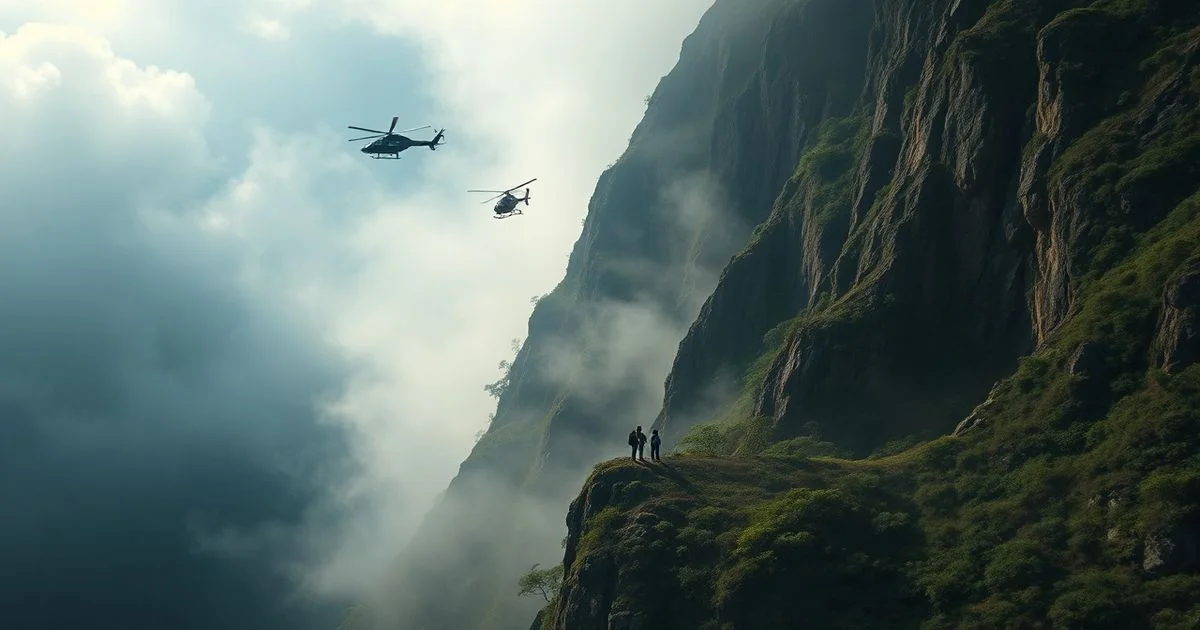
A terrifying Brazil gunfight has trapped 200 tourists on a mountain in Rio de Janeiro, forcing a desperate evacuation by special military forces as urban warfare spills into protected natural zones. This unprecedented security breach occurred during the early hours of Tuesday, leaving travelers from across the globe caught between the crossfire of rival narco-trafficking factions and state security units. As the situation remains fluid, local officials have cordoned off the surrounding neighborhoods, declaring a state of emergency for the immediate vicinity of the hiking trails and lookout points.
- Understanding the Conflict: Why the Brazil Gunfight Traps 200 Tourists on Mountain
- The Geography of the Escalation: Rio’s National Parks
- Tactical Challenges: The BOPE and Military Response
- A Global Concern: Foreign Nationals in the Crossfire
- The Long-Term Impact on Brazilian Tourism
- Security Recommendations for Future Visitors
- Conclusion
- Frequently Asked Questions
- Further Reading & Resources
Understanding the Conflict: Why the Brazil Gunfight Traps 200 Tourists on Mountain
The current crisis underscores a volatile shift in regional security dynamics. While Brazil has long struggled with organized crime in its urban favelas, the fact that a Brazil Gunfight Traps 200 Tourists on Mountain indicates that these conflicts are no longer contained within specific impoverished districts. The mountain in question, a popular destination for eco-tourism and panoramic photography, became a tactical high ground for a group of armed insurgents attempting to evade a police dragnet.
The initial outbreak of violence began when a specialized unit of the Military Police attempted to serve warrants in a nearby community. The suspects, armed with high-caliber rifles and grenades, fled upward toward the forested slopes, inadvertently pinning a large group of sightseers between their positions and the advancing police lines. This intersection of civilian leisure and paramilitary conflict has created a logistical nightmare for the Rio de Janeiro State Security Secretariat.
Authorities have noted that the weaponry used in the engagement is of military grade. This escalation has complicated the rescue mission, as standard police vehicles are not equipped to withstand the barrages being fired from the dense jungle canopy. The trapped tourists, including families with young children and elderly visitors, have been instructed to lie flat and remain behind stone outcroppings until armored transport can reach their location.
The Geography of the Escalation: Rio’s National Parks
The incident occurred within the boundaries of a major national park, a site that usually serves as a sanctuary from the bustle of the city. The rugged terrain, characterized by steep granite faces and thick Atlantic rainforest, provides ample cover for criminal elements.
Key geographic factors include:
-
Elevation: The high altitude of the trails makes drone surveillance difficult due to shifting wind patterns and low-hanging cloud cover.
-
Limited Access: Many of the paths are only accessible by foot or small all-terrain vehicles, preventing a rapid mechanized evacuation.
-
Visibility: The dense foliage allows snipers to remain hidden while monitoring the movements of both tourists and rescue teams.
For the 200 individuals currently stranded, the natural beauty of the landscape has transformed into a series of hazardous obstacles. Water supplies are reportedly running low, and the tropical heat is beginning to take a toll on those who were only prepared for a short two-hour hike.
Tactical Challenges: The BOPE and Military Response
The Batalhão de Operações Policiais Especiais (BOPE), Rio’s elite tactical unit, has been called in to lead the extraction. Known for their skull emblem and "Caveirão" armored vehicles, BOPE is specifically trained for high-intensity urban combat. However, a mountain rescue under active fire presents unique challenges that differ from the narrow alleys of a favela.
Operational hurdles faced by BOPE:
-
Establishing a Perimeter: The vastness of the mountain range means that establishing a secure perimeter is nearly impossible without thousands of boots on the ground.
-
Communication Blackouts: Certain "dead zones" on the mountain have hindered the ability of tourists to contact their respective embassies, creating a vacuum of information.
-
Crossfire Mitigation: The primary goal is the "extraction without casualty," but with insurgents using the tourists as a human shield, the rules of engagement are extremely restricted.
The Governor of Rio de Janeiro has reached out to the federal government for additional support from the National Guard. The fear is that if the evacuation is not completed before nightfall, the risk of a hostage situation or nighttime skirmishes will increase exponentially.
A Global Concern: Foreign Nationals in the Crossfire
Among the 200 tourists, a significant number are foreign nationals. Preliminary reports suggest that citizens from the United States, France, Argentina, and Germany are among those trapped. This has turned a local security issue into an international diplomatic incident.
International reactions have been swift:
-
Travel Advisories: Several consulates have immediately updated their travel warnings for Brazil, moving the status to "Exercise Increased Caution" or "Reconsider Travel" for specific zones in Rio.
-
Diplomatic Pressure: Embassies are demanding a "clear and safe corridor" for the evacuation of their citizens, putting immense pressure on the Brazilian authorities to prioritize civilian safety over the capture of the criminals.
-
Media Scrutiny: Global news networks have set up live feeds near the base of the mountain, documenting every helicopter movement and police mobilization.
The presence of foreign nationals often forces a more cautious approach by local police, as any accidental injury to a tourist could lead to severe economic sanctions and a collapse of the local tourism industry.
The Long-Term Impact on Brazilian Tourism
Tourism is a cornerstone of the Brazilian economy, particularly in Rio de Janeiro. An event where a Brazil Gunfight Traps 200 Tourists on Mountain serves as a catastrophic PR disaster for the "Visit Brazil" initiatives. Following the successes of previous global events like the World Cup and the Olympics, the city has fought hard to shed its image as a high-crime destination.
However, when violence reaches the most iconic tourist landmarks, it signals a lack of state control over the public space. Analysts predict a sharp decline in hotel bookings and guided tour reservations in the coming months. The economic ripple effect will likely hit local vendors, guides, and hospitality workers who rely on the safety of these mountain trails for their livelihoods.
Furthermore, the psychological impact on the survivors cannot be understated. Many have taken to social media to share terrifying footage of tracer rounds flying over their heads as they crouch behind boulders. These videos go viral instantly, reaching millions of potential travelers and cementing a narrative of danger.
Security Recommendations for Future Visitors
While the current situation is an anomaly in its scale, it highlights the inherent risks of exploring remote areas in regions with active social conflict. For those still planning to visit Brazil, experts suggest several precautionary measures.
Safety protocols for high-risk regions:
-
Register with Embassies: Always use programs like the Smart Traveler Enrollment Program (STEP) to ensure your government knows your location.
-
Hire Certified Guides: Local guides often have better "intel" on which trails are currently seeing increased police activity or criminal presence.
-
Avoid Isolated Trails: Stick to heavily populated tourist sites during peak hours and avoid exploring the outskirts of national parks where "grey zones" exist.
-
Emergency Communication: Carry a satellite-based communication device if planning to go deep into mountainous terrain where cellular signals are unreliable.
Conclusion
The ongoing crisis where the Brazil Gunfight Traps 200 Tourists on Mountain serves as a grim reminder of the complexities of modern security in Latin America. Authorities are currently in a race against time to secure the evacuation of these 200 individuals before the cover of nightfall provides the insurgents with further tactical advantages. While the military police have managed to secure a small landing zone for helicopters, the majority of the stranded group remains in a precarious position.
As the world watches the slopes of Rio, the focus remains on the safety of the innocent civilians caught in this crossfire. The resolution of this incident will likely dictate the future of security policy in Brazil's national parks for years to come. For now, the "Cidade Maravilhosa" (Marvelous City) remains on edge, hoping for a peaceful end to a day of unprecedented violence.
Frequently Asked Questions
Q: Why are tourists trapped in Brazil right now?
A: Approximately 200 tourists are stranded on a mountain in Rio de Janeiro after a violent gunfight erupted between rival gangs and military police, blocking all safe exit routes.
Q: Is the area currently safe for travel?
A: No, the area surrounding the mountain and the nearby national park trails is currently an active conflict zone. Security forces have cordoned off the entire region and advised all civilians to stay away.
Q: What is being done to evacuate the stranded visitors?
A: Elite BOPE units and military helicopters are conducting a high-stakes rescue operation to establish a secure corridor and airlift the tourists to safety.