India Elections 2026: High Turnout in Key States Signals Engaged Electorate
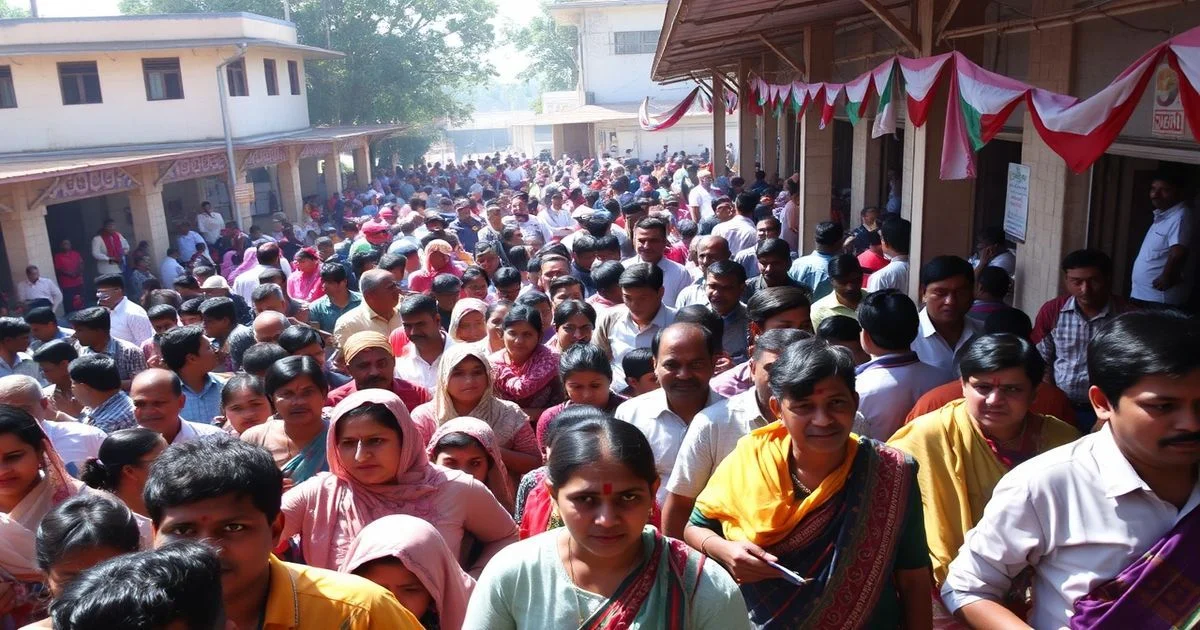
The democratic spirit of India is alive and thriving, as evidenced by the remarkable voter participation witnessed during the recent India Elections 2026: High Turnout in Key States. Across several crucial regions, citizens have flocked to polling booths in unprecedented numbers, signaling a deeply engaged electorate and reinforcing the robustness of the nation's electoral process. This surge in participation marks a significant moment, with preliminary reports highlighting a strong democratic fervor across the country, particularly in states that are traditionally seen as electoral battlegrounds. The impressive turnout not only underscores the electorate's commitment to democratic values but also sets the stage for a potentially transformative political landscape in the coming years.
- Understanding the Phenomenon of High Turnout in India Elections 2026: Key States Lead the Way
- Factors Contributing to Increased Voter Engagement
- Impact and Implications of High Voter Turnout
- Voices from the Ground: Voter Perspectives
- Looking Ahead: The Future of Indian Democracy
- Frequently Asked Questions
- Further Reading & Resources
Understanding the Phenomenon of High Turnout in India Elections 2026: Key States Lead the Way
The 2026 elections have garnered significant attention due to the unexpected surge in voter engagement, especially in politically pivotal states. Historically, India's voter turnout has steadily increased over the decades, rising from 47.5% in the first general election to 59.5% in 1999, and peaking at over 67% in 2019. This upward trend reflects a more politically engaged populace eager to participate in the democratic process. The current elections build on this momentum, with certain regions demonstrating exceptional participation.
According to recent reports, states like West Bengal and Tamil Nadu have recorded historic voter turnouts, with West Bengal registering an astounding 91.91% in the first phase of polling and Tamil Nadu achieving 84.80%. These figures represent the highest-ever turnout in Assembly polls for these states since India's independence. Similarly, Assam and the Union Territory of Puducherry also surpassed their previous records, with turnouts of 85.38% and 89.83% respectively. Such numbers are not merely statistics; they are a powerful testament to the people's realization of their strength within the democratic system. The Chief Election Commissioner, Gyanesh Kumar, lauded these historic achievements, highlighting the strong faith electors have in the Election Commission of India (ECI) and the electoral process.
Historical Context of Voter Participation
India's electoral journey has been characterized by fluctuating yet generally increasing voter participation. The first two Lok Sabha elections in 1951-52 and 1957 saw turnouts below 50%, at 45.7% and 47.8% respectively. However, subsequent elections witnessed a gradual rise, with the 2014 and 2019 general elections registering 66.4% and 67.4% respectively, marking a significant increase. This trend indicates a growing awareness and interest among citizens in exercising their franchise. Over the years, the Election Commission of India (ECI) has implemented various initiatives, such as the Systematic Voters' Education and Electoral Participation (SVEEP) program, launched in 2009, to promote voter education and awareness, addressing challenges like gender gaps, youth disconnect, and urban apathy. These sustained efforts have undeniably contributed to the increasing participation rates seen today, showcasing India's democratic evolution.
Geographical Distribution of High Turnout
The high turnout in India Elections 2026: High Turnout in Key States is not uniformly distributed but concentrated in specific regions. While West Bengal and Tamil Nadu demonstrated exceptionally high figures, other states like Kerala also saw robust participation at 77.38%. This regional variation can be attributed to a confluence of factors, including intense political contests, strong local issues, and effective mobilization strategies by political parties. For instance, in West Bengal, several districts recorded over 90% turnout, including Dakshin Dinajpur (94.85%), Cooch Behar (94.54%), and Birbhum (93.70%). Similarly, in Tamil Nadu, Karur led with 92.48%, followed by Salem (90.42%) and Dharmapuri (90.02%). These localized surges suggest that beyond national narratives, regional dynamics and the palpable enthusiasm surrounding specific candidates or issues play a crucial role in driving voters to the polls. To better understand these trends, one might look at historical electoral trends in these regions.
Factors Contributing to Increased Voter Engagement
The significant increase in voter turnout during the 2026 elections is a multifaceted phenomenon, influenced by a combination of strategic political maneuvering, evolving socio-economic conditions, technological advancements, and the heightened relevance of local issues. Understanding these contributing factors provides insight into the dynamism of Indian democracy.
Campaign Strategies and Political Mobilization
Political parties have become increasingly sophisticated in their campaign strategies, leveraging both traditional and modern approaches to mobilize voters. The intensification of electoral contests has made elections more dynamic and engaging. Parties are now more strategic and targeted in their campaigns, aiming to reach every segment of the population. This includes extensive door-to-door campaigning, large-scale rallies, and targeted messaging. The focus on local issues and the projection of strong, appealing candidates also play a crucial role in drawing voters to the polling booths. Furthermore, the ECI's initiatives, such as the SVEEP program, are designed to educate citizens and promote informed participation, thereby complementing the efforts of political parties. The engagement with stakeholders, including thousands of all-party meetings at various levels, has also contributed to strengthening the electoral system.
Socio-Economic Factors and Citizen Aspirations
Socio-economic factors are powerful drivers of voter participation in India. Issues such as income, employment, and the overall economic climate significantly influence turnout. When citizens perceive that their votes can lead to improvements in their livelihoods or address pressing social issues, their motivation to participate increases. This often translates into higher turnout in regions grappling with specific developmental challenges or those witnessing significant socio-economic transformation. The growing political participation of women, for example, is a significant change, driven by an increased awareness of their rights and the potential for their voices to effect change. Rural constituencies, once lagging, have also shown remarkable improvement in political participation, signaling a broader engagement across demographic segments. The aspiration for better governance, improved public services, and greater accountability from elected representatives acts as a strong motivator for many voters.
Role of Technology and Media
The digital revolution has profoundly impacted Indian elections, transforming how political campaigns are conducted and how voters engage with the electoral process. Social media platforms like WhatsApp, X (formerly Twitter), YouTube, Facebook, and Instagram have become indispensable tools for political communication, allowing parties to bypass traditional gatekeepers and directly engage with voters. Parties utilize AI, memes, short videos, and targeted messaging to shape voter perception and connect with younger audiences. "IT war rooms" operate around the clock to track trends, respond to opposition narratives, and amplify content. This marks a clear digital transformation of elections.
However, this digital-first approach also presents challenges, including the risk of misinformation, fake profiles, and AI-generated deepfakes. Despite these concerns, social media journalism plays an influential role in shaping public perceptions during elections, with significant positive correlations found between credibility, agenda-setting, framing of political news, emotional appeal, and public opinion formation. The Election Commission of India has also embraced technology, with initiatives like ECINET, a digital platform integrating various applications for voters and officials, and measures such as 100% webcasting at polling stations and real-time voter turnout updates, aiming to enhance transparency and efficiency. The increased access to information through various media platforms, including television and radio, has also been found to significantly increase voter turnout, particularly among women.
Local Issues and Candidate Appeal
While national issues and party ideologies are important, local concerns and the appeal of individual candidates often play a decisive role in driving voter turnout, especially in state assembly elections. Voters are often more directly impacted by local governance decisions, and their participation is spurred by issues such as infrastructure development, public services, employment opportunities, and local grievances. The presence of charismatic or highly regarded local candidates can significantly boost engagement, as voters feel a personal connection and trust in their ability to represent their interests effectively. Campaigns tailored to address specific local needs and aspirations resonate strongly with the electorate, encouraging them to exercise their franchise. In states like Kerala, for example, social media campaigns are intricately linked to local political dynamics, highlighting how localized narratives are amplified through digital means.
Impact and Implications of High Voter Turnout
High voter turnout in the India Elections 2026: High Turnout in Key States carries profound implications for the democratic fabric of the nation, influencing everything from the legitimacy of elected bodies to the very nature of governance.
Strengthening Democratic Mandate
A high voter turnout undeniably strengthens the democratic mandate of the elected government. When a larger percentage of the eligible population participates, the resulting government is perceived as more legitimate and truly representative of the people's will. This increased legitimacy fosters greater trust in democratic institutions and enhances the accountability of elected representatives to the populace. Chief Election Commissioner Gyanesh Kumar's statement that "India is a much stronger democracy now" with the high faith of electors in elections conducted by ECI underscores this sentiment. Such widespread participation acts as a powerful affirmation of the democratic process itself, both domestically and on the international stage.
Potential Electoral Outcomes and Power Shifts
While high turnout generally indicates a vibrant democracy, its impact on electoral outcomes can be complex. Sometimes, a surge in voter turnout can signal a desire for change, benefiting opposition parties or leading to significant power shifts. At other times, it can consolidate the position of incumbent parties, especially if their mobilization efforts are highly effective. The demographic breakdown of the increased turnout—whether it's driven by youth, women, rural, or urban voters—can offer clues about potential beneficiaries. For instance, increased participation among women and rural voters tends to make the political system more representative of India's diverse population, ensuring a broader range of concerns are addressed in governance. Conversely, low voter turnout might indicate voter apathy or disenchantment, which can also influence the formation of governments. Analyzing the variations in turnout across states and regions, and among different demographic groups, is crucial for understanding the factors shaping election outcomes.
Challenges for the Incoming Government
Regardless of which parties form the government, a high voter turnout also presents challenges. The incoming government will face increased expectations from a highly engaged electorate. Voters who have actively participated will likely demand greater accountability, transparency, and effective governance. This could lead to more public scrutiny of policy decisions and a greater imperative for elected representatives to deliver on their promises. The government will need to be responsive to the diverse voices and aspirations expressed through the ballot box, ensuring that the concerns of all segments of society are addressed. Furthermore, managing logistical challenges such as preventing long queues and ensuring smooth voting procedures, which can affect future turnout, remains an ongoing task for election administration.
Voices from the Ground: Voter Perspectives
To truly grasp the essence of high voter turnout, it is essential to listen to the voices of those who made it happen: the voters themselves. Their perspectives offer a rich tapestry of motivations, hopes, and expectations.
First-Hand Accounts and Citizen Testimonials
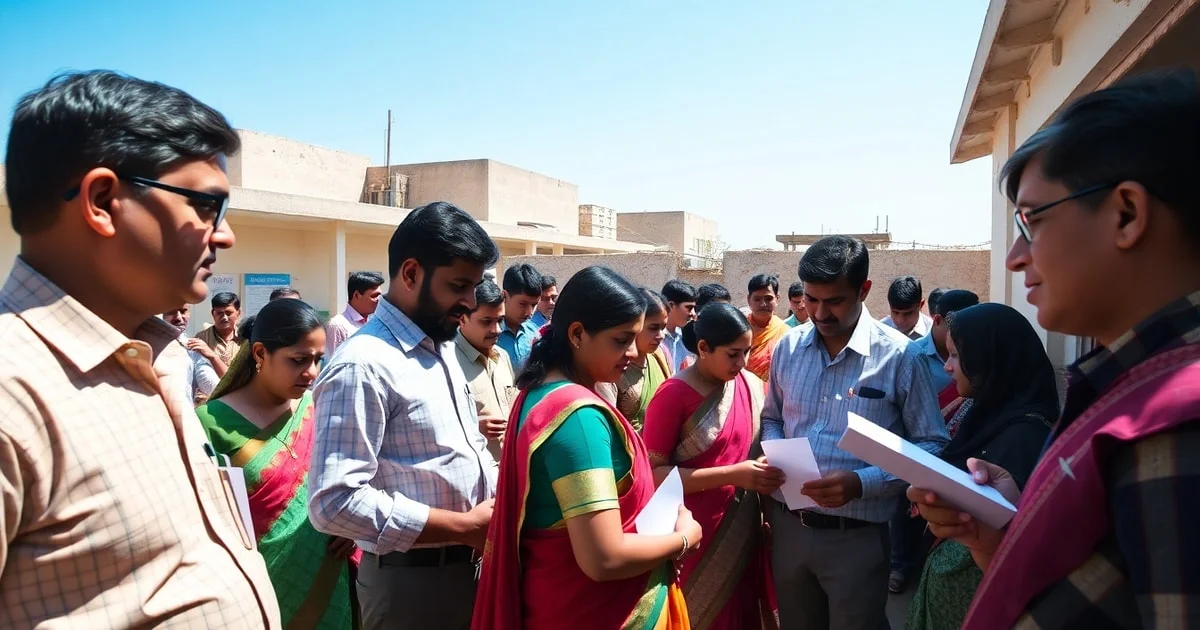
Reports from polling stations across the key states paint a vivid picture of citizen enthusiasm. Many voters expressed a strong sense of civic duty and a desire to contribute to the nation's future. For instance, in Kerala, around 27.1 million voters were eligible across more than 30,000 polling stations, demonstrating the sheer scale of participation. Voters often cited specific local issues, the performance of current representatives, or the promises of new candidates as their reasons for queuing up for hours. The feeling of empowerment that comes from casting a ballot, even if it's just one among millions, was a recurring theme. The sight of people of all ages and backgrounds lining up in remote villages signifies a profound change in India's democratic landscape.
Election Officials and Observer Insights
Election officials and independent observers have played a crucial role in facilitating this massive democratic exercise. The Election Commission of India's continuous efforts to promote voter education and streamline the polling process have been instrumental. Initiatives such as moving polling booths to accessible ground floors, increasing the number of polling stations to limit voters per booth, and remapping booths for easier access have contributed to a smoother voting experience, even amidst concerns like those seen during the COVID-19 pandemic. The scale and organization of the exercise have also drawn international attention, with delegations from various countries observing India's electoral process. The Supreme Court also commended the record turnout, acknowledging it as a sign of a robust democratic process and the fairness of the system. They highlighted the importance of people realizing the power of their vote in a democracy.
Looking Ahead: The Future of Indian Democracy
The robust participation observed in the India Elections 2026: High Turnout in Key States serves as a powerful indicator of the evolving landscape of Indian democracy. This momentum, if sustained, holds significant promise for the nation's political future.
The sustained high voter turnout suggests a deepening of democratic life in India. The active engagement of a wider demographic, including women and rural voters, ensures that a more diverse array of voices and concerns are represented in the political system. This inclusivity is vital for fostering more equitable and responsive governance. Continuous efforts by the Election Commission of India through programs like SVEEP, focusing on voter education and addressing apathy, will remain crucial for nurturing this engagement. The emphasis on accessible elections, including provisions for senior citizens and persons with disabilities, also plays a critical role in promoting wider participation.
However, the future also presents challenges. The increasing reliance on digital platforms in campaigning, while boosting reach, also necessitates vigilance against misinformation and manipulation. Ensuring free and fair elections, addressing voter apathy in certain segments, and continually promoting voter education will be ongoing priorities. The lessons learned from the 2026 elections, particularly regarding the factors that motivated such high participation, will be invaluable for strengthening democratic institutions and fostering an even more inclusive and accountable political system in India. The sustained high turnout in India Elections 2026: High Turnout in Key States is not just a passing event but a significant milestone, reaffirming the vibrant and dynamic nature of the world's largest democracy.
Frequently Asked Questions
Q: Why was turnout so high in India Elections 2026?
A: High turnout was driven by a combination of intense political campaigns, heightened socio-economic awareness among citizens, effective use of technology and media for engagement, and the strong appeal of local issues and candidates motivating participation.
Q: Which states saw the highest voter participation?
A: West Bengal and Tamil Nadu recorded historic turnouts in the initial phases, with West Bengal registering an astounding 91.91% and Tamil Nadu achieving 84.80%. Other states like Assam and Kerala also demonstrated robust participation.
Q: What are the main implications of this high turnout?
A: High voter turnout strengthens the democratic mandate of the elected government, potentially signals significant power shifts, and increases expectations for accountability and effective governance from the incoming administration.