Global Economy at Risk as US-Iran Tensions Soar: A Detailed Analysis
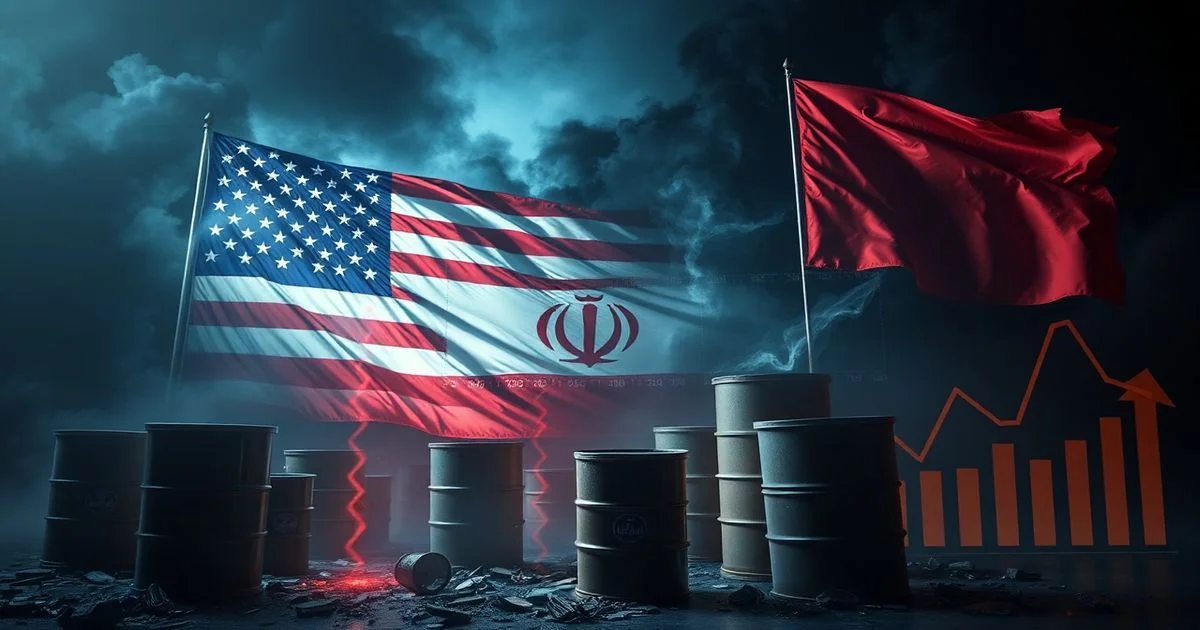
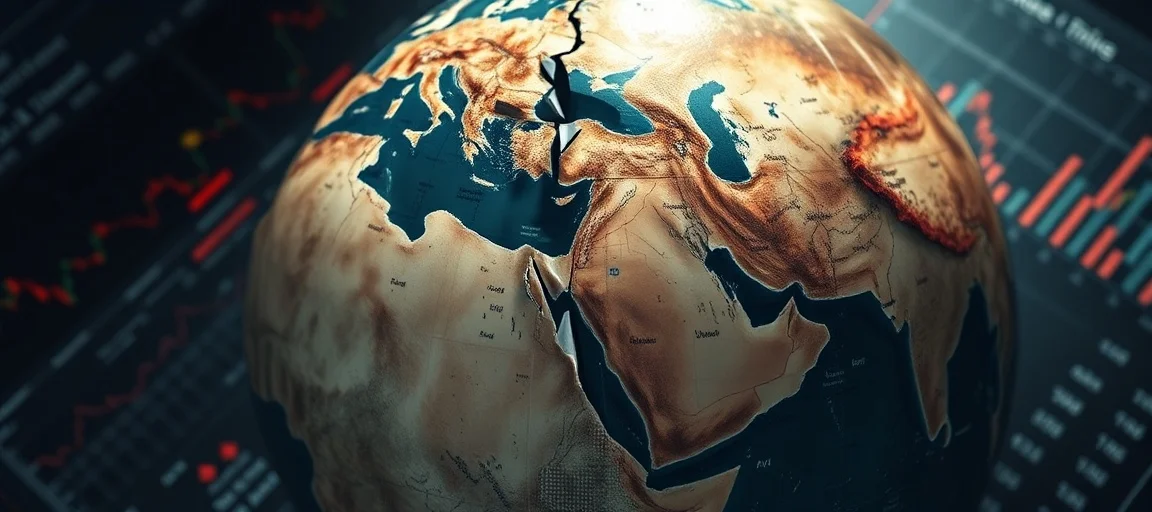
The persistent escalation of US-Iran tensions has once again brought the Global Economy at Risk as US-Iran Tensions Soar, sparking concerns among international observers and financial markets. This complex geopolitical standoff carries significant implications for oil prices, maritime trade, and broader economic stability, threatening to disrupt recovery efforts worldwide. As diplomatic efforts falter, the potential for widespread economic reverberations becomes an increasingly pressing concern for leaders and citizens alike. The intertwined nature of global trade and energy markets means that heightened friction between these two significant players can have a domino effect, extending far beyond their immediate borders.
- Understanding the Genesis of US-Iran Tensions
- The Strait of Hormuz: A Global Chokepoint Under Threat
- Global Economy at Risk as US-Iran Tensions Soar: Impact on Oil Markets
- Sanctions and Iran's Economic Outlook
- Geopolitical Ramifications and Regional Stability
- Expert Opinions and Future Outlook
- The Broader Ramifications for the Global Economy
- Conclusion: Mitigating Risks in a Volatile Landscape
- Frequently Asked Questions
- Further Reading & Resources
Understanding the Genesis of US-Iran Tensions
The long-standing animosity between the United States and Iran is rooted in decades of political and ideological differences, punctuated by significant events that have shaped their current relationship. While the 1979 Iranian Revolution marked a pivotal shift, more recent flashpoints have continually fueled the volatile dynamic.
Historical Context and Key Events
The relationship between Washington and Tehran has been fraught with challenges since the Islamic Revolution. The hostage crisis, Iran-Contra affair, and various regional proxy conflicts have all contributed to a deep-seated mistrust. In recent years, the unraveling of the Joint Comprehensive Plan of Action (JCPOA), commonly known as the Iran nuclear deal, stands out as a critical turning point. The US withdrawal from the agreement in 2018 and the subsequent re-imposition of stringent sanctions by the United States against Iran dramatically intensified pressure on Tehran's economy and its oil exports. Iran, in response, has progressively reduced its commitments under the nuclear accord, leading to concerns about its nuclear program's trajectory.
Recent Escalations and Diplomatic Stalemates
The period between 2024 and 2026 has witnessed several concerning escalations. Tensions between Iran, the United States, and Israel escalated significantly in the lead-up to 2026, stemming from failed nuclear negotiations in Geneva and a prior 12-day air conflict in 2025. On February 28, 2026, the United States and Israel launched a sweeping military campaign against Iran, marking the start of a full-scale war. This operation included the assassination of Supreme Leader Ayatollah Ali Khamenei and strikes on key Iranian nuclear sites, among other targets. In retaliation, Iran launched missile and drone attacks on Israel, US military bases, and US-allied Gulf states. Efforts by European and other international powers to mediate a de-escalation have largely stalled, with both sides maintaining firm positions. A temporary two-week ceasefire was announced on April 7, 2026, but negotiations remain tenuous, with Iran insisting on an end to the US blockade of its ports before new talks.
The Strait of Hormuz: A Global Chokepoint Under Threat
One of the most immediate and tangible economic threats posed by US-Iran tensions centers on the Strait of Hormuz. This narrow waterway is not merely a geographical feature; it is a critical artery for global energy markets, and its vulnerability directly links to the question of why the Global Economy is at Risk as US-Iran Tensions Soar.
The Significance of the Strait of Hormuz
The Strait of Hormuz is a crucial maritime passage connecting the Persian Gulf with the Arabian Sea and the broader Indian Ocean. An astonishing percentage of the world's seaborne oil, estimated to be around 20-30% of global consumption, passes through this strait daily. This includes nearly all oil exports from Saudi Arabia, Iran, Iraq, Kuwait, Qatar, and the United Arab Emirates – major players in the global energy supply chain. Any disruption here sends immediate shockwaves through international oil markets. Before the current conflict, approximately 20 million barrels of oil and petroleum products moved through the strait daily.
Potential Disruptions and Their Consequences
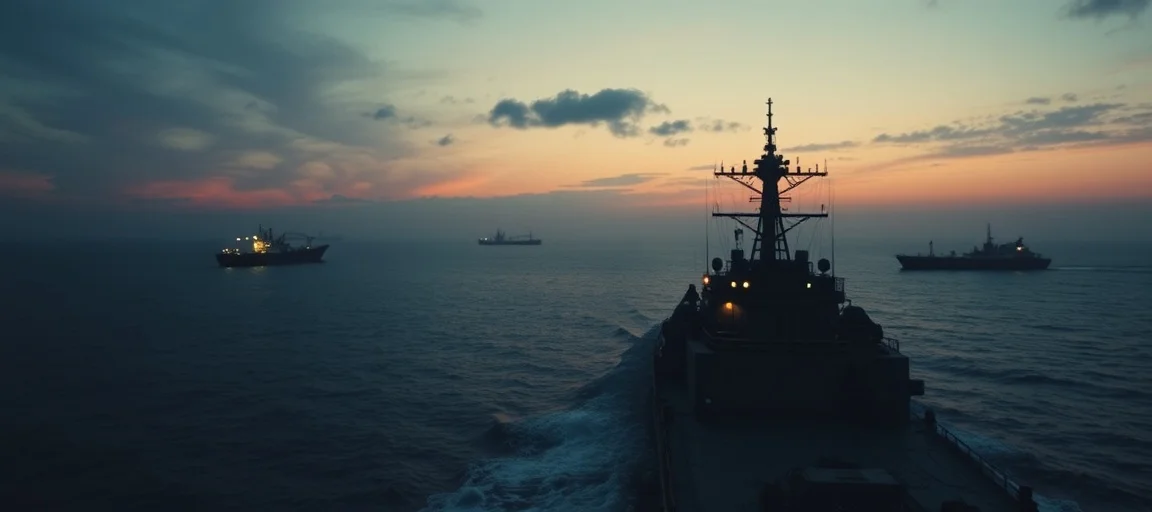
Since February 28, 2026, shipping traffic through the Strait of Hormuz has been largely blocked by Iran in retaliation for the US-Israeli military action. This has led to a "dual blockade" with the US also blockading Iranian ports since April 13, 2026. The Iranian Revolutionary Guard (IRGC) has issued warnings forbidding passage, boarded and attacked merchant ships, and laid sea mines in the strait. As of April 2026, over 20 commercial ships have been attacked, and two European-owned vessels were seized by Iranian forces. Shipping firms have suspended operations, leading to a sharp decline in maritime transit, with tanker traffic dropping by about 70% and then to near zero. The US Navy is currently engaged in clearing Iranian mines from the strait, an operation that experts estimate could take months.
Even temporary disruptions or increased security concerns significantly impact shipping insurance rates, causing delays and instilling fear in shippers. Insurers have introduced a new condition for vessel coverage, requiring direct coordination with Iranian authorities for safe passage through the Strait of Hormuz, a clear sign of heightened risk levels.
Global Economy at Risk as US-Iran Tensions Soar: Impact on Oil Markets
The specter of conflict between the US and Iran directly correlates with volatility in global oil markets, making it a primary concern for the Global Economy at Risk as US-Iran Tensions Soar.
Price Volatility and Supply Concerns
Geopolitical tensions in the Middle East almost invariably lead to upward pressure on crude oil prices. Following the US and Israeli strikes on Iran in February 2026 and the subsequent closure of the Strait of Hormuz, oil prices surged. Brent crude surpassed US126 per barrel at its peak. As of April 24, 2026, Brent crude traded as high as 14 more for a barrel of oil than before the conflict to compensate for the increased risks. The International Energy Agency (IEA) Executive Director Fatih Birol warned that the world is facing "the biggest energy security threat in history," with 13 million barrels per day of oil lost due to the Hormuz closure and wider disruptions. Gulf crude oil production has reportedly more than halved since the war began, a decline of 14.5 million barrels per day.
Broader Economic Repercussions
Beyond immediate price hikes, prolonged oil market instability has broader economic repercussions. Industries reliant on oil, such as transportation, manufacturing, and agriculture, face increased operational costs, forcing them to raise prices or reduce output. This fuels widespread energy price volatility for oil, natural gas, and gasoline. This could lead to a global economic slowdown, impacting GDP growth rates and potentially pushing fragile economies into recession. Countries heavily dependent on oil imports, particularly those in Europe and Asia, are especially vulnerable to such shocks, facing "acute energy stress". Dollar strength during crisis periods also puts additional pressure on oil-importing emerging market economies, as they face higher commodity costs and exchange rate deterioration.
Sanctions and Iran's Economic Outlook
US sanctions have severely crippled Iran's economy, leading to a complex web of challenges that influence regional stability and the broader global economic landscape.
The Effectiveness and Fallout of US Sanctions
Since their re-imposition after the US withdrawal from the JCPOA in 2018, US sanctions have targeted Iran's oil exports, banking sector, and other key industries. These sanctions have had a devastating impact on Iran's economy, leading to a significant contraction of its GDP, a collapse in oil revenues, high inflation, and a depreciation of its currency. Between 2011 and 2020, Iran's economy saw an average annual decline of 0.6% in per-capita GDP, a period the World Bank described as the country's "lost decade". By 2022, roughly 30% of Iranians were living below the poverty line, with nearly 40% considered economically vulnerable. Year-on-year food inflation reached nearly 125% before the current blockades.
Iran's Responses and Economic Resilience (or lack thereof)
Despite the immense pressure, Iran has demonstrated a degree of economic resilience, often through diversification efforts and the development of a "resistance economy" aimed at reducing its reliance on oil exports. However, this has come at a significant cost to its populace, with high unemployment rates and social unrest. Iran's economy has adapted to international constraints over long years of sanctions, with a vast informal economy operating through shell companies and shadow shipping networks to export oil and petrochemical products. However, the current US naval blockade on Iranian ports is creating a potentially more severe economic scenario than previous rounds of sanctions, further disrupting oil shipping and threatening economic stability.
Geopolitical Ramifications and Regional Stability
The US-Iran dynamic does not exist in a vacuum; it profoundly influences, and is influenced by, the wider geopolitical context of the Middle East and beyond.
Proxy Conflicts and Regional Power Dynamics
The US and Iran are deeply involved in proxy conflicts across the Middle East, including in Yemen, Syria, Iraq, and Lebanon. These regional rivalries fuel instability, humanitarian crises, and the flow of refugees, creating a complex web of challenges that further exacerbate global economic and security concerns. Iran has long supported groups like Hamas and Hezbollah. Any direct confrontation between the US and Iran would inevitably draw in regional allies, potentially expanding the scope of conflict and creating a far larger humanitarian and economic disaster. For example, Iran launched retaliatory missile and drone strikes targeting US embassies, military installations, and oil infrastructure throughout the Middle East in February-March 2026.
International Alliances and Diplomatic Pressure
The escalating tensions also test the strength of international alliances. Following the US-Israeli strikes on Iran, world leaders reacted with a mix of support, condemnation, and urgent calls for restraint. Canada, Australia, and Ukraine expressed support for the US and Israel. In contrast, Russia, China, and Spain criticized the actions and called for de-escalation. European nations like France, Germany, and the UK called for restraint and diplomatic solutions, urging a return to talks over Iran's nuclear program. This divergence in international approaches complicates efforts to present a united front and exert coordinated diplomatic pressure on both Washington and Tehran, potentially creating rifts between the US and its Western allies.
Expert Opinions and Future Outlook
Analysts and experts in geopolitics and economics are closely monitoring the US-Iran situation, offering varied perspectives on potential trajectories and outcomes.
Perspectives from Geopolitical Analysts
Geopolitical analysts emphasize the high risk of accidental escalation due to a lack of clear communication channels and diminishing direct dialogue between the US and Iran. Some point out that while the US has conducted limited but effective strikes, regime change has not occurred, and Iran retains the capability to create regional trouble. Experts also highlight that the war in Iran will leave a geopolitical impact on the US-China rivalry, with China potentially deepening economic ties with a sanctions-weakened Tehran at discounted rates. The question is no longer whether force will be used but whether it can be used without opening the door to a conflict that would be difficult to contain.
Economic Forecasts and Scenarios
Economists largely agree that sustained US-Iran tensions will continue to exert inflationary pressure and contribute to global economic uncertainty. Goldman Sachs Research estimated that oil prices could rise by 15 per barrel depending on the extent and duration of transit restrictions through the Strait of Hormuz. The firm also notes that oil prices can rise "substantially more" if the market demands a premium for the risk of more persistent supply disruptions. In a scenario where the Strait of Hormuz disruption extends, European liquefied natural gas markets would face considerable strain, and sanctions regimes could fracture as US allies prioritize domestic energy security over geopolitical solidarity. The IEA has explicitly warned that the current crisis could trigger "the largest energy crisis we have ever faced".
The Broader Ramifications for the Global Economy
The ripple effects of US-Iran tensions extend far beyond oil prices and regional stability, touching various facets of the global economic structure.
Trade and Supply Chain Disruptions
The interconnectedness of global trade means that instability in a major region like the Middle East can trigger a cascade of disruptions. The near-closure of the Strait of Hormuz has significantly disrupted global shipments of oil, liquefied natural gas, fertilizer, and other supplies. Increased security risks in key shipping lanes lead to longer routes, higher transit costs, and delays in the delivery of goods. For instance, American Central Command acknowledged diverting thirty-three vessels since implementing naval controls, while simultaneous Iranian restrictions have severely limited access. This directly impacts global supply chains, affecting everything from manufacturing to retail, and forcing companies to adopt more precise planning and engage in more complex coordination to navigate this vital passage.
Investment Climate and Investor Confidence
Geopolitical instability is a significant deterrent to foreign direct investment. The constant threat of conflict between the US and Iran creates an atmosphere of uncertainty that prompts investors to pull back from the region and perhaps even from global markets more broadly, seeking safer havens. This reduction in investment can stifle economic growth, particularly in developing economies that rely on foreign capital for infrastructure projects and industrial expansion. A downturn in investor confidence can also trigger stock market volatility and currency fluctuations, adding another layer of risk to the global financial system. The US sanctions themselves have also carried a significant cost to the US economy, with one report estimating between 175 billion in lost potential export revenue to Iran between 1995 and 2012, and an average of 50,000 to 66,000 lost job opportunities each year.
Conclusion: Mitigating Risks in a Volatile Landscape
The situation involving the United States and Iran remains one of the most significant geopolitical challenges facing the world today. The potential for the Global Economy at Risk as US-Iran Tensions Soar is not a hypothetical concern, but a tangible threat with real-world implications for billions of people. From volatile oil markets and disrupted trade routes to stifled investment and regional instability, the ramifications are far-reaching. While diplomatic solutions appear elusive in the immediate term, with negotiations stalled over the US blockade of Iranian ports, the international community continues to emphasize the critical need for de-escalation and a renewed commitment to dialogue. The path forward requires cautious diplomacy, strategic patience, and a recognition that the economic well-being of the world is inextricably linked to peace and stability in this critical region. Without a concerted effort to manage these tensions, the global economic landscape will continue to navigate treacherous waters.
Frequently Asked Questions
Q: How do US-Iran tensions impact global oil prices?
A: Tensions create supply uncertainty, especially concerning the Strait of Hormuz, a key oil transit. Threats of disruption lead to speculative buying, driving crude oil prices higher and causing global market volatility.
Q: What is the significance of the Strait of Hormuz in this conflict?
A: The Strait of Hormuz is a vital waterway for global seaborne oil. Disruptions or threats of closure directly imperil global energy supplies, drastically increasing shipping costs and risks worldwide.
Q: What are the broader economic consequences of this geopolitical instability?
A: These tensions raise operational costs for industries and impact global supply chains via higher transit risks. They also deter foreign direct investment, potentially triggering global economic slowdowns or recessions.