Chernobyl Anniversary: EU Pushes Nuclear Safety Amidst Global Concerns
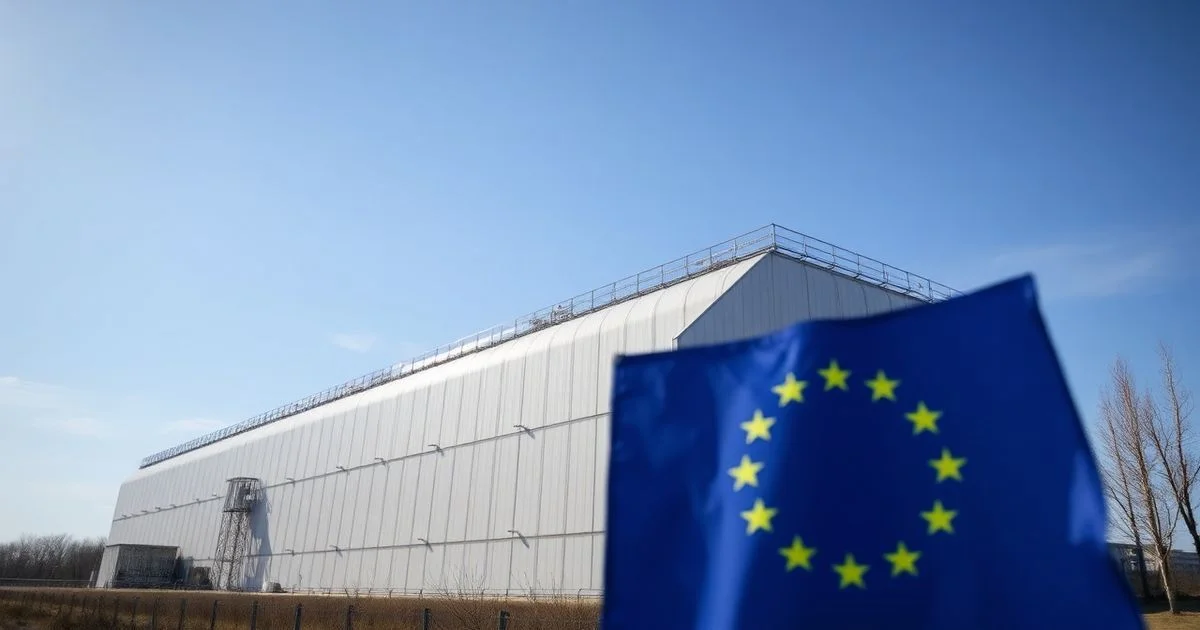
The somber fortieth anniversary of the Chernobyl disaster, a grim reminder of nuclear energy's inherent risks, has once again brought the critical issue of atomic safety to the forefront of international discourse. As the world reflects on the catastrophic events of April 26, 1986, the European Union is proactively pushing for enhanced nuclear safety standards across the continent and beyond. This renewed commitment underscores a vital push to prevent future tragedies and build a more secure energy future. This Chernobyl Anniversary: EU Pushes Nuclear Safety initiative is not merely a symbolic gesture but a comprehensive strategy involving regulatory improvements, international collaboration, and continuous vigilance.
- The Lingering Shadow: Chernobyl's Legacy
- The European Union's Push for Nuclear Safety Post-Chernobyl
- Global Nuclear Landscape Post-Fukushima
- Challenges and Opportunities in Nuclear Energy
- Chernobyl's Exclusion Zone Today
- Conclusion: A Future Forged in Lessons Learned
- Frequently Asked Questions
- Further Reading & Resources
The Lingering Shadow: Chernobyl's Legacy
The explosion at Reactor 4 of the Chernobyl Nuclear Power Plant in Soviet Ukraine on April 26, 1986, remains the worst nuclear accident in history. It released vast quantities of radioactive material into the atmosphere, contaminating large swathes of Europe and forcing the evacuation and resettlement of hundreds of thousands of people. The long-term consequences have been devastating, ranging from increased cancer rates in affected populations to the creation of a vast, uninhabitable Exclusion Zone. The disaster fundamentally altered public perception of nuclear energy, triggering a global reevaluation of safety protocols and emergency preparedness.
The immediate aftermath was chaotic, characterized by a lack of transparency from Soviet authorities, which exacerbated international concerns. Firefighters and liquidators, many of whom later succumbed to radiation-related illnesses, bravely battled the inferno and its invisible enemy. The construction of the initial sarcophagus, hastily erected to contain the damaged reactor, was a monumental effort to mitigate further radioactive release. Decades later, the New Safe Confinement (NSC), a massive arch-shaped structure, was slid into place over the original shelter in 2016, a testament to international cooperation and engineering ingenuity aimed at securing the site for at least another century. The NSC stands as a stark visual reminder of the persistent dangers and the enduring commitment required to manage the legacy of such a catastrophe.
The European Union's Push for Nuclear Safety Post-Chernobyl
In the wake of the Chernobyl disaster, and further intensified by the Fukushima Daiichi accident in Japan in 2011, the European Union has consistently emphasized the highest possible standards for nuclear safety. The upcoming Chernobyl Anniversary: EU Pushes Nuclear Safety agenda highlights a redoubled effort to ensure that all nuclear installations within its member states adhere to stringent safety regulations. This push is driven by a recognition that a nuclear incident anywhere in Europe could have cross-border implications, affecting public health, environment, and economic stability across the entire Union. The EU's approach is multifaceted, encompassing legal frameworks, regular stress tests, and fostering a culture of continuous improvement and transparency among operators.
Strengthening Regulatory Frameworks
The EU’s commitment to nuclear safety is enshrined in its legal framework, primarily through the Nuclear Safety Directive (Council Directive 2014/87/Euratom). This directive establishes a robust community framework for the nuclear safety of nuclear installations, aiming to maintain and promote continuous improvement of nuclear safety. It mandates that member states establish national regulatory frameworks that ensure high levels of safety, independent regulatory authorities, and sufficient financial and human resources for their operation. The directive also introduced a system of peer reviews, where experts from different member states assess each other's national frameworks and practices, fostering a shared understanding of best practices and identifying areas for improvement.
The directive ensures that nuclear power plant operators are ultimately responsible for the safety of their installations. It also sets out requirements for national emergency preparedness and response systems, emphasizing the importance of public information and effective communication channels in the event of an accident. These regulatory advancements are crucial for providing a harmonized approach to nuclear safety across the diverse energy landscapes of EU member states, some of which are heavily reliant on nuclear power, while others are phasing it out.
Cross-Border Cooperation and Stress Tests
One of the cornerstones of the EU's nuclear safety strategy is extensive cross-border cooperation. Nuclear incidents do not respect national borders, making collaborative efforts essential. The European Nuclear Safety Regulators Group (ENSREG) plays a pivotal role in this regard, bringing together senior officials from national nuclear safety authorities across the EU. ENSREG facilitates dialogue, harmonizes regulatory practices, and coordinates responses to nuclear safety challenges. It has been instrumental in organizing and overseeing the EU's "stress tests" for nuclear power plants.
These comprehensive stress tests were first conducted after the Fukushima accident in 2011, simulating extreme natural events like earthquakes and floods, as well as human-induced events like aircraft impacts and power blackouts. The results led to significant safety upgrades across Europe, identifying vulnerabilities and prompting investments in enhanced backup systems, improved seismic resistance, and better emergency procedures. The ongoing process of conducting and reviewing these stress tests ensures that lessons are continually learned and applied, adapting to evolving threats and technological advancements. This proactive approach aims to move beyond minimum compliance, striving for a culture of continuous safety enhancement.
The Role of International Atomic Energy Agency (IAEA)
While the EU has its own robust framework, it also works closely with international bodies like the International Atomic Energy Agency (IAEA). The IAEA, an autonomous organization under the United Nations, is the world's central intergovernmental forum for scientific and technical cooperation in the nuclear field. It works to promote the safe, secure, and peaceful uses of nuclear science and technology. The IAEA's safety standards are globally recognized benchmarks, and its peer review missions, such as the Operational Safety Review Team (OSART) missions, provide independent evaluations of the operational safety of nuclear power plants.
The EU member states often invite IAEA missions to review their facilities and regulatory bodies, demonstrating a commitment to international best practices. This collaboration ensures that EU standards are aligned with global benchmarks and that Europe benefits from the collective experience and expertise of the wider international nuclear community. The IAEA's role is particularly crucial in supporting countries new to nuclear power or those with developing regulatory infrastructures, helping to embed a strong safety culture from the outset.
Global Nuclear Landscape Post-Fukushima
The Fukushima Daiichi nuclear disaster in Japan in March 2011, triggered by a massive earthquake and tsunami, served as another stark reminder of nuclear power's potential vulnerabilities, even in technologically advanced nations. The events at Fukushima, which resulted in meltdowns in three reactors, prompted a global reassessment of nuclear energy safety standards and emergency preparedness. Unlike Chernobyl, which was a result of design flaws and operator error, Fukushima highlighted the potential for extreme natural phenomena to overwhelm even well-designed safety systems.
Lessons from Fukushima Daiichi
The Fukushima accident led to several critical lessons being incorporated into nuclear safety protocols worldwide. One major takeaway was the importance of multi-layered defense-in-depth strategies, especially concerning prolonged loss of off-site power and cooling capabilities. Many countries revised their emergency power provisions, ensuring diversified and protected backup generators, as well as procedures for extended station blackout scenarios. The design of containment vessels, spent fuel storage, and emergency response capabilities were also scrutinized and often upgraded.
Furthermore, Fukushima underscored the need for resilient infrastructure capable of withstanding extreme external hazards beyond original design specifications. This included improvements in flood protection, seismic resistance, and the ability to maintain critical functions even when external infrastructure is compromised. The accident also emphasized the psychological impact on populations and the need for clear, consistent, and trustworthy communication during a crisis, a lesson directly applicable from the Chernobyl experience as well.
The Debate on Nuclear Energy's Future
The nuclear debate, already contentious post-Chernobyl, intensified after Fukushima. Some nations, like Germany, accelerated their plans to phase out nuclear power, while others, like France, reaffirmed their commitment to it as a vital component of their energy mix, especially in the context of climate change mitigation. The ongoing energy transition, driven by the urgent need to decarbonize electricity grids, has reignited interest in nuclear power in many parts of the world. Proponents argue that nuclear energy offers a reliable, low-carbon, baseload power source that is crucial for achieving climate targets and ensuring energy security. Opponents, however, continue to raise concerns about safety, radioactive waste disposal, and the high costs of construction and decommissioning. This complex global dialogue informs the EU's nuanced approach, balancing energy needs with an unwavering commitment to safety.
Challenges and Opportunities in Nuclear Energy
Despite the stringent safety measures and regulatory oversight, the nuclear industry continues to face significant challenges. Public acceptance remains a major hurdle, with memories of Chernobyl and Fukushima casting long shadows. The long-term disposal of high-level radioactive waste also presents a persistent technical and ethical dilemma, with no universally accepted permanent solution yet implemented. However, alongside these challenges, there are significant opportunities arising from technological advancements and a renewed global focus on climate change.
Advancements in Reactor Technology
The next generation of nuclear reactors, often referred to as advanced or Generation IV reactors, promise enhanced safety features and improved efficiency. These designs, including Small Modular Reactors (SMRs), molten salt reactors, and fast breeder reactors, are being developed with inherent safety characteristics that would make large-scale meltdowns virtually impossible. SMRs, for instance, are designed to be factory-built, standardized, and passively safe, meaning they rely on natural forces like gravity and convection for cooling rather than active pumping systems, thus reducing the risk of human error or equipment failure during emergencies.
These advanced reactors also aim to address the waste problem by either producing less waste or by being able to "burn" existing nuclear waste, significantly reducing its radioactivity and volume. While still largely in the developmental or demonstration phase, these technologies offer a potential path forward for nuclear energy to play a more sustainable and safer role in future energy systems.
Addressing Public Perception and Waste Management
For nuclear energy to gain broader acceptance, addressing public concerns about safety and waste management is paramount. Transparency, robust regulatory oversight, and clear communication about risks and benefits are essential. Engaging local communities in the decision-making process for new projects and waste disposal sites can help build trust. Furthermore, significant investment in research and development for innovative waste management solutions, including deep geological repositories and advanced reprocessing technologies, is critical.
Public education campaigns can also play a role in demystifying nuclear technology and highlighting its role in combatting climate change and providing stable electricity. By showcasing the continuous improvements in safety, the rigorous regulatory environment, and the potential of new reactor designs, the industry aims to shift public perception and foster a more informed dialogue about nuclear power's role in a sustainable future.
Chernobyl's Exclusion Zone Today
Today, the Chernobyl Exclusion Zone, an area spanning approximately 2,600 square kilometers around the former power plant, remains largely uninhabited by humans. However, against all expectations, it has become an unwitting nature reserve. Wildlife, including wolves, bears, elk, and rare bird species, has flourished in the absence of human activity, creating a unique ecological experiment. This unexpected resurgence of nature highlights the incredible resilience of ecosystems, even in the face of extreme contamination.
The Zone also serves as a scientific laboratory, allowing researchers to study the long-term effects of radiation on flora and fauna, and how ecosystems adapt and recover. While significant levels of radioactivity persist in certain areas and within the food chain, the overall biodiversity within the Exclusion Zone is a surprising testament to nature's ability to reclaim devastated landscapes. The area now also attracts a growing number of "dark tourists" and scientists, eager to witness firsthand the aftermath of the disaster and the eerie beauty of a landscape reclaimed by time and nature.
Conclusion: A Future Forged in Lessons Learned
The fortieth Chernobyl Anniversary: EU Pushes Nuclear Safety agenda serves as a powerful reminder that while nuclear energy offers a compelling solution to climate change and energy independence, it demands unwavering vigilance and the highest commitment to safety. The lessons from Chernobyl and Fukushima have forged a global understanding of the catastrophic consequences of nuclear accidents and the imperative for robust regulatory frameworks, international cooperation, and continuous technological advancement.
The European Union's proactive stance on enhancing nuclear safety reflects a deep understanding of these lessons. Through strengthened directives, rigorous stress tests, and collaborative efforts with international bodies like the IAEA, the EU is committed to ensuring that nuclear power plants within its borders operate with the utmost security. As the world navigates the complexities of energy transition, the drive for safer and more sustainable nuclear technologies, coupled with a transparent and accountable regulatory environment, will be paramount in securing a reliable and carbon-neutral energy future. The enduring legacy of Chernobyl continues to shape these efforts, urging constant innovation and an unyielding dedication to protecting both people and the planet from harm.
Frequently Asked Questions
Q: What was the primary cause of the Chernobyl disaster?
A: The Chernobyl disaster was primarily caused by a flawed reactor design and serious human error during a safety test. Operators violated critical safety protocols, leading to an uncontrolled power surge and subsequent explosions.
Q: How has the EU responded to nuclear safety concerns since Chernobyl?
A: The EU has significantly strengthened its nuclear safety regulations through directives like Euratom, implemented mandatory stress tests for all nuclear plants, and fostered cross-border cooperation. It also works closely with the IAEA.
Q: Are there new nuclear technologies addressing safety concerns?
A: Yes, advanced reactor designs, including Small Modular Reactors (SMRs) and Generation IV reactors, incorporate inherent safety features. They aim to prevent meltdowns, reduce waste, and improve operational efficiency.