Africa's Parliament Convenes for Key Leadership Vote: A Pivotal Moment
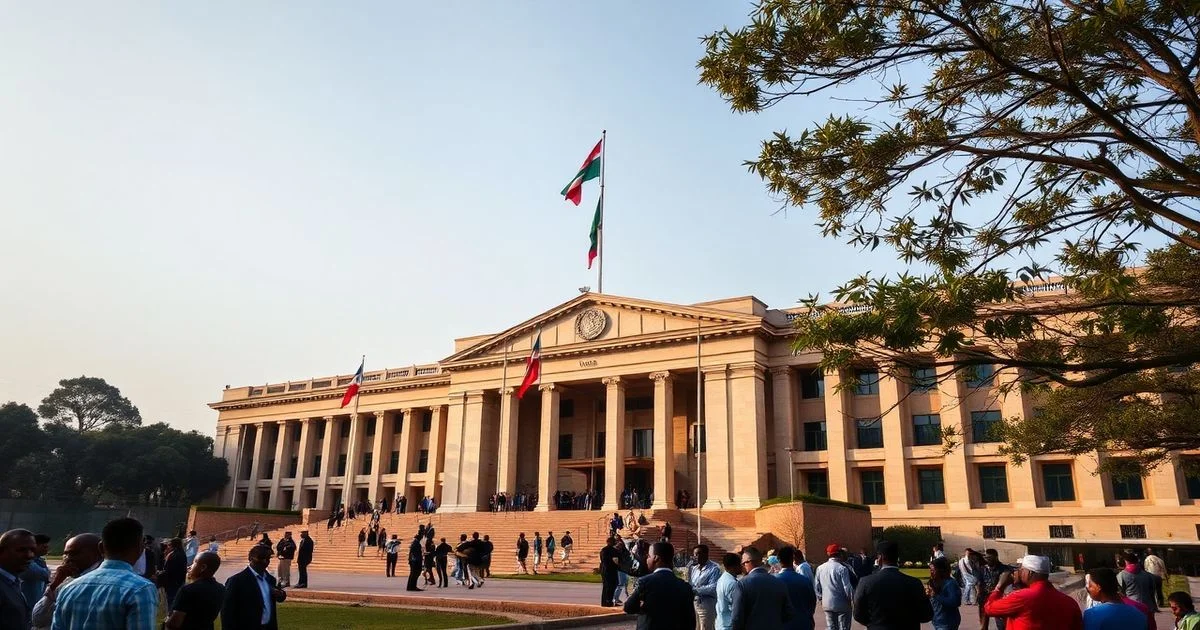
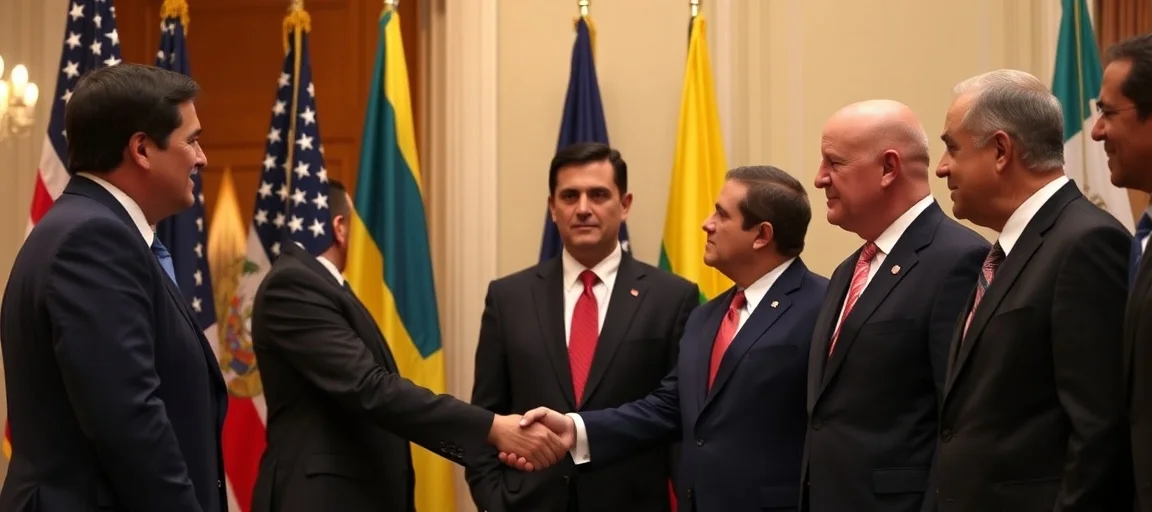
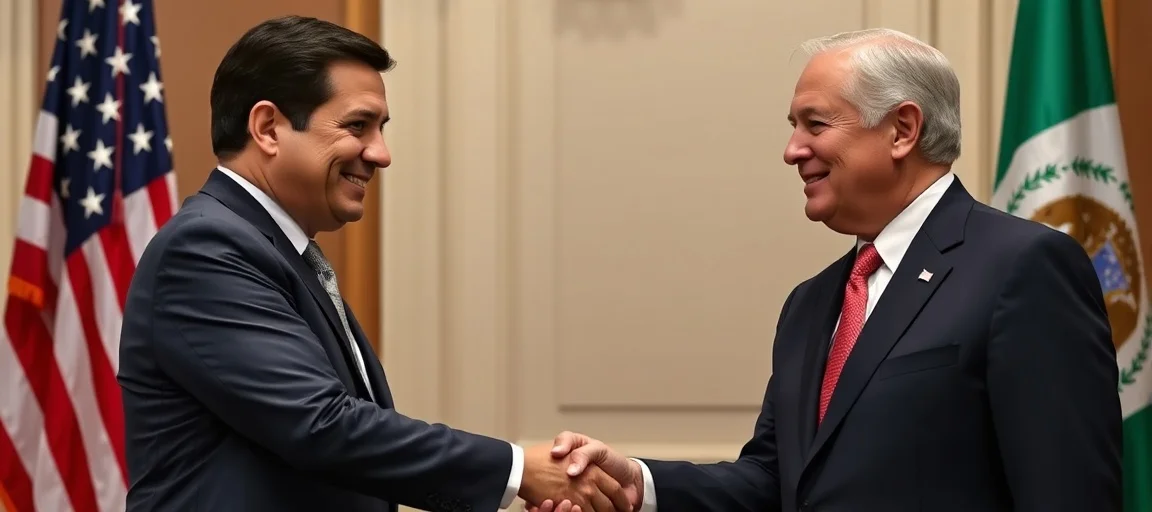
The eyes of the continent turn towards Midrand, South Africa, as Africa's Parliament convenes for a key leadership vote, an event poised to significantly influence the trajectory of continental governance and integration. This crucial parliamentary session, bringing together representatives from diverse member states, is more than a mere procedural exercise; it represents a pivotal moment for shaping future policies, fostering regional cooperation, and addressing the myriad challenges facing Africa. The outcomes of these elections will determine who steers the legislative body through upcoming mandates, directly impacting how the African Union's vision of a prosperous and peaceful Africa is translated into tangible action.
- The Pan-African Parliament: A Foundation of Continental Governance
- Background to the Key Leadership Vote
- Africa's Parliament Convenes for Key Leadership Vote: The Contenders and Their Visions
- Expert Opinion and Analysis
- Impact and Future Outlook
- Conclusion: A New Chapter for African Governance
- Frequently Asked Questions
- Further Reading & Resources
The Pan-African Parliament: A Foundation of Continental Governance
The Pan-African Parliament (PAP), often referred to as Africa's Parliament, stands as a crucial legislative organ of the African Union (AU). Established in 2004, its primary mandate is to ensure the full participation of African peoples in the economic development and integration of the continent. Unlike traditional national parliaments with direct legislative powers over their citizens, the PAP initially held consultative and advisory powers. Over time, there have been ongoing discussions and efforts to evolve its role towards greater legislative authority, making its leadership elections particularly consequential for the future direction of the AU's democratic aspirations.
Evolution and Mandate of the PAP
The establishment of the PAP was a cornerstone of the Sirte Declaration of 1999, which called for the establishment of the African Union and its institutions. The vision was to create a platform where representatives from all African countries could discuss issues pertinent to the continent, articulate policies, and promote good governance, democracy, and human rights. Initially, members of the PAP were nominated by their national parliaments, reflecting the diversity of political systems across Africa. This structure emphasizes representation from all 55 AU member states, ensuring a broad spectrum of voices contributes to continental discourse. The PAP's responsibilities include facilitating the implementation of AU policies, promoting peace, security, and stability, and fostering the socio-economic development of the continent.
Background to the Key Leadership Vote
Leadership elections within any parliamentary body are critical, and in a continental parliament like the PAP, they carry immense weight due to the vast and diverse constituencies represented. The upcoming leadership vote is not merely about selecting individuals; it is about endorsing a vision, a set of priorities, and a strategic approach to addressing Africa's most pressing issues. The presidency and bureaux positions within the PAP are often contested fiercely, reflecting regional balances and ideological alignments among member states. These elections are governed by the PAP's rules of procedure and the broader AU principles of equitable regional representation and gender balance.
The Significance of Parliamentary Leadership in Africa
Effective leadership within African parliamentary bodies, including the PAP and various regional economic communities' parliamentary forums (like ECOWAS Parliament, EAC Legislative Assembly, SADC Parliamentary Forum), is paramount for strengthening democratic institutions and fostering regional integration. These leaders are tasked with steering legislative agendas, mediating complex inter-state discussions, and ensuring that the voices of their diverse populations are heard and acted upon at a continental level. A strong and unified leadership can galvanize action on critical issues such as climate change, trade agreements, peace and security initiatives, and sustainable development goals. Conversely, fragmented or contentious leadership can hinder progress and undermine the institution's effectiveness.
Africa's Parliament Convenes for Key Leadership Vote: The Contenders and Their Visions
As Africa's Parliament convenes for this key leadership vote, the focus intensifies on the individuals vying for pivotal roles, particularly the presidency of the PAP. While specific names are not publicly detailed in advance of such an event, the general expectation is for candidates to emerge from different regional blocs, each presenting a manifesto outlining their priorities and strategic roadmap for the Parliament's tenure. These manifestos typically touch upon crucial areas such as strengthening the PAP's legislative oversight, enhancing its engagement with national parliaments, advocating for greater youth and women's participation, and driving the implementation of the AU's Agenda 2063.
Key Issues on the Agenda
The candidates' platforms are expected to address a range of critical issues, reflecting the current state and future aspirations of the continent. These often include:
- Continental Integration and Free Trade: Promoting the operationalization of the African Continental Free Trade Area (AfCFTA) and removing barriers to intra-African trade.
- Peace and Security: Contributing to conflict resolution efforts, promoting stability, and addressing the root causes of insecurity across the continent.
- Democratic Governance and Human Rights: Advocating for robust democratic institutions, upholding human rights, and ensuring transparent and accountable governance.
- Climate Change and Sustainable Development: Championing initiatives for environmental protection, sustainable resource management, and achieving the UN Sustainable Development Goals (SDGs).
- Youth Empowerment and Gender Equality: Ensuring that policies address the needs of Africa's burgeoning youth population and promoting gender parity in all spheres.
The debates and discussions surrounding these leadership bids provide an essential forum for members to scrutinize visions and ensure that the elected leadership aligns with the collective aspirations of African citizens.
Expert Opinion and Analysis
Analysts and political observers keenly watch the leadership elections of the Pan-African Parliament, understanding their broader implications for continental stability and progress. "The PAP leadership plays a critical role in bridging the gap between the aspirations of the African Union and the realities on the ground in member states," states Dr. Adebayo Olaniyan, a prominent scholar of African politics. "An effective PAP president can amplify the voices of marginalized communities, push for greater accountability from national governments, and truly embody the spirit of pan-Africanism."
Furthermore, experts highlight the importance of the elected leadership's ability to navigate the complex geopolitical landscape within Africa and globally. The PAP president serves as a key diplomatic figure, representing the collective will of African parliamentarians on various international platforms. Their capacity for consensus-building, strategic advocacy, and fostering collaboration among diverse member states is often seen as a benchmark for successful tenure. The current political climate, marked by evolving global partnerships and internal regional dynamics, underscores the need for astute and unifying leadership at the helm of the PAP.
Impact and Future Outlook
The outcome of this key leadership vote in Africa's Parliament will reverberate across the continent, influencing both the internal functioning of the PAP and its external engagement. A strong, cohesive leadership is expected to invigorate the Parliament's efforts in exercising its oversight functions, driving legislative harmonization, and strengthening its role as a voice for the African people. It can also bolster the PAP's standing within the broader African Union architecture, potentially accelerating its transition towards a fully empowered legislative body.
Strengthening Democratic Institutions
The election itself, conducted transparently and fairly, serves as a powerful example of democratic principles in action on a continental scale. It reinforces the commitment of African nations to democratic governance and provides a model for other regional bodies. The leaders chosen are expected to uphold these principles, fostering an environment of debate, accountability, and inclusivity within the Parliament. Their ability to unite diverse regional interests under a common African agenda will be crucial for the PAP's continued relevance and impact.
Driving Continental Agendas
The newly elected leadership will inherit the responsibility of advancing critical AU agendas, most notably Agenda 2063, which outlines a transformative vision for a prosperous, integrated, and peaceful Africa. This includes championing initiatives related to infrastructure development, education, healthcare, and industrialization. The leadership's effectiveness in mobilizing political will and resources towards these goals will be a defining aspect of their term. Moreover, they will be instrumental in ensuring that the PAP actively contributes to global discussions on issues such as sustainable development, climate action, and multilateral cooperation, representing a unified African voice.
Conclusion: A New Chapter for African Governance
As Africa's Parliament concludes its session and the results of the key leadership vote are announced, a new chapter in continental governance will undoubtedly begin. This election underscores the enduring commitment to democratic processes and collective action in addressing the multifaceted challenges and opportunities facing the continent. The chosen leaders will bear the weighty responsibility of guiding the Pan-African Parliament, fostering unity among diverse member states, and championing the aspirations of African citizens. Their tenure will be critical in shaping the future trajectory of the African Union's integration agenda and reinforcing the continent's position on the global stage. The successful navigation of these complex tasks will be a testament to the continent's evolving democratic maturity and its drive towards a more prosperous and integrated future.
Frequently Asked Questions
Q: What is the Pan-African Parliament (PAP)?
A: The Pan-African Parliament (PAP) is the legislative body of the African Union (AU), established in 2004. It aims to ensure African peoples' participation in continental development and integration, primarily holding consultative and advisory powers with aspirations for greater legislative authority.
Q: Why is the PAP leadership vote important?
A: The PAP leadership vote is crucial as it determines the Parliament's legislative agenda, influences policies on continental integration, peace, and development, and represents Africa's collective voice on the global stage. It endorses a vision for the continent's future.
Q: What key issues will the new PAP leadership address?
A: New leaders are expected to focus on continental integration (AfCFTA), peace and security, democratic governance, human rights, climate change, sustainable development, youth empowerment, and gender equality, aligning with the AU's Agenda 2063 goals.