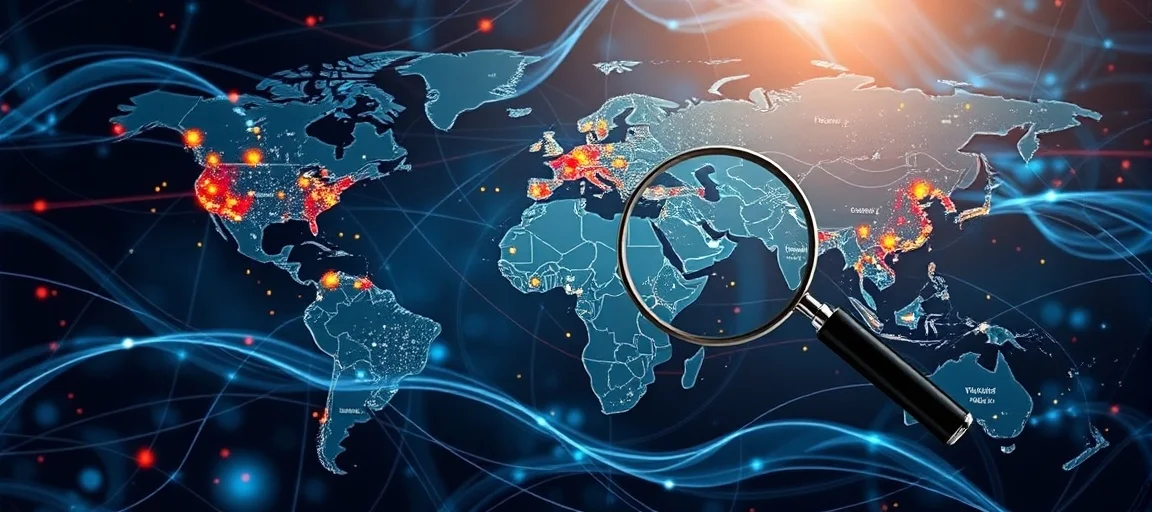
Mideast War Escalates: Iran Tensions & Oil Shock Reverberate Globally
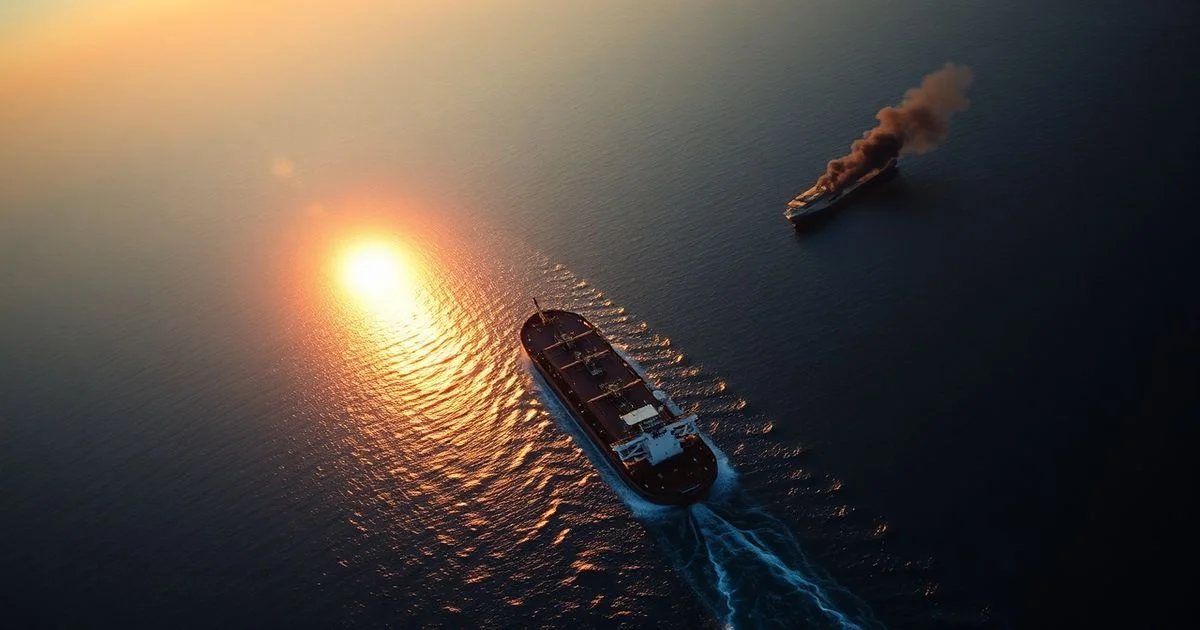
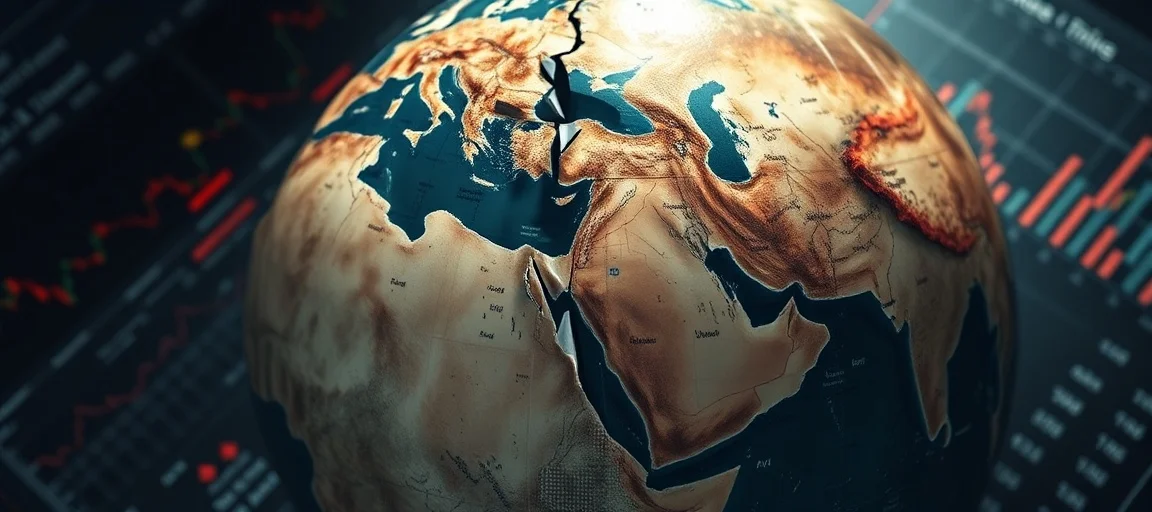
The Mideast War escalates, as Iran tensions and the looming oil shock reverberate globally, casting a long shadow over international markets and geopolitical stability. This intensifying geopolitical crisis, which saw a joint US-Israeli offensive against Iran on February 28, 2026, has ignited a wider regional conflagration and, most critically, triggered an acute Mideast War Escalates: Iran Tensions & Oil Shock that reverberates through international markets and daily life. The initial attacks, which included the assassination of Iran's Supreme Leader Ali Khamenei, were met with swift and severe retaliation from Tehran, propelling the region into uncharted and dangerous territory. This sudden escalation has profound implications for global stability, supply chains, and the fragile world economy, marking a critical juncture in modern geopolitics.
Background Context of the Escalation
The roots of the current conflagration are deeply embedded in long-standing tensions, particularly between Iran and the United States and its allies. For years, concerns over Iran's nuclear program, its ballistic missile capabilities, and its extensive network of regional proxies have fueled a simmering cold war, punctuated by isolated incidents and diplomatic stalemates. The international community has repeatedly attempted to curtail Iran's nuclear ambitions through negotiations and stringent sanctions, though Tehran has consistently resisted what it perceives as external interference.
A pivotal shift occurred in late February 2026 when the United States and Israel launched a coordinated military operation, codenamed Operation Epic Fury, targeting key Iranian military installations, air defenses, and leadership figures across the country. This offensive, described as an attempt to disable Iran's nuclear efforts and ballistic missile capabilities while also aiming for a change in government leadership, culminated in the death of Iran's Supreme Leader Ali Khamenei. The audacity of these strikes immediately transformed the regional dynamic, prompting a fierce and widespread response from Iran and its allied groups.
Key Players and Their Interests
The primary actors in this escalating conflict each harbor distinct, often conflicting, objectives. The United States and Israel aim to dismantle Iran's nuclear program, neutralize its ballistic missile threat, and curb its regional influence, which they view as destabilizing. Their actions reflect a strategy to achieve these goals through military means after years of what they considered ineffective diplomatic efforts.
Iran, on the other hand, seeks to assert its regional power, maintain its strategic depth through proxy forces, and resist external pressures on its sovereignty and nuclear ambitions. The assassination of its Supreme Leader has undoubtedly galvanized a hardline response, with the country's interim leadership vowing "vengeance and revenge" and demonstrating a resolve to prolong the conflict.
Regional allies and adversaries are also deeply intertwined. Saudi Arabia and the United Arab Emirates, historically wary of Iranian expansionism, find themselves directly impacted by the conflict's spillover, with Iran launching retaliatory attacks across the Middle East, including against US bases and allied countries. Hezbollah in Lebanon and various Iraqi militias aligned with Iran have actively engaged in hostilities against Israel and US forces, further broadening the scope of the war. Even Yemen's Houthis have joined the conflict, adding another complex layer to the regional instability.
Recent Incidents Fueling Tensions
The period leading up to the large-scale February 28 attacks was marked by a series of intensifying provocations. Tensions had been building for years, exacerbated by Iran's growing nuclear program and its non-compliance with international agreements. In June 2025, Israel launched a surprise attack on Iran, initiating a "Twelve-Day War" between the two nations, which included strikes on nuclear facilities and the killing of Iranian military leadership. The US also conducted strikes on Iranian nuclear sites during this period.
Following the US-Israeli offensive in February 2026, Iran's retaliation has been multifaceted. It launched missile and drone attacks across the Middle East, targeting US military bases in several Gulf states, and striking essential energy infrastructure, including Saudi Arabia's 550,000 b/d Ras Tanura refinery, the world's largest oil export terminal. Furthermore, Iran has directly confronted global shipping by effectively closing the Strait of Hormuz, a critical maritime chokepoint, dramatically escalating the economic dimension of the conflict. This sequence of events signifies a dangerous shift from proxy conflicts to direct state-on-state confrontation, drawing nearly all Middle Eastern countries into heightened instability.
Iran's Role and Regional Dynamics
Iran's strategic posture in the Middle East is defined by a complex interplay of ideological commitment, national security imperatives, and a desire to project influence. Its involvement in regional conflicts is often facilitated through an extensive network of proxy forces, allowing it to exert pressure and respond to perceived threats without direct military engagement of its conventional forces. However, the current escalation has seen Iran adopt more direct measures, reflecting the severity of the challenge it faces.
Iran's Nuclear Program and Sanctions
A cornerstone of international concern regarding Iran has been its nuclear program. Despite persistent international scrutiny and various diplomatic efforts, including the Joint Comprehensive Plan of Action (JCPOA), Iran has continued to pursue nuclear activities that violate its international obligations. For nearly a year, Iran has suspended cooperation with the International Atomic Energy Agency (IAEA), leading to uncertainty regarding the exclusively peaceful nature of its nuclear program and its stockpile of highly enriched uranium. The US and Israel have repeatedly stated their determination to prevent Iran from acquiring nuclear weapons, a primary stated objective for their February 2026 strikes.
Economic sanctions, primarily imposed by the United States, have long been a tool to pressure Iran into altering its nuclear and regional policies. These sanctions have significantly impacted Iran's economy, although Tehran has often found ways to mitigate their effects, including maintaining oil exports primarily to countries like China. The recent conflict and the disruption of oil flows, however, represent a new level of economic warfare, with Iran also utilizing its control over critical shipping lanes as leverage. The ongoing negotiations to reopen the Strait of Hormuz and potentially lift some sanctions highlight the intricate link between economic pressure and regional stability.
Proxy Conflicts and Regional Influence
Iran's foreign policy is significantly characterized by its support for various non-state actors across the Middle East, collectively referred to as the "Axis of Resistance." These proxies, including Hezbollah in Lebanon, Hamas in Gaza, and the Houthi movement in Yemen, serve to extend Iran's reach and counter the influence of the US, Israel, and Saudi Arabia. The current conflict has seen an increased activation of these groups, broadening the geographical scope of hostilities.
Hezbollah, a powerful Lebanese political party and militant group, has been deeply involved in the fighting, launching missiles and drones into Israel in retaliation for Israeli actions against Iran. This has escalated into the "2026 Lebanon war," resulting in significant casualties and displacement in both Lebanon and Israel. Iraqi militias have also engaged in attacks on US military bases in Iraq, Syria, and Jordan, demonstrating the widespread nature of Iran's network and its capacity to project power. The Houthis in Yemen have also joined the conflict, adding another layer of complexity to the Red Sea security situation and broader maritime threats. This interconnected web of conflicts underscores the regional destabilization directly attributable to Iran's strategy of cultivating and supporting proxy forces.
The Looming Oil Shock Amidst Escalating Mideast War: Iran Tensions and Oil Shock
The most immediate and far-reaching global consequence of the escalating Mideast conflict is the profound disruption to global energy markets, manifesting as a significant oil shock. The Strait of Hormuz, a narrow yet indispensable maritime passage, lies at the heart of this crisis. Any interference with its operations sends immediate ripples through the world's economy, triggering elevated prices and economic uncertainty across the globe.
Strait of Hormuz: A Critical Chokepoint
The Strait of Hormuz, nestled between Oman and Iran, serves as the sole maritime gateway connecting the Persian Gulf to the Gulf of Oman and the broader Arabian Sea. At its narrowest, this critical chokepoint is merely 21-29 nautical miles wide, comprising two-mile-wide navigable channels for inbound and outbound shipping. Its strategic importance cannot be overstated: historically, it facilitated the transit of approximately 20-21 million barrels of crude oil and petroleum products daily, accounting for roughly 20-25% of the world's seaborne oil trade and around one-fifth of global liquefied natural gas (LNG) trade. The bulk of these energy exports, nearly 80-85%, are destined for Asian markets, with China, India, Japan, and South Korea being major importers.
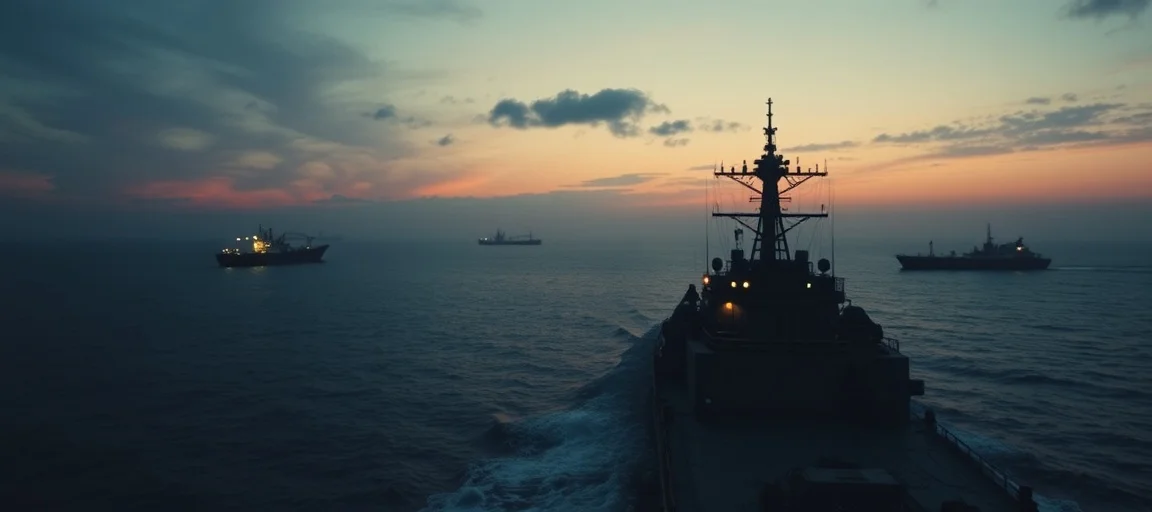
Following the recent escalation, Iran has effectively closed the Strait of Hormuz to "unfriendly" vessels, drastically curtailing energy flows. This action has led to what the International Energy Agency (IEA) describes as the "largest oil supply disruption in history," initially disrupting around 16-20% of the world's oil supply. While some alternative pipeline routes exist for Saudi Arabia and the UAE, their capacity is limited to 3.5 to 5.5 million barrels per day, leaving a significant portion of supplies reliant on the Strait. The persistent closure of this vital waterway has become a key point of contention in ongoing negotiations, with the US pushing for its reopening amidst Iranian demands for concessions.
Global Economic Repercussions
The disruption in the Strait of Hormuz has sent oil prices soaring and triggered a cascade of negative economic consequences worldwide. Brent crude oil prices, which were previously around 80 per barrel, surged past 120 per barrel following the full closure of the Strait in early March 2026. The World Bank forecasts that Brent oil could average 69 in 2025, and potentially reach 85 and $120 per barrel in short periods, highlights the acute uncertainty in global energy markets.
The economic impact extends far beyond crude oil. Natural gas prices, particularly in Europe, have seen significant spikes, with wholesale gas prices potentially tripling if the Strait were to remain fully closed for an extended period. Fertilizer prices have also increased sharply, driven by higher energy costs, threatening agricultural production and exacerbating food insecurity, especially in developing economies. Rising maritime insurance premiums and attacks on vessels further complicate global supply chains, increasing the cost of goods and services across the board.
Developing economies are particularly vulnerable to these fuel and food price shocks, amplifying existing economic vulnerabilities. Higher energy prices translate directly into increased inflation, eroding real incomes and squeezing household purchasing power. The World Bank predicts that inflation in developing economies could rise to 5.8% in 2026 under prolonged disruption scenarios. Regions like Asia-Pacific are expected to face substantial output losses, estimated to be between US299 billion, equivalent to 0.3 to 0.8 percent of regional GDP, with millions at risk of falling into poverty. The conflict poses a significant risk of stagflation—a combination of high inflation and stagnant economic growth—which could lead to delayed central bank rate cuts and even necessitate rate hikes, further stressing global financial markets.
International Reactions and Diplomatic Efforts
The escalating Mideast conflict has elicited a diverse range of reactions from the international community, marked by both calls for de-escalation and strategic alignments. Diplomatic efforts, though ongoing, face significant hurdles given the entrenched positions of the belligerents and the complex geopolitical landscape.
US Policy and Allied Responses
The United States, having initiated the joint strikes with Israel, finds itself at the forefront of the international response. Its stated policy aims to prevent Iran from obtaining nuclear weapons and to counter its regional threats. The Trump administration has faced intense partisan debate domestically regarding the justification and goals of US military involvement, with growing "war fatigue" across political lines. Despite a stated desire to avoid a prolonged conflict, the US maintains its largest military presence in the region since 2003 and has announced a counter-blockade on ships attempting to use Iranian ports.
Allied responses have been varied. While Canada has expressed support for US actions aimed at preventing Iran from acquiring nuclear weapons, it has emphasized that it is not militarily engaged. European nations, highly dependent on Middle Eastern energy imports, are primarily concerned with the economic and energy-related consequences, along with the prospect of new migration waves. However, their room for military and political maneuver remains limited, and NATO allies have reportedly declined US requests to escort shipping through the Strait of Hormuz during hostilities. In an attempt to lower global oil prices, the US temporarily removed sanctions on some Russian and Iranian oil, a measure renewed in mid-April. The International Energy Agency (IEA) members have also released 400 million barrels of oil from reserves to stabilize markets.
UN and Regional Initiatives
The United Nations Secretary-General, António Guterres, has issued stark warnings, stating that the world is "on the edge of a wider war" with catastrophic global implications. He has implored all parties to stop the "spiral of death and destruction" and called for diplomatic efforts to be given the space and support to succeed, emphasizing that any resolution must be anchored in international law. The UN has dispatched a Personal Envoy, Jean Arnault, to the region to assist in ongoing peace initiatives.
However, these diplomatic endeavors face considerable challenges. Peace talks between the US and Iran, facilitated by Pakistan, have been ongoing but remain largely inconclusive. Iran has expressed a deep lack of trust in negotiating with the United States due to past experiences of "failure and broken promises". A proposed draft UN Security Council resolution on the Strait of Hormuz, calling for an end to Iranian attacks and coordinated efforts for shipping access, was vetoed by China and Russia in early April. Meanwhile, Saudi Arabia hosted a summit of Gulf leaders to discuss regional and international developments and coordinate responses to the crisis, indicating a regional push for collective action.
Future Scenarios and Implications
The ongoing conflict in the Middle East presents a highly fluid and unpredictable situation, with potential future scenarios ranging from a protracted stalemate to a further, dangerous escalation. Each path carries significant implications for regional stability, global economics, and international relations.
One potential scenario involves a prolonged "frozen conflict" – a state of "no war and no deal" where hostilities continue at a managed intensity, but without a definitive resolution. In this scenario, the Strait of Hormuz might remain partially or intermittently closed, keeping oil prices elevated and volatile for an extended period, possibly around 80 per barrel or even higher if infrastructure damage persists. This would lead to sustained inflationary pressures and slower global economic growth, particularly impacting energy-importing economies in Europe and Asia. The global financial markets would continue to be buffeted by swings in investor sentiment, with government bonds potentially not serving as safe havens due to delayed easing cycles.
A more extreme scenario envisages a significant and lasting hit to energy flows, potentially pushing Brent crude oil prices to 100 per barrel or even $150+ per barrel for a prolonged period. This could be triggered by further attacks on critical oil and gas facilities or a complete and indefinite closure of the Strait of Hormuz. Such a development would lead to substantial global inflation, potentially over 1 percentage point higher in developed economies, and a meaningful slowdown in GDP growth, potentially shaving several tenths from 2026 forecasts. The World Bank has warned that in such a scenario, inflation in developing economies could rise to 5.8% this year, a level exceeded only in 2022, and could push up to 45 million more people into acute food insecurity. This would also likely trigger a widespread stagflationary environment, reminiscent of the 1970s oil shocks, leading to equity market declines and increased interest rates.
The long-term implications are equally concerning. The conflict risks undermining global economic growth by discouraging investment, worsening fiscal balances, and increasing debt burdens, especially in vulnerable developing economies. It could also reshape future energy investment, as countries reliant on imports seek more stable suppliers and diversify their energy sources. The ongoing division of military resources between conflicts, such as air defense systems and interceptor missiles diverted from Ukraine to the Middle East, highlights the broader strategic ramifications of this escalating regional instability. Ultimately, the duration of the war, the extent of infrastructure damage, and the political trajectory of Iran will be crucial determinants of its long-term global impact.
Conclusion
The current escalation of the Mideast War, driven by heightened Iran Tensions & Oil Shock, represents a critical and dangerous juncture for global stability. The joint US-Israeli strikes on Iran and Tehran's subsequent retaliation, including the effective closure of the Strait of Hormuz, have triggered an unprecedented energy crisis and are causing widespread economic and humanitarian reverberations across the globe. Oil prices have surged, inflation is on the rise, and global supply chains face severe disruptions, impacting developing economies most acutely.
As diplomatic efforts struggle to gain traction amidst deep-seated mistrust and continued hostilities, the world stands at the precipice of a potentially wider conflict with catastrophic implications. The long-term consequences could include sustained economic instability, increased food insecurity, and a reshaping of geopolitical alliances and energy investment strategies. The international community remains on high alert, grappling with the immediate challenges while confronting the daunting prospect of a prolonged and impactful Mideast War Escalates: Iran Tensions & Oil Shock that continues to unfold.
Frequently Asked Questions
Q: Why are the Strait of Hormuz tensions so critical for global oil supply?
A: The Strait of Hormuz is the world's most vital oil chokepoint, through which a significant portion of global seaborne oil and LNG passes daily. Its closure or disruption, as seen in the Mideast War, directly leads to massive supply shocks and soaring energy prices worldwide.
Q: What is the primary cause of the current Mideast escalation involving Iran?
A: The immediate trigger was a joint US-Israeli military offensive against Iran in February 2026, targeting its nuclear facilities and leadership, including the assassination of its Supreme Leader. This action escalated long-standing tensions over Iran's nuclear program and regional influence.
Q: How does this conflict impact global inflation and developing economies?
A: The conflict significantly raises global inflation due to surging oil and gas prices, increased shipping costs, and rising fertilizer prices. Developing economies are particularly vulnerable, facing higher food and fuel costs, potential output losses, and increased poverty rates, risking a stagflationary environment.