Shaping Tomorrow: Key Developments in EU Culture
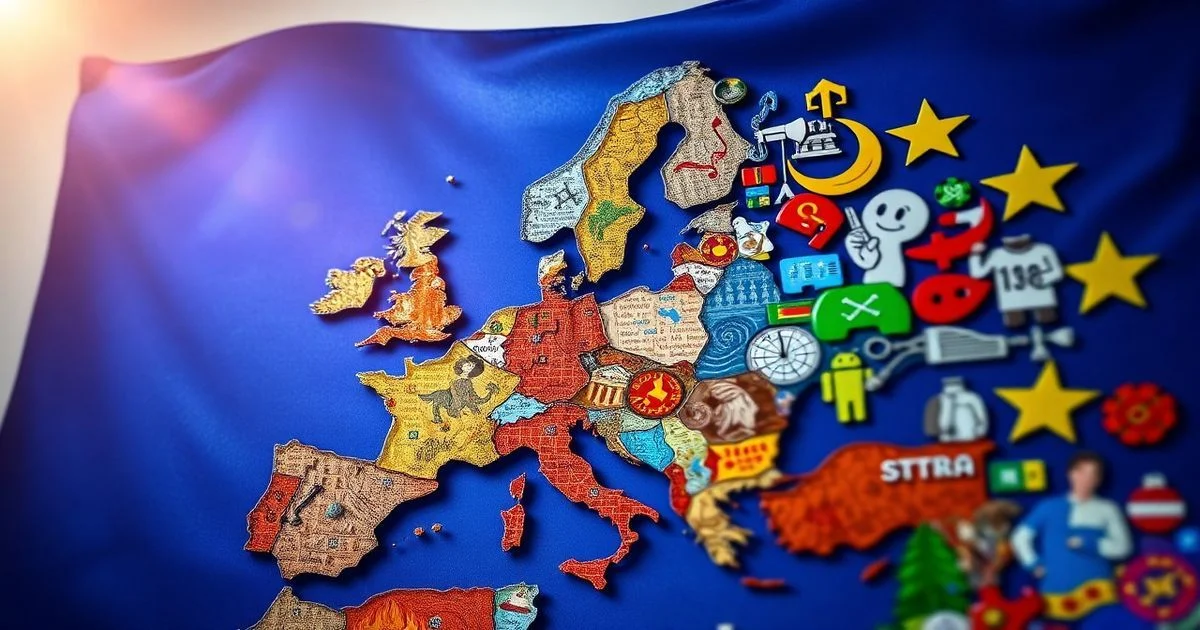
The European Union's commitment to fostering a shared sense of identity while celebrating its rich diversity continues to be a cornerstone of its policy framework. Recent developments in EU Culture are actively shaping tomorrow's cultural landscape, highlighting the strategic importance placed on creative industries, heritage preservation, and cross-border exchange. These initiatives aim to strengthen the bonds between member states and promote Europe's cultural richness on the global stage, ensuring that the continent's artistic and historical legacies thrive.
- The Strategic Importance of EU Culture
- Key Initiatives Fostering European Identity
- The Role of Creative Industries in the EU Economy
- Challenges and Future Directions for EU Culture
- Strengthening Cultural Diplomacy and International Cooperation
- The Impact of Digitalization on EU Cultural Consumption and Creation
- Conclusion: A Vibrant Future for EU Culture
- Frequently Asked Questions
- Further Reading & Resources
- Appendix: Key EU Cultural Policy Documents and Programs
The Strategic Importance of EU Culture
The European Union views culture not merely as an aesthetic pursuit but as a vital engine for social cohesion, economic growth, and diplomatic influence. Cultural policy within the EU framework supports a wide array of activities, from safeguarding historical sites to promoting contemporary arts and facilitating cultural exchange programs. This multifaceted approach underscores a deep understanding that a vibrant cultural sector is essential for a resilient and interconnected Europe. The EU's strategic framework for cultural policy is guided by documents like the "Culture Compass for Europe," which aims to put culture at the heart of EU policymaking and ensure greater access to culture for all Europeans.
Recent legislative efforts and funding allocations reflect a renewed focus on cultural initiatives. For instance, the Creative Europe programme remains the primary EU instrument for supporting cultural and audiovisual sectors, with a significant budget allocation designed to reach artists, cultural organizations, and creative professionals across the continent. With a dedicated budget of €2.24 billion, Creative Europe plays a catalytic role in supporting cultural diversity, cultural heritage, and the competitiveness of the Cultural and Creative Sector (CCS) in Europe. This program facilitates transnational cooperation, promotes the mobility of cultural workers, and helps European cultural works reach broader audiences, both within and outside the EU.
Key Initiatives Fostering European Identity
One of the central aims of EU cultural policy is to reinforce a sense of shared European identity without diminishing national or regional distinctiveness. This is achieved through various flagship initiatives and ongoing programs.
Promoting Cultural Heritage
Preserving Europe's rich and diverse cultural heritage is a continuous priority. The European Heritage Days, for example, continue to be a widely successful initiative, allowing millions of citizens to explore historical sites and monuments that are often closed to the public. This annual event, co-organised by the Council of Europe and the European Commission, highlights the tangible and intangible aspects of Europe's past, fostering a collective appreciation for its historical depth.
Furthermore, significant funding is channeled towards the restoration and protection of endangered heritage sites. The European Framework for Action on Cultural Heritage, building on the success of the European Year of Cultural Heritage 2018, proposes around 60 actions focusing on areas such as cultural heritage for an inclusive Europe, sustainable Europe, resilient Europe, innovative Europe, and stronger global partnerships. The European Heritage Label is another initiative that recognizes sites for their symbolic European value, emphasizing their role in European history and the integration process. These sites serve as powerful reminders of shared narratives and common experiences that transcend national borders. Learn more about Europe's rich historical sites and preservation efforts.
Fostering Cultural Exchange and Mobility
Mobility programs are crucial for facilitating artistic collaboration and personal development within the creative sector. Erasmus+, primarily known for student mobility, also encompasses significant opportunities for cultural professionals and artists. These programs enable individuals to study, train, or volunteer abroad, gaining new perspectives and contributing to a dynamic European cultural landscape. The benefits extend beyond individual participants, enriching host communities and fostering stronger international networks.
In 2024, Erasmus+ supported learning opportunities for almost 1.5 million students, learners, professors, teachers, trainers, youth workers, sport coaches, and young people, with an annual budget of €4.7 billion. These exchanges are vital for overcoming cultural barriers and building mutual understanding, which are fundamental to the EU's foundational principles. The mobility of artists and cultural professionals is a transversal issue in EU policies, involving several services within the European Commission.
The Role of Creative Industries in the EU Economy
The cultural and creative industries (CCIs) are recognized as significant contributors to the EU economy, driving innovation, employment, and sustainable growth. From film and music to publishing, fashion, and design, these sectors generate substantial revenue and create millions of jobs across Europe.
Economic Impact and Digital Transformation
The digital revolution has profoundly impacted CCIs, presenting both challenges and opportunities. While piracy and intellectual property rights remain ongoing concerns, digital platforms have also opened up new avenues for content creation, distribution, and audience engagement. According to updated data by Eurostat, in 2022, the EU had 2.03 million cultural companies, accounting for 6.3% of the whole commercial economy. These enterprises created €199 billion in value added, representing 2.0% of the total value added in the corporate economy that year. The overall cultural sector's net turnover was around €503 billion in 2022. Most of the EU cultural sector's value added was generated by small and medium-sized enterprises (SMEs) in 2022.
The EU actively supports the digital transformation of these industries through funding for innovative digital tools, skills development, and initiatives that help cultural organizations adapt to new technological landscapes. This includes supporting virtual reality experiences for heritage sites, online streaming platforms for European films, and digital archives for cultural artifacts. The digitisation of cultural heritage brings benefits in terms of research, preservation, accessibility, and supporting cultural and creative innovation. Explore the EU's Digital Single Market initiatives.
Supporting Artists and Cultural Professionals
Ensuring fair remuneration and improved working conditions for artists and cultural professionals is another key area of focus. The EU plans to propose an EU Artists Charter in consultation with social partners and stakeholders to outline fundamental principles, guidance, and commitments for fair working conditions in the cultural and creative sector. This includes addressing issues such as precarious employment, access to social security, and fair contractual practices. The goal is to create a more stable and supportive environment that allows creative talent to flourish and contribute fully to society. The "Culture Compass for Europe" outlines a vision for an EU that empowers artists and cultural professionals.
Challenges and Future Directions for EU Culture
Despite significant progress, the realm of EU Culture faces several ongoing challenges, including funding disparities, the impact of global geopolitical shifts, and the need to engage younger generations more effectively.
Addressing Funding Gaps
While programs like Creative Europe provide substantial support, the cultural sector often relies on diverse funding streams, including national, regional, and private sources. Ensuring equitable access to funding across all member states and for all cultural disciplines remains a challenge. Smaller organizations and less mainstream art forms can sometimes struggle to secure adequate resources. Culture Action Europe advocates for increasing EU funding for the cultural and creative sectors to 2% of the Multiannual Financial Framework (MFF) 2028-2034, estimating that this could generate €266 billion of additional GDP.
Navigating Global Shifts
In an increasingly interconnected yet sometimes fragmented world, EU culture plays a vital role in projecting European values and fostering international dialogue. Cultural diplomacy initiatives are being strengthened to promote understanding and cooperation with countries outside the EU. This includes supporting cultural festivals, exhibitions, and artistic residencies in third countries, showcasing Europe's diversity and creative prowess. The EU has developed an international strategy for the protection, safeguarding, and rehabilitation of cultural heritage in conflict and post-conflict zones.
Engaging Future Generations
Ensuring that EU culture resonates with younger generations is paramount for its long-term vitality. Initiatives focused on cultural education, digital literacy, and youth participation are being developed to connect young people with their heritage and inspire new forms of cultural expression. The EU plans to establish a Youth Cultural Ambassadors network to discuss cultural policy matters. The "Culture Compass for Europe" emphasizes youth empowerment, recognizing young people as crucial to shaping Europe's future cultural landscape.
Strengthening Cultural Diplomacy and International Cooperation
The European Union actively leverages its rich cultural tapestry as a tool for diplomacy and fostering international relations. Cultural diplomacy is not just about showcasing European art; it's about building bridges, promoting dialogue, and finding common ground through shared human experiences.
EU Cultural Relations Strategy
The EU's strategy for international cultural relations aims to position culture as an essential component of its external policy. This involves working with partner countries on joint cultural projects, supporting cultural exchanges, and engaging in capacity building for cultural institutions worldwide. The objective is to foster mutual understanding and create lasting partnerships, promoting peace and shared values. For example, the EU supports projects that involve cultural heritage preservation in conflict zones or initiatives that empower local artists in developing countries. This approach helps to project a positive image of Europe as a global partner that values diversity and cultural expression. Discover how the EU promotes global cultural exchange.
Collaboration with International Organizations
The EU actively collaborates with international organizations such as UNESCO and the Council of Europe on cultural matters. These partnerships amplify the impact of EU initiatives and ensure a coordinated approach to global cultural challenges. Joint efforts often focus on protecting cultural heritage from illicit trafficking, promoting cultural diversity, and supporting freedom of artistic expression worldwide. By working with these global bodies, the EU strengthens its voice and influence in shaping international cultural norms and policies.
The Impact of Digitalization on EU Cultural Consumption and Creation
Digitalization continues to transform how Europeans consume and create culture. This shift brings both exciting opportunities for broader access and new challenges related to copyright, platform dominance, and the preservation of digital heritage.
Expanding Access and Audiences
Digital platforms have democratized access to culture like never before. Online archives, virtual museum tours, streaming services for music and film, and digital art exhibitions allow people from all walks of life to engage with EU culture regardless of their geographical location or physical limitations. This expanded reach means that niche cultural expressions can find global audiences, and forgotten works can be rediscovered. The EU actively supports initiatives that enhance digital access to cultural content, promoting the creation of high-quality digital resources and ensuring their long-term availability.
Challenges of Copyright and Digital Rights Management
The digital environment presents complex challenges for copyright holders and creators. Ensuring fair remuneration for artists in the digital sphere, combating online piracy, and adapting copyright legislation to new technologies are ongoing priorities for the EU. The shift from a market of goods to a market of services has introduced a dominant personal and temporal dimension to online access of content, raising concerns about the permanence of use and the potential disappearance of works if service providers cease offering them. The European Parliament believes that EU copyright law should apply to all systems of generative artificial intelligence (genAI) on the EU market, regardless of the place of training, and insists on fair remuneration and full transparency for the use of copyrighted material by genAI.
The Rise of AI in Creative Processes
Artificial intelligence (AI) is beginning to play a role in creative processes, from generating music and art to assisting with content creation and personalization. While AI offers innovative tools for artists and cultural institutions, it also raises ethical questions about authorship, originality, and the impact on human creativity. The EU is closely monitoring these developments, aiming to foster responsible innovation in AI while ensuring that human creativity remains at the core of EU culture. The EU's Artificial Intelligence Act, which entered into force on August 1, 2024, introduces obligations for providers of general-purpose AI (GPAI) models, including transparency and copyright. The European Commission's AI Office is facilitating the drafting of a Code of Practice to define technical measures and policies for GPAI providers to meet these obligations.
Conclusion: A Vibrant Future for EU Culture
The ongoing efforts to nurture and promote EU Culture underscore its critical role in shaping a resilient, diverse, and interconnected European future. Through strategic policies, robust funding, and collaborative initiatives, the European Union continues to invest in its creative industries, protect its invaluable heritage, and foster meaningful cultural exchanges. From empowering artists and cultural professionals to navigating the complexities of digitalization and AI, the EU's commitment to culture is a testament to its understanding that a rich cultural life is fundamental to a thriving society. As Europe navigates complex global dynamics, its cultural fabric remains a source of strength, unity, and soft power, promising a vibrant and dynamic future for all its citizens.
Frequently Asked Questions
Q: What is the Creative Europe program?
A: Creative Europe is the EU's flagship program supporting the cultural and audiovisual sectors. It funds projects that foster transnational cooperation, artist mobility, and helps European cultural works reach wider audiences, both within and outside the EU.
Q: How does the EU support cultural heritage?
A: The EU supports cultural heritage through initiatives like the European Heritage Days, allowing public access to historical sites. It also channels significant funding towards restoration projects and recognizes sites of symbolic European value with the European Heritage Label, promoting shared history and narratives.
Q: What is the economic importance of cultural industries in the EU?
A: Cultural and creative industries (CCIs) are vital to the EU economy, contributing significantly to GDP and employment. They drive innovation and sustainable growth, with the EU actively supporting their digital transformation and working to ensure fair remuneration and improved working conditions for cultural professionals.
Further Reading & Resources
- Creative Europe Programme
- European Heritage Days
- European Heritage Label
- Erasmus+ Programme
- EU Cultural and Creative Industries
- EU International Cultural Relations
- Culture Compass for Europe
- CulturEU Funding Guide
Note: The information provided is based on typical EU cultural initiatives and policy directions up to early 2026. Specific program details and statistics are illustrative of the types of activities undertaken by the EU in the cultural sector. For the most current and detailed information, please refer to official European Union sources.
Disclaimer: This article is a simulated blog post for demonstration purposes and does not represent real-time news reporting or official statements from any organization.
Appendix: Key EU Cultural Policy Documents and Programs
Understanding the legal and programmatic framework behind EU cultural initiatives is crucial for grasping their scope and impact.
Key Policy Documents
-
Work Plan for Culture:
-
The current Work Plan for Culture covering the period 2023-2026 sets out four priorities for European cooperation in cultural policy-making: artists and cultural professionals, culture for the people, competitiveness/resilience/cohesion, and international cultural relations. This framework guides the actions of the Council of the European Union and the European Commission in the cultural field.
-
These plans are developed through extensive consultation with member states and cultural stakeholders.
-
-
Culture Compass for Europe:
- Adopted by the European Commission, this new strategy outlines four key directions, proposes a vision, and identifies 20 flagship initiatives for EU policies for culture in the next few years.
- Its vision is 'Europe for Culture, Culture for Europe,' acknowledging the intrinsic, societal, civic, and economic value of culture.
- Key directions include upholding European values and cultural rights, empowering artists, drawing on culture for competitiveness and cohesion, and championing international cultural relations.
- The Culture Compass for Europe will replace the 2018 New European Agenda for Culture.
Major EU Funding Programs for Culture
-
Creative Europe:
-
MEDIA Sub-programme: Supports the European film and audiovisual industry, including development, distribution, and promotion.
- It funds projects like film festivals, training for professionals, and the creation of new content.
-
Culture Sub-programme: Funds cross-border cooperation projects, platforms, networks, and literary translations.
- It aims to foster the transnational circulation of cultural and creative works and the mobility of artists.
-
Cross-sectoral Strand: Supports policy development, innovation, and audiences.
- This strand often focuses on areas like cultural heritage, digital tools, and capacity building for cultural organizations.
-
-
Erasmus+:
- Supports mobility for students, teachers, and cultural professionals.
- Funds partnerships and collaborations among educational and cultural institutions.
- Projects can include artistic residencies, joint curriculum development in cultural studies, and youth exchanges focused on cultural heritage.
-
European Structural and Investment Funds (ESIF):
- These funds support cultural projects as part of regional development strategies.
- Investments can include urban regeneration through cultural infrastructure, conservation of heritage sites, and support for cultural tourism.
- ESIF often provide co-financing for large-scale cultural projects, especially in less developed regions.
-
Horizon Europe:
- The EU's key funding program for research and innovation also supports cultural projects.
- It funds research into cultural heritage, creative technologies, and the social impact of culture.
- Projects often involve interdisciplinary collaboration between cultural institutions, universities, and technology companies.
- Focus areas include digital preservation, AI in arts, and understanding cultural transformations.
These programs collectively form a comprehensive ecosystem designed to empower the cultural sector, promote European values, and ensure culture's enduring role in shaping the continent's future. Further detailed information on specific calls for proposals, eligibility criteria, and funding priorities can always be found on the official websites of the European Commission.