SE Asia Games 2026: A Landmark Event in Regional Sports
The SE Asia Games 2026 is set to be a landmark event in the realm of regional sports, celebrating the athletic spirit and competitive fervor of Southeast Asian nations. As the region prepares to host this prestigious biennial multi-sport event, the excitement and anticipation are palpable among athletes, sports officials, and international fans alike. This 33rd edition of the games signifies a return to a traditional hosting cycle and a renewed commitment to sporting excellence in one of the world's most dynamic regions.
Background and History of the SE Asia Games
The SE Asia Games, formally known as the Southeast Asian Games, have a rich and storied history that dates back more than six decades. The event was originally conceived as the Southeast Asian Peninsular (SEAP) Games. The primary objective was to promote regional sports development, foster unity, and encourage cooperation among Southeast Asian nations through healthy competition.
The first SEAP Games were held in Bangkok, Thailand, in 1959. At that time, the event featured a modest number of participating countries and sports disciplines. However, the vision was clear: to create a platform where regional athletes could hone their skills and prepare for larger international stages like the Asian Games and the Olympics.
In 1977, the SEAP Federation saw the inclusion of Indonesia and the Philippines, leading to the rebranding of the event as the Southeast Asian Games. This expansion significantly boosted the level of competition and the diversity of sports represented. Over the years, the SE Asia Games have grown in stature, evolving into a premier sporting spectacle that captures the hearts of millions across the continent.
Evolution of the SE Asia Games
The evolution of the SE Asia Games is marked by its increasing inclusivity and complexity. From its humble beginnings with six founding members—Burma (now Myanmar), Laos, Malaya (now Malaysia), Thailand, and the then-Republic of Vietnam—it has expanded to include all 11 nations of Southeast Asia.
The technological and logistical advancements over the decades have allowed for a more professional broadcasting experience and world-class venue infrastructure. What began as a regional gathering has transformed into a high-stakes competition where national pride is on the line. The introduction of traditional regional sports alongside Olympic mainstays has given the games a unique cultural flavor that distinguishes them from other international multi-sport events.
Logistics and Venues for the SE Asia Games 2026
The 33rd edition of the games, officially the SE Asia Games 2026, will be hosted by Thailand. This marks the seventh time Thailand has served as the host nation, underscoring its pivotal role in the regional sporting community. Unlike previous editions that were often concentrated in a single capital city, the 2026 games will utilize a multi-city hosting model to promote decentralization and regional development.
Primary Host Cities
Thailand has designated three main hubs for the competition:
-
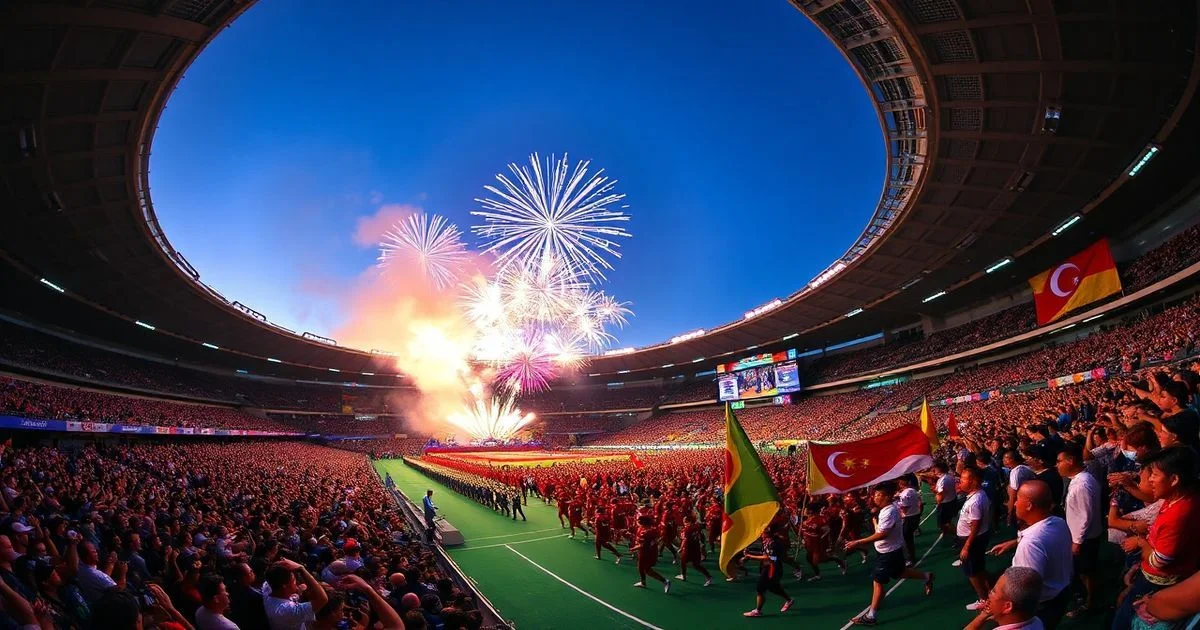
Bangkok: As the capital city, Bangkok will host the opening and closing ceremonies, along with high-profile events such as athletics and aquatics. The city's existing infrastructure, including the Rajamangala National Stadium, provides a ready-made foundation for world-class competition.
-
Chonburi: Known for its coastal beauty and sporting facilities, Chonburi will likely host water-based events and various indoor disciplines. Its proximity to Bangkok makes it an ideal satellite hub for fans and media.
-
Songkhla: Situated in the south, Songkhla's inclusion is a strategic move to spread the economic and social benefits of the games throughout the country. This province will showcase Thailand's diversity and provide a unique backdrop for several outdoor competitions.
The logistical planning for the SE Asia Games involves coordinated efforts between the Sports Authority of Thailand (SAT) and the Southeast Asian Games Federation (SEAGF). Ensuring smooth transportation between these hubs for thousands of athletes and officials is a primary focus of the organizing committee.
Key Features of the 2026 Edition
The SE Asia Games 2026 promises to be an exciting and memorable event, with several key features that set it apart from previous editions. One of the most significant changes is the refined sports program, which aims to align more closely with Olympic standards while still honoring regional traditions.
Sports and Events
The 2026 edition will feature a diverse range of sports, divided into categories as mandated by the SEAGF Charter. Category 1 includes compulsory sports like athletics and aquatics, which are the backbone of any major multi-sport event. Category 2 consists of Olympic and Asian Games sports, such as cycling, gymnastics, and various team sports like football and volleyball.
Category 3 is perhaps the most unique aspect of the SE Asia Games, as it includes traditional and "new" sports. This often features disciplines such as:
- Muay Thai (Thai Boxing)
- Pencak Silat
- Sepak Takraw
- E-sports
A total of 37 sports and 714 events are planned, providing ample opportunities for athletes to showcase their skills. The inclusion of e-sports continues the trend of modernization, recognizing the growing importance of digital athletics in the 21st century.
Participating Countries
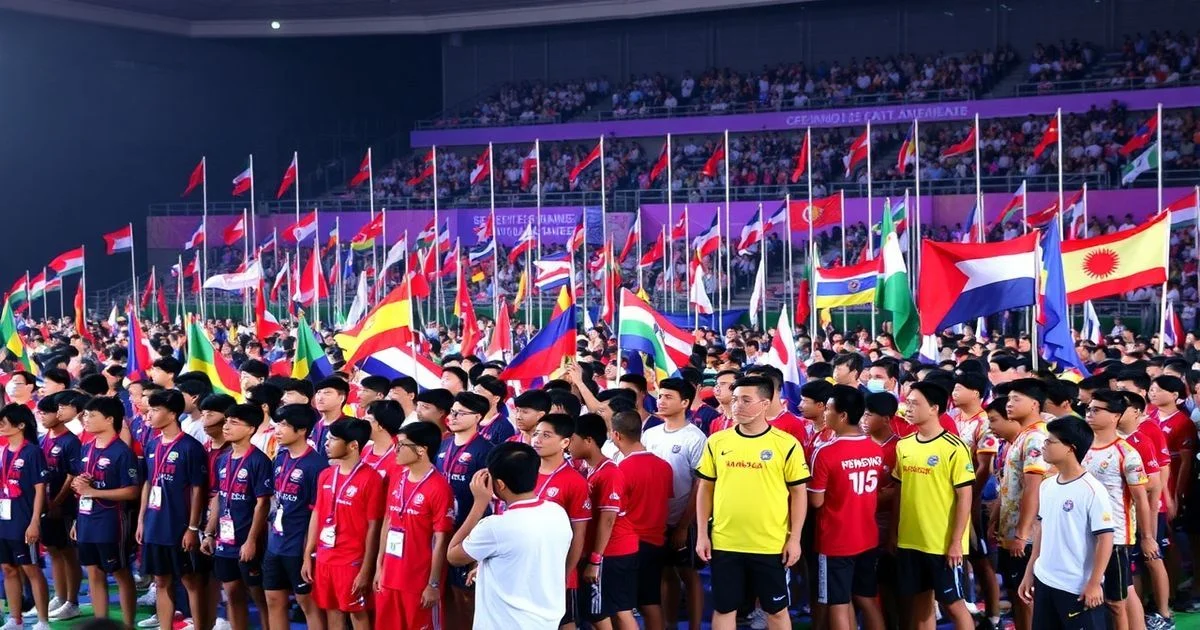
The SE Asia Games 2026 will see the participation of 11 Southeast Asian countries, bringing together a vibrant mix of cultures and languages. The participating nations are:
- Brunei
- Cambodia
- Indonesia
- Laos
- Malaysia
- Myanmar
- Philippines
- Singapore
- Thailand (Host)
- Timor-Leste
- Vietnam
Each country will send its best athletes, many of whom have spent years training specifically for this window of competition. For many emerging athletes, the SE Asia Games serve as the most significant milestone of their professional careers.
Impact and Benefits of the SE Asia Games
The SE Asia Games 2026 is expected to have a significant impact on the region, extending far beyond the realm of gold medals and podium finishes. The multi-dimensional benefits of hosting such an event include economic stimulation, social cohesion, and the promotion of a healthy lifestyle.
Economic Benefits
The event is expected to generate substantial economic benefits for the host country, Thailand. The influx of international tourists, media personnel, and official delegations will provide a significant boost to the hospitality and service sectors.
- Tourism Revenue: Hotels, restaurants, and local attractions in Bangkok, Chonburi, and Songkhla are expected to see record-high bookings during the two-week event.
- Job Creation: The construction of new facilities and the management of the games themselves create thousands of temporary and permanent jobs for local residents.
- Infrastructure Development: To meet international standards, the host cities undergo significant infrastructure upgrades, including improved public transport and modernized sporting venues, which serve the community long after the games have concluded.
Social and Cultural Benefits
The SE Asia Games 2026 will promote social and cultural exchange among Southeast Asian nations, fostering greater understanding, tolerance, and cooperation. In a region with diverse political and social landscapes, sports serve as a universal language that transcends boundaries.
The games provide a platform for athletes to interact with each other, share experiences, and build lasting relationships. For the youth of Southeast Asia, seeing their national heroes compete on such a grand stage serves as a powerful inspiration, encouraging them to pursue sports and physical fitness.
Expert Opinions and Quotes
The significance of the 2026 edition has been noted by several high-ranking officials in the sports community.
"The SE Asia Games 2026 is an excellent opportunity for Southeast Asian nations to come together and celebrate their athletic achievements. We expect to see high-level competition, exciting performances, and a showcase of regional talent that will inspire the next generation of olympians," stated Dato' Seri Irmadi bin Haji, President of the Southeast Asian Sports Federation.
Local organizers in Thailand have also expressed their commitment to excellence. "Our goal is not just to host a sports event, but to create a legacy of sustainability and unity," remarked a representative from the Sports Authority of Thailand. "By involving multiple provinces, we are ensuring that the spirit of the games reaches every corner of our nation."
Future Challenges and Sustainability
Hosting an event of this magnitude is not without its challenges. The organizing committee for the SE Asia Games 2026 must navigate complex issues such as environmental sustainability, budget management, and athlete safety.
Thailand has expressed a strong commitment to making the 2026 games a "Green Games." This includes initiatives to reduce plastic waste, implement energy-efficient lighting in stadiums, and promote public transportation for fans. Ensuring that the environmental footprint of the event is minimized is a key priority for modern sports hosting.
Furthermore, the management of costs is a critical concern. In an era where some international games have faced criticism for overspending, Thailand aims to utilize existing facilities wherever possible, ensuring that the games are economically viable and provide a genuine return on investment for the public.
Frequently Asked Questions
Q: When will the SE Asia Games 2026 take place?
A: The games are scheduled to be held from December 9 to December 20, 2026. This timeframe was chosen to take advantage of the cooler weather in Thailand, providing optimal conditions for both athletes and spectators.
Q: Which cities in Thailand are hosting the SE Asia Games 2026?
A: The 2026 edition will be hosted across three main hubs: the capital city of Bangkok, the coastal province of Chonburi, and the southern province of Songkhla. This multi-city approach is designed to showcase different regions of Thailand.
Q: How many sports will be featured in the 2026 SE Asia Games?
A: The current program includes 37 sports encompassing a wide variety of disciplines, from traditional Olympic sports like athletics and swimming to regional favorites like Sepak Takraw and Muay Thai.
Conclusion
The SE Asia Games 2026 is set to be a monumental event in regional sports, showcasing athletic prowess, fostering unity, and promoting cooperation among Southeast Asian nations. With its rich history, diverse range of sports, and significant socio-economic impact, the SE Asia Games continue to be an indispensable platform for athletes, officials, and fans alike.
As the region prepares to host this prestigious event, the focus remains on creating a sustainable and inclusive environment where excellence can thrive. The SE Asia Games 2026 promises to be an unforgettable experience, reinforcing the bond between the 11 participating nations and leaving a lasting legacy for years to come. Whether through the breaking of records or the building of new friendships, the spirit of Southeast Asia will undoubtedly shine bright in December 2026.