Nigeria to Repatriate Citizens Amid South Africa Tensions: A Deep Dive
Recent diplomatic friction between Nigeria and South Africa has intensified following a fresh wave of xenophobic violence targeting foreign nationals in the latter. In a significant development, Nigeria is actively planning the voluntary repatriation of its citizens amid South Africa tensions, prompting widespread concern and calls for urgent intervention. This move underscores the persistent challenges faced by African migrants in South Africa and the strained bilateral relations between the continent's two largest economies. The decision to repatriate follows reports of violent protests, assaults, and even deaths involving Nigerian citizens, raising profound concerns about their safety and well-being in the host country.
- Escalating Tensions and Repatriation Efforts
- Background of Diplomatic Strain
- The Decision to Repatriate: A Government Response
- South Africa's Perspective and Response
- Humanitarian Concerns and International Reaction
- Economic and Political Ramifications
- Ongoing Diplomatic Efforts
- Nigeria to Repatriate Citizens Amid South Africa Tensions: A Path Forward
- Conclusion
- Frequently Asked Questions
- Further Reading & Resources
Escalating Tensions and Repatriation Efforts
The Nigerian government has officially commenced arrangements for the voluntary repatriation of its citizens from South Africa, driven by renewed fears of xenophobic attacks and widespread anti-immigrant sentiment. Foreign Minister Bianca Odumegwu-Ojukwu confirmed these plans, stating that Nigerian lives and businesses in South Africa must not continue to be put at risk. As of early May 2026, at least 130 Nigerians have registered for evacuation, with officials anticipating this number to increase as outreach efforts intensify. The process is described as voluntary, and individuals seeking to return will reportedly be responsible for the cost of their travel, with the Nigerian government committed to facilitating and coordinating their safe return.
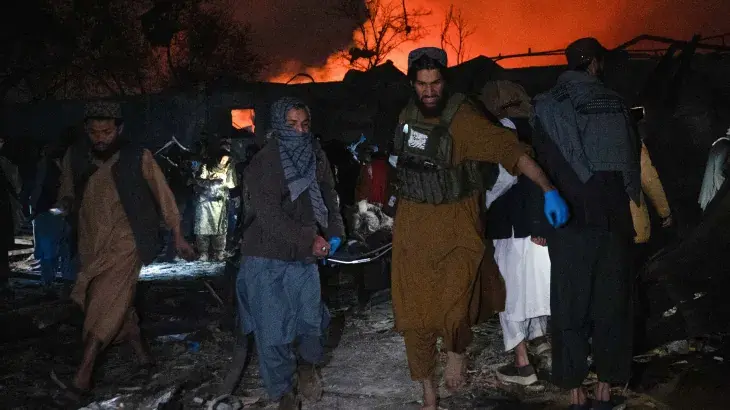
This recent push for repatriation is a direct response to a surge in anti-foreigner demonstrations across parts of South Africa, particularly in Durban, KwaZulu-Natal. These protests have led to disturbing incidents, including the alleged deaths of two Nigerians in separate circumstances, one reportedly involving security personnel. Beyond physical violence, migrants have reportedly been denied access to essential services like healthcare, their businesses forced to shut down, and children turned away from schools, creating an atmosphere of fear and uncertainty.
Background of Diplomatic Strain
The relationship between Nigeria and South Africa has historically been fraught with periods of tension, largely stemming from recurring xenophobic violence in South Africa. Previous major outbreaks in 2008, 2015, and 2019 led to significant diplomatic rows, mass repatriations, and a considerable strain on bilateral ties. These incidents are often fueled by economic frustrations, high unemployment rates, and perceptions among some South Africans that foreign nationals are competing for jobs and resources.
Nigeria, with one of the largest diaspora populations in South Africa, has frequently seen its citizens disproportionately affected during these periods of unrest. Each wave of violence triggers a strong response from Abuja, calling for accountability and protection for its nationals. Despite past diplomatic engagements and the signing of memoranda of understanding aimed at early warning mechanisms, the recurrence of these attacks highlights a persistent underlying issue that continues to challenge the stability of intra-African relations.
The Decision to Repatriate: A Government Response
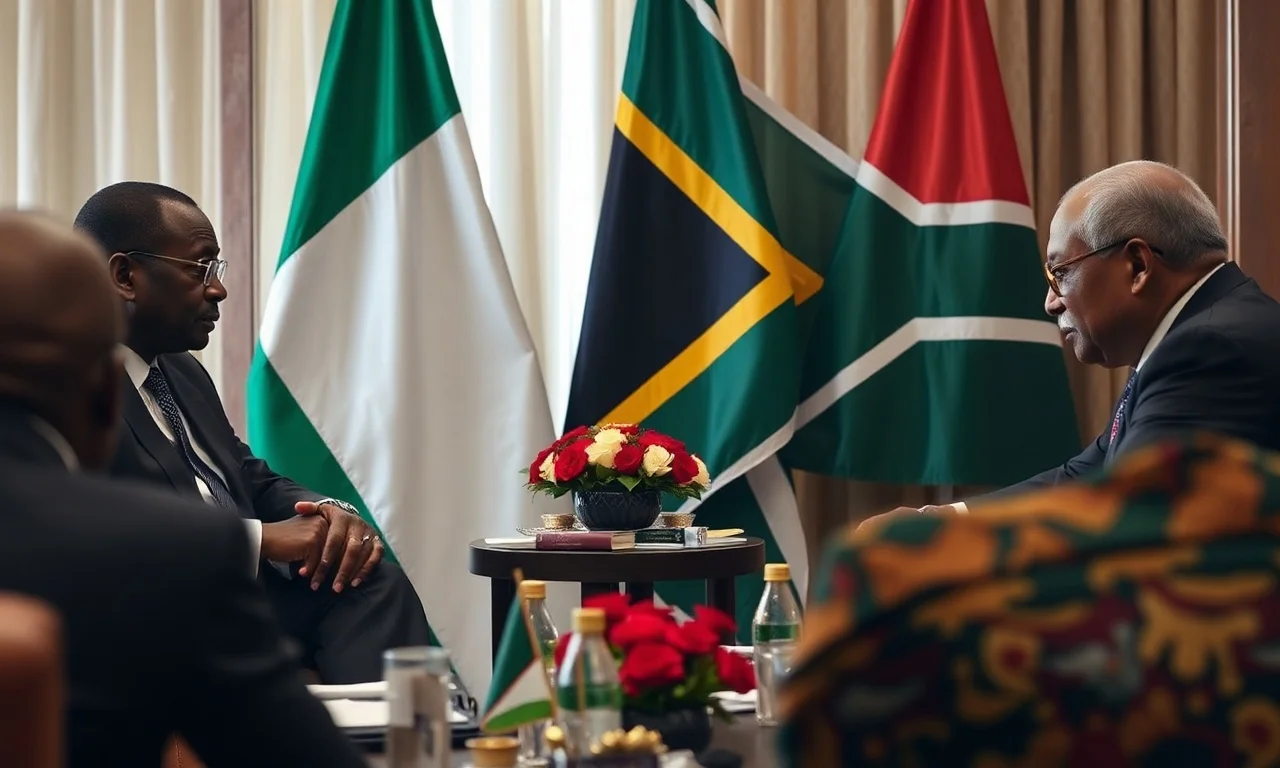
President Bola Tinubu has reportedly directed a stronger engagement with South African authorities and called for enhanced intervention by security agencies to restore calm and protect vulnerable communities. The Nigerian Ministry of Foreign Affairs summoned South Africa's Acting High Commissioner, Bobby Moroe, to formally convey Nigeria's profound concern regarding the recent events. During this high-level meeting, Nigerian officials pressed for stronger protections for their citizens, thorough investigations into the attacks, and concrete measures to prevent future occurrences.
Foreign Minister Odumegwu-Ojukwu emphasized that Nigeria expects concrete actions beyond mere statements, demanding investigations, accountability, and preventive measures. Nigeria also raised concerns over hostile messaging and mobilization by groups promoting anti-foreigner sentiments, urging South African authorities to curb inflammatory rhetoric. This diplomatic offensive is part of a broader effort to ensure justice for victims and to create a safer environment for Nigerians living abroad.
Governmental Response
The Nigerian government's immediate response includes collating details of affected citizens and working with its missions in South Africa to facilitate their return. The Minister of Foreign Affairs, Bianca Odumegwu-Ojukwu, stated in a social media announcement that the government is closely monitoring the situation. President Tinubu's administration has made the safety of its citizens a priority, highlighting the urgency of the repatriation program.
The Nigerians in Diaspora Commission (NiDCOM) has also voiced serious concerns, noting that the situation on the ground appears to be deteriorating despite previous diplomatic efforts. NiDCOM Chairman/CEO, Abike Dabiri-Erewa, stressed that Nigerians are increasingly living in fear, with their daily activities severely disrupted, and urged immediate and visible steps from the South African government to curb the attacks.
Logistical Challenges
The voluntary repatriation process, while aimed at providing safety, presents its own set of logistical challenges. While the Nigerian government is coordinating the effort, citizens expressing a desire to return are expected to fund their own trips. This financial responsibility could be a significant barrier for many who have already suffered economic losses due to the unrest. In past repatriation exercises, Nigerian airline owners, such as Allen Onyema of Air Peace, have sometimes sponsored flights, but the current plan places the financial burden on the individuals themselves.
The collection of personal details, including passport information and proof of circumstances qualifying for repatriation, is underway. Ensuring a smooth, orderly, and dignified return for all willing individuals will require significant coordination between diplomatic missions, airline operators, and community leaders in South Africa.
South Africa's Perspective and Response
South African President Cyril Ramaphosa has publicly condemned the violence, stating that such attacks have no place in the country's way of life. However, his remarks also emphasized the need for proper documentation among immigrants, which has drawn criticism from some quarters, who argue it risks legitimizing attacks against migrants irrespective of their legal status. South African officials have consistently reaffirmed their commitment to bilateral ties with Nigeria and pledged cooperation on migration issues, assuring that they oppose unlawful attacks or intimidation against foreign nationals.
The South African government faces a delicate balancing act: addressing the grievances of its citizens, some of whom feel neglected or economically disadvantaged, while upholding its constitutional obligations to protect all residents within its borders, including foreign nationals. The recurring nature of xenophobic incidents points to deeper socio-economic issues that the government has struggled to resolve effectively.
Official Statements
Minister of Foreign Affairs Ronald Lamola of South Africa has been in discussions with his Nigerian counterpart, acknowledging the gravity of the situation. Public statements from key South African government officials, including President Ramaphosa, Home Affairs Minister Leon Schreiber, and Police Affairs Minister Firoz Cachalia, have expressed opposition to extra-judicial killings, destruction of property, and anti-foreigner propaganda. They have urged citizens not to take the law into their own hands and to report concerns to enforcement authorities.
Despite these condemnations, critics argue that the government's response has often been slow or inadequate in quelling the violence and ensuring accountability for perpetrators. This perception of inaction further exacerbates the anxieties of foreign nationals and fuels diplomatic tensions.
Community Impact
The impact on migrant communities, particularly Nigerians, has been devastating. Fear has become a daily reality, disrupting normal life and economic activities. Businesses built over years are being destroyed, livelihoods are threatened, and communities are destabilized. The psychological toll of living under constant threat cannot be overstated, contributing to the strong desire for repatriation among those who feel unsafe.
The targeting of foreign-owned shops and the demand for immigration documents by vigilante groups in areas like Pietermaritzburg highlight the organized nature of some of these anti-immigrant actions. These actions not only violate human rights but also undermine the principles of African unity and solidarity.
Humanitarian Concerns and International Reaction
The escalating violence has sparked significant humanitarian concerns, drawing attention from international bodies and human rights advocates. The safety and security of Nigerian nationals, along with other African migrants, remains a paramount issue. Reports of deaths and severe injuries underscore the urgent need for robust protection mechanisms and swift justice for victims. The UN has previously condemned xenophobic attacks in South Africa, highlighting the continent-wide implications of such unrest.
The international community, including regional blocs like the African Union, often watches these developments closely. The coordinated diplomatic protests by Nigeria and Ghana, and potentially Mozambique, signal a growing pressure on South Africa to address the recurring xenophobic tensions more decisively. These incidents place South Africa's human rights record under scrutiny and impact its standing on the continent.
Safety of Nationals
For Nigeria, the immediate priority is the safety of its citizens. The voluntary repatriation serves as a crucial measure for those who feel their lives are at risk. The Nigerian government's firm stance indicates that it will not tolerate the mistreatment or arbitrary targeting of its diaspora. This commitment extends to seeking justice for those who have been harmed or killed during the unrest.
The incidents where Nigerians allegedly died in the custody of security personnel or as a result of assaults are particularly concerning, prompting demands for full investigations and regular diplomatic updates from South African authorities. Such allegations erode trust in the host country's ability to protect all residents fairly.
Regional Implications
The diplomatic fallout from these xenophobic incidents extends beyond bilateral relations, affecting regional stability and the spirit of Pan-Africanism. Ghana, for instance, has also formally complained to Pretoria about the alleged mistreatment of its citizens, with its foreign minister summoning South Africa's acting High Commissioner. These coordinated diplomatic actions demonstrate a collective demand from African nations for South Africa to uphold its commitments to protecting all residents. The unrest undermines efforts towards greater regional integration and economic cooperation within the African continent.
Economic and Political Ramifications
The ongoing tensions carry significant economic and political ramifications for both Nigeria and South Africa. As Africa's two largest economies, their relationship is crucial for regional stability and economic development. Disruptions to trade, investment, and diplomatic engagements can have far-reaching consequences.
Bilateral Trade Impact
While direct data on the immediate impact of the current unrest on trade is still emerging, previous outbreaks have shown that xenophobic violence can deter foreign investment and disrupt cross-border business activities. Nigerian businesses in South Africa have been targeted, leading to losses and closures. Conversely, South African companies with operations in Nigeria may also face pressure or potential retaliatory measures, although Nigeria has so far focused on diplomatic pressure and protecting its citizens. A sustained period of animosity can undermine trade agreements and reduce the overall volume of economic exchange between the two nations.
Future of Relations
The repetitive nature of these incidents strains diplomatic relations to a breaking point. While both governments express a desire to maintain cordial ties, the recurring violence tests the resilience of their diplomatic framework. The future of Nigeria-South Africa relations hinges on South Africa's ability to genuinely address the root causes of xenophobia and implement effective, lasting solutions to protect foreign nationals. Without concrete and visible actions, the cycle of tension and repatriation is likely to continue, hindering cooperative efforts on continental issues.
Ongoing Diplomatic Efforts
Despite the significant challenges, diplomatic channels remain active. Nigeria continues to engage constructively with South African authorities, albeit with increasing pressure for tangible outcomes. The discussions aim to implement existing bilateral mechanisms designed to detect and defuse tensions before they escalate. These mechanisms, if effectively utilized, could provide a framework for proactive intervention and conflict resolution.
The upcoming round of demonstrations scheduled between May 4 and May 8, 2026, presents another critical test for these diplomatic efforts and the ability of South African authorities to maintain peace and order. Both nations are at a critical juncture, where the outcome of current engagements will significantly shape the trajectory of their relationship.
Nigeria to Repatriate Citizens Amid South Africa Tensions: A Path Forward
The escalating tensions surrounding xenophobic violence in South Africa and Nigeria's subsequent decision to repatriate its citizens highlight a pressing need for robust and sustained action. For a viable path forward, South Africa must demonstrate unwavering commitment to protecting all residents, irrespective of their nationality, through strict law enforcement, accountability for perpetrators, and comprehensive public education campaigns against xenophobia. President Ramaphosa's government needs to move beyond condemnations to implement concrete security and social measures that address both the symptoms and root causes of anti-immigrant sentiment.
Nigeria, on its part, must continue its firm diplomatic stance while also providing robust support mechanisms for its citizens affected by the violence, whether through repatriation or ensuring their safety and integration within South Africa. The international community, including the African Union, has a crucial role to play in mediating and supporting long-term solutions that foster peace, respect, and solidarity across the continent. This critical situation demands a collective, concerted effort to ensure the dignity and safety of all African citizens.
Conclusion
The decision by Nigeria to repatriate citizens amidst South Africa tensions is a stark indicator of the deep-seated challenges surrounding xenophobia and migrant safety in the region. The ongoing unrest, characterized by violence and diplomatic protests, underscores the urgent need for comprehensive and lasting solutions. While Nigeria takes necessary steps to safeguard its nationals, the onus remains on South Africa to decisively address the root causes of xenophobia and ensure the protection of all foreign residents. The events of recent weeks not only test the bilateral relations between these two economic powerhouses but also challenge the broader ideals of African unity and mutual respect. The safety and well-being of African citizens across the continent must be prioritized, moving beyond rhetoric to tangible actions that foster peace, inclusivity, and respect for human rights.
Frequently Asked Questions
Q: Why is Nigeria repatriating its citizens from South Africa?
A: Nigeria is initiating voluntary repatriation due to renewed xenophobic attacks and rising tensions against foreign nationals in South Africa. The government prioritizes the safety of its nationals following reports of violence, facilitating their voluntary return.
Q: What are the main causes of xenophobia in South Africa?
A: Xenophobia in South Africa is driven by socio-economic factors like high unemployment and the perception that foreign nationals compete for jobs and resources. These frustrations often lead to violent outbreaks.
Q: What is South Africa's official stance on xenophobic attacks?
A: The South African government publicly condemns xenophobic violence and pledges to protect all residents. Officials emphasize the importance of documentation for migrants and assure cooperation with affected nations.