Greenland Ice Melt Surges Sixfold, Scientists Alarmed by Accelerating Crisis
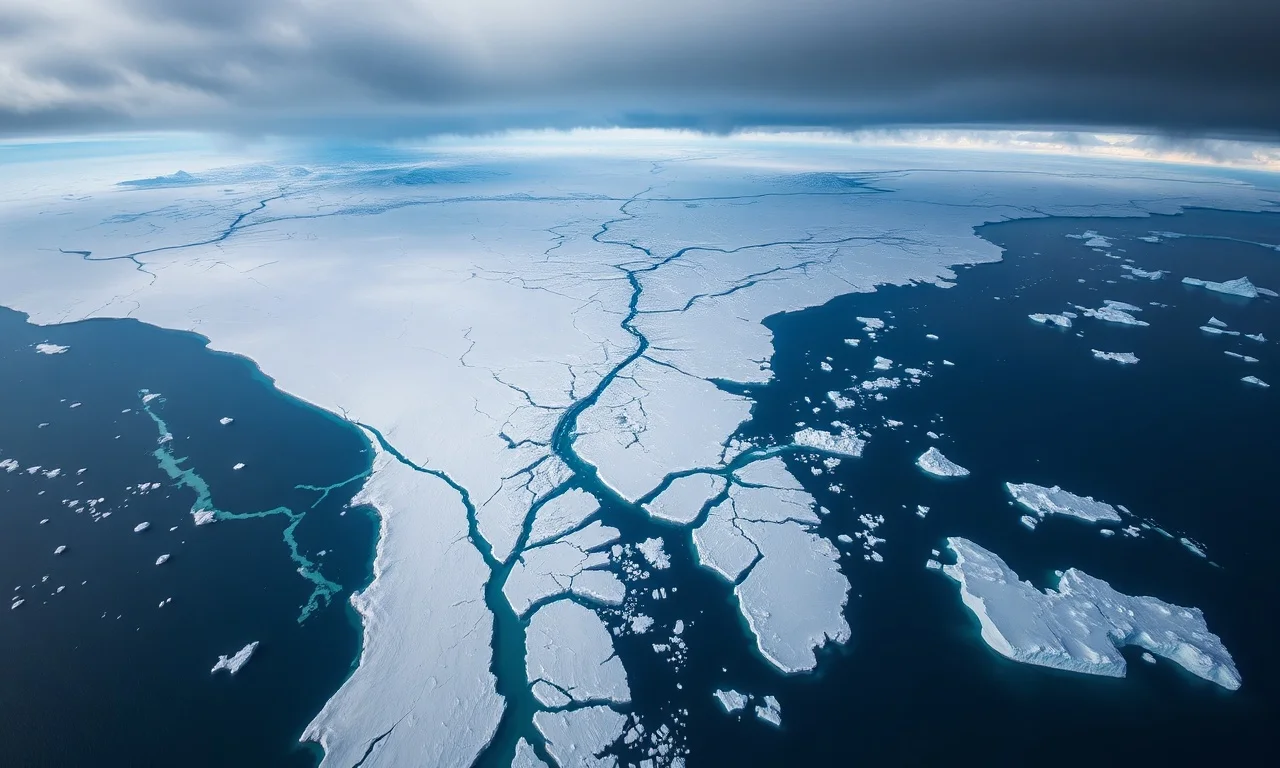
The colossal ice sheet covering Greenland, a critical component of Earth's climate system, is melting at an unprecedented and alarming rate. Recent scientific findings indicate that the Greenland Ice Melt Surges Sixfold, Scientists Alarmed by the rapid acceleration of ice loss over the past few decades, signaling a profound shift with global implications. This surge in melting dramatically contributes to rising sea levels, posing an existential threat to coastal communities worldwide and reshaping our planet's future. The increasing warmth in the Arctic region is directly driving this critical environmental change, prompting urgent calls for global action.
- Background: Understanding Greenland's Ice Sheet
- The Alarming Surge: Greenland Ice Melt Surges Sixfold, Scientists Alarmed
- Drivers of Accelerated Melting
- Global Implications of Greenland's Thaw
- Expert Perspectives and Calls to Action
- Conclusion: Addressing the Crisis of Greenland's Melting Ice
- Frequently Asked Questions
- Further Reading & Resources
Background: Understanding Greenland's Ice Sheet
Greenland hosts the second-largest body of ice on Earth, surpassed only by the Antarctic ice sheet. This immense frozen reservoir covers approximately 80% of the island, spanning an area of about 1.7 million square kilometers. Its sheer scale means that if the entire Greenland ice sheet were to melt, global sea levels could rise by an astonishing 7.4 meters (24 feet). For millennia, this ice sheet has played a crucial role in regulating global climate patterns, reflecting solar radiation back into space and influencing ocean currents.
The ice sheet is not static; it constantly gains ice from snowfall and loses ice through melting and the calving of icebergs into the surrounding ocean. A natural balance historically existed between these processes, maintaining the ice sheet's overall mass. However, this delicate equilibrium has been severely disrupted by anthropogenic climate change, leading to a net loss of ice at an escalating pace. Understanding the historical context of ice loss and the recent scientific discoveries is vital to grasping the gravity of the current situation.
Historical Context of Ice Loss
For centuries, the Greenland ice sheet largely maintained a relatively stable mass balance, fluctuating with natural climate cycles. While some melting and refreezing occurred seasonally, the overall volume remained consistent. The advent of instrumental records and satellite observations in recent decades has allowed scientists to monitor these changes with unprecedented accuracy. These records reveal a concerning trend: a significant increase in the rate of ice loss beginning in the late 20th century and accelerating sharply into the 21st century. Early studies identified gradual increases in melt, but the scale of the current acceleration is far beyond previously observed rates. The 1980s marked a transition period when the Earth's climate began to deviate significantly from its natural variability due to human-made greenhouse gas emissions.
Recent Scientific Discoveries and Measurements
Cutting-edge satellite missions, such as NASA's GRACE (Gravity Recovery and Climate Experiment) and GRACE-FO (Follow-On) satellites, have provided invaluable data on changes in the ice sheet's mass. By measuring minute variations in Earth's gravity field, these missions can precisely track how much ice Greenland is losing. Complementary measurements from airborne surveys, ground-based observations, and climate models further refine our understanding. These combined datasets paint a stark picture: the rate of ice loss from Greenland has not only increased but has done so dramatically, leading to the consensus that the Greenland Ice Melt Surges Sixfold, Scientists Alarmed by the implications this carries for the global climate system.
A 2019 study, combining 26 independent satellite estimates, revealed that between 1992 and 2018, Greenland lost an estimated 3.8 trillion tons of ice. The rate of loss accelerated from about 33 billion tons per year in the 1990s to an average of 254 billion tons per year in the 2010s. This marks a sixfold increase in the rate of ice loss when combining Greenland and Antarctic ice sheets, with Greenland responsible for 60% of that loss. More recent studies, encompassing data up to 2023, show that between 1950 and 2023, extreme melt events produced an average of 12.7 gigatons of water per decade, but since 1990, that figure has jumped to 82.4 gigatons per decade, a sixfold increase in meltwater production during extreme events. This surge highlights the unusual nature of current conditions, with seven of the ten most extreme melting events occurring since 2000.
The Alarming Surge: Greenland Ice Melt Surges Sixfold, Scientists Alarmed
The scientific community has issued a stark warning regarding the dramatic acceleration of ice loss from the Greenland ice sheet. Research published in prominent journals has confirmed that the rate of ice melt has surged by a factor of six since the 1990s, a finding that has deeply concerned climate scientists worldwide. This exponential increase is far beyond natural variability and points directly to the impact of human-induced global warming. The implications of this rapid thawing are profound, affecting not just the Arctic but every corner of the globe.
The sixfold surge in Greenland's ice melt translates into billions of tons of freshwater pouring into the North Atlantic Ocean each year. This freshwater outflow contributes significantly to global sea-level rise, a direct and measurable consequence of climate change. The mechanisms driving this accelerated melt are complex, involving both atmospheric warming, which causes surface melt, and ocean warming, which erodes glaciers from below. These intertwined factors create a powerful feedback loop that further exacerbates the rate of ice loss. The consensus among researchers is clear: the current trajectory of ice loss is unsustainable and will have severe long-term consequences if left unchecked.
Historical Context of Ice Loss
Before the recent dramatic acceleration, the Greenland ice sheet experienced periods of both growth and retreat over geological timescales. However, over the past several millennia, it maintained a relatively stable state, fluctuating within a narrow range influenced by natural climate cycles. Observations from the mid-20th century showed relatively modest changes in ice mass, with some regions experiencing slight growth while others saw minor retreat. It wasn't until the late 20th century that a clear and consistent trend of accelerated mass loss began to emerge. Scientists note that this shift coincided with a significant increase in global atmospheric and oceanic temperatures, firmly linking the melting to anthropogenic climate change. The observed changes since the 1990s represent a departure from historical norms, indicating a new and concerning phase in the ice sheet's behavior.
Recent Scientific Discoveries and Measurements
Advanced satellite technology and sophisticated climate models have revolutionized our ability to monitor and understand the Greenland ice sheet. Data from NASA's GRACE and GRACE-FO missions have been instrumental in quantifying the total mass balance of the ice sheet. These satellites precisely measure gravitational anomalies caused by changes in ice mass. The results have consistently shown an accelerating loss of ice. For example, a 2019 study published in Nature (and further detailed in Nature Communications) combined 26 independent satellite estimates of Greenland's ice sheet mass changes, revealing that between 1992 and 2018, Greenland lost 3.9 trillion tonnes of ice, with the rate of loss jumping from 33 billion tonnes per year in the 1990s to 254 billion tonnes per year in the 2010s. This sixfold increase underscores the severity of the situation. Further analysis has shown that meltwater runoff is now the dominant contributor to ice loss, surpassing the impact of glacier calving in many areas. This signifies a fundamental shift in the processes driving the ice sheet's decline.
Drivers of Accelerated Melting
The accelerated melting of the Greenland ice sheet is primarily driven by rising global temperatures, a direct consequence of increased greenhouse gas concentrations in the atmosphere. These warming trends manifest in two key ways: through warmer air temperatures that cause surface melt and through warmer ocean waters that erode the ice sheet's margins. These two mechanisms often work in tandem, creating a powerful synergy that amplifies ice loss.
Atmospheric Warming and Surface Melt
The most visible and dramatic driver of Greenland's ice loss is atmospheric warming. As average global temperatures rise, the Arctic region experiences even more pronounced warming, a phenomenon known as Arctic amplification. This leads to longer and more intense melt seasons on the ice sheet's surface. Satellite imagery and ground observations show vast areas of the ice sheet developing melt ponds and rivers, which then drain through crevasses and moulins (vertical shafts in the ice) to the base of the ice sheet or directly into the ocean. This meltwater runoff not only contributes directly to sea-level rise but can also lubricate the base of glaciers, causing them to flow faster towards the sea. The frequency and intensity of extreme melt events have also increased significantly in recent years, further contributing to the overall mass loss.
Ocean Warming and Glacier Retreat
In addition to atmospheric warming, the warming of the ocean surrounding Greenland plays a critical role in accelerating ice loss. Many of Greenland's marine-terminating glaciers (glaciers that flow directly into the sea) are retreating at an alarming pace. Warmer ocean currents are intruding into the fjords, melting the underwater portions of these glaciers from below. This "submarine melt" destabilizes the ice fronts, leading to more frequent and larger calving events where massive chunks of ice break off and fall into the ocean. The loss of these protective ice shelves and glacier tongues also allows the ice further upstream to flow faster, effectively "unplugging" the ice sheet from the land and accelerating its discharge into the sea. This interaction between the warming ocean and the ice sheet is a significant feedback loop, as the retreating glaciers expose more ice to warmer waters, perpetuating the cycle of loss.
Global Implications of Greenland's Thaw
The rapid melting of the Greenland ice sheet is not a localized Arctic phenomenon; its consequences reverberate across the entire planet. The primary global impact is its substantial contribution to rising sea levels, but it also has far-reaching effects on ocean circulation, weather patterns, and ecological systems. The interconnectedness of Earth's climate system means that changes in one critical region can trigger a cascade of effects globally.
Rising Sea Levels: A Global Threat
The most immediate and widely recognized consequence of Greenland's melting ice is its contribution to global sea-level rise. As billions of tons of ice melt and flow into the ocean, they add to the total volume of seawater. Since the early 1990s, Greenland has become the single largest contributor to global sea-level rise, accounting for approximately 20-25% of the total. This seemingly modest percentage translates into millimeters of sea-level rise each year, but these millimeters accumulate rapidly. For example, the combined meltwater from Greenland and Antarctica has boosted global sea levels by 0.7 inches (17.8 millimeters). Even small increases in sea level exacerbate coastal flooding, erode shorelines, salinize freshwater sources in coastal areas, and threaten vital infrastructure. Low-lying island nations and densely populated coastal cities are particularly vulnerable, facing increased risks of displacement, economic disruption, and loss of life. Projections suggest that by 2100, Greenland could contribute an additional 8 to 27 cm (3.1 to 10.6 inches) to global sea level.
Impact on Ocean Circulation and Weather Patterns
The massive influx of cold, fresh meltwater from Greenland into the North Atlantic Ocean has the potential to disrupt major ocean currents, most notably the Atlantic Meridional Overturning Circulation (AMOC). The AMOC is a critical "conveyor belt" that transports warm, salty water from the tropics northward and returns colder, denser water southward. This circulation plays a vital role in regulating the climate of Western Europe and the Eastern United States. A significant slowdown or collapse of the AMOC due to freshwater input could lead to colder temperatures in these regions, alter precipitation patterns, and potentially trigger more extreme weather events. Such a disruption could have profound consequences for agriculture, ecosystems, and human societies far beyond the immediate vicinity of Greenland. Some models suggest that the AMOC could become a third weaker than it was 70 years ago with 2°C of global warming, and if meltwater is included in projections, it could be 30% weaker by 2040, 20 years earlier than initially projected.
Expert Perspectives and Calls to Action
The scientific community is in strong agreement about the severity of Greenland's accelerating ice melt and its link to human-induced climate change. Experts consistently emphasize the urgency of the situation and the need for immediate, decisive action to mitigate further impacts. The consensus is built upon decades of rigorous research, advanced data analysis, and sophisticated climate modeling.
The Scientific Consensus
Leading glaciologists and climate scientists view the sixfold surge in Greenland's ice loss as a clear indicator of a planet undergoing rapid and unprecedented warming. Dr. Josep Bonsoms, a geography researcher at the University of Barcelona, notes that "The Greenland ice sheet is experiencing more frequent, larger and more intense extreme melt events than in the past," and that "Most of the top 10 extreme melting years have occurred since 2000". Other researchers highlight that the current rates of melt exceed even the more pessimistic scenarios outlined in previous climate models, suggesting that the Earth's climate system is responding to warming more rapidly than anticipated. The scientific consensus underscores that the observed changes are directly attributable to human activities, particularly the emission of greenhouse gases.
Policy Responses and Mitigation Efforts
Given the gravity of the situation, scientists and policymakers are increasingly calling for aggressive and coordinated global action. The primary response required is a drastic reduction in greenhouse gas emissions to limit global warming to well below 2 degrees Celsius above pre-industrial levels, in line with the Paris Agreement. This involves transitioning rapidly to renewable energy sources, improving energy efficiency, and implementing sustainable land-use practices. Beyond mitigation, adaptation strategies are also crucial, especially for coastal communities facing inevitable sea-level rise. These strategies include developing resilient infrastructure, restoring coastal ecosystems, and implementing early warning systems for extreme weather events. International collaboration and political will are paramount to effectively address this complex global challenge.
Conclusion: Addressing the Crisis of Greenland's Melting Ice
The scientific evidence is undeniable: the Greenland Ice Melt Surges Sixfold, Scientists Alarmed by the accelerated pace of ice loss, which presents one of the most pressing environmental challenges of our time. This dramatic thawing of Greenland's vast ice sheet is not merely an Arctic phenomenon but a critical driver of global sea-level rise, threatening coastal communities and economies worldwide. It also has the potential to significantly alter crucial ocean currents and global weather patterns, leading to unpredictable and potentially severe consequences.
The trajectory of Greenland's ice loss serves as a stark reminder of the urgent need for comprehensive climate action. Addressing this crisis requires immediate and sustained efforts to reduce greenhouse gas emissions, transition to sustainable energy sources, and foster international cooperation. The choices made today will determine the future stability of our planet's climate and the well-being of generations to come. Scientists continue to monitor the situation closely, emphasizing that while the challenges are immense, decisive action can still mitigate the most catastrophic outcomes.
Frequently Asked Questions
Q: What is the significance of Greenland's sixfold ice melt surge?
A: This signifies an unprecedented acceleration of ice loss, far beyond natural variability, directly linked to human-induced global warming. It dramatically increases global sea-level rise and threatens coastal communities worldwide.
Q: How does Greenland's ice melt contribute to global sea-level rise?
A: As billions of tons of ice melt into the ocean, they add to the total volume of seawater. Greenland is the largest single contributor, accounting for 20-25% of global sea-level rise since the early 1990s.
Q: What are the broader global implications beyond sea-level rise?
A: The influx of fresh meltwater can disrupt the Atlantic Meridional Overturning Circulation (AMOC), a major ocean current. This disruption could lead to colder temperatures, altered precipitation, and more extreme weather in regions like Western Europe and Eastern North America.