Huawei Unveils AI Network for Northern Africa: A Digital Leap Forward
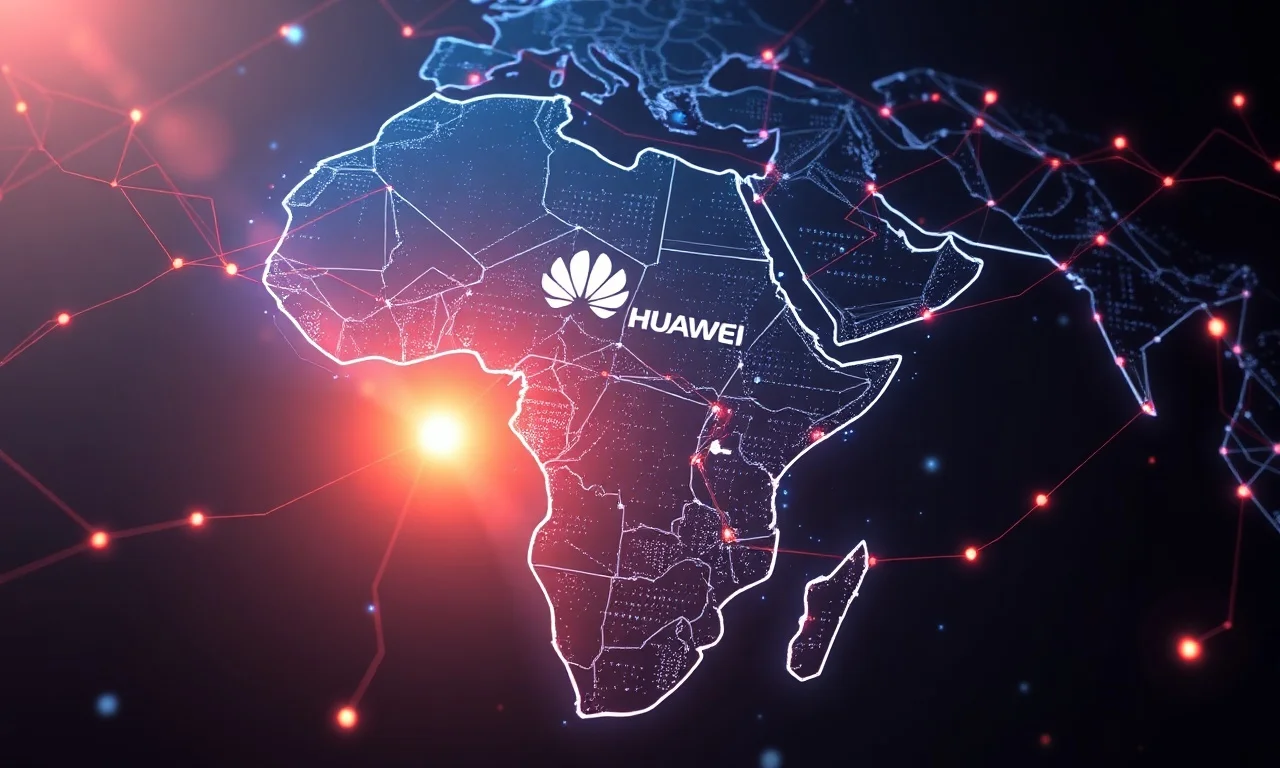
In a monumental stride towards empowering the continent's digital future, Huawei, a global leader in ICT infrastructure, has announced a groundbreaking initiative set to transform Northern Africa. Today, Huawei Unveils AI Network for Northern Africa, marking a profound Digital Leap Forward designed to revolutionize connectivity and foster innovation across the region. This ambitious project, titled "Accelerate Intelligence for New Africa," promises to enhance operational efficiencies and drive widespread innovation across 28 countries in Northern, West, and Central Africa. The initiative underscores Huawei’s commitment to empowering people and enriching lives through cutting-edge technological advancements and strategic investments in critical infrastructure.
- Huawei Unveils AI Network for Northern Africa: A Strategic Overview
- The Imperative for AI-Driven Networks
- Deep Dive into Huawei's AI Network Architecture
- Regional Impact and Potential Transformations
- Expert Perspectives on Huawei's Latest Move
- The Road Ahead: Challenges and Opportunities
- Conclusion: Huawei's Commitment to Northern Africa's Digital Future
- Frequently Asked Questions
- Further Reading & Resources
Huawei Unveils AI Network for Northern Africa: A Strategic Overview
The announcement of Huawei's AI network for Northern Africa marks a pivotal moment in the continent's digital transformation journey. This strategic deployment is not merely about introducing new technology; it's about establishing a robust, intelligent, and sustainable digital backbone that can support the region's burgeoning economies and dynamic populations. The company’s vision aligns with the growing imperative for AI integration across various sectors to drive efficiency, improve service delivery, and stimulate economic growth.
The Vision for Northern Africa
Huawei's vision for Northern Africa is rooted in the belief that digital transformation is a foundational economic layer, capable of addressing long-standing development challenges and propelling the region into a new era of prosperity. The "Accelerate Intelligence for New Africa" strategy aims to leverage artificial intelligence to enhance inclusion, improve governmental management, and heighten operational efficiency and productivity across key industries such as health, education, transportation, finance, agriculture, and mining. This comprehensive blueprint seeks to harness the continent's young population and potential in green energy, positioning Northern Africa as a vibrant hub for digital innovation.
Key Technologies Powering the Initiative
At the heart of this initiative are Huawei's state-of-the-art AI-Centric Network solutions, which embed intelligence across service, network, and network-element layers. This framework is designed to help operators scale automated operations, improve network quality, and unlock new service monetization opportunities in AI-intensive scenarios. Key technologies include 5G-Advanced (5G-A) connectivity, high-capacity fibre access, and multi-agent collaboration platforms. These platforms enable the deployment of AI-powered agents for areas such as call handling, customer experience management, and home broadband networks, fundamentally transforming carriers' core services. Huawei's investment also includes strengthening its silicon base and embedding AI and security technologies into every product, including consumer devices and network solutions, alongside upgrading global network architecture focusing on market traffic and user needs.
The Imperative for AI-Driven Networks
The rapid evolution of digital technologies and the increasing demand for high-speed, reliable connectivity necessitate a paradigm shift in network infrastructure. Traditional networks often struggle to cope with the complexities and dynamic nature of modern data traffic, making AI-driven solutions an imperative for sustainable growth. To understand the broader impact of Artificial Intelligence on global infrastructure, it's essential to examine these shifts.
Addressing Connectivity Challenges
Northern Africa, like many emerging markets, faces unique connectivity challenges, including unreliable electricity, limited internet access, and low bandwidth in many areas. Huawei’s AI network aims to mitigate these issues by introducing intelligent optimization capabilities. AI can analyze network data in real-time, predict usage patterns, and dynamically reroute traffic, ensuring uninterrupted service even under heavy loads. This proactive approach significantly enhances network performance and minimizes downtime, which is crucial for regions where stable connectivity can be a bottleneck for economic development. The integration of AI in telecom networks enhances overall quality and lowers energy costs, leading to more sustainable operations.
Fostering Economic Growth and Innovation
Digital transformation, particularly through AI adoption, is a powerful catalyst for economic growth in emerging economies. By enabling more efficient network management and offering advanced services, Huawei's AI network can foster new industries, reduce transaction costs, and significantly boost productivity. The availability of robust digital infrastructure allows for increased access to markets and resources, creating valuable opportunities for economic participation, especially in less-developed regions. Moreover, improved connectivity and AI capabilities can stimulate innovation by linking businesses to global knowledge exchange and promoting the development of data-based decision-making. This can lead to the creation of new AI and machine learning startups, fostering economic resilience and diversification.
Enhancing Digital Inclusion
One of the core objectives of this initiative is to enhance digital inclusion. By extending advanced network capabilities to underserved populations, Huawei aims to bridge the digital divide—disparities in access to technology that can exacerbate existing inequalities. This includes supporting government-led digitalization programs in countries like Egypt and Morocco, which focus on digitizing public services, improving internet access in rural regions, and making essential services like tax filing and civil registry more accessible online. Through AI-powered platforms, essential services can be expanded in coverage and quality, directly improving people's lives. The development of inclusive digital infrastructure is paramount to ensuring that the benefits of digitalization are evenly distributed across all communities.
Deep Dive into Huawei's AI Network Architecture
Huawei's AI network architecture is designed to be comprehensive, resilient, and adaptive, integrating intelligence at every layer of the network infrastructure. This multi-layered approach ensures optimal performance, enhanced security, and significant operational efficiencies.
Intelligent Operations and Maintenance (O&M)
A key feature of Huawei’s AI-centric networks is the profound transformation of network operations and maintenance. AI-driven systems enable predictive maintenance, identifying weak points and potential failures before they occur. This shifts the paradigm from reactive troubleshooting to proactive problem-solving, dramatically reducing downtime and improving service reliability. AI can analyze vast amounts of network data in real-time, swiftly identifying anomalies and even suggesting potential fixes, thereby reducing the Mean Time To Remediate (MTTR) from hours to minutes. This automation frees human analysts from routine tasks, allowing them to focus on higher-value work and strategic initiatives.
Enhanced Network Security with AI
In an increasingly complex cyber threat landscape, AI plays a critical role in bolstering network security. Huawei's AI network integrates advanced AI-powered security tools that can identify unusual activity, such as unlikely data flows or unauthorized access attempts, and respond instantly to mitigate threats. These systems leverage machine learning algorithms to detect new, previously unknown threats, adapting to the evolving tactics of cybercriminals. AI in network security also enhances threat detection accuracy, speeds up incident response, and improves operational efficiency by automating analysis, detection, and response. Research indicates that organizations with AI and automation in their security processes can contain data breaches significantly faster and reduce associated costs.
Scalability and Future-Proofing
The architecture is also built for scalability and future-proofing, incorporating technologies like 5G-Advanced and a roadmap for 6G evolution. Huawei is working towards Level 4 autonomy in networks, where systems can operate with minimal human intervention, continuously optimizing performance and managing resources across multiple domains. This capability is supported by Huawei's investment in AI-driven algorithms and infrastructure technologies across radio access networks, optical transport, and AI computing platforms. The integration of a full-stack, all-scenario AI capability, based on Ascend series AI chips and the Atlas intelligent computing platform, ensures that the network can handle massive data storage and processing needs, bridging devices, edges, and clouds.
Regional Impact and Potential Transformations
The deployment of a sophisticated AI network across Northern Africa is poised to generate significant ripple effects, transforming various sectors and fostering profound socio-economic development.
Boosting Industries and Services
The enhanced connectivity and intelligent capabilities provided by Huawei's AI network will serve as a backbone for industrial digitalization. Industries such as finance, retail, manufacturing, agriculture, and healthcare stand to gain immensely. For instance, AI in agriculture can optimize resource use, predict crop yields with greater accuracy, and enhance smart water management systems. In healthcare, AI can improve diagnostic capabilities, facilitate remote consultations, and enhance the efficiency of public health services. The financial sector can leverage AI for fraud detection, personalized services, and increased financial inclusion. The ability to deploy generative AI solutions for digital healthcare assistants, as seen in Senegal, further illustrates the transformative potential for localized service delivery. These advancements are crucial for strategies for comprehensive Digital Transformation across the continent.
Empowering Local Talent and Development
Huawei's commitment extends beyond infrastructure to include substantial investment in talent development. The company plans to invest $30 million to train 10,000 local developers and educate 100,000 digital professionals in the Northern Africa region. This focus on human capital is crucial, as the shortage of AI talent is a significant barrier to widespread AI adoption in Africa. By empowering local communities with specialized skills, the initiative aims to create a skilled workforce capable of driving intelligent transformation and fostering an indigenous innovation ecosystem. This aligns with the broader African Union Digital Transformation Strategy, which emphasizes digital skills and human capacity as foundational pillars.
Collaboration and Partnerships
The success of such a large-scale initiative relies heavily on collaboration. Huawei emphasizes working closely with local carriers, partners, and governments to build reliable, intelligent networks that support emerging AI-driven use cases and sustainable national digital strategies. Egypt, for example, is actively opening its technological platforms to African enterprises, startups, and factories to test smart solutions in various sectors, aiming to create a "Living Lab" for innovation. This collaborative approach ensures that the solutions are contextually relevant and address the specific needs and priorities of the region.
Expert Perspectives on Huawei's Latest Move
Industry analysts and regional stakeholders are closely watching Huawei's significant investment, recognizing its potential to accelerate digital progress while also highlighting inherent challenges.
Industry Analyst Views
Analysts generally acknowledge the profound impact AI will have on telecommunications, transforming network management, customer service, and operational efficiency. Huawei’s strategic focus on AI-centric networks is seen as a timely response to the increasing demands for data and the complexities of modern telecom infrastructure. The emphasis on autonomous networks and the "experience monetization" model, which focuses on charging for guaranteed network performance rather than just connectivity, is noted as a forward-thinking approach. However, experts also caution about the high upfront costs and the challenge of integrating AI with existing network infrastructure. The need for robust ROI analysis and the effective scaling of AI proofs of concept into production are critical considerations.
Government and Business Reactions
Governments in Northern Africa have expressed strong support for digital transformation initiatives, with several countries already implementing national AI strategies. Leaders recognize the potential of AI to enhance public services, reduce bureaucracy, and improve overall governance. The commitment from companies like Huawei, backed by substantial investment, is viewed as crucial for realizing these ambitions. Business leaders anticipate that advanced AI networks will unlock new revenue streams, optimize supply chains, and enable more competitive operations. However, concerns regarding data sovereignty, privacy, and the need for robust regulatory frameworks to govern AI technologies remain pertinent.
The Road Ahead: Challenges and Opportunities
While the prospects for Huawei's AI network in Northern Africa are bright, the path to full realization is not without its challenges. Addressing these obstacles effectively will be critical for maximizing the initiative's impact.
Overcoming Infrastructure Hurdles
Despite significant progress, many African countries still face persistent infrastructural gaps that hinder AI adoption. These include unreliable electricity and power shortages, limited internet connectivity, and a lack of local data centers and cloud infrastructure. AI systems require stable, high-capacity electricity and high-speed internet for cloud computing and real-time data processing. Huawei's investment in establishing public cloud centers and enhancing cloud coverage in the region, such as the Cairo Region, directly addresses these infrastructure needs. Collaborations to build more in-country cloud platforms will be vital for ensuring low latency and data sovereignty.
Navigating Regulatory Landscapes
The deployment of advanced AI systems introduces complex legal and ethical challenges, including algorithmic bias, data privacy concerns, and accountability gaps in automated decision-making. Many countries in the region are still developing comprehensive AI regulations, and there is a need for robust ethical guidelines and institutional frameworks. Huawei's operations will need to navigate these evolving regulatory landscapes, working with local authorities to ensure transparency, fairness, and the protection of citizens' rights. The African Union's Digital Transformation Strategy provides a comprehensive roadmap for regional regulatory harmonization, which can facilitate cross-border collaboration and innovation.
Sustaining Innovation
Sustaining innovation requires continuous investment in research and development, as well as fostering a vibrant ecosystem of local talent and startups. Underinvestment in R&D has been a major obstacle to AI innovation growth in Africa. Huawei’s commitment to training local developers and supporting local software and channel partners is a significant step towards building this ecosystem. However, long-term success will depend on creating an environment where African innovators can retain control of their digital resources and where AI applications are contextually relevant to the continent's specific needs.
Conclusion: Huawei's Commitment to Northern Africa's Digital Future
The announcement that Huawei Unveils AI Network for Northern Africa represents a monumental step towards a digitally empowered future for the region. This ambitious undertaking, backed by substantial investment and a clear strategic vision, promises to redefine connectivity, streamline operations, and ignite innovation across diverse sectors. By addressing critical infrastructural gaps, fostering local talent, and enhancing digital inclusion, Huawei is not just deploying technology but actively participating in the socio-economic development of Northern Africa. The successful implementation of this AI-driven network will undoubtedly pave the way for a smarter, more connected, and prosperous future for millions, solidifying Africa’s position in the global digital economy.
Frequently Asked Questions
Q: What is the "Accelerate Intelligence for New Africa" initiative?
A: This is Huawei's ambitious strategic project to deploy an advanced AI network across Northern, West, and Central Africa. It aims to revolutionize connectivity, enhance operational efficiencies, and foster widespread innovation across various sectors in the region.
Q: Which regions in Africa will specifically benefit from Huawei's AI network?
A: The initiative primarily targets 28 countries across Northern, West, and Central Africa. Huawei's goal is to empower local communities and drive economic growth by providing cutting-edge digital infrastructure and advanced AI capabilities.
Q: What are the main benefits an AI-driven network brings to Northern Africa?
A: An AI-driven network offers numerous benefits, including intelligent optimization for improved network quality and reliability, enhanced digital inclusion by bridging the digital divide, fostered economic growth through new industries, and strengthened cybersecurity measures. It transforms operational efficiencies and service delivery across key sectors.