Chinese Tourists Go Viral with 'Textbook Relay': A New Cultural Trend
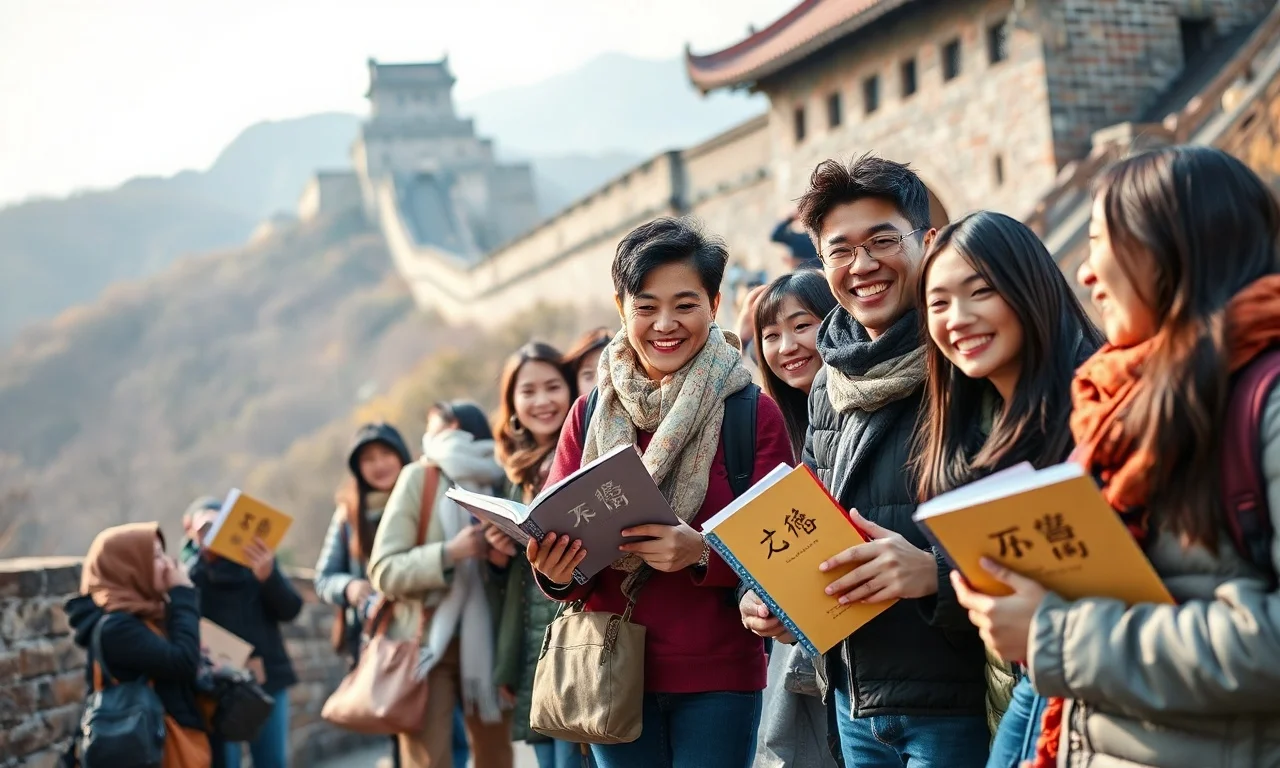
The world of travel is constantly evolving, with social media often acting as a catalyst for new and unexpected trends. Recently, a fascinating phenomenon has captured global attention as Chinese Tourists Go Viral with 'Textbook Relay', transforming traditional sightseeing into an engaging intellectual and cultural exchange. This unique movement sees travelers carrying academic textbooks to renowned historical and scenic locations, capturing photos with these scholastic companions, and then symbolically passing them on to fellow travelers. This blend of intellectual pursuit and popular travel has quickly spread across digital platforms, redefining what it means to experience a destination.
Understanding the "Textbook Relay" Phenomenon
The "Textbook Relay" is more than just a fleeting internet fad; it represents a deeper current in modern tourism, particularly among younger Chinese travelers. The essence of the trend involves individuals or groups taking academic textbooks—ranging from ancient historical texts to contemporary scientific works—to significant cultural or natural landmarks. They then pose with these books, often in thoughtful or evocative ways, before "relaying" them, either physically or symbolically through social media challenges, to others who continue the journey. This innovative approach to travel has rapidly gained traction, largely through visual storytelling on platforms such as Douyin (China's version of TikTok) and WeChat.
The visual appeal of juxtaposing serious academic volumes against breathtaking backdrops or historically rich environments creates a compelling narrative. It suggests a desire to connect with the intellectual heritage of a place, moving beyond superficial photographic opportunities to a more profound engagement. This trend reflects a growing sentiment among a segment of the traveling public that seeks enrichment and meaning in their journeys, beyond mere leisure or entertainment.
Origins and Early Adoption
While the exact genesis is somewhat fluid, the "Textbook Relay" began surfacing in earnest in late 2025 on various Chinese social media platforms. Early adopters were often students or academics who brought their study materials along on trips, initially as a personal endeavor. However, as these images were shared, the concept resonated widely, evolving into a collective movement. The idea of "carrying knowledge" through travel struck a chord, particularly in a culture that traditionally values education and intellectual achievement. The trend swiftly transformed from individual acts of academic pride into a collaborative, community-driven activity.
Initial posts often featured travelers at iconic sites like the Great Wall, the Forbidden City, or the majestic mountains of Huangshan, holding classics of Chinese literature, history, or philosophy. The act became a public declaration of intellectual curiosity and a subtle nod to the enduring power of knowledge in understanding the world. This early adoption laid the groundwork for the phenomenon's widespread appeal and subsequent virality.
Key Drivers Behind Why Chinese Tourists Go Viral with 'Textbook Relay'
Several factors contribute to why Chinese Tourists Go Viral with 'Textbook Relay'. This trend taps into contemporary motivations that shape travel experiences and social media engagement. It aligns with a broader shift in consumer behavior, where experiences that offer personal growth and a sense of purpose are increasingly valued.
Cultural and Educational Significance
One of the primary drivers is the profound cultural and educational value embedded within the "Textbook Relay." In Chinese culture, a deep respect for learning and scholarship is ingrained. The act of carrying a textbook to a historical site can be seen as a symbolic pilgrimage, linking personal study with the vast tapestry of human history and achievement. It's a tangible way to honor the intellectual legacy associated with a destination, fostering a deeper, more reflective connection than a simple photo op.
Furthermore, the choice of textbooks often highlights specific disciplines or periods relevant to the location, encouraging participants and viewers alike to ponder the historical or scientific context of their surroundings. This intellectual layer elevates the travel experience, transforming it from passive observation into active learning. It implicitly encourages travelers to research and understand the significance of the places they visit.
Social Media Dynamics and Community Building
The inherent shareability of the "Textbook Relay" is crucial to its viral success. Visually striking images and videos of individuals proudly displaying their books in stunning locations are perfect for platforms like Douyin, Weibo, and WeChat. These platforms thrive on user-generated content that tells a story and inspires participation. The "relay" aspect itself encourages a chain reaction, where one person's post inspires another to join, often tagging friends and sharing their own contributions.
This creates a strong sense of community among participants. Travelers aren't just taking photos; they're part of a larger movement, sharing a common intellectual pursuit. Hashtags associated with the trend allow users to discover new participants, see different interpretations of the relay, and feel connected to a global network of like-minded travelers. The collaborative nature of the challenge fosters engagement and spreads the trend rapidly across diverse demographics.
Impact on Tourism and Cultural Perception
The "Textbook Relay" has not only captivated individuals but has also begun to leave a tangible mark on the tourism industry and the broader perception of Chinese travel habits. The innovative nature of this trend presents both opportunities and challenges for destinations and tour operators.
Reshaping Tourist Engagement
The trend encourages a more active and engaged form of tourism. Instead of simply passively observing, participants are prompted to think, read, and connect with the history or significance of a place on an intellectual level. Dr. Li Wei, a prominent tourism expert from Peking University, observes that "the 'Textbook Relay' reflects a growing desire among younger Chinese travelers for more meaningful and educational travel experiences beyond mere sightseeing". This shift towards "purpose-driven" travel can lead to deeper appreciation of cultural sites and natural wonders.
This engagement can also influence how destinations are marketed. Instead of solely focusing on picturesque views, tourism boards might begin to highlight the educational or historical narratives associated with their sites, potentially attracting a segment of travelers interested in intellectual enrichment. It's a departure from purely aesthetic-driven tourism, emphasizing content and context over just scenery.
Economic and Commercial Implications
As the trend continues to grow, it has started to attract commercial interest. Some tour operators have recognized the appeal of this niche and are beginning to offer "Textbook Relay" themed packages. These curated experiences might include recommended reading lists, specialized guides who can discuss the historical context of the chosen texts, and even designated "photo spots" that align with the trend's aesthetic. This commercialization can inject new life into the tourism sector, creating new revenue streams and diversifying travel offerings.
Furthermore, publishers of the featured textbooks might experience an unexpected boost in sales, as travelers seek out appropriate titles to participate in the relay. This could lead to collaborations between tourism agencies and publishing houses, cross-promoting educational content and travel experiences. The economic implications extend beyond direct tourism, touching related industries that can capitalize on this unique cultural movement.
Broader Societal and Cultural Reflections
The phenomenon of Chinese Tourists Go Viral with 'Textbook Relay' offers a lens through which to examine broader societal shifts and cultural values, both within China and in the context of global tourism. It speaks to evolving aspirations and the changing dynamics of how culture is consumed and shared in the digital age.
Promoting Intellectual Curiosity
The "Textbook Relay" is a public affirmation of intellectual curiosity. In an era often characterized by short attention spans and superficial digital interactions, this trend actively encourages engagement with substantial academic content. Cultural institutions have largely lauded the trend for "fostering intellectual curiosity and a deeper engagement with historical contexts, contrasting with more superficial social media challenges". It serves as a reminder that travel can be a powerful tool for learning and personal development, not just leisure.
This emphasis on knowledge acquisition can have long-term positive effects, inspiring younger generations to delve deeper into subjects, appreciate historical narratives, and view the world through an informed perspective. It challenges the notion that academic pursuits must be confined to classrooms, demonstrating how they can enrich real-world experiences.
The Role of Social Media in Cultural Movements
This trend is a prime example of how social media acts as a powerful incubator and accelerator for cultural movements. What might have started as a few isolated instances quickly coalesced into a widespread phenomenon due to the interconnected nature of digital platforms. Social media's ability to disseminate ideas rapidly, facilitate participation, and build communities around shared interests is evident here.
However, the trend also raises questions about authenticity and performativity. Some critics suggest that while the intention is good, "the trend sometimes leads to performative actions rather than genuine academic engagement, and could potentially create crowds at specific photo locations". This highlights the ongoing tension in social media culture between genuine participation and the desire for public validation or algorithmic visibility. Nonetheless, its overall impact on encouraging thoughtful travel remains significant.
The Future of "Textbook Relay" and Beyond
As with all viral trends, the longevity of the "Textbook Relay" remains to be seen. However, its underlying principles—the pursuit of meaningful experiences, intellectual engagement, and community building—are likely to endure and influence future travel behaviors. The trend has undeniably carved a unique niche in the landscape of global tourism.
Potential for Evolution and Adaptation
The "Textbook Relay" could evolve in numerous ways. It might expand to include different types of educational materials, such as art sketchbooks, musical scores, or scientific instruments, depending on the destination. It could also inspire regional variations, with local communities adapting the core concept to highlight their own unique intellectual or cultural heritage. The adaptable nature of social media trends means that the "Textbook Relay" could serve as a template for new, similarly themed engagements that connect travelers with deeper aspects of their chosen destinations.
We might also see further integration with educational programs, where universities or cultural institutions partner with tourism bodies to create immersive learning-and-travel experiences. This convergence of education and tourism could create richer, more impactful journeys for participants.
A Testament to Evolving Tourism
Ultimately, the "Textbook Relay" stands as a testament to the innovative ways Chinese tourists are redefining travel, blending education, culture, and digital connectivity. It underscores a global shift towards more conscious and enriching travel experiences, where personal growth and cultural understanding are as important as relaxation and adventure. This trend reminds us that travel is not just about seeing new places, but about seeing the world, and ourselves, in new ways.
Frequently Asked Questions
Q: What is the 'Textbook Relay' trend?
A: It's a viral social media trend where Chinese tourists take academic textbooks to famous landmarks, pose with them, and then "relay" them to others, symbolizing the blend of intellectual pursuit and travel that enriches their journeys.
Q: Why is the 'Textbook Relay' popular among Chinese tourists?
A: Its popularity stems from a deep cultural respect for education, a desire for meaningful travel experiences beyond mere leisure, and the strong community-building and shareability aspects on popular Chinese social media platforms like Douyin and WeChat.
Q: What impact does the 'Textbook Relay' have on tourism?
A: It encourages more engaged, purpose-driven travel, potentially reshaping how destinations are marketed by highlighting educational and historical narratives. It also opens avenues for themed tour packages and boosts interest in academic publications.
Further Reading & Resources
- Explore Chinese Tourism Trends
- Understanding Viral Social Media Trends
- Peking University Official Website
The phenomenon where Chinese Tourists Go Viral with 'Textbook Relay' serves as a vibrant example of how cultural values, technological platforms, and individual aspirations converge to create novel forms of engagement. This movement, blending intellectual curiosity with the joy of discovery, highlights a significant shift in global travel, emphasizing purpose and cultural connection.