How to create a balanced meal plan for beginners: A Guide
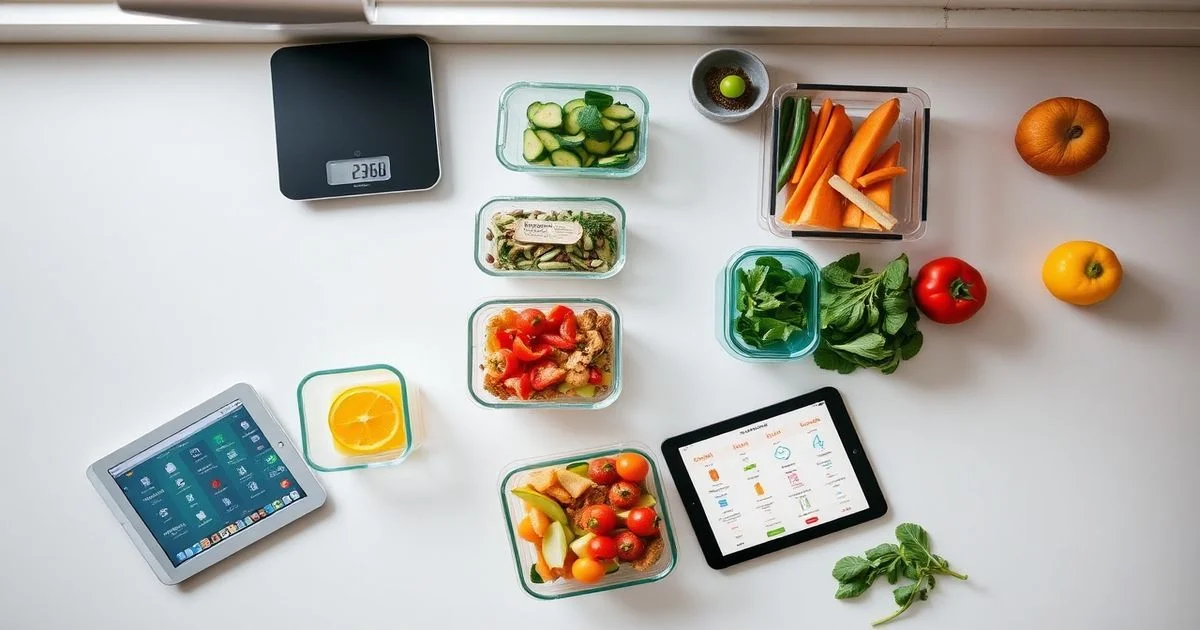
Navigating the complexities of modern nutrition often feels like debugging legacy code without documentation. If you want to optimize your biological performance, learning how to create a balanced meal plan for beginners is the foundational system you need to master. By treating your diet as a structured framework rather than a series of random inputs, you can achieve predictable health outcomes through data-driven planning and execution. This guide treats nutrition like a systems engineering problem, stripping away the fluff to provide a logical path toward dietary efficiency.
- The Architecture of Nutrition: Why Systems Matter
- Core Components: The Macronutrient Stack
- The Step-by-Step Execution: How to Create a Balanced Meal Plan for Beginners
- Meal Prepping: Batch Processing Your Nutrition
- The Micro-Layer: Micronutrients and Hydration
- The Satiety Algorithm: Managing Hunger Signals
- Tools of the Trade: Tech to Optimize Your Diet
- Troubleshooting Common Failures
- Scaling and Evolution: Long-Term Maintenance
- Sample 1-Day Balanced Framework
- Future Outlook: The Rise of Nutrigenomics
- Frequently Asked Questions
- Conclusion
- Further Reading & Resources
The Architecture of Nutrition: Why Systems Matter
Before diving into recipes, we must understand the "system requirements" of the human body. Most people fail at dieting because they lack a reproducible process. They rely on willpower, which is a finite resource—much like CPU cycles under heavy load. A meal plan is essentially an automation script for your life; it reduces decision fatigue and ensures your "hardware" receives the correct voltage and components to function at peak capacity.
A balanced plan is not about restriction; it is about resource allocation. You have a caloric budget and a nutrient requirement. Your goal is to maximize the ROI (Return on Investment) of every calorie consumed. This mindset is very similar to the psychological benefits of minimalist living for modern techies, where reducing clutter and focus on essential inputs leads to higher output and clarity.
Core Components: The Macronutrient Stack
In the world of nutrition, macronutrients are the primary building blocks of your system. Every "balanced" meal is a combination of these three fundamental pillars, balanced according to your specific goals and activity levels. Understanding these is the first step in learning how to create a balanced meal plan for beginners.
Protein: The Structural Layer
Protein is the infrastructure of your body. It is responsible for tissue repair, enzyme production, and muscle maintenance. From a metabolic standpoint, protein has the highest thermic effect of food (TEF), meaning your body spends more energy processing it than it does for fats or carbohydrates.
- Sources: Chicken breast, lean beef, tofu, tempeh, Greek yogurt, lentils, and white fish.
- Logic: Aim for 0.8g to 1g of protein per pound of body weight if you are active.
- Technical Note: Protein synthesis is dose-dependent. Spiking the "leucine threshold" every 3–5 hours ensures your body stays in an anabolic (building) state rather than a catabolic (breaking down) state.
Carbohydrates: The Energy Protocol
Carbohydrates are the preferred fuel source for high-intensity cognitive and physical tasks. Think of carbs as the "RAM" of your diet—they provide the quick-access energy needed for daily operations. However, not all carbs are created equal. We prioritize complex carbohydrates because they provide a "steady state" of energy rather than a volatile spike and crash.
- Sources: Quinoa, sweet potatoes, brown rice, oats, and fibrous vegetables.
- Logic: Match your carb intake to your activity level. High-output days require higher "bandwidth" (more carbs).
- Technical Note: Glycemic Load (GL) is a more accurate metric than Glycemic Index (GI) because it accounts for the portion size and the actual impact on blood glucose levels over time.
Fats: The Maintenance and Encryption Layer
Dietary fats are essential for hormone production, brain health, and the absorption of fat-soluble vitamins (A, D, E, and K). They are the most energy-dense macro, providing 9 calories per gram compared to the 4 calories provided by protein and carbs. Fats act as the long-term storage and regulatory system of your biological OS.
- Sources: Avocados, extra virgin olive oil, nuts, seeds, and fatty fish like salmon.
- Logic: Never drop fats too low, as it can lead to "system errors" in hormonal regulation.
- Technical Note: Prioritize monounsaturated and omega-3 fatty acids to reduce systemic inflammation and optimize cognitive "uptime."
The Step-by-Step Execution: How to Create a Balanced Meal Plan for Beginners
The actual process of building your plan requires a step-by-step workflow. You cannot build a complex system without a blueprint. Follow this iterative process to deploy your first successful meal plan.
Step 1: Calculate Your Energy Requirements (TDEE)
Your Total Daily Energy Expenditure (TDEE) is the total number of calories your body burns in a 24-hour period. This is your "break-even" point. To lose weight, you operate at a deficit (under-clocking); to gain muscle, you operate at a surplus (over-clocking).
You can calculate this using the Mifflin-St Jeor Equation, but most beginners prefer a digital calculator. Here is a sample data block for a 30-year-old male, 180 lbs, 6'0", moderately active:
Basal Metabolic Rate (BMR): 1,850 kcal
Activity Multiplier: 1.55
Total Daily Energy Expenditure (TDEE): 2,867 kcal
Goal: Maintenance
Daily Target: ~2,850 kcal
Step 2: Establish Your Macro Ratios
Once you have your caloric ceiling, you must partition those calories into protein, fats, and carbs. A standard "balanced" starting point is the 40/30/30 split:
-
40% Carbohydrates: Sustained energy and glycogen replenishment.
-
30% Protein: Muscle synthesis and satiety.
-
30% Fats: Hormonal health and nutrient absorption.
This distribution is a "stable build" for most users. As you gather more data, you can "patch" these ratios based on your bio-feedback.
Step 3: Map Out Your Feeding Schedule
Decide on your "deployment frequency." Will you eat three large meals (monolithic architecture) or five smaller meals (microservices architecture)? For most tech-savvy professionals, 3–4 meals per day provides the best balance between metabolic stability and time efficiency.
The Execution Window:
- Pre-load (Breakfast): High protein and fiber to stabilize blood sugar early.
- Peak Load (Lunch): Balanced macros to sustain cognitive performance.
- Recovery Load (Dinner): Higher carbs to facilitate rest and glycogen storage.
Meal Prepping: Batch Processing Your Nutrition
Efficiency is the cornerstone of any successful system. If you have to cook every meal from scratch, the system will eventually fail due to "latency issues"—you’ll get hungry, realize you have no food ready, and order a high-calorie "hotfix" (takeout). If you are looking for ways to execute this while managing costs, check out how to create a balanced meal plan on a budget: a tech-savvy guide.
The Power of Component Cooking
Instead of cooking specific recipes, cook components. This is the modular approach to meal planning. By preparing large batches of proteins, grains, and vegetables, you can assemble different "builds" throughout the week. This reduces the time-complexity of your kitchen operations.
Sample Weekly Batch Data:
Protein Batch: 2kg Grilled Chicken, 1kg Pan-seared Tofu
Grain Batch: 1kg Cooked Quinoa, 500g Roasted Sweet Potatoes
Veggie Batch: Steamed Broccoli, Sautéed Spinach, Pickled Onions
Sauce Batch: Lemon Tahini, Spicy Soy-Ginger
With these modules ready, your "assembly time" for a meal drops from 45 minutes to 3 minutes. This is how you scale a meal plan for a busy lifestyle.
The Micro-Layer: Micronutrients and Hydration
While macros are the primary drivers of body composition, micronutrients (vitamins and minerals) ensure the "software" runs without bugs. A deficiency in magnesium or Vitamin D can lead to brain fog, fatigue, and decreased cognitive performance—essentially slowing down your internal processing speed.
The Rainbow Protocol
The simplest way to ensure micronutrient diversity without tracking every single vitamin is the "Rainbow Protocol." Each color in a vegetable represents a different phytonutrient profile.
-
Red: Lycopene (Heart health).
-
Green: Chlorophyll and Vitamin K (Bone health).
-
Purple/Blue: Anthocyanins (Cognitive function).
-
Yellow/Orange: Beta-carotene (Eye health and immunity).
Aim to include at least three different colors in every major meal. This "diversity algorithm" ensures you cover the widest possible spectrum of biological requirements.
Hydration as a Coolant System
Water is the medium through which all biological transactions occur. Dehydration leads to "thermal throttling" for your brain. When you are dehydrated, your blood volume drops, and your heart has to work harder to pump oxygen to your cells. Aim for a baseline of 3–4 liters of water per day, adjusted for exercise intensity.
The Satiety Algorithm: Managing Hunger Signals
One of the biggest hurdles when figuring out how to create a balanced meal plan for beginners is managing hunger. Hunger is a signal from your "firmware" that energy levels or specific nutrients are low. However, in our modern environment, these signals are often miscalibrated.
High-Volume, Low-Calorie Routing
To hack your satiety, focus on food volume. Your stomach has "stretch receptors" that signal fullness to the brain. By consuming foods with low caloric density—like leafy greens, peppers, and cucumbers—you can trigger these receptors without exceeding your caloric budget.
The Fiber Buffer
Fiber slows down gastric emptying. This means the food stays in your stomach longer, providing a steady release of nutrients into your bloodstream. This prevents the "crash and burn" cycle associated with high-sugar snacks. Incorporating fiber is one of the 5 simple ways to reduce daily stress: tech-enhanced well-being because it stabilizes your mood and energy levels throughout the day.
Tools of the Trade: Tech to Optimize Your Diet
Since you are tech-savvy, leverage the available stack to automate the tedious parts of meal planning. Manual tracking is for the analog era. Using the right tools turns a chore into a data science project.
Tracking and Analysis Apps
-
MyFitnessPal / Cronometer: These are the "IDE" of nutrition. They allow you to log inputs and see real-time data on your macro/micro splits. Cronometer is particularly useful for those who want to track micronutrients with high precision.
-
MacroFactor: An AI-driven app that adjusts your calorie targets based on your weight trend and expenditure—essentially a self-healing algorithm for your diet. It ignores daily fluctuations and focuses on the trendline, reducing emotional stress.
Hardware for Precision
-
Digital Food Scale: Absolute precision is required for the first 30 days. Humans are notoriously bad at estimating portions. A scale provides the "source of truth."
-
Smart Water Bottles: If you struggle with hydration, these provide haptic or visual notifications to "push" updates to your system.
-
Wearable Integration: Devices like Oura or Whoop can provide data on your metabolic rate and recovery, allowing you to adjust your meal plan based on real-time physiological strain.
Troubleshooting Common Failures
Even the best-designed systems encounter bugs. Here is how to debug your meal plan when things go wrong.
Bug: "I'm always hungry"
Diagnosis: Likely a lack of volume or protein.
Fix: Increase your intake of "High-Volume, Low-Calorie" foods. Double your vegetable portions. Ensure you are meeting the 30g-per-meal protein threshold to trigger satiety hormones like PYY and GLP-1.
Bug: "I have no energy for my afternoon meetings"
Diagnosis: Blood sugar volatility (The Crash).
Fix: Reduce simple sugars at lunch and increase fiber and healthy fats. This slows down the digestion of glucose, providing a "flat" energy curve instead of a peak and valley. Avoid "heavy" carb loads during the workday unless you have a high-intensity workout scheduled immediately after.
Bug: "The plan is too boring"
Diagnosis: Lack of flavor diversity.
Fix: Use spices and low-calorie sauces. Spices like cumin, smoked paprika, and turmeric add significant sensory input with zero caloric cost. Think of spices as the "CSS" of your meal—they don't change the structure, but they make the UI much more pleasant.
Scaling and Evolution: Long-Term Maintenance
A beginner meal plan should not be static. As your body adapts and your goals shift, your system must evolve. This is the "Continuous Integration / Continuous Deployment" (CI/CD) phase of nutrition.
Every 4–6 weeks, you should perform a "System Audit":
-
Review the Data: Has your weight moved in the desired direction?
-
Assess Energy Levels: Are you performing well at work and in the gym?
-
Adjust the Inputs: If progress has stalled, reduce calories by 5–10% or increase activity. If you are constantly fatigued, consider a "maintenance week" where you eat at your BMR to reset your hormones.
Sample 1-Day Balanced Framework
Here is what a "Version 1.0" day looks like for a beginner targeting approximately 2,200 calories. This framework is designed for maximum nutrient density and ease of preparation.
Meal 1: The Fast Start (Breakfast)
- 3 Scrambled Eggs (Protein + Fat).
- 1/2 Cup Oats with Berries and a sprinkle of Chia Seeds (Complex Carbs + Micros).
- 1 Large Glass of Water with electrolytes.
Meal 2: The Logic Lunch
- 150g Grilled Chicken or Tempeh (Protein).
- 1 Cup Quinoa or Brown Rice (Carb).
- 2 Cups Mixed Greens with Olive Oil and Lemon dressing (Fiber + Fat).
Meal 3: The Afternoon Buffer (Snack)
- A handful of Almonds or Walnuts.
- One Apple or Pear.
- (This prevents the "Late-Day System Crash" and keeps cognitive function high).
Meal 4: The Recovery Dinner
- 150g Salmon or Mackerel (Protein + Omega-3 Fats).
- Roasted Brussels Sprouts, Carrots, and Asparagus (Micros).
- 1/2 Sweet Potato (Carb for recovery and sleep support).
Future Outlook: The Rise of Nutrigenomics
The future of meal planning is moving toward hyper-personalization. We are seeing the emergence of "Nutrigenomics," where your meal plan is dictated by your DNA sequence. In the coming years, we can expect wearable tech to integrate with grocery delivery services, automatically ordering the specific nutrients your body is currently lacking based on real-time blood glucose and sweat analysis.
Imagine an AI agent that monitors your cortisol levels and automatically adds extra magnesium-rich foods to your grocery cart for the following week. This is the level of integration we are heading toward. Mastering the basics now puts you ahead of the curve, allowing you to integrate these future technologies into an already solid framework.
Frequently Asked Questions
Q: How do I calculate my macros?
A: Use the Mifflin-St Jeor equation to find your TDEE, then partition calories into protein, fats, and carbs based on your specific fitness goals.
Q: Is meal prepping necessary for success?
A: While not strictly mandatory, batch processing reduces decision fatigue and system latency, making adherence much more likely for beginners.
Q: Can I include "cheat meals" in my plan?
A: Think of these as planned system maintenance. A flexible approach prevents total system failure and supports long-term sustainability.
Conclusion
Understanding how to create a balanced meal plan for beginners is about more than just "eating healthy." It is about designing a sustainable, scalable system that supports your lifestyle and goals. By treating your body like the high-performance machine it is, you remove the guesswork and replace it with biological logic.
Start small, focus on the macronutrient stack, and use batch processing to ensure consistency. Once the habit is hardcoded into your daily routine, you can begin to optimize for higher performance. Your diet is the most important piece of software you will ever maintain—ensure its architecture is sound.