How to Create a Balanced Meal Plan on a Budget: A Tech-Savvy Guide
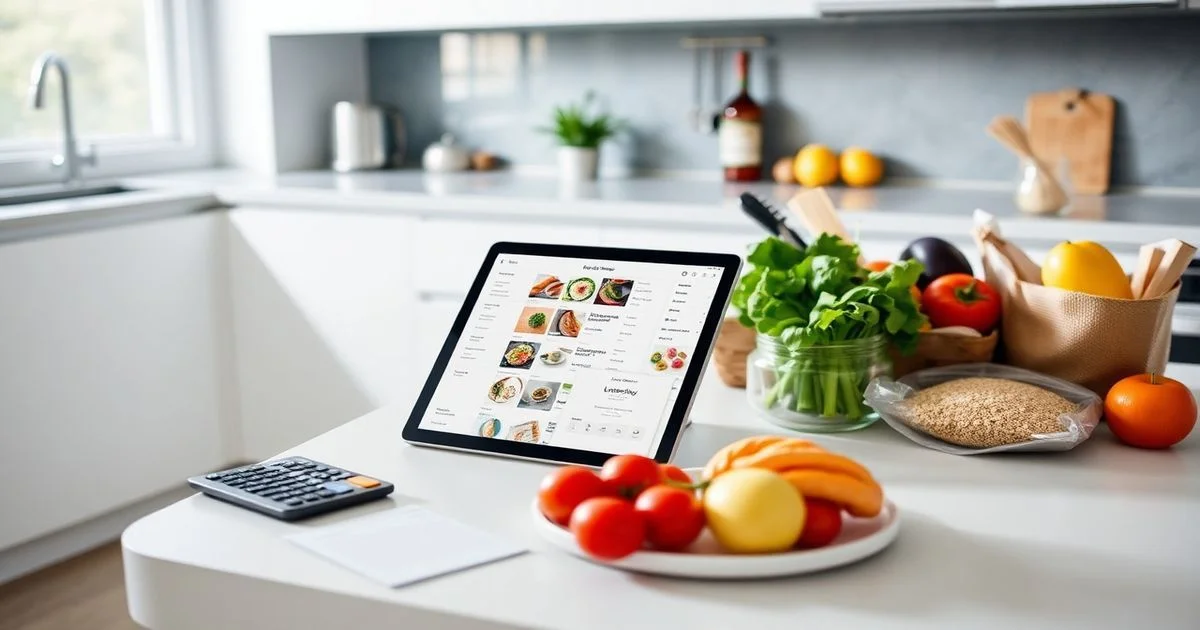
In today's fast-paced, digitally connected world, mastering how to create a balanced meal plan on a budget is a tech-savvy challenge for optimal well-being. One of the most common challenges encountered by tech-savvy individuals aged 20-40 is maintaining a healthy, balanced diet without breaking the bank. The allure of convenience food battles constantly with nutritional wisdom, while escalating grocery costs make mindful eating seem like a luxury. This comprehensive guide will show you how to create a balanced meal plan on a budget, leveraging modern tools and a strategic, data-driven approach to transform your dietary habits. We'll delve into the foundational principles of nutrition and financial management, offering a tech-savvy blueprint to craft a sustainable, budget-friendly, and nutritious eating strategy that truly works.
- Understanding the Core Problem: Nutritional Axioms vs. Economic Realities
- How to Create a Balanced Meal Plan on a Budget: The Algorithmic Approach
- Leveraging Technology for Budget Meal Planning Optimization
- Building Your Budget-Friendly Meal Plan System: A Step-by-Step Guide
- Common Pitfalls and Troubleshooting Your Meal Plan System
- The Future of Budget-Conscious Nutrition: AI and Hyper-Personalization
- Conclusion: Mastering Your Nutritional Economy
- Frequently Asked Questions
- Further Reading & Resources
Understanding the Core Problem: Nutritional Axioms vs. Economic Realities
The quest for a balanced diet on a tight budget often feels like a multi-variable equation with no easy solution. Before we dive into the technical solutions, it's crucial to define the parameters of this problem: what constitutes a "balanced meal plan" and what are the primary economic constraints we face?
What is a Balanced Meal Plan?
At its heart, a balanced meal plan is a strategic allocation of macronutrients (proteins, carbohydrates, fats) and micronutrients (vitamins, minerals) across your daily intake, designed to support optimal health and energy levels. It’s not just about calorie counting, but about nutrient density and variety. Think of it as a robust software architecture where each component plays a vital, interconnected role.
-
Macronutrients:
- Proteins: Essential for muscle repair, enzyme function, and satiety. Sources include lean meats, poultry, fish, eggs, dairy, legumes, tofu, and nuts. Aim for a mix of animal and plant-based proteins to broaden your amino acid profile.
- Carbohydrates: The body's primary energy source. Focus on complex carbohydrates from whole grains (oats, brown rice, quinoa), fruits, and vegetables, which provide sustained energy and fiber. Avoid excessive simple sugars found in processed foods.
- Fats: Crucial for hormone production, nutrient absorption, and brain health. Opt for healthy fats from avocados, nuts, seeds, olive oil, and fatty fish.
-
Micronutrients: These are vitamins and minerals vital for myriad bodily functions. A diverse intake of fruits, vegetables, and whole foods generally ensures adequate micronutrient consumption. The concept of "eating the rainbow" is not just aesthetic; it’s a simple mnemonic for achieving broad micronutrient coverage.
-
Hydration: Often overlooked, adequate water intake is fundamental to overall health, impacting everything from metabolism to cognitive function.
A truly balanced plan also emphasizes portion control, regular meal timing, and a minimal intake of ultra-processed foods, which often lack nutrients and are high in unhealthy fats, sugars, and sodium. The goal is to build a "nutritional operating system" that runs smoothly and efficiently.
The Budget Constraint: A Resource Allocation Challenge
In many ways, managing a food budget is analogous to managing computational resources in a high-performance system. You have a finite amount of "capital" (your budget) that needs to be optimally allocated to achieve the maximum "performance" (nutritional value and satisfaction). The challenge is amplified by several factors:
- Rising Food Costs: Inflation and supply chain issues continually drive up the price of groceries, making it harder to stretch your dollar. According to the USDA's Economic Research Service, food-at-home prices have seen significant increases in recent years, turning even basic staples into budget considerations.
- Convenience Premium: Processed, pre-packaged, or ready-to-eat meals often come with a substantial markup. While they save time, they typically offer poorer nutritional profiles for the cost, similar to paying a premium for an unoptimized, bloated software solution.
- Food Waste: A significant portion of food purchased ends up in the trash. This isn't just an environmental concern but a direct financial leak, akin to memory leaks in a program. Estimating global food waste, organizations like the FAO highlight that roughly one-third of all food produced for human consumption is lost or wasted globally, translating to billions of dollars annually.
- Lack of Planning: Spontaneous grocery trips or impulse purchases, much like ad-hoc coding without a clear architectural plan, often lead to inefficient spending and a suboptimal outcome.
Effectively, the problem boils down to optimizing a multi-dimensional objective function: maximizing nutritional quality and personal satisfaction while minimizing monetary cost and time investment, all within dynamic external constraints. This is where a tech-savvy, systematic approach truly shines. For a deeper dive into optimization principles in a technical context, consider exploring how to optimize SQL queries for high-performance applications.
How to Create a Balanced Meal Plan on a Budget: The Algorithmic Approach
Thinking about meal planning as an algorithm allows us to break down a complex problem into manageable, logical steps. It moves beyond haphazard choices to a structured, data-driven methodology, akin to writing clean, efficient code for your kitchen.
Data Collection: Inputting Your Variables
Just as an algorithm requires precise inputs, your meal plan needs accurate data about your current state and desired outcomes. This is the foundation upon which all subsequent optimizations will be built.
-
Personal Dietary Needs and Preferences:
- Allergies/Intolerances: Critical constraints that must be hard-coded into your plan.
- Dietary Restrictions: Vegetarian, vegan, keto, gluten-free, etc. These define your permissible ingredient set.
- Caloric Goals: Use online calculators (e.g., BMR calculators, TDEE calculators) to estimate your daily caloric needs based on age, gender, weight, height, and activity level. This provides a baseline for portioning.
- Macro Targets: Decide on your desired protein, carb, and fat ratios. Many health and fitness apps allow you to input these directly.
- Dislikes: Avoid planning meals with ingredients you genuinely dislike, as this leads to food waste and a breakdown in adherence.
-
Current Spending Habits:
- Financial Tracking: Review past bank statements or use personal finance apps (e.g., Mint, YNAB, EveryDollar) to track your food expenses for the last 1-3 months. Segment spending into "groceries," "restaurant meals," and "coffee/snacks." This provides a crucial baseline for your "before" state.
- Categorization: Understand where your money is actually going. Are you spending excessively on convenience items, branded products, or frequent takeaways?
-
Local Grocery Store Pricing (Dynamic Data):
- Price Comparison: Prices for staple items can vary significantly between stores. Apps like Flipp (for digital flyers) or even simple spreadsheet comparisons can help you track prices for key items (e.g., eggs, milk, rice, chicken breasts) across your local supermarkets.
- Sales Cycles: Many stores have predictable sales cycles. Learning these can allow you to stock up on non-perishables and freezable items when prices are low.
- Seasonal Produce: Fruits and vegetables are typically cheapest and freshest when in season locally. Factor this into your planning.
-
Available Kitchen Equipment and Skills (Resource Constraints):
- Equipment Inventory: What cooking tools do you have? A slow cooker, instant pot, air fryer, or a good set of knives can significantly expand your repertoire and efficiency. Don't plan complex recipes if you lack the necessary gear.
- Cooking Proficiency: Be realistic about your cooking skills and available time. Start with simpler recipes and gradually increase complexity as your confidence grows. There's no point in planning gourmet meals if you're a novice cook with limited time.
Constraint Satisfaction: Defining Your Parameters
With your inputs gathered, the next step is to define the boundaries and rules within which your meal plan algorithm must operate. These are your "system constraints" that guide the optimization process.
-
Weekly Budget Limit:
- Based on your current spending audit and financial goals, set a concrete, realistic weekly or monthly budget for groceries. This is your primary economic constraint.
- Break it down: If your monthly budget is 100. This number will be your "hard limit."
-
Time Availability for Cooking:
- Meal Prep Windows: Identify specific blocks of time during your week dedicated to cooking. This could be a few hours on Sunday for batch cooking, or 30-45 minutes each evening.
- Cooking Method Preferences: Do you prefer quick 15-minute meals, or are you willing to invest more time in batch cooking? Factor in commute times, work hours, and social commitments.
-
Nutritional Targets (Macros, Micros):
- This is where your caloric and macronutrient data from the input phase comes into play. Each meal planned should contribute towards these daily and weekly targets.
- Consider specific micronutrient needs if you have them (e.g., iron for vegetarians, calcium for bone health).
-
Ingredient Availability and Seasonality:
- Pantry Staples: Factor in what you already have in your pantry (rice, pasta, spices, canned goods).
- Local Market Dynamics: Align your plan with what's seasonally available and affordable in your area. This ensures freshness and cost-effectiveness.
- Shelf Life: Plan meals that use highly perishable ingredients earlier in the week to minimize waste.
Optimization Logic: Generating the Best Solution
This is the "CPU" of your meal planning system, where you process your data and constraints to generate the most efficient and effective meal plan. The goal is to maximize nutritional value and culinary satisfaction while minimizing cost and waste, much like an intelligent agent navigating a complex state space.
-
Objective Function: Maximize Value, Minimize Cost:
- Your primary goal is to find the "cheapest nutritional path." This doesn't mean eating only ramen, but rather identifying the most cost-effective ways to meet your nutritional goals.
- Think of it as a multi-objective optimization problem:
(Maximize_Nutrition + Maximize_Satisfaction) / (Minimize_Cost + Minimize_Time).
-
Iterative Process: Plan, Shop, Cook, Evaluate, Refine:
- Plan: Based on your inputs and constraints, draft a weekly meal plan (breakfast, lunch, dinner, snacks). This is your initial hypothesis.
- Shop: Create a precise shopping list based on your plan, cross-referencing against existing pantry items and current sales. Stick to the list rigorously.
- Cook: Execute your plan. Utilize batch cooking where possible to save time and energy.
- Evaluate: At the end of the week, review your results. Did you stay within budget? Did you meet your nutritional goals? Was there food waste? Were the meals enjoyable?
- Refine: Use the evaluation feedback to adjust your algorithm for the next iteration. This continuous improvement loop is key to long-term success, much like an agile development cycle.
-
Heuristics and Strategies:
- Ingredient Versatility: Prioritize ingredients that can be used in multiple dishes throughout the week (e.g., a bag of spinach for smoothies, salads, and cooked greens).
- Batch Cooking: Prepare large quantities of staple components (e.g., cooked grains, roasted vegetables, grilled chicken) that can be mixed and matched into various meals.
- "One-Pan" or "One-Pot" Meals: Minimize cleanup and complexity, making cooking more approachable for busy schedules.
- Strategic Protein Choices: Alternate between more expensive proteins (lean meats) and cheaper, plant-based options (lentils, beans, tofu).
By approaching meal planning with this algorithmic mindset, you move from reactive consumption to proactive, optimized nutrition and financial management.
Leveraging Technology for Budget Meal Planning Optimization
The digital age offers a plethora of tools that can automate, track, and optimize various aspects of your budget meal plan. For the tech-savvy individual, these aren't just conveniences; they're essential components of an efficient system.
Data-Driven Shopping Lists and Inventory Management
Forget crumpled paper lists. Modern apps bring precision and intelligence to your grocery runs and pantry management.
-
Smart Shopping List Apps:
- Anylist: Allows shared lists, categories, and integration with recipes. It can even suggest items based on past purchases.
- OurGroceries: Similar collaborative features, making it ideal for households.
- Mealime: Integrates meal planning directly with smart shopping lists, even suggesting recipes based on sales.
- These apps minimize impulse buys by keeping you focused, and some can even compare prices from different stores, effectively running a real-time price-check algorithm before you leave home.
-
Digital Pantry Trackers:
- FoodKeeper (USDA): Provides storage tips and shelf-life guidance to reduce waste.
- Prepear (formerly ChefTap): Helps manage pantry inventory by scanning barcodes, allowing you to build recipes around what you already have.
- Cozi: A family organizer app that includes a shopping list and meal planner, which can indirectly aid in inventory management by showing what's needed for the week.
- By knowing exactly what you have on hand, you avoid duplicate purchases and ensure you use ingredients before they spoil, adhering to the "First-In, First-Out" (FIFO) principle of inventory management.
-
Barcode Scanners for Price Comparison: Some apps or browser extensions allow you to scan product barcodes in-store and instantly compare prices with online retailers or other local stores, turning you into a highly efficient procurement officer.
Recipe Generation and Modification Algorithms
The sheer volume of recipes online can be overwhelming. AI and smart tools help cut through the noise to find what works for your budget and dietary needs.
-
AI-Powered Recipe Generators:
- Platforms like Yummly and Mealime allow you to input available ingredients, dietary restrictions, and even budget constraints to generate tailored recipe suggestions. This is akin to a recommendation engine for your kitchen.
- More advanced AI tools (like large language models) can be prompted with "give me 5 budget-friendly vegan recipes using lentils, carrots, and rice" to generate novel ideas.
- These tools eliminate decision fatigue and help you utilize ingredients you already possess.
-
Recipe Scaling and Substitution Tools:
- Many online recipe platforms and cooking blogs offer built-in calculators to scale recipes up or down, useful for batch cooking or reducing portion sizes.
- Recipe substitution guides (e.g., "what to use instead of x ingredient") are invaluable for adapting recipes to what's available or cheaper. For instance, swapping chicken thighs for breasts (often cheaper and more flavorful) or using dried beans instead of canned.
-
Community Recipe Databases for Budget-Friendly Ideas:
- Websites like Allrecipes, Budget Bytes, and subreddits like r/EatCheapAndHealthy are treasure troves of user-submitted, highly-rated, and budget-conscious recipes. These crowdsourced solutions are often peer-reviewed for practicality and cost-effectiveness.
Budget Tracking and Analysis Tools
Effective financial management is impossible without robust tracking and analysis.
-
Personal Finance Apps for Categorizing Food Expenses:
- Mint, YNAB (You Need A Budget), EveryDollar: These apps link to your bank accounts and credit cards, automatically categorizing transactions. You can create a specific "groceries" budget and track spending against it in real-time. This active financial management is key, much like understanding how to build an emergency fund for unexpected costs.
- Sankey Diagrams: Many of these tools offer visual representations of your spending, making it easy to identify where your money is flowing, allowing for quick "bug fixes" in your spending habits.
-
Spreadsheets for Detailed Tracking and Trend Analysis:
- Google Sheets or Excel: For those who prefer granular control, a custom spreadsheet allows for highly personalized tracking. You can log every item purchased, its cost, and even its nutritional value.
- Pivot Tables & Charts: Use these features to analyze trends over time: identify peak spending days, assess the cost-effectiveness of different grocery stores, or visualize the impact of your meal planning efforts. This offers a powerful dashboard for your food economy.
-
Identifying Spending Patterns and Areas for Cost Reduction: By analyzing the data, you can pinpoint specific culprits for budget overruns – perhaps too many snacks, branded items, or pre-cut vegetables. This data-driven insight allows for targeted adjustments.
Subscription Services and Discount Aggregators
While meal kits can sometimes be expensive, certain subscription models and discount tools can offer value if used strategically.
-
Discount Aggregators:
- Flipp: Digitizes weekly flyers from local stores, allowing you to browse sales, create shopping lists directly from ads, and even clip digital coupons. This transforms your shopping from reactive to proactive, ensuring you buy items when they're at their lowest price point.
- Ibotta, Rakuten (formerly Ebates): Offer cash-back rewards for purchases at specific grocery stores or on particular products. Integrate these into your routine for small, consistent savings.
- Flashfood: Connects consumers with discounted food approaching its best-before date from local grocery stores, reducing waste and saving money.
-
Wholesale Clubs and Bulk Buying Strategies:
- Membership warehouses (Costco, Sam's Club) can offer significant savings on staples like rice, oats, frozen vegetables, and certain proteins, provided you have the storage space and can consume items before they spoil.
- Analyze the "unit price" (cost per ounce/gram) to ensure bulk buying is truly cost-effective.
By integrating these technological solutions, you transition from guesswork to an optimized, data-informed system for managing your nutritional and financial well-being.
Building Your Budget-Friendly Meal Plan System: A Step-by-Step Guide
Creating an effective, budget-friendly meal plan isn't a one-off task; it's the development of a personal system. Here's how to architect your solution, step by step, using the principles of system design and iteration.
Step 1: Audit Your Current System & Resources
Before optimizing, you must understand your baseline. This is your system diagnostics phase.
- Current Food Spending: As discussed, track your food expenses for 1-3 months. This is your benchmark data.
- Kitchen Tools Inventory: List what you have (stove, oven, microwave, slow cooker, blender, food processor, basic pots/pans, sharp knives, containers for leftovers). Knowing your toolkit helps you select appropriate recipes.
- Time Commitment: Honestly assess how much time you realistically have for cooking each day/week. This prevents over-ambitious planning.
- Food Preferences/Allergies: Document all dietary requirements and strong preferences. This forms your core constraints.
Step 2: Define Your Budget & Nutritional Goals
With your audit complete, set clear, quantifiable objectives for your new system.
- Set Realistic Weekly/Monthly Food Budget: Based on your current spending and desired savings, establish a firm monetary cap. Break it down into categories if helpful (e.g., 10 for snacks/treats).
- Determine Caloric Needs and Macro Splits: Use online calculators (e.g., TDEE Calculator) to estimate your daily calorie requirements. Then, decide on your desired macronutrient distribution (e.g., 30% protein, 40% carbs, 30% fats for general health).
- Identify Key Micronutrient Targets: While not as granular as macro tracking for most, ensure your plan incorporates a variety of fruits, vegetables, and whole grains to cover essential vitamins and minerals.
Step 3: Strategize Your Shopping
Your shopping strategy is critical. This is where you implement cost-saving algorithms.
- Prioritize Seasonal Produce: Check local farmers' market guides or online resources for what fruits and vegetables are in season in your area. Seasonal produce is typically cheaper, fresher, and often more flavorful.
- Bulk Buying of Staples: Purchase non-perishable staples like rice, dried beans, pasta, oats, lentils, and frozen vegetables in larger quantities when they are on sale or at a wholesale club. Always calculate the unit price to ensure actual savings.
- Leverage Sales and Discounts: Use apps like Flipp or check store flyers to plan your meals around what's on sale. Buy extra of non-perishables or freezable items.
- Strategic Meat/Protein Choices: Meat is often the most expensive component. Incorporate cheaper cuts (e.g., chicken thighs instead of breasts, ground meat instead of steaks), or integrate more plant-based proteins (beans, lentils, tofu, eggs) into your weekly rotation.
- "Perishable First" Principle: When stocking your fridge, organize items so that those with the shortest shelf life are most visible and used first. This minimizes waste.
Step 4: Design Your Menu Matrix
This is the actual planning phase, where you construct your weekly meal schedule.
- Batch Cooking Strategies: Plan to cook large batches of core components (e.g., roasted chicken, quinoa, chili) on a designated meal prep day. These can then be used in different meals throughout the week. For example, roasted chicken can become chicken salads, tacos, or part of a stir-fry.
- Ingredient Versatility: Select a few key ingredients and challenge yourself to use them in 2-3 different ways. This reduces the number of unique items you need to buy. For example, a bag of potatoes could be roasted one night, mashed another, and cubed for a breakfast hash.
- Leftover Planning: Factor in leftovers. Plan to cook enough dinner for lunch the next day, eliminating the need to prepare a separate lunch and saving time and money.
- "Template Meals": Develop a few reliable meal templates that you can easily vary. Example: Protein + Grain + Vegetable (e.g., salmon + brown rice + broccoli; lentil curry + quinoa + spinach). This simplifies decision-making.
- Plan for All Meals: Don't just focus on dinner. Consider budget-friendly breakfasts (oatmeal, eggs) and lunches (leftovers, sandwiches, salads from bulk ingredients) too.
Step 5: Execute, Track, and Iterate
The most robust system is useless without execution and continuous feedback.
- Stick to the Plan but Be Flexible: Your meal plan is a guide, not a rigid prison. If an unexpected sale or social event arises, adapt your plan rather than abandoning it.
- Track Spending and Food Waste: Use your chosen finance app or spreadsheet to meticulously log your grocery expenses. Crucially, track any food that goes bad or uneaten. This data is invaluable for identifying weak points in your system.
- Review Weekly/Monthly for Improvements: At the end of each week or month, conduct a "post-mortem" analysis.
- Did you stay within budget? If not, why?
- Were your meals balanced and satisfying?
- What ingredients were wasted? How can this be prevented?
- What recipes worked well? What didn't?
- Analogy: Agile Development for Your Kitchen: Treat your meal planning like an agile project. Plan in short sprints (weeks), implement, test (eat), gather feedback, and continuously refine your backlog (recipes, shopping strategies) for the next iteration. This adaptive approach ensures long-term success and continuous optimization.
Common Pitfalls and Troubleshooting Your Meal Plan System
Even the most well-designed system can encounter bugs. Understanding common pitfalls and having troubleshooting strategies will ensure your budget meal plan remains robust and sustainable.
Over-reliance on Novelty vs. Staples
A common trap is the desire for culinary adventure every single day. While variety is important for a balanced diet, constantly seeking out exotic or complex recipes can lead to higher costs and increased food waste due to unique ingredients being bought for one dish.
- The Bug: Your grocery bill spikes because you're buying small quantities of expensive, specialized ingredients that only get used once.
- The Fix: Develop a "core" pantry of budget-friendly staples (rice, pasta, oats, lentils, canned tomatoes, frozen vegetables, basic spices). Build the majority of your meals around these. Introduce novelty through new spices, sauces, or cheaper seasonal vegetables rather than expensive, niche ingredients. Think of it as having a solid operating system (staples) and adding modular, affordable apps (spices/seasonal items) rather than rewriting the OS every week.
Ignoring Food Waste as a Cost Leak
Food waste is not just an ethical issue; it's a direct financial drain. Any food that spoils before consumption is money thrown away. This is a significant "memory leak" in your food budget.
- The Bug: You consistently throw out unused produce, leftovers, or forgotten items in the back of the fridge.
- The Fix:
- Proper Storage: Learn the best way to store different types of produce (e.g., refrigerate berries, store potatoes in a cool, dark place). Utilize airtight containers for leftovers.
- Freezing: Freeze excess ingredients (e.g., half an onion, leftover herbs, portions of batch-cooked meals, overripe fruits for smoothies).
- Repurpose Leftovers: Don't just reheat; transform. Leftover roast chicken can become a stir-fry, rice can become fried rice.
- "Eat Me First" Section: Designate a visible shelf in your fridge for items that need to be consumed soon.
- Small Portions: Cook slightly less than you think you need to minimize plate waste. You can always have seconds.
Analysis Paralysis: Too Much Data, Not Enough Action
For the tech-savvy, there's a danger in over-optimizing or getting lost in the data. Spending hours comparing unit prices for every single item, meticulously tracking every calorie, or endlessly searching for the "perfect" recipe can lead to burnout and inaction.
- The Bug: You're overwhelmed by the planning process, constantly tweaking the "algorithm," and rarely getting to the "execution" phase.
- The Fix:
- Start Simple: Begin with a basic meal plan – perhaps just dinner for the first week, or a template of 3-4 rotating meals.
- Iterate Gradually: Don't try to perfect everything at once. Pick one area to optimize each week (e.g., focus on reducing meat spending one week, then on utilizing leftovers the next).
- Good Enough is Perfect: Recognize that a "good enough" meal plan that you stick to is infinitely better than a "perfect" one that never gets executed. Set realistic limits on planning time.
Dietary Fatigue and Lack of Variety
Eating the same few budget-friendly meals week after week can lead to boredom, making it harder to stick to your plan. This is a "user experience" issue for your meal planning system.
- The Bug: You're tired of your meals, leading to cravings for expensive takeout or impulse buys.
- The Fix:
- Spice it Up: Invest in a variety of spices, herbs, and condiments. The same base ingredients (chicken, rice, vegetables) can taste completely different with an Asian stir-fry sauce, a Mexican seasoning blend, or an Indian curry paste.
- Seasonal Rotation: Actively incorporate seasonal produce. This naturally introduces variety throughout the year.
- Explore Global Cuisines: Many international cuisines are inherently budget-friendly (e.g., Indian lentil dishes, Mexican bean-based meals, simple Italian pasta dishes).
- One New Recipe Per Week: Challenge yourself to try one new, budget-friendly recipe each week to keep things fresh.
- "Theme Nights": Designate specific nights for certain types of cuisine (e.g., "Taco Tuesday," "Pasta Thursday") to create a sense of structure and variety.
By anticipating these common challenges and having clear troubleshooting strategies, you can maintain the integrity and effectiveness of your budget meal plan system, ensuring its long-term success.
The Future of Budget-Conscious Nutrition: AI and Hyper-Personalization
As technology continues to advance, the future of creating a balanced meal plan on a budget looks increasingly intelligent, automated, and hyper-personalized. We're moving towards a future where your kitchen could become a highly efficient, AI-driven nutritional lab.
Predictive Analytics for Grocery Shopping
Imagine an intelligent agent that not only builds your shopping list but optimizes when and where you buy each item.
- AI Predicting Price Fluctuations: Future apps could use predictive analytics, drawing on historical pricing data, weather patterns, and supply chain forecasts, to recommend the optimal day and store to buy specific items. This is like stock market trading for your groceries, anticipating market movements for maximum savings.
- Personalized Deals Based on Purchasing History and Dietary Preferences: Supermarket apps could move beyond generic coupons. AI would analyze your past purchases, dietary needs, and even your current pantry inventory to push highly relevant, personalized deals and discounts directly to your phone. This would minimize the cognitive load of finding savings, making the process seamless.
AI-Driven Nutritional Coaching and Health Integration
The next frontier involves real-time feedback loops between your body and your meal plan.
- Integration with Wearable Tech for Real-Time Nutritional Adjustments: Your smartwatch or fitness tracker could monitor your activity levels, sleep patterns, and even stress metrics. This data could then feed into an AI, which dynamically adjusts your meal plan recommendations—suggesting higher-carb meals on intense workout days or lighter, calming foods during periods of stress. Such integration showcases the power of technology for tech-enhanced well-being beyond just diet.
- Custom Meal Plans Adapting to Activity Levels, Sleep, and Health Goals: Beyond simple adjustments, an AI could learn your body's unique metabolic responses. If you're trying to gain muscle, it might suggest specific protein timings. If managing blood sugar, it could recommend meals with a lower glycemic index. This creates a truly adaptive and responsive nutritional system.
- Biometric Feedback Integration: Future integrations could include data from smart scales or even continuous glucose monitors, offering truly personalized dietary guidance based on your body's immediate needs and responses.
Sustainable and Ethical Sourcing Integration
The future of food planning isn't just about personal health and budget; it's also about planetary health.
- Tools to Identify and Prioritize Sustainable, Locally Sourced, and Ethical Food Options: AI could help you balance your budget with your values. Apps might highlight items from local farms, foods with a low carbon footprint, or products from companies adhering to fair trade practices, all while keeping your budget constraints in mind. This would allow you to make informed decisions that extend beyond personal gain to broader societal and environmental impact.
- Transparency in the Food Supply Chain: Blockchain technology and AI could provide unprecedented transparency regarding where your food comes from, how it was produced, and its journey to your plate. This information, integrated into your meal planning app, would empower you to make more ethical and health-conscious choices, even on a budget.
These advancements promise to transform meal planning from a chore into a highly intelligent, proactive, and personalized system, ensuring that how to create a balanced meal plan on a budget becomes an even more accessible and efficient endeavor.
Conclusion: Mastering Your Nutritional Economy
In an era defined by data and interconnected systems, the ability to create a balanced meal plan on a budget is no longer a rudimentary task but a sophisticated optimization challenge. We've explored how a strategic, tech-savvy approach—rooted in data collection, constraint satisfaction, and iterative refinement—can transform your relationship with food and finances. By treating your meal planning as an algorithm, you gain granular control over your nutritional intake, minimize financial waste, and free up valuable time and mental energy.
From leveraging smart shopping lists and AI-powered recipe generators to meticulously tracking your spending with personal finance apps, technology provides the tools to become the "nutritional engineer" of your own diet. Understanding the common pitfalls and developing robust troubleshooting strategies ensures that your system remains resilient against the inevitable challenges of modern life. As we look to the future, the integration of predictive analytics, hyper-personalization, and sustainable sourcing promises to make budget-conscious, healthy eating even more intuitive and impactful.
Embrace these strategies, and you won't just be eating well; you'll be building a more efficient, healthier, and financially intelligent lifestyle.
Frequently Asked Questions
Q: How can I make my meal plan truly balanced on a tight budget?
A: Focus on nutrient-dense staples like whole grains, legumes, and seasonal produce. Prioritize versatile ingredients and cook in batches to maximize value. Leverage sales on proteins and frequently incorporate plant-based options to keep costs down while ensuring comprehensive nutrition.
Q: What tech tools are most useful for budget meal planning?
A: Smart shopping list apps like Anylist or Mealime, coupled with digital pantry trackers, help streamline purchases and prevent waste. Personal finance apps such as Mint or YNAB are essential for monitoring food expenses, while AI recipe generators can inspire budget-friendly meal ideas based on available ingredients.
Q: How do I avoid food waste to stick to my budget?
A: Plan your meals precisely to ensure all purchased ingredients are utilized. Practice proper food storage techniques, freeze excess portions, and creatively repurpose leftovers into new dishes. Designating an "Eat Me First" shelf in your refrigerator can also effectively prevent forgotten items from spoiling.