Why Bees Are Vital for Our Planet's Future: A Deep Dive
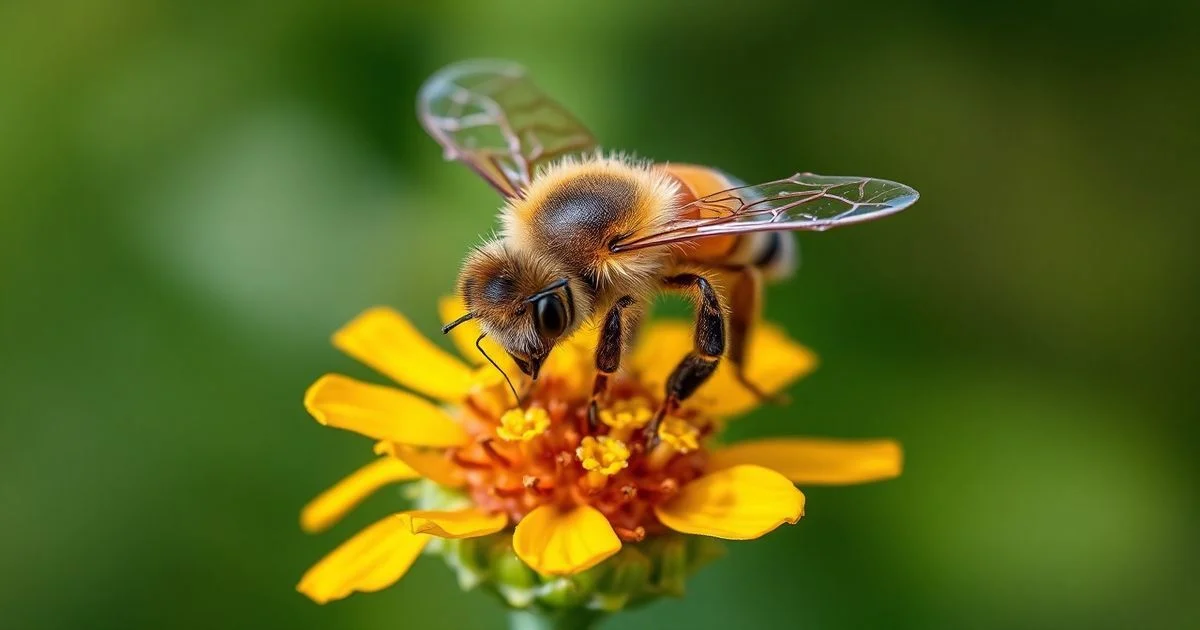
In an intricate dance of nature, tiny insects orchestrate the very foundations of our global ecosystems. Among these, bees stand out as indispensable biological engineers, their diligent work silently underwriting much of the world's biodiversity and food security. Understanding why bees are vital for our planet's future is not merely an academic exercise; it is a critical recognition of a profound ecological truth that impacts every aspect of human life, from the food on our plates to the stability of our natural environments. These fascinating creatures perform an invaluable service, a service that, if lost, would trigger catastrophic ripple effects across the globe.
- The Unseen Architects of Life: Understanding Bee Ecology
- The Pollination Powerhouse: How Bees Drive Ecosystems
- Beyond Honey: Diverse Roles and Key Species
- Global Impact: Bees in Agriculture and Food Security
- The Looming Crisis: Threats to Bee Populations
- Innovative Solutions: Technology and Conservation Efforts
- Why Bees Are Vital for Our Planet's Future: A Call to Action
- Frequently Asked Questions
- Further Reading & Resources
The Unseen Architects of Life: Understanding Bee Ecology
Bees are often narrowly perceived as producers of honey, yet their ecological role extends far beyond this delicious byproduct. They are, in essence, the planet's most prolific and efficient pollinators, a diverse superfamily of insects comprising over 20,000 known species globally. From the well-known social honey bees and bumblebees to the vast array of solitary bees, each plays a unique and crucial part in the intricate web of life. Their evolutionary history is deeply intertwined with that of flowering plants, a co-dependent relationship that has shaped landscapes and sustained countless species for millions of years.
What Defines a Bee? Diversity in Form and Function
While often confused with wasps, bees are distinctly adapted for pollen and nectar collection, characterized by their hairy bodies which efficiently pick up and transport pollen grains. This adaptation is central to their role as pollinators. Bees exhibit an astonishing range of lifestyles, categorized broadly into social and solitary species, each with distinct behaviors and contributions.
Social Bees:
- Honey Bees (Genus Apis): Famous for their complex social structures, elaborate communication through "waggle dances," and, of course, honey production. A single colony can house tens of thousands of individuals, working in highly organized castes (queen, workers, drones). Their foraging efficiency and colony strength make them agricultural powerhouses.
- Bumblebees (Genus Bombus): Known for their fuzzy appearance and ability to fly in colder temperatures due to thermoregulation. Bumblebees are particularly adept at "buzz pollination" (sonication), a technique vital for crops like tomatoes and blueberries. Their colonies are much smaller than honey bee colonies, typically housing hundreds of individuals, and are often annual.
Solitary Bees:
- Mason Bees (Osmia species): Named for their use of mud and other materials to build nests in cavities. These bees are highly efficient pollinators, often outperforming honey bees for specific fruit crops due to their "messy" pollination style, where they carry pollen loosely on their bodies rather than compactly in pollen baskets.
- Leafcutter Bees (Megachile species): These bees cut neat circles from leaves to line their nest cells. Like mason bees, they are solitary and excellent pollinators for a range of plants, especially legumes.
- Miner Bees (Andrena species): As their name suggests, these bees nest in underground burrows, often forming aggregations of individual nests. They are among the earliest bees to emerge in spring, crucial for early-blooming flora.
This incredible biodiversity ensures that a wide array of plant species, each with unique floral structures and blooming times, can be effectively pollinated throughout the growing season. Each bee species has evolved specific foraging behaviors and anatomical features that make it an expert for certain types of flowers, illustrating nature's sophisticated distributed processing system for ecological maintenance.
Bees as Ecosystem Engineers: More Than Just Pollination
Beyond direct pollination, bees contribute to ecosystem health in myriad ways. Their presence signals a healthy environment, as they require diverse flora, clean water, and minimal chemical interference to thrive. For those interested in nurturing such environments, learning how to build a backyard vegetable garden can be a rewarding step. By supporting plant reproduction, they underpin the entire food web, providing sustenance for herbivores, which in turn feed carnivores. In this sense, bees act as foundational data points in the complex algorithms of ecological balance, ensuring the integrity of biological systems.
Furthermore, bees play a role in seed dispersal through their foraging activities, sometimes inadvertently dropping pollen-laden anthers or seeds. Their nests, particularly those of solitary bees, can contribute to soil aeration and organic matter decomposition, indirectly influencing soil health and nutrient cycling. These less obvious contributions highlight their status as true ecosystem engineers, capable of subtly shaping their environment in profound ways.
The Pollination Powerhouse: How Bees Drive Ecosystems
The primary reason for the bees' ecological significance lies in their unparalleled role as pollinators. Pollination, the transfer of pollen from the anther to the stigma of a flower, is a fundamental process for the sexual reproduction of approximately 85-95% of flowering plants worldwide. While other animals like birds, bats, and other insects also pollinate, bees are by far the most dominant and efficient group. Their specialized anatomy and behavior make them exceptional at this vital task, acting as the primary biological vectors for genetic exchange within plant populations.
The Mechanics of Bee Pollination: A Biological Algorithm
Bees are driven by their need for nectar, a sugar-rich energy source, and pollen, a protein-rich food source for their larvae. As they move from flower to flower, collecting these resources, they inadvertently transfer pollen grains. This process can be described as a highly optimized biological algorithm:
- Foraging Strategy: Bees exhibit "flower constancy," meaning they tend to visit the same species of flower during a single foraging trip. This behavior is crucial for effective pollination, as it ensures that the correct pollen is transferred between compatible plants, preventing wasted effort and maximizing reproductive success.
- Pollen Collection: Bees are equipped with specialized structures for collecting pollen. Honey bees and bumblebees possess "pollen baskets" (corbiculae) on their hind legs, where they pack pollen moistened with nectar. Solitary bees often carry pollen loosely on dense hairs (scopae) on their legs or abdomens. The "messy" collection by solitary bees can sometimes make them even more efficient at transferring pollen than their social counterparts.
- Buzz Pollination (Sonication): A specific technique used by bumblebees and some solitary bees for flowers with poricidal anthers (e.g., tomatoes, blueberries, cranberries, potatoes). The bee grasps the flower and vibrates its flight muscles at a high frequency, causing pollen to be dislodged and expelled from the anthers. This is a critical service, as many important crops would yield poorly without it.
- Mutualism and Co-evolution: The relationship between bees and flowering plants is a prime example of mutualism, where both organisms benefit. Plants gain reproductive success, and bees gain food. Over millions of years, this interaction has led to co-evolution, with flowers developing specific shapes, colors, scents, and nectar guides to attract bees, and bees developing specialized mouthparts and foraging behaviors to access these rewards.
This intricate interplay is a testament to nature's sophisticated engineering, where millions of small, autonomous agents collectively manage the reproductive infrastructure of the plant kingdom.
The Economic Value of Bee Pollination
The ecological service provided by bees translates directly into immense economic value, particularly within agriculture. Estimates vary, but the global economic value of insect pollination, with bees as the primary contributors, is often cited in the hundreds of billions of dollars annually. For example, a frequently referenced study by the Food and Agriculture Organization (FAO) suggests that approximately 75% of the world's food crops, representing 35% of global food production, rely on animal pollination, primarily by bees.
In the United States alone, bee pollination is responsible for an estimated 20 billion worth of agricultural production each year. This includes staple crops and luxury goods alike, from fruits, vegetables, and nuts to coffee and chocolate. Without bees, the cost of manually pollinating these crops would be astronomical, if not impossible, leading to severe economic disruption and widespread food shortages. The investment in robust bee populations is, therefore, one of the most cost-effective forms of agricultural subsidy imaginable.
Beyond Honey: Diverse Roles and Key Species
While the image of a honey bee diligently returning to its hive is iconic, the world of bees is far more diverse than many realize. Each major group of bees contributes uniquely to the planet's ecological stability and human well-being, showcasing specialized adaptations and behaviors that optimize their pollinating efficiency for different environments and plant species. Recognizing these diverse roles is crucial for comprehensive conservation strategies, moving beyond a "one-size-fits-all" approach to protecting these vital insects.
The Social Synchronicity of Honey Bees
Honey bees (Apis mellifera and its relatives) are perhaps the most commercially valuable pollinators due to their large colony sizes, ability to be managed and transported, and the valuable products they create. Their organized social structure allows for a highly efficient division of labor:
- Foraging Efficiency: A single honey bee colony can deploy tens of thousands of foragers daily, covering vast areas and visiting millions of flowers. Their "waggle dance" communication system allows them to share precise information about the location and quality of nectar and pollen sources, optimizing foraging routes.
- Crop Specialization: Beekeepers often move hives to orchards and fields during blooming periods, providing concentrated pollination services for crops like almonds, apples, and cherries. This practice is a cornerstone of modern agriculture, essentially renting out biological workforce units for peak performance.
- Beyond Pollination: Honey, beeswax, propolis, and royal jelly are all valuable products derived from honey bee activity, providing economic benefits and natural resources for human use, from food to medicine and cosmetics.
However, relying solely on honey bees for agricultural pollination carries risks. Their susceptibility to certain pests and diseases, and their potential to outcompete native pollinators in some scenarios, highlight the need for a diversified pollinator strategy.
The Hardy Efficiency of Bumblebees
Bumblebees (Bombus species) are unsung heroes of cooler climates and specific crop types. Their robust, hairy bodies and ability to thermoregulate allow them to forage in conditions that would deter honey bees, such as cloudy, rainy, or cooler days.
- Buzz Pollination Specialists: As mentioned, bumblebees are masters of sonication, a critical technique for many solanaceous crops (e.g., tomatoes, peppers, eggplants) and others like cranberries and blueberries. Without them, yields for these crops would plummet significantly.
- Early Season Activity: Many bumblebee species emerge earlier in spring than honey bees, making them crucial for the pollination of early-blooming wildflowers and fruit trees.
- Adaptability: While primarily ground-nesters, their adaptability to various habitats, including urban gardens and natural landscapes, makes them valuable generalist pollinators.
The unique capabilities of bumblebees ensure a broader range of plants are pollinated across diverse environmental conditions, acting as a crucial redundant system in the overall pollination network.
The Unseen Power of Solitary Bees
Comprising the vast majority of bee species, solitary bees are often overlooked but are incredibly effective pollinators. Each female solitary bee builds and provisions her own nest, without the help of a caste system.
- Diverse Nesting Habits: Solitary bees exhibit a wide array of nesting behaviors. Mason bees nest in pre-existing cavities (hollow stems, beetle borings); leafcutter bees construct nests from leaf fragments; and miner bees tunnel into the soil. This diversity allows them to thrive in various niches.
- Hyper-Efficient Pollinators: Many solitary bees are "messy" pollinators, carrying pollen loosely on their bodies. This means they deposit more pollen with each flower visit compared to honey bees, who pack pollen tightly into their pollen baskets. For example, a single mason bee can pollinate as many blossoms as 100 honey bees in an orchard.
- Reduced Competition and Disease Transmission: Since solitary bees do not form large colonies, they are less prone to transmitting diseases between individuals and are less likely to compete significantly with honey bees or other native species, making them excellent supplementary pollinators.
- Native Pollinators: Many solitary bees are native to specific regions, having co-evolved with local flora. Protecting and enhancing these native populations is paramount for the resilience of regional ecosystems.
Understanding and supporting the full spectrum of bee diversity, rather than focusing solely on honey bees, is a critical step towards building more resilient and productive agricultural systems and maintaining robust natural ecosystems. Each species, with its unique "code" and "function," contributes to the robustness and redundancy of the planet's biological operating system.
Global Impact: Bees in Agriculture and Food Security
The implications of bee activity extend far beyond ecological niches, directly impacting global agriculture, food security, and human nutrition. As our primary biological partners in food production, bees are responsible for the existence and abundance of many of the fruits, vegetables, nuts, and even beverages that form the backbone of the human diet. Their decline represents a direct threat to the stability of food systems worldwide.
Sustaining the Global Larder: Crops Reliant on Bees
A staggering proportion of the world's most economically significant and nutritionally important crops depend, to varying degrees, on bee pollination. Without bees, the yields of these crops would dramatically decrease, or in some cases, fail entirely.
- Fruits and Vegetables: Apples, almonds, avocados, blueberries, cherries, cucumbers, pumpkins, squash, watermelons, strawberries, and many more. The vibrant produce section of any grocery store is a testament to the work of bees. For instance, almonds are almost 100% dependent on honey bee pollination, a massive agricultural industry concentrated in California.
- Nuts and Seeds: Beyond almonds, cashews, macadamias, and many oilseed crops like sunflowers and canola rely heavily on bees.
- Legumes: Alfalfa and clover, crucial forage crops for livestock, are pollinated by bees, indirectly supporting meat and dairy industries.
- Stimulants: Coffee, cacao (chocolate), and certain tea varieties also benefit from bee pollination, adding to the global economy and human enjoyment.
- Fibers: Cotton, a major fiber crop, sees increased yields and quality with bee pollination.
This dependence underscores bees' role as critical infrastructure in the global food supply chain, analogous to the high-throughput servers managing essential databases. Disruptions to this infrastructure have cascading effects.
Nutritional Diversity and Human Health
The crops pollinated by bees are not just commodities; they are rich sources of essential vitamins, minerals, and antioxidants. A world with fewer bees would be a world with less diverse and less nutritious food.
- Micronutrient Availability: Many bee-pollinated crops are vital sources of Vitamin C (berries, citrus), Vitamin A (carrots, pumpkins), calcium (broccoli), and various antioxidants. A reduction in these foods could exacerbate existing nutritional deficiencies, particularly in developing nations.
- Dietary Imbalance: A diet less rich in fruits and vegetables can lead to increased reliance on staple grains, potentially contributing to obesity and other diet-related health issues, even in developed countries.
- Food Security Challenges: For communities in regions already struggling with food insecurity, the loss of pollinators could push vulnerable populations further into crisis, reducing local food production and increasing reliance on costly imports.
Therefore, bee health is inextricably linked to public health. Preserving bee populations is an investment in human health and well-being, ensuring access to a balanced and diverse diet for future generations.
Economic Ripple Effects and Global Markets
The economic impact of bee decline extends far beyond individual farmers. The reduction in crop yields would lead to:
- Increased Food Prices: Scarcity drives up prices, making essential foods less accessible, disproportionately affecting low-income populations.
- Loss of Livelihoods: Farmers, agricultural workers, and entire communities dependent on pollinator-reliant crops would face severe economic hardship.
- Trade Disruptions: Countries that export bee-pollinated crops would see their trade balances negatively affected, leading to wider economic instability.
- Reduced Agricultural Innovation: With fundamental pollination services compromised, agricultural research and development might shift from improving yields to simply maintaining basic production levels, stifling innovation.
In essence, bees provide an indispensable, free service that sustains complex global economic networks. The decline of bee populations is not just an ecological crisis; it is an impending economic catastrophe with far-reaching societal consequences, akin to a widespread, undetectable bug corrupting the world's agricultural operating system.
The Looming Crisis: Threats to Bee Populations
Despite their monumental importance, bee populations worldwide are facing unprecedented challenges, often referred to as "Colony Collapse Disorder" (CCD) for honey bees, but impacting wild pollinators too. This crisis is not attributable to a single factor but rather a complex interplay of anthropogenic pressures, creating a perfect storm that threatens these essential insects. Understanding these threats is the first step toward developing effective mitigation strategies.
Habitat Loss and Fragmentation
As human populations expand and land use intensifies, natural habitats critical for bees are shrinking and becoming fragmented.
- Urbanization and Development: Expansion of cities, infrastructure development, and industrial zones pave over or clear natural areas that provide nesting sites, foraging grounds, and overwintering habitats for bees.
- Monoculture Agriculture: The vast expanses of single-crop fields, while efficient for harvesting, offer limited floral diversity and nutritional resources for bees outside of a brief bloom period. This creates "food deserts" for pollinators for much of the year, lacking the continuous succession of flowering plants they need.
- Loss of Wildflowers: Roadside verges, hedgerows, and uncultivated lands that traditionally supported diverse wildflowers are often mowed, sprayed, or developed, further reducing critical foraging habitat.
This loss of diverse habitat acts like a system shutdown for bee populations, cutting off their essential resource streams and isolating remaining communities.
Pesticide Use: A Silent Killer
Pesticides, particularly insecticides, pose one of the most significant threats to bee health, even at sub-lethal doses.
- Neonicotinoids: This class of systemic insecticides is especially problematic. When applied to seeds, the chemicals are absorbed by the plant and expressed in its pollen and nectar. Bees foraging on these treated plants can suffer from impaired navigation, reduced foraging efficiency, weakened immune systems, and decreased reproductive success, even if they don't die outright.
- Broad-Spectrum Insecticides: Other conventional insecticides, when sprayed on flowering crops or adjacent areas, can directly kill bees on contact or through ingestion.
- Fungicides and Herbicides: While not directly toxic to bees, fungicides can weaken their immune systems, making them more susceptible to diseases. Herbicides, by killing wildflowers, indirectly remove essential food sources.
The widespread and often indiscriminate use of these chemicals represents a form of environmental bio-hacking, disrupting the delicate biological processes upon which bees rely.
Climate Change: Shifting Schedules and Extreme Weather
The ongoing effects of climate change introduce significant uncertainty and stress for bee populations.
- Phenological Mismatches: Rising global temperatures can alter the timing of plant flowering and bee emergence. If bees emerge before their primary food sources bloom, or if flowers bloom and fade before bees are active, it creates a critical "phenological mismatch," leading to starvation.
- Extreme Weather Events: Increased frequency and intensity of droughts, floods, heatwaves, and severe storms can directly kill bees, destroy nesting sites, and wipe out floral resources.
- Range Shifts: As temperatures change, plants and bees may shift their geographical ranges. However, species move at different rates, potentially disrupting established co-evolutionary relationships and leaving some species without suitable habitats or food sources.
Climate change acts as a global system instability, introducing unpredictable variables into the finely tuned algorithms of bee life cycles.
Diseases, Parasites, and Invasive Species
Bees are also vulnerable to a range of biological threats that are exacerbated by other environmental stressors.
- Varroa Mite (Varroa destructor): This parasitic mite is a devastating pest of honey bees, feeding on their hemolymph (insect blood) and transmitting various viruses, significantly weakening colonies. It is a major driver of honey bee colony losses worldwide.
- Nosema (Fungal Pathogen): A microsporidian parasite that infects the gut of adult bees, impairing their digestion and shortening their lifespan.
- American and European Foulbrood: Highly contagious bacterial diseases that infect bee larvae, leading to colony decline and death.
- Invasive Species (e.g., Asian Hornet): The Asian hornet (Vespa velutina) is a predatory wasp that preys on honey bees and other pollinators, posing a significant threat to native bee populations where it becomes established.
These biological threats, often spread or intensified by human activities like global trade and habitat disturbance, are like virulent software viruses attacking the core functions of bee colonies. The confluence of these threats creates a formidable challenge for bee survival, underscoring the urgent need for comprehensive intervention.
Innovative Solutions: Technology and Conservation Efforts
Addressing the multifaceted crisis facing bee populations requires a comprehensive and multi-pronged approach, integrating traditional conservation practices with cutting-edge technological innovations. For a tech-savvy audience, understanding how technology is being leveraged to safeguard these vital pollinators highlights the crucial intersection of environmental science and advanced engineering. These solutions aim to mitigate threats, monitor populations, and restore habitats, effectively deploying a global debugging and recovery strategy for bee ecosystems.
Precision Agriculture and Integrated Pest Management
Modern agriculture, a significant source of threats, is also a key area for implementing solutions.
- Smart Spraying Technology: GPS-guided sprayers and drone technology can precisely target weeds and pests, drastically reducing the overall volume of pesticides used and minimizing drift onto non-target areas or flowering crops. This ensures chemicals are applied only where and when necessary, acting as a highly localized patch management system.
- Integrated Pest Management (IPM): This holistic approach prioritizes biological controls, cultural practices (e.g., crop rotation, resistant varieties), and careful monitoring to manage pests with the least possible disruption to ecosystems. Pesticides are used as a last resort, and then only the least harmful options.
- Pollinator-Friendly Crop Varieties: Research into developing crop varieties that are less reliant on chemical inputs or offer better foraging opportunities for bees is ongoing, aiming for symbiotic agricultural systems.
Smart Beekeeping and IoT Monitoring
Technology is revolutionizing the way beekeepers manage hives, offering unprecedented insights into colony health.
- IoT Sensors: Devices equipped with sensors can monitor various parameters within a hive, including temperature, humidity, weight (indicating honey stores), and even sound (detecting queen presence or absence, swarming behavior). This real-time data allows beekeepers to proactively address issues before they become critical, much like network administrators monitoring server health. The principles of efficient data handling, similar to how to optimize SQL queries for high-performance applications, are crucial for managing this influx of information.
- AI for Disease Detection: Artificial intelligence algorithms can analyze sensor data, audio recordings, or even images of bee activity to detect early signs of diseases (like Varroa mites or foulbrood) or stress, enabling targeted interventions and preventing widespread colony collapse.
- Robotic Beekeeping: Concepts like Beehome, a fully autonomous beehive management system, explore robotic solutions for tasks such as climate control, pest detection, and even honey harvesting, aiming to create optimal conditions for bee health while reducing human labor. While still nascent, this frontier promises significant advancements.
Data Science and Citizen Science Initiatives
Leveraging large datasets and public engagement is crucial for understanding and responding to bee declines.
- Geospatial Analysis: Satellite imagery and GIS (Geographic Information Systems) are used to map pollinator habitats, identify "pollinator deserts," and plan optimal locations for habitat restoration corridors. This provides a spatial intelligence framework for conservation.
- Citizen Science Platforms: Apps like iNaturalist, Bumble Bee Watch, or dedicated pollinator surveys empower the public to collect valuable data on bee sightings, floral resources, and nesting sites. This crowdsourced data provides researchers with a vast dataset for monitoring population trends and distribution, filling critical data gaps.
- Genomic Research: Advances in genomics allow scientists to study bee genetics, identify disease-resistant strains, and understand the genetic basis of adaptation to environmental changes, paving the way for targeted breeding programs and conservation efforts.
Habitat Restoration and Policy Action
While technology offers powerful tools, fundamental ecological principles remain central to conservation.
- Creating Pollinator Corridors: Establishing networks of pollinator-friendly habitats – including wildflowers, native plants, and undisturbed nesting sites – across landscapes connects isolated bee populations, promoting genetic diversity and resilience.
- Urban Beekeeping and Gardens: Promoting beekeeping in urban areas and encouraging the planting of pollinator-friendly gardens in private yards, parks, and public spaces provides crucial foraging resources in developed areas. For individuals, creating a sustainable indoor herb garden can be a small but impactful step in supporting local pollinators.
- Policy and Regulation: Governments play a vital role in implementing effective policies, such as banning harmful pesticides (e.g., neonicotinoids in the EU), protecting natural areas, and incentivizing farmers to adopt pollinator-friendly practices. International cooperation is also essential to address transboundary threats like climate change and invasive species.
These diverse solutions, from high-tech monitoring to grassroots habitat creation and policy reform, represent a holistic commitment to reversing the decline of bee populations. They demonstrate a sophisticated approach to environmental management, treating the planet's ecosystems as complex, interconnected systems that require intelligent design and proactive maintenance.
Why Bees Are Vital for Our Planet's Future: A Call to Action
The journey through the intricate world of bees reveals a profound truth: these tiny insects are not merely cogs in the machinery of nature, but the very architects and engineers of our planet's future viability. Their tireless work as pollinators underpins the astonishing biodiversity that enriches our lives, secures our food supply, and maintains the delicate balance of ecosystems across the globe. The question of why bees are vital for our planet's future is answered unequivocally by their indispensable role in agriculture, their fundamental contribution to ecological stability, and their direct impact on human health and economic prosperity.
The challenges facing bee populations are significant and complex, stemming from a confluence of habitat destruction, pervasive pesticide use, the escalating impacts of climate change, and the relentless pressure of diseases and parasites. These threats underscore a critical vulnerability in our global systems, a warning signal that the natural infrastructure supporting life on Earth is under severe stress. Ignoring this signal would be akin to knowingly allowing critical servers to fail, risking catastrophic data loss and systemic collapse.
However, the future is not predetermined. Through a combination of innovative technological solutions—from IoT-enabled smart hives and AI-driven diagnostics to precision agriculture—and concerted conservation efforts, we possess the tools and knowledge to mitigate these threats. Citizen science empowers individuals to contribute valuable data, while habitat restoration and pollinator-friendly policies provide tangible pathways to recovery.
Ultimately, the fate of bees, and by extension, our own, rests on collective action. It requires a fundamental shift in perspective, recognizing that investing in bee health is an investment in human health, economic stability, and the long-term sustainability of our planet. Protecting bees is not just an environmental imperative; it is a strategic decision for safeguarding the future. By championing pollinator protection, adopting sustainable practices, and advocating for informed policy, we can ensure that these vital creatures continue their essential work, securing a vibrant and thriving planet for generations to come.
Frequently Asked Questions
Q: Why are bees considered "ecosystem engineers"?
A: Bees are termed ecosystem engineers because their pollination activities are foundational to the reproduction of most flowering plants. This supports entire food webs, influencing biodiversity, soil health, and the very structure of natural landscapes. They subtly shape their environment through their essential work.
Q: What is the main threat to bee populations?
A: Bee populations face a complex interplay of threats, with habitat loss and fragmentation, widespread pesticide use (especially neonicotinoids), and climate change being the most significant. These factors, alongside diseases and parasites, create a challenging environment for bee survival globally.
Q: How can individuals help protect bees?
A: Individuals can significantly contribute by planting pollinator-friendly native flowers, reducing or eliminating pesticide use in their gardens, and supporting local beekeepers. Advocating for policies that protect natural habitats and promote sustainable agriculture also makes a difference.