Understanding the History of the Olympic Games: A Deep Dive
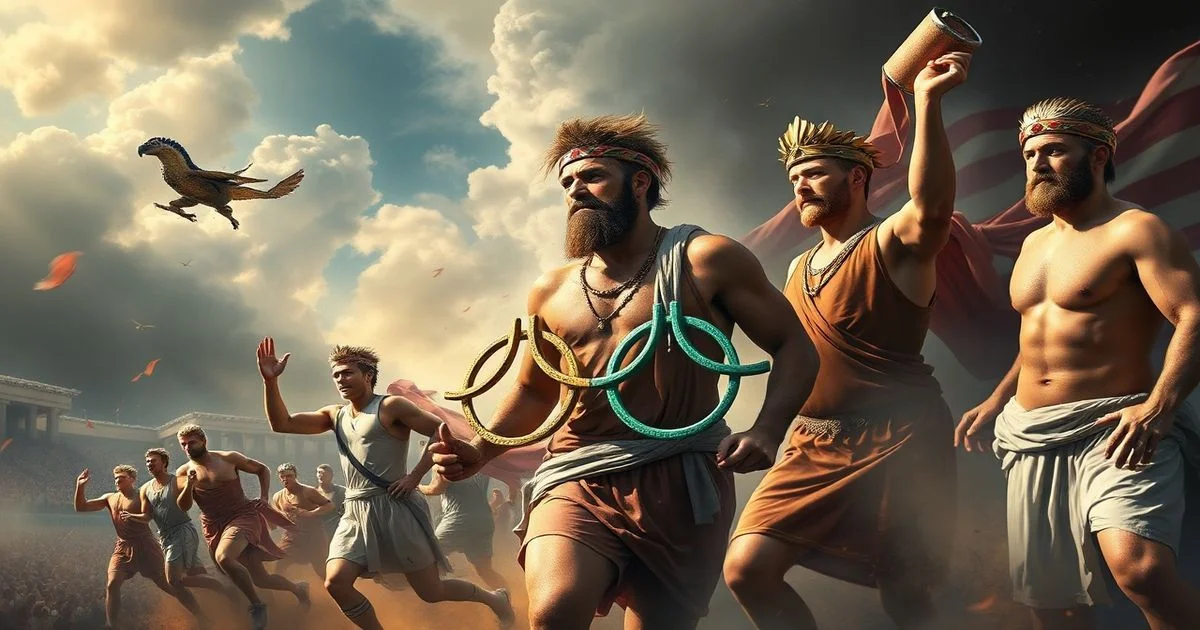
The Olympic Games stand as a monumental testament to humanity's enduring drive for competition, excellence, and unity. For millennia, these athletic festivals have transcended mere sporting contests, evolving into complex socio-political phenomena that reflect the spirit and struggles of their respective eras. Embarking on a journey to fully grasp and embrace understanding the history of the Olympic Games requires a deep dive into ancient origins, a long period of dormancy, and a dramatic modern revival that has seen them become the world's foremost multi-sport event. This extensive exploration will peel back the layers of history, revealing the intricate evolution, profound impact, and continuous adaptation of a global institution that continues to capture the imagination of billions.
- Understanding the History of the Olympic Games: Ancient Origins and Evolution
- The Long Hibernation: Centuries of Silence
- The Phoenix Rises: Pierre de Coubertin and the Modern Olympics
- Structure and Symbolism: Key Pillars of the Modern Movement
- Expanding Horizons: Growth, Inclusion, and Global Reach
- Navigating Stormy Waters: Controversies and Challenges
- The Olympic Legacy: Impact Beyond the Arena
- The Road Ahead: Adapting to a Changing World
- Conclusion: The Enduring Spirit of the Olympic Games
- Frequently Asked Questions
- Further Reading & Resources
Understanding the History of the Olympic Games: Ancient Origins and Evolution
To truly appreciate the modern spectacle, we must first journey back to the hallowed grounds of ancient Greece. The ancient Olympic Games were not merely athletic contests but profoundly religious festivals, intrinsically linked to the worship of Zeus, the king of the gods. Their origins are shrouded in a blend of myth and historical fact, reflecting the cultural fabric of a civilization that valued both physical prowess and intellectual achievement.
Origins in Olympia: Myth and Reality
The earliest recorded Olympic Games date back to 776 BCE, held in Olympia, a sacred sanctuary site in Elis, Greece. While myths attribute their founding to figures like Heracles or Pelops, historical consensus points to the city-state of Elis as the organizer. These quadrennial events quickly became a cornerstone of Greek identity, providing a rare opportunity for Hellenic city-states, often at war, to gather in peaceful competition. The first recorded champion was Koroibos, a cook from Elis, who won the stadion, a short footrace equivalent to about 200 meters. This marked the beginning of a tradition that would span over a thousand years.
The Games were a pivotal part of the Panhellenic Games, a cycle of four festivals held at different sites: the Pythian Games at Delphi, the Nemean Games at Nemea, the Isthmian Games at Corinth, and the most prestigious, the Olympic Games at Olympia. Each had its own patron deity and unique traditions, but Olympia held a special reverence due to its antiquity and association with Zeus. The enduring legacy of these games, despite their eventual cessation, laid the groundwork for future revivals.
The Ancient Program: Events and Rituals
The ancient Olympic program was far more limited than its modern counterpart, yet intensely rigorous. Initially, the stadion was the only event. Over time, other contests were added, gradually expanding the athletic challenges. These included:
- Diaulos: A double-stadion footrace.
- Dolichos: A long-distance footrace, varying from 7 to 24 stadia.
- Pankration: A brutal full-contact combat sport combining wrestling and boxing, with very few rules.
- Wrestling: A submission-based grappling sport.
- Boxing: Fought with leather thongs wrapped around hands, leading to significant injuries.
- Pentathlon: Comprising five events: stadion, long jump, discus throw, javelin throw, and wrestling. This event was seen as the ultimate test of all-around athleticism, demanding both strength and agility, and demonstrating the early importance of foundational Strength Training: Benefits Beyond Building Muscle – A Deep Dive.
- Equestrian Events: Chariot races (four-horse and two-horse) and horse races, held in the hippodrome. Unlike other events, the owner of the horses, not the rider, was crowned the victor.
Religious rituals were central to the Games. Sacrifices were made to Zeus and other gods, oaths were sworn, and elaborate processions marked the opening and closing ceremonies. The athletes competed naked, symbolizing purity, a connection to the gods, and the celebration of the human form. Victors received a wreath of wild olive, cut from a sacred tree near the Temple of Zeus, and immense glory, often returning to their home cities as heroes.
The Sacred Truce and Participant Profile
A defining feature of the ancient Olympics was the ekecheiria, or Olympic Truce. Messengers, known as spondophoroi, were sent out across Greece before the Games to announce the truce, guaranteeing safe passage for athletes, their families, and spectators traveling to Olympia. This remarkable agreement, enforced with strict religious penalties, allowed even warring city-states to temporarily lay down arms, highlighting the unifying power and profound respect accorded to the Games. It was a period of peace, however temporary, dedicated to shared cultural and religious values.
Participation in the ancient Games was largely restricted. Only freeborn Greek men were permitted to compete. Women were explicitly excluded, both as competitors and as spectators, although a separate festival, the Heraean Games, was held for women at Olympia in honor of Hera. Slaves and non-Greeks (barbarians) were also barred. This exclusivity underscored the Hellenic identity of the Games, celebrating a specific cultural and aristocratic ideal of male excellence. However, as the Roman Empire expanded, some Romans were eventually allowed to compete, blurring these lines somewhat in later periods.
Decline and Demise: The End of an Era
The ancient Olympic Games flourished for over a millennium, becoming deeply embedded in the Greek calendar and cultural psyche. However, their decline began with the rise of Roman influence in Greece. While initially the Romans respected and even participated in the Games, their significance gradually waned. The Games transformed from a purely religious and athletic festival into more of a spectacle, sometimes influenced by Roman tastes.
The final blow came with the advent and spread of Christianity within the Roman Empire. As Christianity became the dominant religion, pagan festivals like the Olympics were seen as idolatrous. The Emperor Theodosius I, a devout Christian, issued decrees outlawing pagan cults and practices. In 393 CE, he officially abolished the Olympic Games, bringing an end to a tradition that had united the Greek world for 1170 years. The site of Olympia itself fell into ruin, buried by earthquakes and floods, its memory fading into myth.
The Long Hibernation: Centuries of Silence
Following Theodosius's decree, the Olympic Games vanished from the global stage for over 1500 years. This long hiatus marked a profound cultural shift, as the ideals of ancient Greek athleticism and competitive festivals were largely forgotten or suppressed in favor of other cultural priorities and religious observances during the medieval period. The concept of large-scale, pan-national athletic competition simply did not exist in the same formalized, recurring manner.
The Absence of the Games
For centuries, European societies were primarily agrarian, fragmented by feudal systems, and often embroiled in localized conflicts. The resources, infrastructure, and societal philosophy required to host an event on the scale of the ancient Olympics were absent. Furthermore, the dominant Christian worldview largely prioritized spiritual over physical pursuits, viewing public nudity and pagan rituals with disdain. Sporadic local festivals and chivalric tournaments existed, but they lacked the universal appeal, structure, and unifying ethos of the ancient Games. The world had moved on, and the memory of Olympia became a subject for scholars and archaeologists rather than an active cultural force.
Early Attempts at Revival
Despite the long silence, the spark of the Olympic ideal never entirely died. During the Renaissance, there was a renewed interest in classical antiquity, and scholars began unearthing texts and artifacts that spoke of the ancient Games. This intellectual curiosity eventually led to some localized attempts at athletic revivals, though none achieved international recognition or the true spirit of the Olympics.
Notable examples include:
- "Cotswold Olimpick Games" (England, 17th Century): Organized by Robert Dover, these annual games near Chipping Campden featured traditional English sports like wrestling, shin-kicking, and rural pastimes. They were a local celebration inspired by classical ideals, but not a direct continuation.
- "L'Olympiade de la République" (France, 1796-1798): Held during the French Revolution, these festivals aimed to promote the metric system and republican ideals through athletic contests. They incorporated some ancient Greek concepts but were short-lived and politically motivated.
- "Zappas Olympics" (Greece, 19th Century): Funded by Evangelis Zappas, a wealthy Greek philanthropist, these games were held in Athens in 1859, 1870, and 1875. They were a more serious attempt at revival, drawing inspiration directly from the ancient Games, but remained national rather than international. They are often seen as a crucial precursor to the modern Olympic movement, demonstrating that a revival was indeed possible.
These scattered efforts, while significant in their own right, lacked the vision, organization, and international consensus required to resurrect the Games on a truly global scale. The stage was set, however, for a figure who would combine historical appreciation with modern ambition to reignite the Olympic flame.
The Phoenix Rises: Pierre de Coubertin and the Modern Olympics
The late 19th century was a period of profound change: industrialization, colonial expansion, and increasing international communication. It was within this dynamic context that a visionary Frenchman, Baron Pierre de Coubertin, championed the idea of reviving the Olympic Games. His relentless dedication and strategic efforts transformed a dream into a global reality.
The Visionary Behind the Revival
Pierre de Coubertin (1863-1937) was a French educator and intellectual. Inspired by visits to English public schools and their emphasis on sports for character development, and by archaeological discoveries at Olympia, he became convinced that a modern version of the Olympic Games could promote international understanding, peace, and the physical and moral education of young people. He believed that athletic competition, conducted fairly and with good sportsmanship, could foster a sense of shared humanity and bridge national divides.
Coubertin's vision was not merely to recreate the ancient Games but to adapt them for the modern world. He sought to create an international multi-sport event that would bring together athletes from across the globe, transcending national boundaries and fostering a spirit of peaceful competition. His ideas, initially met with skepticism, slowly gained traction among like-minded individuals and athletic organizations across Europe and North America.
The First Modern Games: Athens 1896
Coubertin’s efforts culminated in a historic congress held in Paris in June 1894. Delegates from 12 nations gathered to discuss the revival of the Olympic Games. It was at this congress that the International Olympic Committee (IOC) was founded, with Demetrius Vikelas of Greece as its first president and Coubertin as its secretary. Crucially, the delegates voted unanimously to revive the Olympic Games, and, fittingly, decided that the first modern Games would be held in Athens, Greece, in 1896.
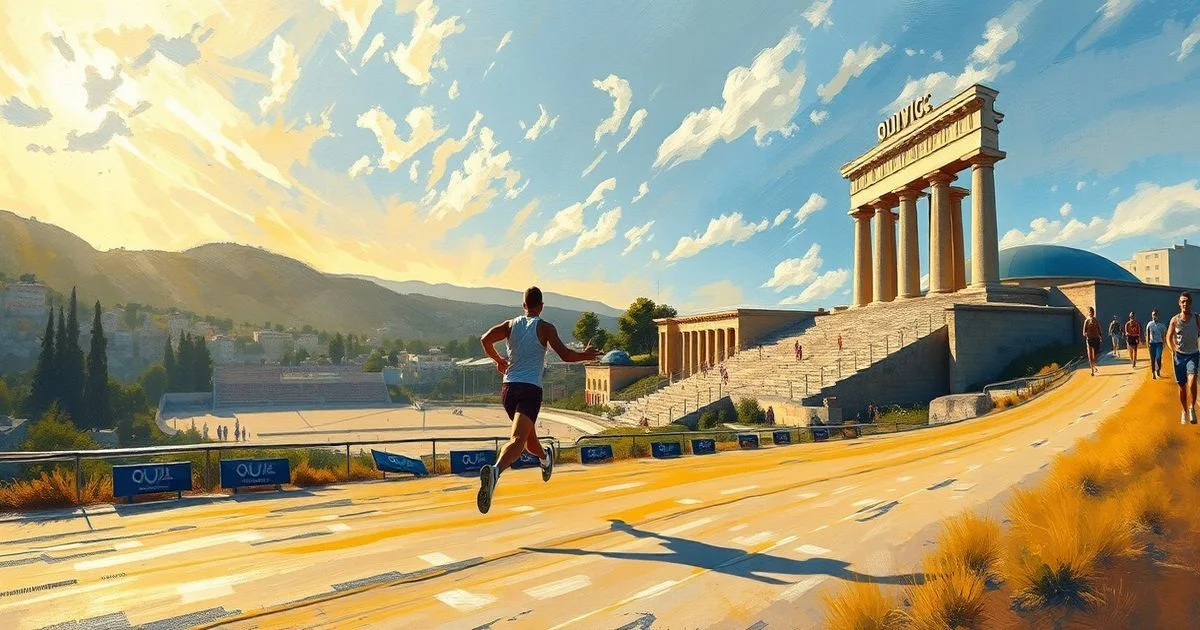
The 1896 Athens Games were a modest but historic success. Held from April 6 to April 15, they involved approximately 241 male athletes from 14 nations, competing in 43 events across 9 sports, including athletics, cycling, fencing, gymnastics, shooting, swimming, tennis, weightlifting, and wrestling. The Panathenaic Stadium, originally built for the Panathenaic Games in 330 BCE and restored for the occasion, provided a magnificent backdrop. The Games captured the imagination of the Greek public and the international community, proving that Coubertin’s vision was viable. The marathon, inspired by the legend of Pheidippides, became an iconic event, won by Greek runner Spyridon Louis, sparking national fervor.
Evolution of the Early Modern Games
The early modern Olympics faced significant growing pains. The second Games, held in Paris in 1900, were overshadowed by the concurrent Universal Exposition and dragged on for over five months, with poor organization and limited public interest. The 1904 St. Louis Games suffered from similar issues, compounded by the logistical difficulties for European athletes to travel to the United States. It was clear that the Games needed a more robust and independent structure.
The Intercalated Games of 1906, also held in Athens, are often credited with saving the Olympic movement. Though not officially recognized by the IOC as full Olympic Games, they were well-organized and successful, rekindling interest and demonstrating the potential for the Games to stand alone. Subsequent Games in London (1908) and Stockholm (1912) refined the organizational model, solidified the calendar, and began to establish the traditions and ceremonies that define the Olympics today. This period saw the gradual professionalization of sports administration and an increasing global reach for the Games.
Structure and Symbolism: Key Pillars of the Modern Movement
With the successful revival, the Olympic Games began to develop a formalized structure and a rich tapestry of symbols that cemented their identity and global appeal. These elements are not merely decorative but embody the core values and aspirations of the Olympic movement.
The International Olympic Committee (IOC)
At the heart of the modern Olympic movement is the International Olympic Committee (IOC). Founded in 1894, the IOC is a non-governmental sports organization and the governing body of the Olympic Games. It is responsible for:
- Overseeing the organization and development of the Olympic Games: This includes selecting host cities, determining the sports program, and ensuring compliance with the Olympic Charter.
- Promoting Olympism: Spreading the philosophy of "Olympism" worldwide, which emphasizes the harmonious development of humankind, a peaceful society concerned with the preservation of human dignity, and the use of sport as a tool for education.
- Supporting member National Olympic Committees (NOCs): There are over 200 NOCs worldwide, each representing a country's Olympic movement and responsible for sending its athletes to the Games.
The IOC is an independent body, financed through its commercial programs, including broadcast rights, sponsorship, and licensing. Its autonomy, while crucial for its mission, has also been a source of occasional controversy regarding transparency and governance.
Core Values and the Olympic Charter
The Olympic movement is guided by a set of core values, collectively known as Olympism, articulated in the Olympic Charter. The Charter is the fundamental document that establishes the principles, rules, and bylaws for the organization of the Olympic Games and for governing the Olympic Movement. Its key values include:
- Excellence: Striving to give one's best, both in the field of play and in life.
- Friendship: Building mutual understanding between individuals and people, fostering a spirit of fair play.
- Respect: For oneself, one’s body, for others, for rules and regulations, for sport and for the environment.
These values underpin the pursuit of human development through sport, culture, and education. The Olympic motto, "Citius, Altius, Fortius – Communiter" (Faster, Higher, Stronger – Together), encapsulates this spirit of striving for personal bests while emphasizing the collective journey and unity.
Iconic Symbols: Rings, Flame, and Motto
The visual and ceremonial aspects of the Olympic Games are instantly recognizable and deeply symbolic. They connect the ancient and modern, and communicate the ideals of the movement.
- The Olympic Rings: Designed by Pierre de Coubertin in 1913, the five interlocking rings (blue, yellow, black, green, and red on a white field) represent the five inhabited continents (Africa, the Americas, Asia, Europe, and Oceania) united by Olympism. At least one of these colors appears in the flag of every nation in the world.
- The Olympic Flame: Symbolizing purity, the pursuit of perfection, and the continuous link between the ancient and modern Games, the Olympic Flame is ignited months before the opening ceremony at the site of ancient Olympia in Greece. It is then carried by torchbearers in a relay across different countries to the host city, where it lights the cauldron during the opening ceremony, remaining lit for the duration of the Games.
- The Olympic Motto: As mentioned, "Citius, Altius, Fortius – Communiter" (Faster, Higher, Stronger – Together) was updated in 2021 to include "Communiter" (Together), emphasizing solidarity and teamwork in a globalized world.
- The Olympic Oath: Taken by an athlete, a judge, and a coach at the opening ceremony, this oath pledges fair play, respect for the rules, and commitment to clean sport, underscoring the integrity of the competition.
These symbols are more than mere branding; they are powerful embodiments of the Olympic spirit, recognized and respected across cultures and generations. They contribute significantly to the global identity and enduring appeal of the Games.
Expanding Horizons: Growth, Inclusion, and Global Reach
From its modest beginnings in Athens 1896, the modern Olympic Games have undergone a continuous process of expansion, inclusion, and technological integration. This evolution reflects broader societal changes and the Olympic movement's adaptation to a rapidly globalizing world.
The Winter Olympics and Paralympic Games
The success of the Summer Games led to the creation of additional Olympic events. Recognizing the distinct nature of winter sports, the first Winter Olympics were held in Chamonix, France, in 1924. Initially held in the same year as the Summer Games, they were shifted to a staggered schedule in 1994, now taking place two years apart from the Summer Games. The Winter Olympics include sports like alpine skiing, snowboarding, figure skating, ice hockey, and bobsleigh, providing a global stage for athletes excelling in colder climates.
Perhaps even more significant was the emergence of the Paralympic Games. Inspired by the work of Dr. Ludwig Guttmann, who used sport as a rehabilitation method for World War II veterans with spinal cord injuries, the first official Paralympic Games were held in Rome in 1960. Held immediately after the Olympic Games in the same host city, the Paralympics celebrate athletes with a diverse range of physical and intellectual impairments, demonstrating incredible resilience, skill, and determination. The integration of the Paralympics underscores the Olympic movement's growing commitment to inclusivity and the power of sport to transcend perceived limitations.
Women in the Games: A Journey Towards Equality
The inclusion of women in the Olympic Games has been a gradual and often challenging journey. In the ancient Games, women were strictly forbidden. At the first modern Olympics in 1896, no women competed. It was not until the 1900 Paris Games that women were first allowed to participate, albeit in a limited capacity, in events like tennis and golf. Pierre de Coubertin himself held traditional views, believing women's primary role was to crown the victors.
However, the tide slowly turned. Over the decades, more sports were opened to women, and their participation steadily increased. Significant milestones include:
- 1928 Amsterdam: Women first competed in track and field.
- 1984 Los Angeles: The women's marathon was introduced.
- 2012 London: For the first time, women competed in every sport on the program, and every national delegation included female athletes.
- Recent Games: Efforts continue to achieve full gender parity in terms of athlete numbers and event offerings. The IOC now requires host cities to demonstrate gender equality in their proposed programs.
This progression reflects a global shift towards gender equality and recognition of women's athletic capabilities, transforming the Games into a more representative celebration of human sporting potential. For athletes across all disciplines, whether competing in the Olympics or aiming to Master Your Golf Swing: Tips for Better Play & Biomechanics, gender equality fosters wider participation and excellence.
Technological Advancements and Broadcast Innovation
The global reach and immersive experience of the modern Olympics owe much to technological advancements, particularly in broadcasting and data management. From early radio broadcasts to the advent of television, and now to high-definition digital streaming and social media, technology has continually reshaped how the world experiences the Games.
- Early Broadcasts: The 1936 Berlin Games were the first to be televised, albeit to a limited audience in Berlin. By the 1960s, satellite technology enabled live broadcasts across continents.
- Digital Revolution: The late 20th and early 21st centuries saw a massive expansion in broadcast capabilities, with multiple channels, slow-motion replays, biometric data overlays, and interactive experiences. Today, events are streamed live to billions across various devices, often with personalized viewing options.
- Sports Science and Equipment: Technology has also revolutionized athletic training and equipment, leading to new records and increased safety. From advanced materials in running shoes and swimsuits to sophisticated analytical tools for performance optimization, science is at the forefront of athletic preparation. As advancements occur, it's crucial for organizations to consider How to Prevent Sports Injuries in Youth Athletes: A Tech-Driven Guide to ensure the well-being of future generations of athletes.
- Data and Analytics: Behind the scenes, complex data systems manage everything from athlete registration and scheduling to results processing and anti-doping efforts, ensuring the smooth operation of an event involving tens of thousands of participants and staff.
These innovations have transformed the Olympics into a truly global media phenomenon, connecting athletes and fans worldwide and bringing the drama and triumph of competition into homes across the planet.
Navigating Stormy Waters: Controversies and Challenges
While embodying ideals of peace and unity, the Olympic Games have not been immune to the tumultuous currents of global politics and societal issues. Throughout their modern history, the Games have frequently found themselves at the nexus of major controversies, reflecting the complex interplay between sport, politics, ethics, and commerce.
Politics and Protests: The Games as a World Stage
From its revival, the Olympics have often served as a highly visible stage for political statements, protests, and boycotts. The ideal of separating politics from sport has proven largely unattainable, as the very act of nations gathering under national flags imbues the event with political significance.
Notable instances include:
- 1936 Berlin Games: Exploited by Nazi Germany for propaganda purposes, despite the athletic triumphs of Jesse Owens, an African American athlete.
- 1968 Mexico City Games: The iconic "Black Power" salute by American sprinters Tommie Smith and John Carlos, protesting racial inequality in the United States, captured global attention.
- 1972 Munich Massacre: The tragic attack by the Palestinian terrorist group Black September, resulting in the deaths of 11 Israeli Olympic team members, highlighted the vulnerability of the Games to global conflicts.
- Boycotts of 1980 (Moscow) and 1984 (Los Angeles): Cold War politics led to reciprocal boycotts by the United States and its allies (1980, protesting the Soviet invasion of Afghanistan) and the Soviet Union and its allies (1984), significantly impacting participation and the spirit of universal competition.
These events underscore the Games' unique position as a platform where global issues inevitably intersect with athletic pursuits, forcing the Olympic movement to grapple with its role in a politically charged world.
Doping Scandals and the Fight for Fair Play
The pursuit of excellence can, for some, lead to unethical practices. Doping, the use of performance-enhancing drugs, has been a persistent shadow over the Games, threatening the integrity of competition and the ideal of fair play. From the early deaths of cyclists due to stimulants in the early 20th century to sophisticated modern drug regimes, the battle against doping is an ongoing arms race.
Key moments in this fight include:
- Ben Johnson (1988 Seoul): The Canadian sprinter was stripped of his 100m gold medal after testing positive for steroids, one of the most high-profile doping cases in Olympic history.
- State-Sponsored Doping: Revelations of systematic, state-sponsored doping programs, particularly involving East Germany during the Cold War and more recently Russia, have severely undermined trust in athletic results and led to significant sanctions, including bans for entire national teams.
- World Anti-Doping Agency (WADA): Founded in 1999, WADA plays a crucial role in coordinating the global fight against doping, establishing anti-doping codes, conducting research, and overseeing testing programs.
The IOC and WADA continually strive to implement more rigorous testing protocols, develop educational programs, and impose stricter penalties to protect clean athletes and maintain the credibility of the Games.
Commercialization and the Financial Equation
While rooted in amateur ideals, the modern Olympics are also a colossal commercial enterprise. Hosting the Games involves multi-billion dollar investments in infrastructure, security, and operations. This economic reality has led to increasing commercialization, which brings both benefits and challenges.
Benefits:
Sponsorship deals, broadcast rights, and merchandising provide essential funding for the Olympic movement, allowing it to support national committees, athlete development, and global sporting initiatives.
Challenges:
The immense costs and the pressure to generate revenue can lead to:
- Host City Burden: Cities often struggle with spiraling costs, white elephants (unused venues), and social disruption, leading to increasing public skepticism about hosting the Games.
- Corporate Influence: Critics argue that corporate sponsors wield undue influence, sometimes overshadowing the athletic and cultural aspects of the Games.
- Athlete Welfare: While top athletes can secure lucrative endorsements, many struggle financially, raising questions about equitable distribution of wealth generated by the Games.
Balancing the financial needs of the Games with their core values and ensuring long-term sustainability remains a critical challenge for the IOC.
Human Rights and Host City Selection
In recent decades, the selection of host cities has increasingly become intertwined with human rights concerns. As the global spotlight intensifies on host nations, their human rights records, labor practices, and treatment of minorities come under intense scrutiny.
- Protests against specific host countries: Beijing (2008, 2022 Winter Games), Sochi (2014 Winter Games), and Brazil (2016 Rio Games) have all faced criticism regarding issues such as freedom of speech, environmental impact, displacement of communities, and LGBTQ+ rights.
- IOC's evolving stance: Initially reluctant to engage directly in political issues, the IOC has gradually adopted policies that include human rights criteria in the host city selection process, though their enforcement remains a subject of debate.
The decision to award the Games is now widely recognized as an implicit endorsement, forcing the IOC to navigate a complex ethical landscape and carefully weigh the potential benefits against the moral implications of its choices.
The Olympic Legacy: Impact Beyond the Arena
Beyond the weeks of competition, the Olympic Games leave an indelible mark on host cities, participating nations, and the global consciousness. This legacy encompasses cultural exchange, economic development, and profound inspiration, extending far beyond the medals won and records broken.
Cultural Exchange and International Understanding
The Games serve as a unique melting pot of cultures. Athletes, officials, and spectators from virtually every corner of the globe converge, sharing traditions, languages, and perspectives. The Olympic Village, in particular, becomes a microcosm of global society, fostering camaraderie and understanding among competitors who might otherwise be separated by political or geographical divides.
- Showcasing Diversity: Opening and closing ceremonies are grand spectacles of cultural expression, often highlighting the history and artistic heritage of the host nation while celebrating global diversity.
- Promoting Dialogue: The gathering of so many nations, even amidst political tensions, provides opportunities for informal diplomacy and cross-cultural dialogue, subtly contributing to international peace and understanding, much like the ekecheiria of old.
This profound cultural exchange is one of the most enduring and valuable aspects of the Olympic movement, fostering a sense of shared humanity.
Economic and Urban Development
Hosting the Olympic Games often acts as a catalyst for massive urban regeneration and infrastructure development. Cities invest heavily in new stadiums, athlete villages, transportation networks, and public amenities, which can leave a lasting legacy.
- Infrastructure Improvements: New roads, airports, public transport systems, and housing projects can significantly enhance a city's liveability and connectivity for decades.
- Economic Boost: The influx of tourists, media, and spectators generates revenue, creates jobs (both direct and indirect), and boosts local businesses, at least during the Games period.
- International Profile: Hosting the Games raises a city's global profile, attracting future tourism, investment, and skilled talent.
However, as discussed, these benefits are often weighed against the colossal financial costs, potential for underutilized venues, and social impacts, making careful planning and long-term vision critical for a positive legacy.
Inspiration and Athletic Excellence
At its core, the Olympic Games inspire. They showcase the pinnacle of human athletic achievement, pushing the boundaries of what is possible. Stories of triumph over adversity, extraordinary dedication, and breathtaking skill captivate audiences worldwide and motivate aspiring athletes.
- Role Models: Olympic champions become global role models, demonstrating the values of perseverance, discipline, and sportsmanship. Their achievements inspire millions of young people to pursue their sporting dreams and adopt healthier lifestyles.
- National Pride: For many nations, Olympic success is a source of immense national pride, bringing communities together and celebrating shared identity. The moments of medal glory become ingrained in national memory.
- Human Potential: The Games continually redefine human potential, with records constantly being broken and new feats of athleticism being achieved, reflecting the relentless human spirit to strive for "Citius, Altius, Fortius."
This inspirational power is arguably the most fundamental and universally cherished legacy of the Olympic Games, transcending fleeting political disputes and economic concerns.
The Road Ahead: Adapting to a Changing World
The Olympic Games have survived wars, boycotts, and pandemics, proving their remarkable resilience and adaptability. Yet, as the 21st century unfolds, the movement faces new and evolving challenges that will require significant foresight and innovation to maintain its relevance and appeal.
Sustainability and Environmental Concerns
With increasing global awareness of climate change and environmental degradation, the environmental footprint of hosting mega-events like the Olympics has come under intense scrutiny. The construction of new venues, transportation emissions, and waste generation all contribute to significant environmental impact.
- IOC's Agenda 2020+5: The IOC has committed to making the Games more sustainable, focusing on reducing costs, minimizing environmental impact, and maximizing positive social legacies. This includes encouraging the use of existing venues, temporary structures, and green building practices.
- Climate-Positive Games: Future host cities are being challenged to deliver "climate-positive" Games, meaning they remove more carbon from the atmosphere than they emit. This involves ambitious targets for renewable energy, sustainable transportation, and waste management.
The shift towards environmental responsibility is not merely an ethical imperative but a necessity for the long-term viability and public acceptance of the Games.
Future-Proofing the Games: Technology and Fan Engagement
Technology continues to reshape consumption patterns and expectations, especially for the tech-savvy target audience that seeks depth and immersive experiences. The Olympic Games must leverage cutting-edge technology to engage new generations of fans and remain at the forefront of sports entertainment.
- Immersive Viewing Experiences: Virtual reality (VR) and augmented reality (AR) offer the potential for fans to experience events in entirely new, immersive ways, from sitting courtside to running alongside athletes.
- Data-Driven Insights: Advanced analytics and AI can provide richer statistical insights, personalized content, and predictive capabilities, enhancing commentary and fan understanding of performance.
- Esports Integration: As esports gain mainstream recognition, the Olympic movement is exploring ways to integrate virtual sports, either alongside or as part of the traditional program, to attract a younger, digitally native audience.
- Digital Platforms and Community: Creating vibrant online communities, interactive fan zones, and engaging content across multiple digital platforms will be crucial for maintaining global relevance beyond the two weeks of competition.
The blend of traditional athletic spectacle with technological innovation will be key to keeping the Olympic flame burning bright in the digital age.
Maintaining Relevance in the 21st Century
Beyond specific challenges, the overarching task for the Olympic movement is to maintain its cultural relevance in a rapidly changing world. This involves balancing tradition with innovation, addressing contemporary societal concerns, and ensuring that the Games continue to resonate with diverse global audiences.
- Youth Engagement: Attracting young people who have a multitude of entertainment options is critical. This involves adapting sports programs, formats, and communication strategies to appeal to younger demographics.
- Inclusivity and Accessibility: Continuing to expand participation and viewership across all genders, abilities, and socio-economic backgrounds will reinforce the universal appeal of Olympism.
- Authenticity and Trust: In an era of skepticism, the IOC must foster transparency, good governance, and unwavering commitment to clean sport to maintain public trust and the moral authority of the Games.
The future of the Olympic Games hinges on their ability to evolve without sacrificing their fundamental ideals, embracing change while holding steadfast to the spirit of excellence, friendship, and respect that has defined them for millennia.
Conclusion: The Enduring Spirit of the Olympic Games
From their mythical beginnings in ancient Olympia to their global status as the world's preeminent multi-sport event, the journey of the Olympic Games is a sprawling narrative of human endeavor, cultural evolution, and enduring ideals. This deep dive into understanding the history of the Olympic Games reveals not just a series of athletic contests but a powerful cultural institution that has reflected, influenced, and often challenged the societies that have embraced it.
The Games have endured periods of obscurity and overcome numerous controversies, demonstrating a remarkable capacity for adaptation. They remain a testament to the power of sport to unite nations, inspire individuals, and celebrate the very best of human potential. As they navigate the complexities of the 21st century, the Olympic Games continue to evolve, striving to balance their rich heritage with the demands of sustainability, technological innovation, and universal inclusivity. The flame, once extinguished for centuries, now burns brightly as a beacon of aspiration, proving that the human spirit, when channeled through structured competition and shared values, can indeed move mountains and bring the world together, however fleetingly, in a moment of shared glory.
Frequently Asked Questions
Q: What is the origin of the Olympic Games?
A: The ancient Olympic Games originated in Olympia, Greece, with the first recorded event in 776 BCE. They were deeply religious festivals honoring Zeus, held every four years, and brought together Greek city-states for peaceful athletic competition.
Q: Who revived the modern Olympic Games?
A: Baron Pierre de Coubertin, a French educator, spearheaded the revival of the Olympic Games in the late 19th century. He founded the International Olympic Committee (IOC) in 1894, leading to the first modern Games in Athens in 1896.
Q: What are the core values of the Olympic movement?
A: The Olympic movement, guided by the Olympic Charter, emphasizes three core values: Excellence (striving for one's best), Friendship (building mutual understanding), and Respect (for oneself, others, rules, and the environment).