European Leaders Meet Amid Geopolitical Shifts in Brussels Summit
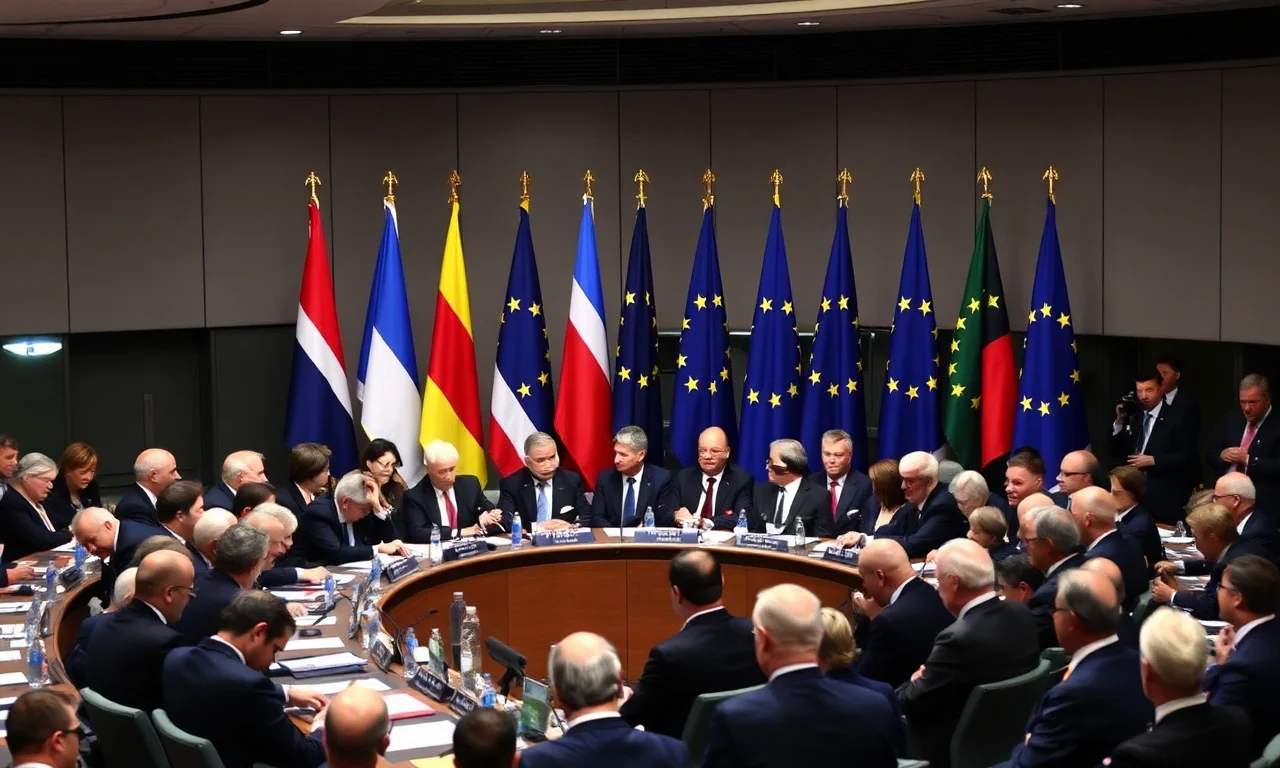
As the continent faces unprecedented structural changes, European Leaders Meet Amid Geopolitical Shifts in a landmark Brussels summit to discuss the future of the union. This gathering marks a pivotal moment in continental diplomacy, as heads of state attempt to harmonize conflicting national interests with the urgent need for a unified European front against external pressures.
- Introduction to the Brussels Summit
- Background Context: Rising Geopolitical Tensions
- Strategic Autonomy: How European Leaders Meet Amid Geopolitical Shifts
- Security and Defense: A New Architecture
- Economic Cooperation and Energy Transition
- Migration and Border Control
- Expert Opinion and Quotes
- Impact of the Summit on Global Relations
- Conclusion
- Frequently Asked Questions
- Further Reading & Resources
Introduction to the Brussels Summit
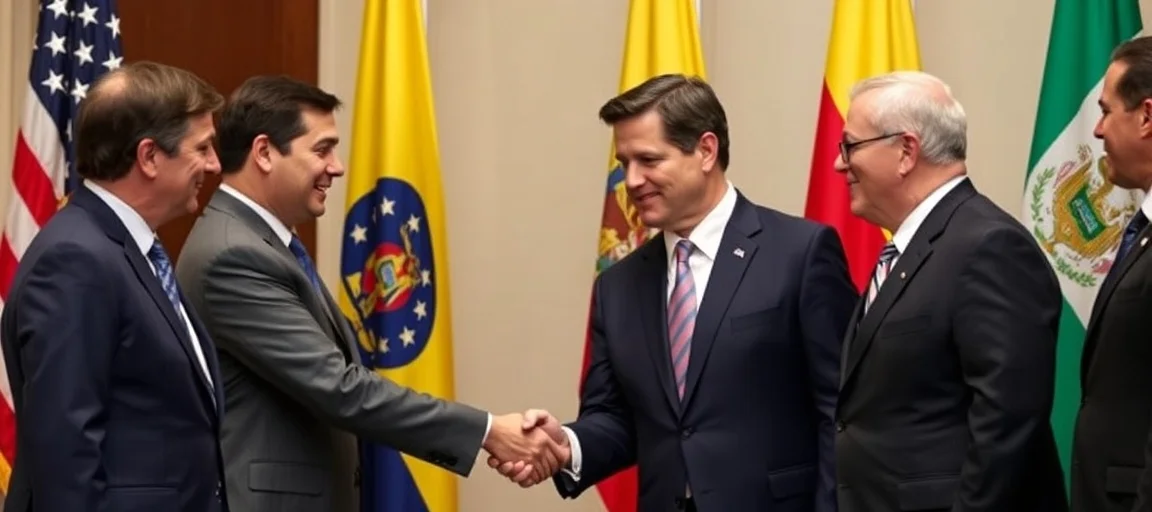
The recent gathering in Belgium represents more than just a routine administrative session; it is a declaration of intent. European Leaders Meet Amid Geopolitical Shifts as they convened in Brussels for a critical summit aimed at redefining the European Union's role on the global stage. The meeting brought together leaders from across the EU-27 to address pressing issues such as rising tensions with Russia, security concerns in the Baltic region, and the massive economic challenges posed by shifting global trade routes and energy dependencies.
The summit is particularly noteworthy for its timing. With global alliances being rewritten and traditional security guarantees being questioned, the EU finds itself at a crossroads. The discussions in Brussels are intended to serve as a roadmap for the next decade of European policy, focusing on "strategic autonomy"—the ability for Europe to act independently in the realms of defense, technology, and economic policy.
Background Context: Rising Geopolitical Tensions
The Brussels summit occurred against a backdrop of heightened geopolitical tensions that have not been seen since the end of the Cold War. The ongoing conflict in Ukraine has fundamentally altered the security architecture of the continent, forcing nations that were previously neutral to reconsider their positions. Furthermore, the rise of nationalist movements within several member states has created internal friction, making a unified foreign policy more difficult to achieve.
Key Factors Influencing the Summit
Several key factors influenced the agenda of the Brussels summit, each representing a significant challenge to the status quo:
-
The need for a unified European response to Russia's continued military presence and assertive foreign policy in Eastern Europe.
-
The importance of bolstering NATO's eastern flank, ensuring that the alliance remains a credible deterrent against territorial encroachment.
-
The impact of global economic trends, specifically the rise of protectionism in major markets and the disruption of supply chains following the pandemic and subsequent conflicts.
-
The rapid advancement of artificial intelligence and digital technology, which has become a new frontier for geopolitical competition between the West and the East.
Strategic Autonomy: How European Leaders Meet Amid Geopolitical Shifts
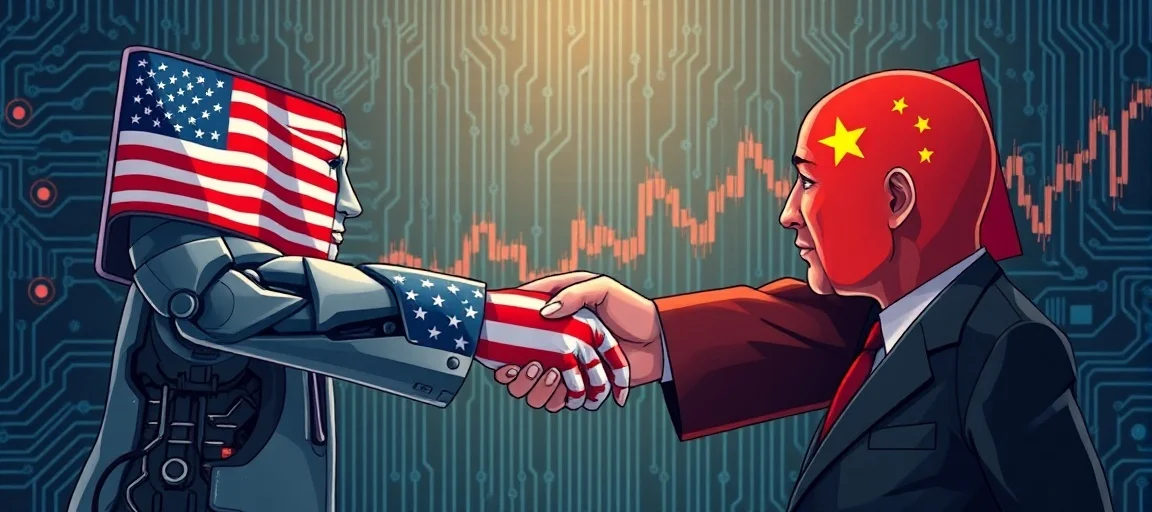
One of the most debated topics at the summit was the concept of strategic autonomy. For years, European leaders have discussed the need for the EU to become a "third pole" in global politics, standing alongside the United States and China. However, the reality of achieving this is fraught with difficulty.
The Defense Dilemma:
While France has been a vocal proponent of a "European Army" or at least a highly integrated defense force, many Eastern European nations remain wary. For countries like Poland and the Baltic states, the security guarantee provided by the United States through NATO is irreplaceable. The challenge for leaders in Brussels was to find a way to strengthen European defense capabilities without undermining the transatlantic bond.
Economic Sovereignty:
In addition to military matters, the summit focused on economic sovereignty. The EU has historically relied on external partners for critical resources—Russian gas, Chinese electronics, and American software. The geopolitical shifts of the 2020s have exposed the vulnerability of these dependencies. Consequently, the summit participants discussed major investments in the European semiconductor industry and the transition to a hydrogen-based energy economy to ensure long-term stability.
Security and Defense: A New Architecture
Leaders discussed the need for enhanced security and defense cooperation among EU member states with a level of urgency that was missing in previous years. This included initiatives to strengthen the European defense industry, improve cybersecurity protocols, and address hybrid threats such as state-sponsored disinformation and election interference.
Strengthening the Eastern Flank
The summit reached a consensus on the necessity of a permanent and robust military presence in Eastern Europe. This involves not only the deployment of troops but also the modernization of infrastructure—railways, bridges, and ports—to ensure that military assets can be moved quickly across the continent in the event of a crisis. This "Military Schengen" project has become a top priority for the European Commission.
The Role of Technology in Modern Warfare
In the digital age, security is no longer just about tanks and planes. The Brussels summit highlighted the importance of cyber defense. Leaders agreed to establish a new EU Cyber Command, designed to coordinate responses to attacks on critical infrastructure. As European Leaders Meet Amid Geopolitical Shifts, they recognize that a hack on a power grid can be as devastating as a conventional missile strike.
Economic Cooperation and Energy Transition
The summit also touched on economic cooperation, with leaders emphasizing the importance of maintaining a strong, integrated European economy. This involves efforts to promote trade between member states, invest in digital infrastructure, and support innovation through the "Horizon Europe" program.
Decarbonization as a Geopolitical Strategy:
The transition to green energy is no longer seen solely through the lens of environmentalism; it is now a core component of European security. By moving away from fossil fuels, the EU aims to strip petrostates of their leverage over European policy. The summit featured intense negotiations over the "Green Deal Industrial Plan," which seeks to subsidize the manufacturing of wind turbines, solar panels, and batteries within Europe.
Managing Inflation and Growth:
With inflation rates fluctuating and the cost of living remaining a top concern for voters, leaders also discussed fiscal policies to stabilize the Eurozone. The focus was on ensuring that the green transition does not leave the working class behind, which could further fuel the rise of populist movements that threaten European unity.
Migration and Border Control
Another significant topic was migration and border control. Leaders sought to find common ground on managing the EU's external borders, addressing the root causes of migration from North Africa and the Middle East, and ensuring a humane and effective migration policy that respects international law.
The "New Pact on Migration and Asylum" was a focal point of the discussions. This policy aims to distribute the responsibility for processing asylum seekers more evenly across the continent, though it remains a point of contention for countries on the Mediterranean frontier versus those in the hinterland. The summit aimed to finalize the technical details of this pact to ensure it is operational before the next election cycle.
Expert Opinion and Quotes
According to Dr. Sophie Heine, a senior fellow at the European Council on Foreign Relations, "The Brussels summit is a critical moment for European leaders to demonstrate their commitment to collective action and strategic autonomy. The challenges they face are complex and multifaceted, requiring a coordinated and forward-thinking approach."
Many analysts agree that the era of "soft power" Europe is ending, and a new era of "principled pragmatism" is beginning. This shift involves a more realistic assessment of global threats and a willingness to use economic and diplomatic leverage more aggressively.
Impact of the Summit on Global Relations
The outcomes of the Brussels summit are expected to have a significant impact on European geopolitics. A unified stance on key issues could strengthen the EU's position on the global stage, while also addressing pressing domestic concerns.
Relations with the United States
Despite the push for autonomy, the summit reaffirmed the importance of the partnership with the USA. Leaders emphasized that a stronger Europe makes for a stronger NATO. The dialogue focused on aligning trade policies to counter unfair practices in the global market, particularly regarding technology transfers and intellectual property.
The Challenge of China
The EU's relationship with China remains complex. While China is a vital trading partner, it is also viewed as a systemic rival. The summit discussions favored a "de-risking" strategy rather than a full "decoupling." This means reducing dependence on China for critical minerals and technology while maintaining open channels for trade in other sectors.
Conclusion
In conclusion, European leaders meet amid geopolitical shifts to address some of the most pressing challenges facing the continent. The Brussels summit served as a platform for discussing security, economic cooperation, and migration, among other critical issues. As the geopolitical landscape continues to evolve, the EU's ability to respond cohesively and effectively will be crucial for its survival as a global power.
European Leaders Meet Amid Geopolitical Shifts, and their collective actions will shape the future of European and global politics for generations to come. Whether the summit results in lasting change or merely temporary compromises remains to be seen, but the intent to forge a more resilient Europe is undeniable.
Frequently Asked Questions
Q: What was the main purpose of the Brussels summit?
A: The primary goal was to address the shifting geopolitical landscape, specifically focusing on how the EU can maintain security, economic stability, and energy independence in the face of rising global tensions.
Q: Which leaders attended the Brussels meeting?
A: The summit included the heads of state or government from all 27 European Union member states, along with top officials from the European Commission and the European Council.
Q: What does "strategic autonomy" mean for Europe?
A: Strategic autonomy refers to the European Union's goal of being able to act independently in key areas such as defense, technology, and economic policy, reducing its reliance on other global powers like the US or China.