US Awaits Iran's Ceasefire Response: A Critical Juncture
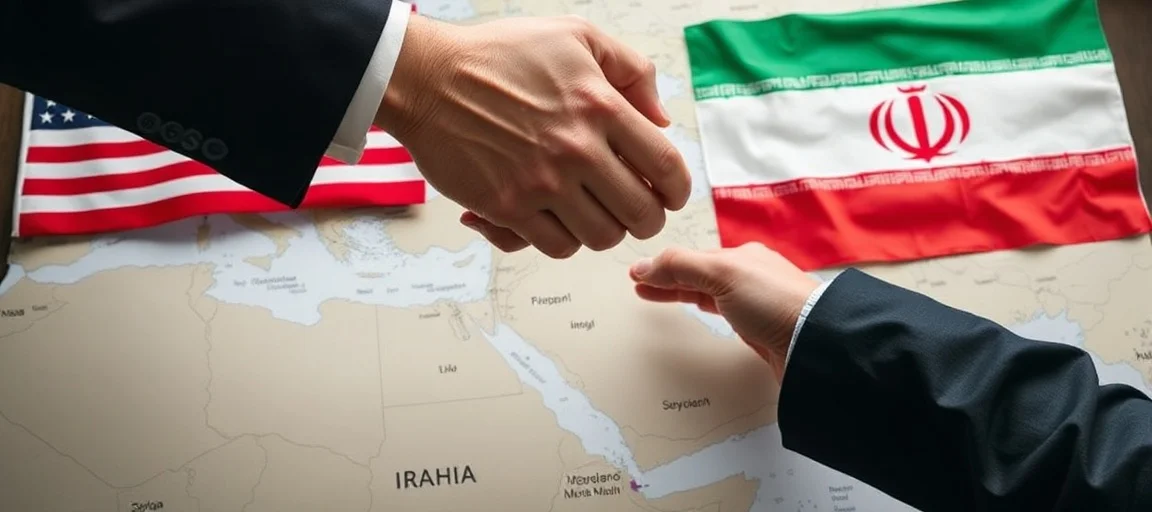
The world watches with bated breath as the US awaits Iran's ceasefire response, a pivotal moment that could redefine the trajectory of regional stability and international diplomacy. This critical juncture comes after weeks of intense negotiations and escalating tensions, placing significant global focus on the next steps taken by Tehran. The United States and its allies have been tirelessly working towards de-escalation, presenting a comprehensive proposal aimed at halting hostilities and paving the way for more lasting peace in a volatile region. The implications of Iran's decision resonate far beyond its borders, affecting energy markets, security alliances, and humanitarian efforts across the Middle East.
- Understanding the Geopolitical Landscape
- Key Details of the Proposed Ceasefire
- International Diplomacy and Key Players
- Potential Scenarios and Implications as the US Awaits Iran's Ceasefire Response
- Expert Opinions and Analysis
- Regional Impact and Humanitarian Concerns
- Historical Precedent and Future Outlook
- Conclusion: The World Watches as US Awaits Iran's Ceasefire Response
- Frequently Asked Questions
- Further Reading & Resources
Understanding the Geopolitical Landscape
The current situation is deeply rooted in a complex tapestry of historical grievances, regional power struggles, and international interventions. For decades, the relationship between the United States and Iran has been characterized by periods of intense animosity and fragile attempts at détente. The ongoing negotiations reflect a renewed push to mitigate flashpoints and prevent further escalation in areas already grappling with humanitarian crises and widespread instability. Understanding the broader geopolitical landscape is crucial to grasping the gravity of the impending response from Iran.
A History of Tensions and Negotiations
The relationship between the U.S. and Iran has been fraught since the 1979 Iranian Revolution, which transformed Iran into an Islamic Republic and fundamentally altered its foreign policy stance. Subsequent events, including the Iran-Iraq War, Iran's nuclear program, and its regional proxy networks, have consistently fueled distrust and antagonism with the United States and its allies. Diplomatic efforts, though often challenging, have periodically sought to address specific issues, such as the Joint Comprehensive Plan of Action (JCPOA) concerning Iran's nuclear activities. These historical precedents underscore the deep-seated complexities inherent in any attempt to broker a lasting peace or de-escalation agreement. Each diplomatic overture is weighed against a long history of perceived betrayals and strategic rivalries, making the current US Awaits Iran's Ceasefire Response even more significant.
Regional Dynamics and Proxy Conflicts
The broader Middle East remains a hotbed of intricate regional dynamics, where numerous actors—both state and non-state—vie for influence. Iran's engagement in various proxy conflicts, notably in Syria, Yemen, and Lebanon, has been a significant point of contention for the United States and its regional partners. These conflicts not only contribute to immense human suffering but also destabilize governments and exacerbate sectarian divisions. Any ceasefire agreement under discussion would inevitably need to address, directly or indirectly, the broader implications for these regional theaters. The interwoven nature of these conflicts means that a resolution in one area can have ripple effects across the entire region, making comprehensive diplomatic solutions exceedingly difficult to achieve.
Key Details of the Proposed Ceasefire
The specifics of the ceasefire proposal remain largely confidential, a common practice in sensitive diplomatic negotiations to allow for maximum flexibility and avoid public posturing that could jeopardize an agreement. However, informed sources suggest that the proposal includes several critical components designed to achieve an immediate cessation of hostilities and lay the groundwork for a more stable future.
Core Components of the Proposal
While exact details are scarce, reports indicate the ceasefire proposal likely includes:
- Immediate cessation of all offensive military actions by involved parties in identified conflict zones. This is typically the foundational element of any ceasefire, aiming to halt active combat.
- Withdrawal of specific forces from contested areas, potentially creating buffer zones or demilitarized areas to prevent immediate re-engagement.
- Establishment of humanitarian corridors to allow for unimpeded delivery of aid to populations in need, a critical aspect given the widespread humanitarian crises in conflict-affected regions.
- Prisoner exchanges and the release of detainees, which can serve as a significant confidence-building measure between adversaries.
- A framework for future political dialogue, suggesting that the ceasefire is not merely an end in itself but a precursor to more substantive negotiations on long-term peace and stability.
These elements collectively aim to create an environment where de-escalation can take hold and where diplomatic channels can address underlying grievances without the immediate pressure of ongoing conflict.
The Role of International Mediators
The United States has not acted alone in these efforts. Several international bodies and nations have played crucial roles as mediators and facilitators. The United Nations, various European powers, and even some regional actors have likely been involved in shuttle diplomacy, back-channel communications, and offering assurances to both sides. The involvement of multiple parties often lends greater legitimacy to a peace process and can provide additional leverage and guarantees, making an agreement more palatable for the principal parties. These mediators often work to bridge trust deficits and clarify intentions, which are vital in highly charged negotiations.
International Diplomacy and Key Players
The diplomatic efforts surrounding the potential ceasefire are a testament to the intricate web of international relations and the concerted push by numerous nations to avert a wider conflict. Several key players have been instrumental in pushing for a resolution.
The United States' Stance and Objectives
The U.S. administration's primary objective is to de-escalate regional tensions and protect its interests and those of its allies. This includes ensuring the safety of international shipping lanes, preventing the proliferation of advanced weaponry, and curbing the influence of actors perceived to undermine regional stability. By pressing for a ceasefire, the U.S. aims to create a window for diplomatic engagement that could lead to more permanent solutions, potentially including a renewed discussion on Iran's nuclear program and its regional activities. The current push also reflects a desire to avoid direct military confrontation, which could have catastrophic global consequences.
Iran's Position and Demands
Iran's leadership faces complex domestic and international pressures. Internally, the government must balance the demands of hardliners with the economic hardships faced by its populace, often exacerbated by international sanctions. Externally, Iran seeks to assert its regional influence and push back against what it perceives as U.S. and Israeli aggression. Iran's demands in any ceasefire negotiation would likely include:
- Lifting or easing of specific sanctions, which have severely impacted its economy.
- Security guarantees against future military actions or threats.
- Recognition of its regional security interests and influence.
- A commitment to non-interference in its internal affairs.
These demands underscore Iran's desire to secure its national interests and solidify its position as a significant regional power. The delicate balance of these demands against the U.S. and allied objectives is what makes the current negotiations so challenging.
The Role of Regional Allies
Crucial to the U.S. strategy are its regional allies, particularly Saudi Arabia, Israel, and the Gulf States. These nations share concerns about Iran's regional activities and its potential nuclear ambitions. Their input and buy-in are essential for any ceasefire to be effective and sustainable. These allies often provide intelligence, logistical support, and diplomatic backing, significantly influencing the negotiating leverage of the United States. Their security concerns are paramount, and any agreement must adequately address these to gain their support. The coordinated efforts between the U.S. and its allies amplify the pressure on Iran to consider the ceasefire proposal seriously.
Potential Scenarios and Implications as the US Awaits Iran's Ceasefire Response
The outcome of Iran's response carries significant weight, with several potential scenarios each having far-reaching implications for global stability, regional security, and international relations.
Acceptance: A Path Towards De-escalation
If Iran accepts the ceasefire proposal, it would signal a significant step towards de-escalation. The immediate benefits would include a reduction in active hostilities, potentially saving countless lives and easing humanitarian suffering. This could also open channels for renewed dialogue on broader issues, such as nuclear proliferation, regional security architecture, and economic cooperation. An acceptance could foster a climate of reduced tension, encouraging foreign investment and regional development. It would also be a major diplomatic victory for the international community, demonstrating that even deeply entrenched conflicts can be addressed through negotiation.
However, acceptance would not automatically resolve all underlying issues. Challenges would remain in enforcing the ceasefire, monitoring compliance, and building sufficient trust to transition from de-escalation to long-term peace. The political will on all sides to adhere to the terms and engage constructively in follow-up negotiations would be crucial.
Rejection: Escalation Risks and Further Instability
A rejection of the ceasefire proposal by Iran would likely lead to an immediate heightening of tensions. This scenario carries substantial risks, including:
- Increased military activity: A breakdown of negotiations could prompt an escalation of military operations by all parties involved, potentially leading to a wider, more destructive conflict.
- Economic repercussions: Global energy markets could react negatively, driving up oil prices and exacerbating economic uncertainties. Sanctions might be tightened, further isolating Iran.
- Humanitarian crisis: Renewed or intensified conflict would undoubtedly worsen existing humanitarian crises, leading to more displacement, casualties, and suffering.
- Diplomatic isolation: Iran could face increased international condemnation and diplomatic isolation, making future negotiations even more difficult.
Such a rejection would represent a significant setback for international diplomacy and could push the region closer to a dangerous precipice, making the US Awaits Iran's Ceasefire Response even more tense.
Partial Acceptance or Counter-Proposal: Prolonged Negotiations
Another possibility is that Iran offers a partial acceptance or a counter-proposal. This would indicate a willingness to negotiate but on its own terms. While not a full rejection, this scenario could prolong the negotiation process, potentially leading to a period of continued uncertainty and limited de-escalation. It might also involve:
- Further rounds of shuttle diplomacy: Mediators would need to work tirelessly to bridge the gaps between the initial proposal and Iran's counter-demands.
- Continued low-level hostilities: Without a full ceasefire, localized conflicts might persist, complicating diplomatic efforts.
- Shifting alliances: Regional and international alliances could be tested as parties re-evaluate their positions in response to the prolonged negotiations.
This outcome, while avoiding immediate escalation, would delay the prospect of a definitive resolution and maintain a fragile status quo.
Expert Opinions and Analysis
Analysts and policymakers globally are closely scrutinizing the situation, offering various perspectives on Iran's likely decision and its broader implications. The consensus points to a highly delicate balance of internal and external factors influencing Tehran's calculus.
Diverse Perspectives on Iran's Intentions
Experts are divided on the exact nature of Iran's intentions. Some argue that Iran, facing severe economic pressure and internal discontent, may be genuinely interested in de-escalation to alleviate sanctions and stabilize its economy. They suggest that a ceasefire could provide a necessary breathing room for the regime. Others contend that Iran's primary objective remains the assertion of its regional power and that any ceasefire would be viewed as a tactical pause rather than a fundamental shift in strategy. They point to Iran's historical reluctance to fully concede on core issues without significant reciprocal concessions.
Dr. Sarah Al-Mansoori, a Middle East security analyst, notes, "Iran's decision will not be monolithic. It's a complex interplay of strategic calculations by the Revolutionary Guard, economic imperatives felt by the government, and the need to project strength both domestically and internationally. The U.S. proposal offers a chance, but it has to be framed in a way that allows Iran to claim a win."
The Role of Domestic Politics
Domestic politics in Iran play a crucial role. Hardline factions within the government and military often exert significant influence, advocating for a strong stance against perceived external pressures. Any agreement perceived as a capitulation could face severe internal backlash. Conversely, segments of the population suffering from economic hardship may welcome any measure that leads to a reduction in sanctions and improved living standards. The Iranian government must navigate these internal divisions carefully, seeking a path that satisfies various stakeholders while maintaining its hold on power. The ongoing protests and social unrest further complicate the regime's decision-making process.
International Reaction and Global Ramifications
The international community's reaction to Iran's response will be swift and varied. An acceptance would likely be met with widespread relief and cautious optimism, potentially leading to international efforts to support the peace process. A rejection, however, could trigger coordinated diplomatic pressure, increased sanctions, and a unified stance from the U.S. and its allies. The ramifications extend globally, impacting oil prices, international trade routes, and the broader global security architecture. Regional conflicts, already a source of instability, could further destabilize, drawing in more international actors and resources.
Regional Impact and Humanitarian Concerns
Beyond the geopolitical maneuvering, the direct impact on the people of the region is a paramount concern. Decades of conflict have led to immense human suffering, displacement, and economic devastation.
The Human Cost of Conflict
In conflict zones across the Middle East, millions have been displaced, and hundreds of thousands have lost their lives. Essential infrastructure, including hospitals, schools, and water systems, has been decimated. The ongoing violence exacerbates food insecurity, lack of access to healthcare, and educational deprivation. A ceasefire, even a temporary one, offers a ray of hope for these populations, providing an opportunity for humanitarian aid to reach those in desperate need and for communities to begin the arduous process of rebuilding. International organizations have consistently called for a cessation of hostilities to address these dire humanitarian concerns.
Economic Strain and Recovery Efforts
The economic toll of sustained conflict is staggering. Countries in the region have seen their economies shattered, with widespread unemployment, inflation, and a lack of investment. A ceasefire could pave the way for economic recovery, attracting foreign investment, stimulating trade, and creating opportunities for reconstruction. However, the path to full economic recovery is long and fraught with challenges, requiring significant international support and sustained periods of peace. The current economic challenges faced by Iran also contribute to the pressure on the regime to consider a ceasefire that could alleviate some of these burdens.
Historical Precedent and Future Outlook
Understanding past attempts at conflict resolution can offer insights into the challenges and opportunities of the current situation. While every conflict is unique, historical precedents provide valuable lessons.
Lessons from Past Peace Accords
History is replete with examples of both successful and failed peace accords. Key lessons include:
- Trust-building measures are essential: Agreements are more likely to succeed when accompanied by genuine efforts to build trust between adversaries, often through confidence-building measures like prisoner exchanges or joint humanitarian initiatives.
- External guarantees matter: The involvement of strong international mediators and guarantors can provide assurance to both sides that terms will be upheld, and consequences will follow violations.
- Address root causes: Sustainable peace requires addressing the underlying causes of conflict, not just the symptoms. This often involves political reform, economic development, and social reconciliation.
- Flexibility and adaptability: Negotiations rarely follow a straight line. Parties must be prepared to be flexible and adapt to changing circumstances.
These lessons highlight the complexity of the task at hand and underscore the need for a comprehensive and sustained approach to peace.
Long-Term Prospects for Regional Stability
The future outlook for regional stability hinges significantly on the outcome of Iran's ceasefire response. An acceptance could initiate a long and difficult but ultimately hopeful process of de-escalation and dialogue. This could lead to a new regional security architecture, where nations engage in constructive diplomacy rather than proxy warfare. Conversely, a rejection could plunge the region into deeper instability, with unpredictable consequences. The international community, led by the United States, is committed to exploring all avenues for peace, but the ultimate decision rests with Tehran. The path chosen in the coming days will undoubtedly shape the future of the Middle East for years to come.
Conclusion: The World Watches as US Awaits Iran's Ceasefire Response
The moment of truth is fast approaching as the US Awaits Iran's Ceasefire Response. This decision holds immense weight, carrying the potential to either significantly de-escalate tensions in a volatile region or plunge it into further conflict. The meticulous diplomatic efforts undertaken by the United States and its international partners underscore the global imperative to find a peaceful resolution. Whatever Iran's decision, its ramifications will resonate across the Middle East and beyond, influencing political landscapes, economic stability, and the lives of millions. The global community remains hopeful for a path toward lasting peace, recognizing that the stakes could not be higher.
Frequently Asked Questions
Q: What is the significance of Iran's ceasefire response?
A: Iran's response is critical because it could either de-escalate long-standing regional tensions and pave the way for broader diplomatic engagement, or it could lead to further instability, increased military activity, and humanitarian crises across the Middle East.
Q: What are the potential outcomes if Iran accepts or rejects the ceasefire?
A: Acceptance would open a path to de-escalation, reduced conflict, and potential dialogue on broader issues. Rejection risks immediate heightened tensions, increased military conflict, severe economic repercussions, and greater humanitarian suffering.
Q: What role do regional allies play in these negotiations?
A: U.S. regional allies like Saudi Arabia, Israel, and the Gulf States are crucial. Their input and concerns about Iran's activities are integral to the U.S. strategy, influencing negotiating leverage and ensuring any agreement addresses their security interests for long-term effectiveness.