Middle East: Navigating Complex Geopolitics and Emerging Futures
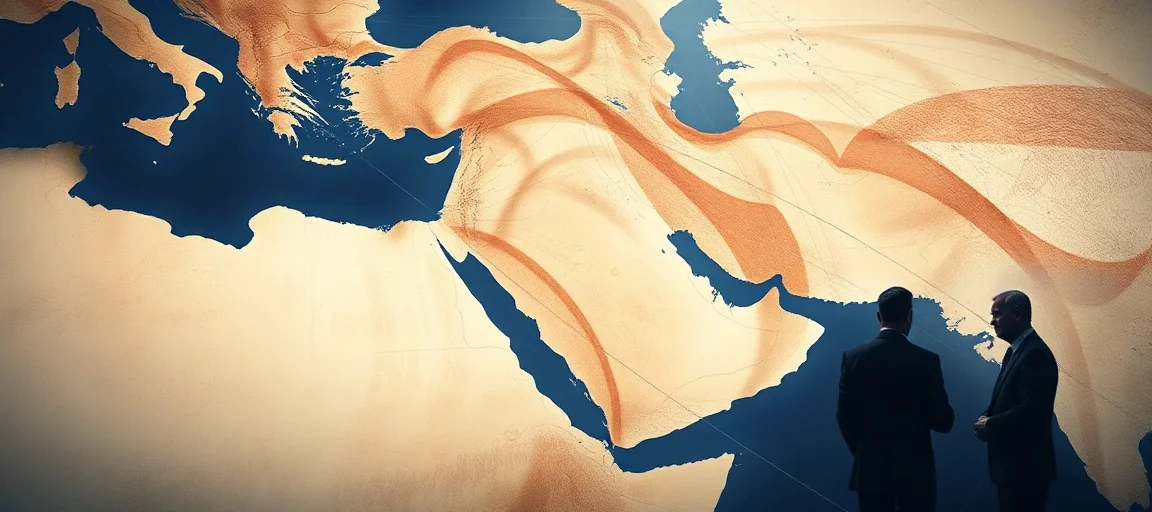
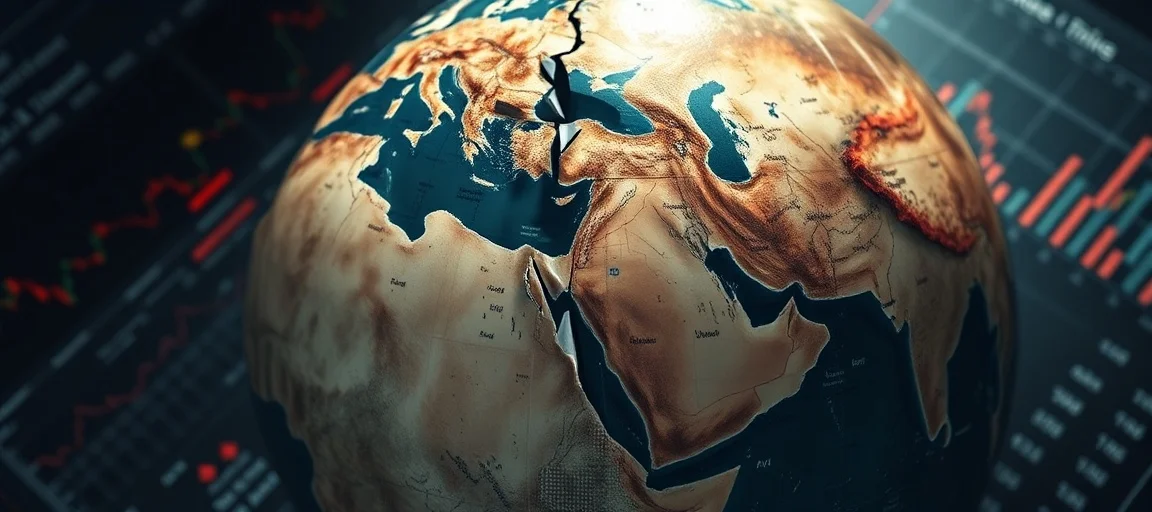
The Middle East remains a crucible of international relations, a region whose intricate tapestry of cultures, histories, and strategic resources continues to shape global events. It is a dynamic landscape, constantly navigating complex geopolitics as nations within and outside its borders vie for influence, stability, and economic advantage. Understanding the forces at play here is crucial for comprehending emerging futures on a global scale. From shifting alliances to persistent conflicts and burgeoning economic initiatives, the region is a focal point for current events and diplomatic efforts worldwide. The ongoing developments demand constant attention, reflecting deep-rooted historical narratives and rapidly evolving contemporary challenges.
Background and Enduring Significance in the Middle East
The Middle East, a vast and diverse region, has historically been a nexus of civilizations, trade routes, and spiritual traditions. Its strategic location, bridging three continents, coupled with its immense natural resources, particularly oil and natural gas, has consistently placed it at the center of global attention. This inherent significance means that developments in the region rarely remain confined to its borders, often sending ripple effects across international markets, security landscapes, and diplomatic corridors. The interplay of internal political dynamics and external interventions has forged a complex environment, characterized by both deep-seated rivalries and instances of pragmatic cooperation.
Historical Crossroads
For millennia, the Middle East has served as a crossroads for human civilization, giving birth to major religions and empires that shaped the course of history. This rich heritage contributes to the diverse cultural and ethnic mosaic seen today. The legacy of colonial partitioning, post-World War I mandates, and the subsequent formation of modern nation-states created borders that sometimes overlooked existing ethnic and sectarian lines, laying the groundwork for future tensions. The foundational events of the 20th century, including the discovery of vast oil reserves and the establishment of Israel, profoundly altered the geopolitical calculus, drawing in external powers and establishing a pattern of intervention and influence that persists to this day.
Geopolitical Hotspot
The region's status as a geopolitical hotspot is undeniable. Beyond its energy resources, the Middle East holds immense strategic value for global trade, maritime routes, and security alliances. The presence of critical choke points, such as the Strait of Hormuz and the Suez Canal, underscores its importance to international commerce and naval operations. Furthermore, the ideological and political rivalries between regional powers, often amplified by their alliances with external actors, fuel ongoing proxy conflicts and contribute to a volatile security environment. These rivalries manifest in various forms, from overt military engagements to cyber warfare and economic competition, all contributing to the region's complex and often unpredictable nature.
Key Regional Developments Shaping the Middle East
The contemporary Middle East is characterized by a series of interconnected developments that are continually reshaping its political, economic, and social fabric. These range from evolving power dynamics and ambitious economic reforms to persistent humanitarian crises and the ongoing struggle for regional stability. Each of these elements contributes to the broader narrative of a region in flux, striving to define its future amidst significant internal and external pressures. Understanding these key developments is crucial for any observer of international affairs.
Evolving Power Dynamics
Recent years have witnessed a noticeable recalibration of power dynamics within the Middle East. Traditional alliances are being tested, and new partnerships are emerging, driven by shifting national interests and a desire for greater regional autonomy. Saudi Arabia, for instance, has embarked on a proactive foreign policy agenda, seeking to diversify its diplomatic ties and assert its influence beyond its immediate neighborhood. The normalization agreements between several Arab states and Israel have introduced new alignments, challenging long-held assumptions about regional diplomacy and creating potential new avenues for economic and security cooperation. Iran continues to be a significant player, with its regional influence often contested by other powers, leading to ongoing tensions in various hotspots. Meanwhile, the role of non-state actors, including various armed groups and political movements, remains a critical factor, complicating governance and security efforts in several countries.
Economic Diversification Efforts
Many countries in the Middle East, particularly those heavily reliant on hydrocarbon revenues, are actively pursuing ambitious economic diversification strategies. Recognizing the long-term imperative to move beyond oil and gas, nations like Saudi Arabia, the UAE, and Qatar are investing heavily in sectors such as tourism, technology, logistics, and renewable energy. Saudi Arabia's Vision 2030, the UAE's various national development plans, and Qatar's National Vision 2030 are prime examples of these large-scale initiatives. These plans aim to create new job opportunities, attract foreign investment, and foster sustainable economic growth. While progress varies, these efforts represent a significant shift in economic philosophy, with a focus on building resilient, knowledge-based economies for the future. The success of these initiatives will have profound implications not only for the economic stability of individual states but also for the broader regional economy.
Humanitarian Challenges
Despite periods of significant economic growth in some areas, the Middle East continues to grapple with severe humanitarian crises driven by conflict, political instability, and economic hardship. Countries like Syria, Yemen, and Sudan face ongoing complex emergencies, resulting in massive displacement, food insecurity, and a desperate need for international aid. Millions of people remain internally displaced or have sought refuge in neighboring countries and beyond, placing immense strain on host communities and international humanitarian organizations. The long-term impacts of these crises include generational loss of education, widespread trauma, and systemic damage to infrastructure and social services. Addressing these humanitarian challenges requires sustained global attention, robust diplomatic engagement to resolve underlying conflicts, and substantial funding for relief and recovery efforts. The interconnectedness of these crises often means that instability in one nation can quickly spill over and exacerbate challenges in another, demanding a comprehensive and coordinated response.
International Engagement and Future Outlook
The international community's engagement with the Middle East remains multifaceted, driven by a complex interplay of security concerns, economic interests, and humanitarian imperatives. Global powers continue to play significant roles, though the nature and extent of their involvement are constantly evolving. The future outlook for the region is shaped by these interactions, alongside the internal dynamics of its diverse nations.
Diplomacy and Conflict Resolution
Diplomatic efforts in the Middle East are often characterized by a delicate balance between competition and cooperation. While regional rivalries persist, there have been notable shifts towards de-escalation and dialogue in certain areas. For example, recent years have seen attempts to reduce tensions between historical adversaries, facilitated by various intermediaries and a shared understanding of the costs of perpetual conflict. Multilateral platforms and bilateral negotiations are crucial tools for addressing lingering disputes, fostering confidence-building measures, and working towards sustainable peace agreements. The success of these diplomatic endeavors hinges on the willingness of all parties to engage constructively and to prioritize long-term stability over short-term gains. Issues such as the Israeli-Palestinian conflict, the civil wars in Yemen and Syria, and the nuclear program of Iran continue to demand intensive diplomatic engagement, often involving major global powers as mediators or guarantors of agreements.
The Role of Global Powers
Global powers, including the United States, China, Russia, and European Union nations, maintain significant interests and influence in the Middle East. The United States continues to be a key security partner for many countries, while also navigating its strategic reorientation towards other global challenges. China's economic footprint is expanding rapidly, with significant investments in infrastructure and energy projects, positioning it as an increasingly important economic and, to some extent, diplomatic actor. Russia maintains a strong military and political presence, particularly in Syria, and seeks to expand its influence across the region. European nations are often focused on stability, counter-terrorism efforts, and managing migration flows stemming from regional conflicts. The shifting balance of influence among these global powers adds another layer of complexity to the region's dynamics, creating both opportunities for diversified partnerships and potential for renewed geopolitical competition.
The Middle East is undeniably at a pivotal juncture, navigating a landscape defined by historical complexities, evolving power structures, and a pressing need for sustainable development and peace. The region's inherent importance to global energy markets, international security, and cultural heritage ensures that its trajectory will continue to resonate far beyond its geographical boundaries. While significant challenges persist, including unresolved conflicts and humanitarian crises, the growing emphasis on economic diversification and the cautious movements towards regional dialogue offer glimpses of a potentially more stable and prosperous future. The path forward remains intricate, requiring sustained diplomatic engagement, robust international cooperation, and a deep understanding of the diverse aspirations of its peoples.
Frequently Asked Questions
Q: What are the main geopolitical challenges in the Middle East?
A: The region faces persistent conflicts, evolving power dynamics, and humanitarian crises, often fueled by internal rivalries and external interventions. Key challenges include the Israeli-Palestinian conflict, civil wars in Syria and Yemen, and regional competition involving Iran and Saudi Arabia.
Q: How is economic diversification changing the Middle East?
A: Countries are actively investing heavily in sectors like tourism, technology, logistics, and renewable energy to reduce their reliance on hydrocarbon revenues. This shift aims to create sustainable economic growth, attract foreign investment, and generate new job opportunities for future generations.
Q: What role do global powers play in the Middle East?
A: Global powers such as the United States, China, and Russia exert significant influence through security partnerships, substantial economic investments, and active diplomatic engagement. Their involvement often shapes regional stability, balances of power, and approaches to conflict resolution.