Strait of Hormuz Blockade Worsens Global Energy Crisis: A Deep Dive
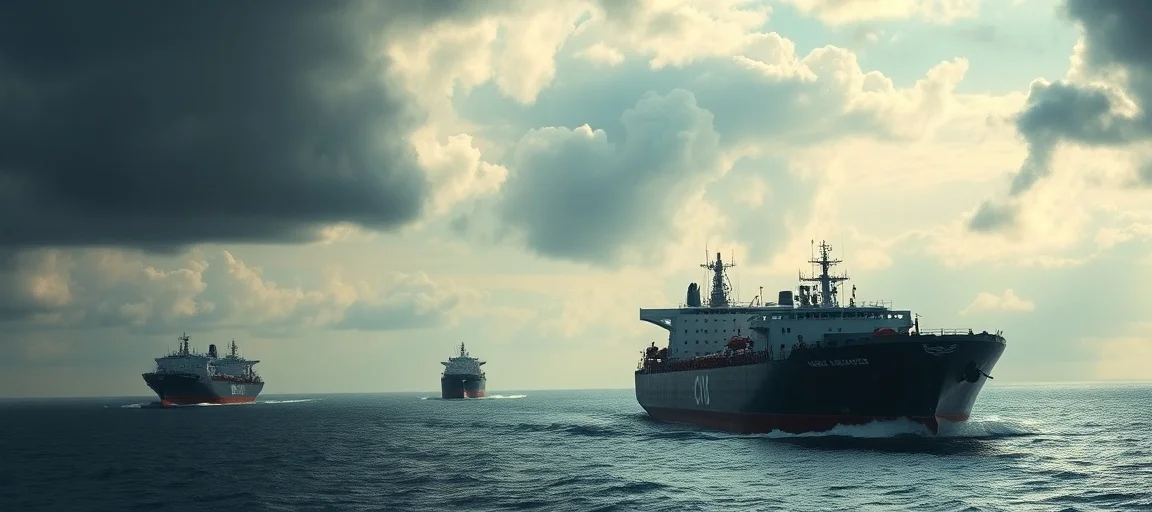
The strategic importance of the Strait of Hormuz cannot be overstated, serving as a critical artery for global energy supplies. Any significant disruption, such as a Strait of Hormuz Blockade Worsens Global Energy Crisis, sending shockwaves through international markets and economies. This vital chokepoint between the Persian Gulf and the open ocean facilitates the passage of a substantial portion of the world's seaborne oil and liquefied natural gas (LNG). Its vulnerability to geopolitical tensions consistently places it at the forefront of global concerns, with potential impacts ranging from soaring energy prices to widespread economic instability. Understanding the intricate dynamics surrounding this maritime passage is crucial for comprehending the broader implications for international security and the stability of global energy markets.
- The Strategic Significance of the Strait of Hormuz
- Historical Context and Precedents of Disruption
- The Strait of Hormuz Blockade Worsens Global Energy Crisis: Mechanisms of Impact
- Expert Perspectives on a Blockade Scenario
- International Responses and Preparedness
- The Broader Implications for Global Stability
- Conclusion: The Enduring Threat of a Strait of Hormuz Blockade Worsens Global Energy Crisis
- Frequently Asked Questions
- Further Reading & Resources
The Strategic Significance of the Strait of Hormuz
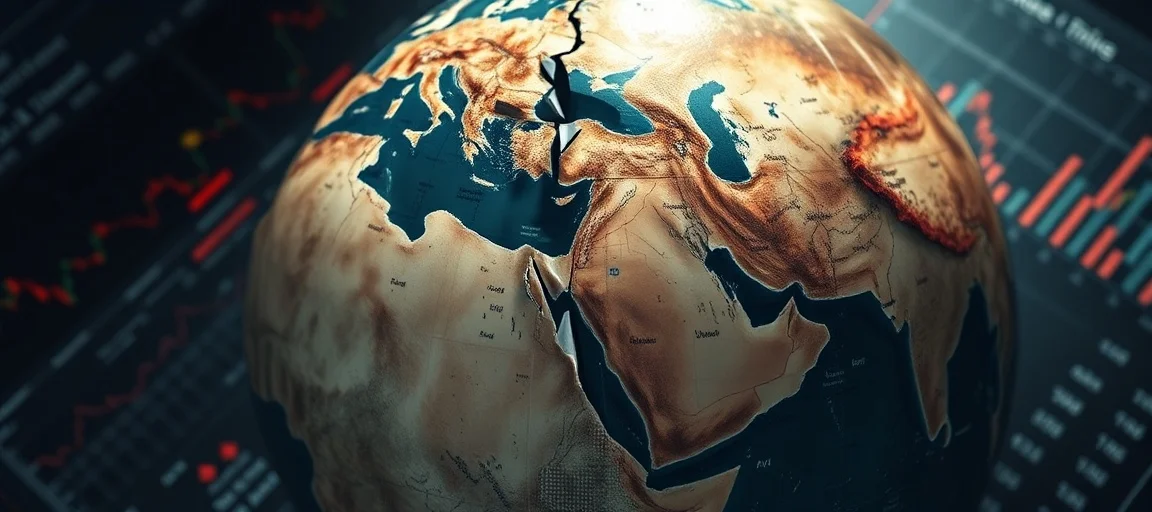
The Strait of Hormuz is a narrow stretch of water that separates Iran and Oman, connecting the Persian Gulf to the Arabian Sea and beyond. It is one of the world's most vital chokepoints for oil and gas transit. The strait is approximately 39 kilometers (21 nautical miles) wide at its narrowest point, with the shipping lanes themselves being only 3.2 kilometers (2 miles) wide in each direction. This geographical constriction makes it highly susceptible to disruption, given the immense volume of energy resources that traverse its waters daily.
A Conduit for Global Energy
The Persian Gulf region holds some of the world's largest proven oil reserves, and a significant portion of the crude oil produced by major exporters in the region, including Saudi Arabia, Iran, Iraq, Kuwait, Qatar, and the UAE, must pass through the Strait of Hormuz. The U.S. Energy Information Administration (EIA) has consistently highlighted the Strait's role, noting that roughly one-fifth of the world's total petroleum liquids consumption, or about 21 million barrels per day (b/d) in 2018, flowed through this chokepoint. While these figures can fluctuate, the fundamental dependence remains. In addition to crude oil and petroleum products, the Strait is also critical for the transit of liquefied natural gas (LNG), particularly from Qatar, one of the world's largest LNG exporters. Disruptions here would not only impact oil but also the global gas market, further exacerbating an already fragile energy landscape.
Geopolitical Flashpoint
The Strait's strategic importance has made it a perpetual geopolitical flashpoint. Relations between Iran, which borders the Strait to the north, and other regional powers, as well as Western nations, often dictate the level of security and stability in the area. Historically, various incidents, including attacks on tankers and naval confrontations, have underscored the fragility of maritime security in the Strait. Any perceived threat to Iranian sovereignty or interests in the region often leads to rhetoric concerning the potential closure of the Strait, a move that would have catastrophic global consequences. The international community, particularly major energy-consuming nations, has a vested interest in maintaining the free flow of navigation through this critical waterway.
Historical Context and Precedents of Disruption
The history of the Strait of Hormuz is punctuated by periods of heightened tension and actual disruptions, offering stark warnings about the potential fallout of a future blockade. Understanding these past events provides crucial context for appreciating the severity of the current concerns.
The Tanker War (1980-1988)
Perhaps the most significant historical precedent is the "Tanker War" during the Iran-Iraq War. Both Iran and Iraq targeted each other's oil tankers and those of their respective allies in the Persian Gulf, aiming to cripple their adversaries' economies. This period saw numerous attacks on commercial shipping, including vessels passing through the Strait of Hormuz. The conflict necessitated a significant international naval presence, particularly from the United States, to protect shipping lanes and ensure the continued flow of oil. The Tanker War demonstrated the immediate and dramatic impact on oil prices and global shipping insurance rates when maritime security in the Strait is compromised.
Recent Incidents and Warnings
Even in more recent times, the Strait has experienced periods of heightened tension. In 2019, for instance, a series of attacks on oil tankers in the Gulf of Oman and near the Strait of Hormuz, which the U.S. and its allies attributed to Iran, caused significant concern in international markets. These incidents, though not leading to a full blockade, illustrated the vulnerability of shipping and the immediate upward pressure such events place on crude oil prices due to increased risk premiums. Iran has, on several occasions, explicitly or implicitly threatened to close the Strait of Hormuz in response to sanctions or military threats, underscoring its potential as a leverage point in geopolitical disputes. While such threats are often viewed as political maneuvering, their very utterance highlights the inherent risks.
The Strait of Hormuz Blockade Worsens Global Energy Crisis: Mechanisms of Impact
A full-scale blockade of the Strait of Hormuz would trigger an unprecedented global energy crisis through several interconnected mechanisms, impacting not just oil and gas supplies but also broader economic stability.
Immediate Price Spikes and Supply Shortages
The most immediate and visible impact of a blockade would be a dramatic surge in global crude oil and natural gas prices. With approximately 20% of the world's oil supply and a significant portion of its LNG unable to pass through the Strait, global markets would face an instantaneous and severe supply shock. Futures markets would react wildly, and analysts predict that oil prices could soar to unprecedented levels, potentially exceeding $200 per barrel or even higher, depending on the duration and completeness of the blockade. Such price increases would rapidly translate into higher gasoline, diesel, and electricity costs for consumers worldwide, fueling inflation and reducing disposable income. Furthermore, critical industries reliant on these fuels, such as transportation, manufacturing, and agriculture, would face crippling operational costs.
Disruption of Global Supply Chains
Beyond direct energy costs, a blockade would severely disrupt global supply chains. Shipping routes would need to be rerouted, leading to longer transit times and higher freight costs. This would affect not only energy products but also a vast array of manufactured goods and raw materials transported by sea. Ports would face congestion, and the global just-in-time inventory systems that many industries rely on would break down, leading to shortages of components and finished products across various sectors. The ripple effect would be felt in industries from automotive to electronics, impacting production, employment, and consumer availability.
Economic Recession and Financial Market Instability
The cumulative effect of soaring energy prices and disrupted supply chains would likely plunge the global economy into a deep recession. Businesses would scale back operations, lay off workers, and consumer spending would plummet. Financial markets would experience extreme volatility, with equity markets crashing and investors seeking safe-haven assets. Countries heavily dependent on imported energy, particularly those with limited strategic reserves, would be most vulnerable to economic collapse. Even energy-producing nations outside the Gulf would feel the pressure of a global economic downturn, as demand for their exports would decrease. The International Monetary Fund (IMF) and World Bank have repeatedly warned about the fragility of the global economy to such shocks.
Humanitarian and Social Consequences
In addition to economic fallout, a prolonged energy crisis stemming from a Strait of Hormuz blockade could have severe humanitarian and social consequences. Rising fuel prices would make essential goods more expensive, disproportionately affecting lower-income populations. Food insecurity could worsen as transportation costs for agricultural products increase. In developing nations, energy shortages could lead to power outages, impacting healthcare, education, and basic infrastructure. Social unrest and political instability could also escalate in regions already grappling with economic hardship, creating a more volatile global environment.
Expert Perspectives on a Blockade Scenario
Security analysts, energy economists, and geopolitical strategists have long studied the implications of a Strait of Hormuz blockade. Their insights often converge on a grim outlook, emphasizing the lack of viable immediate alternatives and the profound systemic risks.
The "Weapon of Last Resort"
Many experts view a full closure of the Strait by Iran as a "weapon of last resort," suggesting it would only be deployed in response to an existential threat or overwhelming pressure, such as a full-scale military conflict or crippling sanctions that severely impact Iran's ability to export its own oil. Dr. John Alterman, a senior vice president at the Center for Strategic and International Studies (CSIS), has noted that while Iran has the capability to disrupt shipping, a sustained blockade would invite a significant international military response, ultimately harming Iran's long-term interests. This perspective suggests that while the threat is potent, its execution is unlikely without extreme provocation.
Limited Alternative Routes
While some alternative oil pipeline routes exist that bypass the Strait of Hormuz, such as the Abqaiq-Yanbu oil pipeline in Saudi Arabia or the UAE's Habshan-Fujairah pipeline, these have limited capacity compared to the immense volume of oil that transits the Strait. Experts like Dr. Sarah Miller, an energy security analyst, emphasize that these pipelines could, at best, mitigate a fraction of the lost supply. "There is no current infrastructure capable of rerouting 20 million barrels per day of crude and products," she states. "The global energy system is simply too reliant on the Strait to absorb such a shock through alternatives." This highlights the severe bottleneck effect a blockade would create.
The Challenge of Naval Intervention
While international naval forces, particularly those of the United States and its allies, maintain a significant presence in the region, reopening a blockaded Strait presents formidable challenges. A military operation to clear the Strait of mines, neutralize anti-ship missile batteries, and secure shipping lanes would be complex, dangerous, and time-consuming. Such an operation would also risk a broader regional conflict, with unpredictable consequences. Experts often point out that even a partial disruption for a few weeks could cause immense economic damage before full navigability is restored.
International Responses and Preparedness
The international community is acutely aware of the risks associated with the Strait of Hormuz. Responses typically involve a mix of diplomatic efforts, military deterrence, and strategic energy reserves.
Diplomatic Engagement and De-escalation
A primary approach to managing the risks around the Strait involves intense diplomatic engagement to de-escalate tensions in the Persian Gulf. International bodies and individual nations work to resolve conflicts, negotiate agreements, and encourage dialogue among regional actors to prevent situations that could lead to a blockade. Efforts to revive nuclear deals with Iran, for example, are often viewed through the lens of regional stability, as a stable Iran is less likely to resort to such extreme measures.
Military Deterrence and Presence
The United States Fifth Fleet, headquartered in Bahrain, along with naval assets from other nations, maintains a strong military presence in the Persian Gulf. Their mission includes ensuring the freedom of navigation and deterring potential aggressors. This military presence serves as a crucial deterrent against any state actor considering a full blockade of the Strait. Joint exercises and patrols are regularly conducted to demonstrate capabilities and readiness to respond to threats to maritime security.
Strategic Petroleum Reserves (SPRs)
Many major oil-consuming nations maintain Strategic Petroleum Reserves (SPRs) to cushion the impact of sudden supply disruptions. The United States, for instance, has the largest government-owned emergency oil stockpile in the world. In the event of a Strait of Hormuz blockade, these reserves could be released to global markets to temporarily offset supply shortages and stabilize prices. However, experts caution that SPRs are designed for short-term disruptions and would be insufficient to compensate for a prolonged closure of the Strait without severe economic consequences. The magnitude of oil passing through the Strait far exceeds the daily release capacity of most SPRs.
Diversification and Renewable Energy Transition
In the long term, reducing global dependence on fossil fuels and diversifying energy sources are seen as fundamental solutions to mitigating the risks associated with chokepoints like the Strait of Hormuz. Investing in renewable energy technologies, improving energy efficiency, and developing alternative energy supply chains can lessen the world's vulnerability to geopolitical disruptions in oil and gas transit. While this is a gradual process, it represents a strategic shift away from reliance on volatile regions.
The Broader Implications for Global Stability
The repercussions of a Strait of Hormuz blockade extend far beyond energy markets and economics, threatening to unravel the fabric of global stability. The intertwined nature of energy security, economic prosperity, and geopolitical relations means that a crisis in this vital waterway would trigger a cascade of challenges across multiple domains.
Regional Conflict Escalation
A blockade scenario would almost certainly escalate regional tensions into open conflict. Any attempt to close the Strait would be viewed by many nations as an act of war, prompting a forceful international military response to reopen it. Such a conflict could draw in various regional and global powers, transforming a localized dispute into a broader confrontation with devastating human and material costs. The risk of miscalculation or unintended escalation would be extremely high, making diplomatic off-ramps increasingly difficult to find once hostilities commence. The potential for disruption of other crucial maritime routes in the region, like the Bab al-Mandab Strait, could also increase, compounding the crisis.
Shifting Global Power Dynamics
A prolonged energy crisis caused by a blockade could fundamentally alter global power dynamics. Nations with abundant domestic energy resources or strong strategic reserves might fare better initially, potentially gaining leverage over energy-importing nations. However, a global economic downturn would ultimately affect all countries. The crisis could also accelerate the shift towards alternative energy sources and reduce the geopolitical influence of fossil fuel producers over time, albeit through a painful transition. Countries heavily reliant on Gulf oil, such as many Asian economies, would face immense pressure to secure alternative supplies, potentially leading to new alliances or increased competition for resources.
International Cooperation and Trust
The response to a Strait of Hormuz blockade would test the limits of international cooperation. While there would be a shared interest in restoring stability, disagreements over strategies, burdensharing, and accountability could strain international relations. The crisis could expose existing fault lines between nations, eroding trust and undermining collective security frameworks. Conversely, a unified and effective international response could also demonstrate the resilience of global governance in times of severe crisis.
Conclusion: The Enduring Threat of a Strait of Hormuz Blockade Worsens Global Energy Crisis
The Strait of Hormuz remains a critical and perpetually vulnerable chokepoint in the global energy infrastructure. The prospect of a Strait of Hormuz blockade worsens the global energy crisis, posing an existential threat to economic stability and international security. While diplomatic efforts and military deterrence are ongoing, the inherent geographical constraints and complex geopolitical landscape mean that the risk of disruption is a constant concern. The international community must continue to prioritize de-escalation, maintain robust naval presence, and accelerate the transition to diversified and sustainable energy sources to mitigate the catastrophic consequences should this vital waterway ever be fully compromised. The lessons from history and expert analysis underscore the imperative of preventing such a scenario, as the ramifications would be felt in every corner of the world.
Frequently Asked Questions
Q: Why is the Strait of Hormuz so critical for global energy?
A: It's a narrow chokepoint through which approximately one-fifth of the world's total petroleum liquids and significant LNG flows daily. Its disruption severely impacts global supply and prices due to its strategic location for Persian Gulf exporters.
Q: What would be the immediate impact of a blockade on oil prices?
A: A blockade would cause an immediate and dramatic surge in crude oil and natural gas prices due to a severe supply shock. Analysts predict prices could soar to unprecedented levels, potentially exceeding $200 per barrel, fueling global inflation.
Q: Are there alternative routes to bypass the Strait of Hormuz?
A: Limited alternative oil pipelines exist, but their capacity is insufficient to reroute the immense volume of oil transiting the Strait. They can only mitigate a small fraction of the lost supply, leaving the global energy system highly vulnerable.