China Sanctions US Firms Amid Escalating Economic War: A Deep Dive
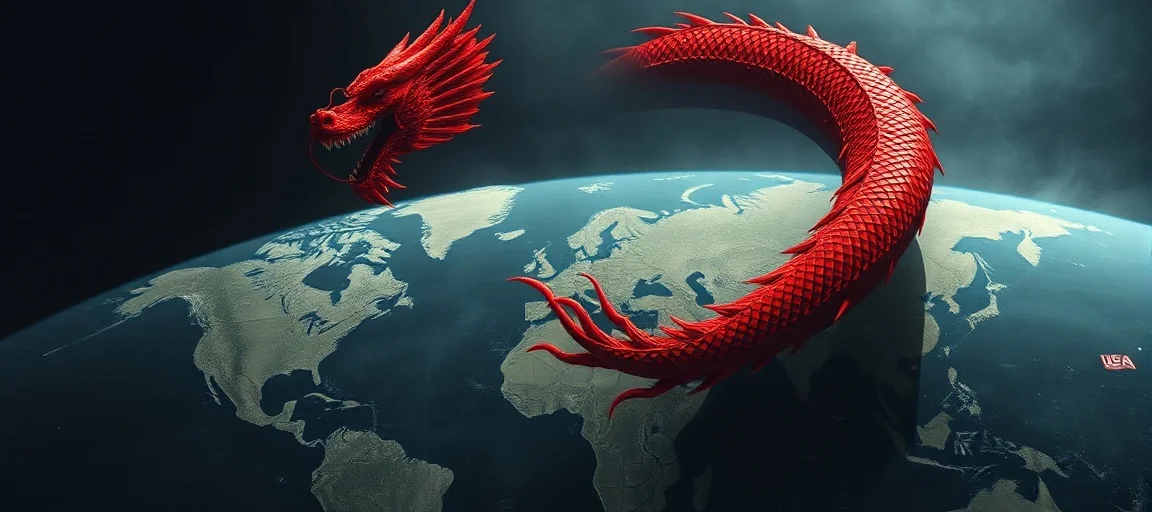
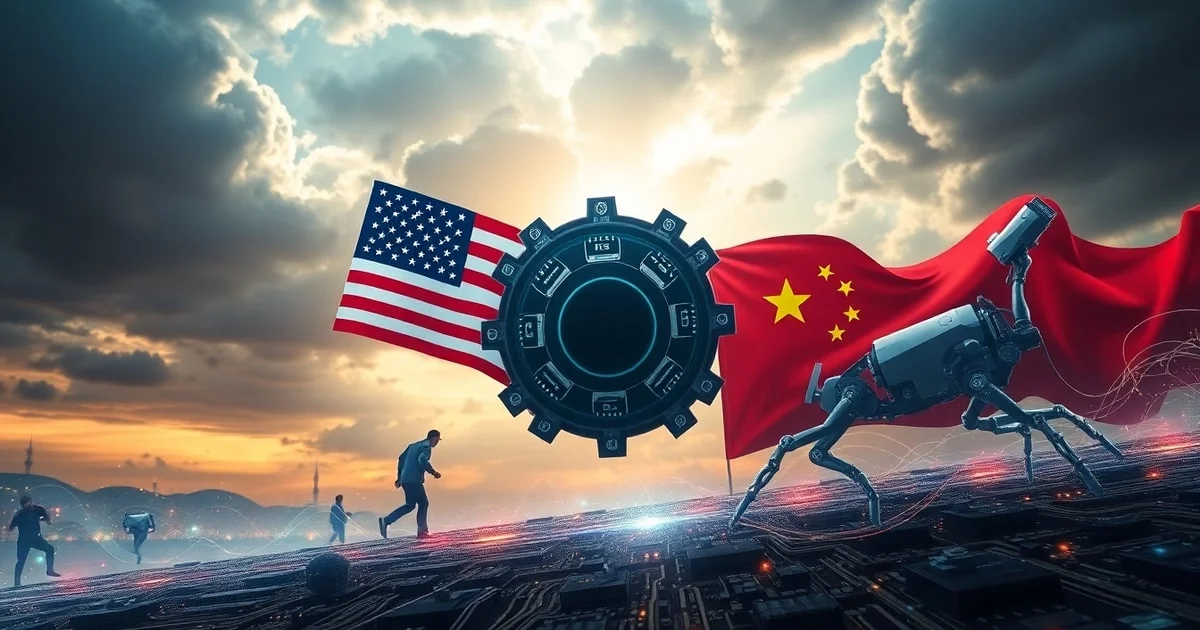
The global economic landscape continues to be reshaped by intensifying geopolitical rivalries, with a recent and significant development being China's decision to impose fresh sanctions on several prominent US firms. This move represents a marked acceleration in the China Sanctions US Firms Amid Escalating Economic War, signaling a deepening rift between the world's two largest economies. The actions taken by Beijing are a direct response to perceived aggressions and policy decisions from Washington, setting a challenging precedent for international commerce and diplomatic relations.
- Background: The Rising Tide of Economic Tensions
- China Sanctions US Firms Amid Escalating Economic War
- The Broader Economic Battleground
- Expert Analysis and International Reactions
- Potential Future Scenarios and Escalation Risks
- Conclusion: Navigating a Complex Economic Landscape
- Frequently Asked Questions
- Further Reading & Resources
Background: The Rising Tide of Economic Tensions
The current phase of economic friction between China and the United States is not a sudden eruption but rather the culmination of years of simmering disputes. Historically, trade imbalances, intellectual property theft allegations, and technology transfer issues have laid the groundwork for a competitive, often confrontational, relationship. The initial "trade war" ignited by the Trump administration saw tariffs imposed on billions of dollars worth of goods, which were met with retaliatory tariffs from Beijing. This tit-for-tat approach gradually expanded beyond mere trade, encompassing technology, human rights, and geopolitical influence.
The United States has consistently cited concerns over China's industrial policies, state subsidies, and cyber activities as threats to fair competition and national security. In response, China has accused the U.S. of protectionism, interference in its internal affairs, and attempts to stifle its economic and technological rise. The weaponization of economic tools, including sanctions and export controls, has become a hallmark of this protracted struggle, with both nations leveraging their economic might to exert pressure and achieve strategic objectives.
China Sanctions US Firms Amid Escalating Economic War
In a series of recent announcements, China has directly targeted several American companies, citing their involvement in activities deemed detrimental to China's sovereignty, security, or development interests. These measures are often framed as necessary counter-sanctions against earlier actions taken by the U.S. government. The specific timing and selection of these firms indicate a calculated strategy by Beijing to send a clear message to Washington and the international community.
The sanctions typically involve restrictions on business activities within China, prohibitions on high-level executive travel to the country, and asset freezes for the targeted entities. The scope and severity of these measures vary but are designed to inflict economic pain and deter future actions that Beijing considers hostile. This direct targeting of private enterprises underscores the blurring lines between economic policy, national security, and international diplomacy in the current global climate.
Targeted US Entities and Their Impact
Recent sanctions have specifically impacted major American defense contractors and technology companies. For instance, companies like Lockheed Martin and Raytheon have faced penalties for their involvement in arms sales to Taiwan. These sanctions typically include prohibiting these companies from engaging in trade with China, freezing their assets within Chinese jurisdiction, and barring their senior executives from entering China. The rationale provided by Beijing often centers on defending national sovereignty and territorial integrity, particularly concerning the Taiwan issue.
While the immediate financial impact on these specific companies might be mitigated by their limited direct business operations in mainland China, the symbolic weight of these sanctions is considerable. They signal China's willingness to retaliate against perceived U.S. provocations and serve as a warning to other foreign entities. Furthermore, the indirect impact on supply chains and investor confidence, particularly for companies with extensive global operations, can be significant. The actions taken against these firms highlight China's determination to use its economic leverage to enforce its geopolitical stances.
Beijing's Stated Motivations
Beijing's official statements regarding these sanctions consistently point to violations of China's sovereignty and interference in its internal affairs. A primary trigger for many of these actions has been U.S. arms sales to Taiwan, which China views as a direct challenge to its "One China" principle. Other stated motivations include U.S. sanctions against Chinese officials and entities related to human rights concerns in Xinjiang and Hong Kong, as well as technology restrictions that China perceives as an attempt to curb its technological advancement.
Chinese state media and government officials emphasize that these measures are defensive and necessary to protect China's core interests. They argue that the U.S. has repeatedly overstepped diplomatic boundaries, necessitating a firm response. This narrative reinforces a domestic message of strength and resolve while aiming to garner international support by framing China as a victim of external aggression. The consistent messaging aims to justify the punitive actions and solidify public opinion both at home and abroad.
The Broader Economic Battleground
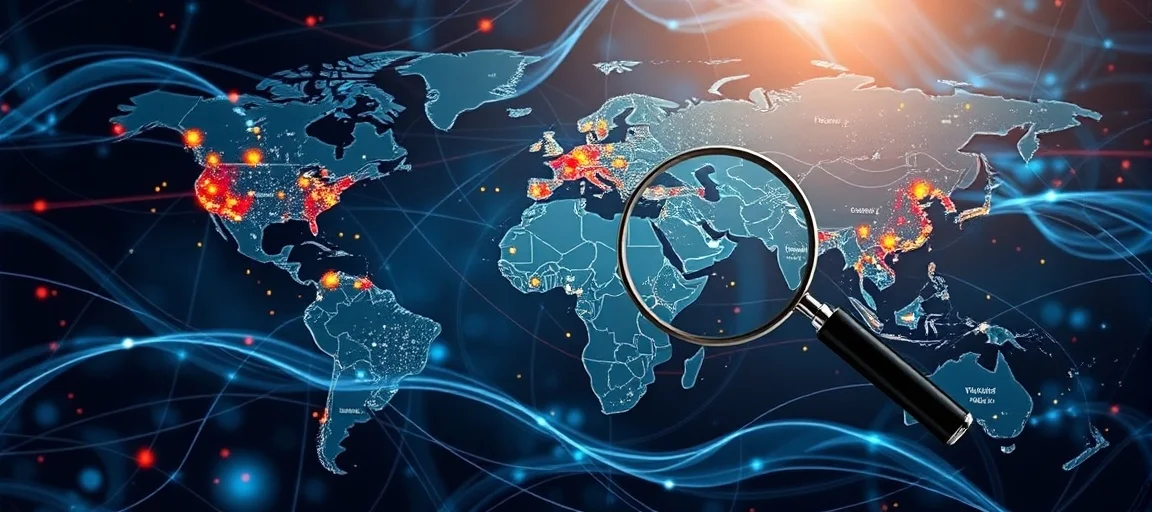
The sanctions against US firms are not isolated incidents but rather integral components of a much broader economic conflict that spans multiple domains. This economic war extends beyond tariffs and sanctions, touching upon technology leadership, control over critical supply chains, and competition for influence in emerging markets. Both nations are strategically maneuvering to secure their economic futures and reinforce their global positions.
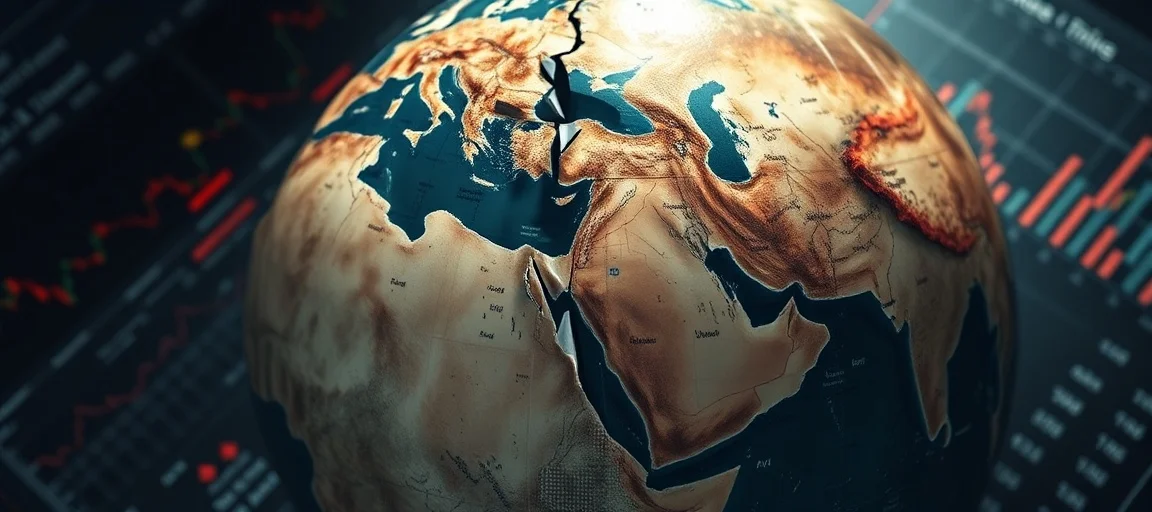
The implications of this escalating economic rivalry are far-reaching, affecting global trade patterns, international investment flows, and the stability of the multilateral trading system. As both superpowers increasingly prioritize national security and self-reliance, the risk of economic fragmentation and the formation of competing economic blocs grows, potentially leading to a less interconnected and more volatile global economy.
Global Supply Chain Disruptions
One of the most significant consequences of the escalating economic war is the ongoing disruption and reorientation of global supply chains. For decades, companies pursued efficiency through highly interconnected, globalized production networks. However, the uncertainties introduced by tariffs, sanctions, and geopolitical tensions have compelled businesses to re-evaluate their reliance on single-source suppliers or specific geographic regions. The sanctions contribute to this shift by making it riskier for companies to maintain extensive operations or partnerships that could become targets.
Many multinational corporations are now pursuing "de-risking" or "friend-shoring" strategies, aiming to reduce their vulnerability to geopolitical shocks. This involves diversifying manufacturing bases, investing in domestic production capabilities, and seeking suppliers in politically aligned countries. While these strategies enhance resilience, they also often come with increased costs and reduced efficiency, potentially leading to higher prices for consumers and slower global economic growth. The long-term impact could be a more fragmented global economy with regionalized supply chains, diminishing the benefits of globalization.
Investment Climate and Market Volatility
The imposition of sanctions and counter-sanctions injects significant uncertainty into the international investment climate. Investors, particularly those with exposure to both the U.S. and Chinese markets, face heightened risks related to policy changes, regulatory crackdowns, and potential asset freezes. This uncertainty can deter foreign direct investment (FDI) into both countries, as businesses become more cautious about committing capital in politically charged environments.
Market volatility is another direct consequence. Announcements of new sanctions or retaliatory measures often trigger immediate reactions in stock markets, currency exchanges, and commodity prices. Industries directly targeted, such as technology or defense, may experience more pronounced swings. The long-term impact could be a reallocation of investment away from sectors deemed politically sensitive or from regions perceived as having higher geopolitical risk, ultimately affecting economic growth and innovation.
Expert Analysis and International Reactions
The recent sanctions have elicited a range of responses from international observers, economists, and political leaders. Analysts largely agree that these actions signify a dangerous escalation in the US-China economic confrontation, with potentially destabilizing effects on the global economy. Many experts point to a deepening "decoupling" trend, where the economies of the two superpowers are increasingly separating, particularly in strategic sectors.
Geopolitical Strategists:
- "These sanctions are not just about specific companies; they are a clear signal of China's intent to push back forcefully against what it perceives as U.S. containment. The economic domain has become the primary battlefield." – Marcus Thorne, Geopolitics Expert.
- "While the direct financial impact on these firms might be limited, the symbolic and long-term implications for global governance and trade rules are profound. We are witnessing a fundamental reordering of international economic relations." – Dr. Evelyn Reed, International Relations Scholar.
Economists:
- "The increasing weaponization of economic tools by both Washington and Beijing introduces significant uncertainty for businesses worldwide. Companies are now forced to factor geopolitical risk much more heavily into their investment and supply chain decisions."
- "This escalating tit-for-tat dynamic risks creating two distinct economic blocs, making it harder for businesses to operate globally and potentially slowing down innovation and economic growth."
International reactions have been varied, often reflecting countries' own geopolitical alignments and economic dependencies. While some U.S. allies have voiced concerns about China's coercive economic practices, few have publicly joined the U.S. in imposing similar sanctions due to their own extensive economic ties with China. Many nations find themselves in a difficult position, attempting to navigate the growing tensions without alienating either economic superpower. The European Union, for example, has expressed calls for de-escalation while simultaneously strengthening its own economic resilience against external pressures.
Potential Future Scenarios and Escalation Risks
The current trajectory of the U.S.-China economic relationship suggests that further escalation remains a significant risk. Both nations appear increasingly committed to protecting what they deem as their core national interests, even at the cost of economic interdependence. Several scenarios could unfold in the coming months and years.
Continued Tit-for-Tat:
- More Sector-Specific Sanctions: Both sides could expand sanctions to new sectors, such as critical minerals, advanced manufacturing, or financial services, creating greater economic pressure points.
- Expanded Entity Lists: The lists of sanctioned companies and individuals could grow, encompassing more businesses, research institutions, and government officials.
- Regulatory Harmonization Challenges: China and the U.S. might continue to develop divergent regulatory frameworks, making it increasingly difficult for multinational corporations to comply with both sets of rules.
Technology Decoupling Acceleration:
- The push for technological self-sufficiency on both sides is likely to intensify, leading to redundant research and development efforts and potentially slower global innovation. This could result in a bifurcated global technology ecosystem, with different standards and platforms in various regions.
Impact on Multilateral Institutions:
- The strain on multilateral institutions like the World Trade Organization (WTO) is likely to continue, as both countries increasingly bypass international norms in favor of unilateral actions. This erosion of global governance could make it harder to address collective challenges.
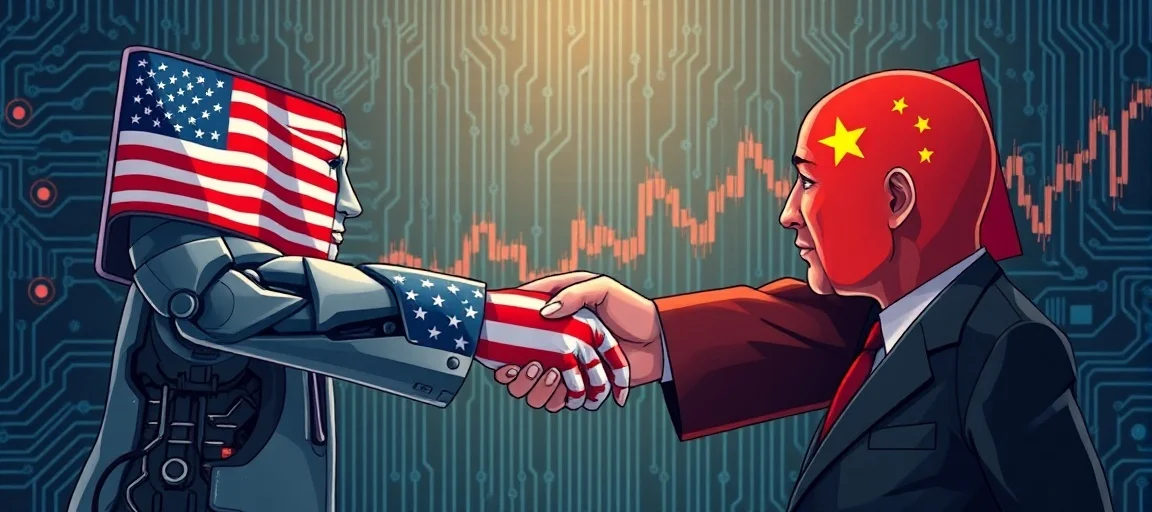
However, there is also the possibility that the economic costs of unchecked escalation could eventually force both nations to seek de-escalation. Pragmatic considerations, such as the impact on domestic economies and global stability, might prompt dialogues aimed at managing competition rather than outright conflict. Any significant de-escalation, however, would likely require substantial concessions and a fundamental shift in strategic thinking from both Washington and Beijing. The path forward remains highly uncertain, characterized by a delicate balance between competition and the imperative to avoid outright confrontation.
Conclusion: Navigating a Complex Economic Landscape
The decision by China to sanction US firms amid escalating economic war represents a critical juncture in the ongoing geopolitical and economic rivalry between the two global powers. These actions underscore Beijing's determination to push back against perceived challenges to its sovereignty and interests, using economic tools as a primary means of retaliation. The direct targeting of American companies signals a further erosion of economic interdependence and points towards a more fragmented global economy.
As this economic confrontation continues, businesses, governments, and international organizations will need to navigate an increasingly complex and volatile landscape. The long-term implications of these sanctions, and the broader economic war, could include sustained disruptions to global supply chains, increased market uncertainty, and a reordering of international trade and investment flows. Understanding the motivations behind these actions and their potential ripple effects is paramount for anyone interested in current events and the future of global relations.
Frequently Asked Questions
Q: What U.S. firms has China recently sanctioned?
A: China has recently sanctioned major American defense contractors and technology companies, such as Lockheed Martin and Raytheon. These actions are primarily a response to U.S. arms sales to Taiwan and other perceived infringements on China's sovereignty.
Q: What are China's primary motivations for imposing these sanctions?
A: Beijing states its motivations are to protect national sovereignty and territorial integrity, especially concerning Taiwan. It also views U.S. actions like arms sales and technology restrictions as interference in its internal affairs and attempts to curb its rise.
Q: How do these sanctions impact the global economy?
A: These sanctions exacerbate global supply chain disruptions, increase market volatility, and deter foreign direct investment. They contribute to economic decoupling, potentially leading to a more fragmented global economy with higher costs and slower innovation.