India: Telangana Under Thunderstorm Orange Alert – Stay Safe!
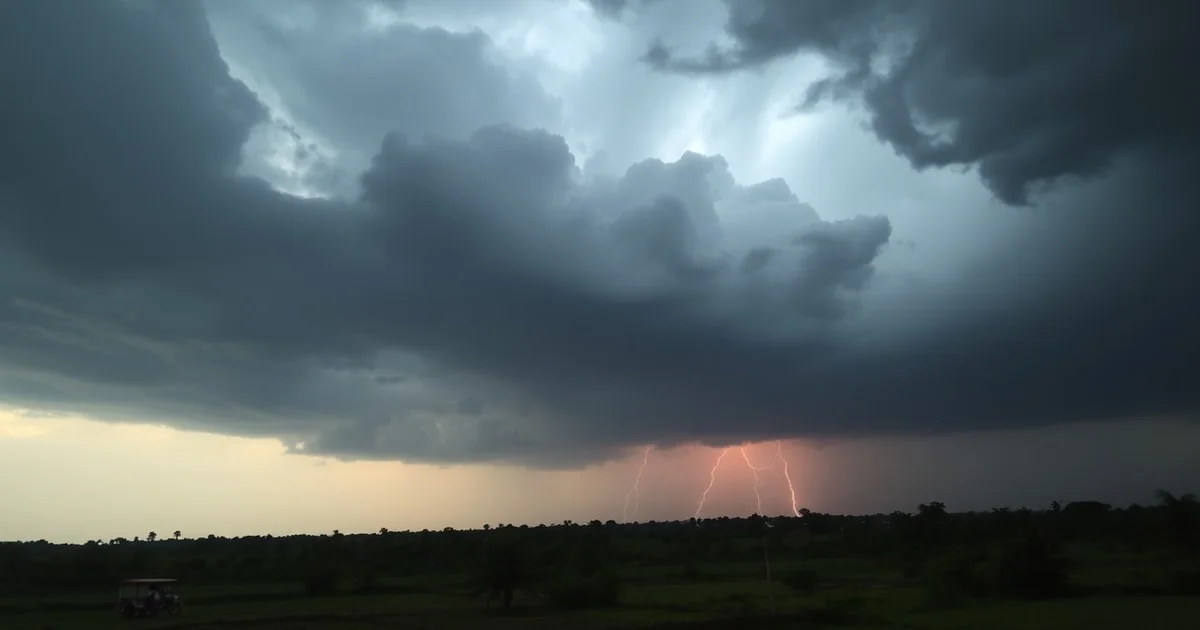
The India Meteorological Department (IMD) has issued an India: Telangana Under Thunderstorm Orange Alert, urging residents across several districts to stay vigilant and prepared for severe weather conditions. This critical warning signals the likelihood of significant weather events, including intense thunderstorms, lightning, and gusty winds, which could disrupt daily life and pose risks to public safety. As the state grapples with the transition from a prolonged heatwave to the anticipated monsoon season, authorities are emphasizing the need for immediate precautionary measures to ensure everyone remains safe during this period. The alert, effective for June 3, 2026, highlights the dynamic nature of weather patterns in the region and the importance of heeding expert advisories.
Understanding the Orange Alert in India: Telangana
The India Meteorological Department (IMD) utilizes a color-coded alert system to communicate the severity of impending weather events, with "Orange" signifying a need for preparedness. An Orange Alert is issued when exceptionally severe weather is predicted, capable of disrupting various modes of transportation—air, rail, and road—and potentially causing power outages and even landslides. This alert category indicates a heightened risk and advises citizens to take preparatory measures to safeguard themselves and their property.
Specifically for thunderstorms, the issuance of an Orange Alert is determined by anticipated wind speeds. The IMD has forecast thunderstorms accompanied by lightning and gusty winds, with speeds expected to range between 50-60 kmph in isolated places across several districts of Telangana. Such wind speeds can lead to falling trees, damage to weak structures, and disruption of power lines. Beyond wind, Orange Alerts for rainfall typically mean between 115.6 mm and 204.4 mm of rain within a 24-hour period, which can significantly increase the risk of localized flooding in urban and low-lying areas.
Regions Most Affected
The Orange Alert for June 3, 2026, specifically targets several northern and central districts of Telangana. These include Adilabad, Komuram Bheem Asifabad, Mancherial, Nirmal, Nizamabad, Jagtial, Rajanna Sircilla, Karimnagar, Peddapalli, Jayashankar Bhupalpally, Mulugu, Bhadradri Kothagudem, Khammam, Nalgonda, Suryapet, Mahabubabad, Warangal, and Hanumakonda. Residents in these areas are advised to exercise extreme caution as these regions are most likely to experience the full impact of the severe weather.
In addition to the Orange Alert, a Yellow Alert has been issued for 20 other districts, indicating slightly less severe but still significant weather, with thunderstorms accompanied by lightning and gusty winds of 40-50 kmph. These districts include Siddipet, Yadadri Bhuvanagiri, Rangareddy, Hyderabad, Medchal-Malkajgiri, Vikarabad, Sangareddy, Medak, Kamareddy, Mahabubnagar, Nagarkurnool, Wanaparthy, Narayanpet, and Jogulamba Gadwal. Even in Yellow Alert areas, there is a possibility of moderate rainfall that could cause isolated flooding and interfere with outdoor activities. The widespread nature of these alerts underscores the need for state-wide vigilance.
Preparedness and Safety Measures
In light of the Orange Alert, government agencies and disaster management authorities are on high alert, urging the public to take proactive steps to minimize risks. The primary advice is to stay indoors as much as possible, especially during peak thunderstorm activity, and to avoid unnecessary travel. Securing loose objects outdoors, checking electrical wiring, and preparing for potential power outages are crucial steps.
Local authorities often issue specific guidelines during such alerts. It is important for citizens to:
- Monitor Weather Updates: Continuously follow official IMD bulletins, local news, and government advisories. Reliable information is key to making informed decisions.
- Secure Homes: Ensure windows and doors are latched, and outdoor furniture or objects that could be blown away by strong winds are secured.
- Emergency Kit: Prepare an emergency kit containing essentials like non-perishable food, water, flashlights, extra batteries, a first-aid kit, and any necessary medications.
- Avoid Shelter Under Trees: During thunderstorms, seeking shelter under trees is extremely dangerous due to the risk of lightning strikes and falling branches.
- Stay Away from Water Bodies: Swollen rivers, streams, and ponds can be hazardous due to strong currents and submerged debris.
- Disconnect Electronics: Unplug electronic devices to protect them from power surges caused by lightning.
- Be Mindful of Roads: If travel is unavoidable, drive slowly and be aware of waterlogged roads, fallen debris, and reduced visibility.
The IMD's color-coded system is designed to simplify complex meteorological data, allowing the public to quickly grasp the level of risk and adjust their readiness accordingly. Adhering to these guidelines can significantly mitigate the impact of severe weather and ensure community safety.
Historical Context of Telangana Weather
Telangana experiences a tropical monsoon climate, characterized by distinct seasons, including a hot summer from March to June. During this summer period, thunderstorms and strong wind gusts are a common occurrence, often triggered by cumulonimbus clouds, leading to what is known as convectional rainfall. This natural phenomenon, while sometimes bringing relief from intense heat, also highlights the region's susceptibility to sudden and severe weather shifts.
The Southwest Monsoon, which accounts for approximately 80% of Telangana's annual rainfall, typically commences in the first or second week of June and covers the entire state by the end of the month. This year, however, the monsoon's arrival is projected to be slightly delayed, expected around June 8 or 9. While the state generally receives moderate rainfall, averaging 906 mm annually, there's significant variability. Studies indicate an increasing trend in the number of rainy days and the frequency of heavy rainfall events, particularly in the northeastern and central regions of Telangana in the most recent decade (2011-2020). This uptick is linked to enhanced soil moisture, stronger south-westerly monsoon winds, and favorable atmospheric conditions. Such historical patterns underscore the importance of robust weather forecasting and disaster preparedness.
Impact on Agriculture and Infrastructure
The onset of thunderstorms and associated heavy rainfall in Telangana holds significant implications for both its agricultural sector and critical infrastructure. Agriculture, a cornerstone of the state's economy, is particularly vulnerable. Standing crops, especially those nearing harvest or recently sown, can suffer extensive damage from strong winds, hailstorms, and waterlogging. Farmers are often advised to take preventive measures, such as strengthening crop support systems and ensuring proper drainage, though sudden severe weather can still lead to substantial losses. The uneven spatial distribution of rainfall projected for this monsoon season, with some areas potentially receiving excess while others face deficits, could further complicate agricultural planning and water management.
Infrastructure, including power supply networks, transportation routes, and communication systems, is also at risk. Gusty winds, reaching 50-60 kmph, can uproot trees and damage power lines, leading to widespread electricity outages. Roads can become impassable due to fallen debris, waterlogging, or even localized flooding, disrupting connectivity and emergency services. Bridges and culverts may be stressed by increased water flow, and any pre-existing weaknesses in structures could be exposed. Urban areas, particularly Hyderabad, which has experienced rapid development, face challenges such as inundation of underpasses and low-lying areas, impacting daily commute and commercial activities.
Government Response and Relief Efforts
The Telangana state government, in coordination with national disaster response agencies, mobilizes various resources and strategies to mitigate the impact of severe weather alerts. Upon the issuance of an Orange Alert, disaster management teams are typically put on high alert. This involves readying personnel from the National Disaster Response Force (NDRF) and State Disaster Response Force (SDRF) for rapid deployment to affected areas. These teams are equipped for search and rescue operations, clearing roads, and providing immediate relief.
Pre-emptive measures often include:
- Control Rooms: Establishing emergency control rooms at state and district levels to monitor the situation round-the-clock, coordinate responses, and disseminate timely information to the public.
- Public Advisories: Issuing advisories through various media channels, including print, electronic, and social media, to inform residents about the expected weather, safety precautions, and emergency contact numbers.
- Infrastructure Checks: Instructing departments responsible for roads, power, and water supply to undertake pre-monsoon checks and be prepared for quick repairs.
- Evacuation Plans: Identifying low-lying and flood-prone areas and formulating evacuation plans if the situation escalates to a Red Alert.
- Medical Preparedness: Ensuring hospitals and health centers are prepared to handle potential weather-related injuries or health emergencies.
These coordinated efforts aim to minimize loss of life and property, ensuring a swift and effective response to the challenges posed by severe weather phenomena.
Expert Outlook and Future Forecast
Meteorological experts and climate scientists continuously analyze weather patterns to provide insights into both immediate forecasts and long-term trends. For Telangana, the immediate outlook, as per the IMD, suggests that light to moderate rain or thundershowers are very likely to occur at many places over the state, with these unstable conditions expected to persist until at least June 5. This forecast offers a welcome respite from the intense heat experienced in recent weeks, though the accompanying thunderstorms bring their own set of risks.
Looking further ahead, the broader monsoon outlook for 2026 presents a complex picture. The India Meteorological Department has forecasted below-normal rainfall across the South Peninsular region, which includes Telangana. While some central parts of Telangana, including Hyderabad, might experience above-normal rainfall, several northernmost and southernmost districts could face rainfall deficits. This uneven spatial distribution of rainfall is a significant concern, potentially leading to varied impacts across the state – from localized floods in some areas to drought-like conditions in others. Experts attribute some of these variations to global climate phenomena such as the El Niño-Southern Oscillation and the Indian Ocean Dipole, which influence monsoon dynamics. The long-term trend, as indicated by recent studies, also points to an increase in the frequency of heavy rainfall events, even if overall seasonal rainfall might be below normal, posing challenges for water resource management and agriculture. These evolving climate patterns necessitate adaptive strategies and continuous research to build resilience against extreme weather.
In conclusion, the India: Telangana Under Thunderstorm Orange Alert serves as a vital reminder of the unpredictable nature of weather and the importance of preparedness. With the India Meteorological Department forecasting significant thunderstorms, lightning, and gusty winds for multiple districts, residents must prioritize safety by staying informed, securing their homes, and adhering to official advisories. While the impending rains offer a much-needed cooling effect after a prolonged heatwave, the associated risks to agriculture and infrastructure cannot be underestimated. The proactive measures by government agencies, coupled with individual vigilance, will be crucial in navigating these challenging weather conditions and minimizing their impact across Telangana.
Frequently Asked Questions
Q: What does an Orange Alert mean for Telangana?
A: An Orange Alert indicates exceptionally severe weather, like thunderstorms with gusty winds (50-60 kmph) and potential heavy rain (115-204 mm/24hrs). It urges residents to be prepared for disruptions, power outages, and potential hazards, advising caution and readiness.
Q: Which districts are most affected by the Orange Alert?
A: The Orange Alert primarily targets northern and central Telangana districts including Adilabad, Mancherial, Nizamabad, Karimnagar, Warangal, and Khammam. A Yellow Alert with slightly less severe conditions covers 20 other districts.
Q: What safety measures should residents take during a thunderstorm Orange Alert?
A: Key safety measures include staying indoors, monitoring official weather updates, securing homes, preparing an emergency kit, avoiding shelter under trees or near water bodies, disconnecting electronics, and driving cautiously if travel is essential.