India Heatwave: 16 Dead in Telangana From Suspected Heatstroke
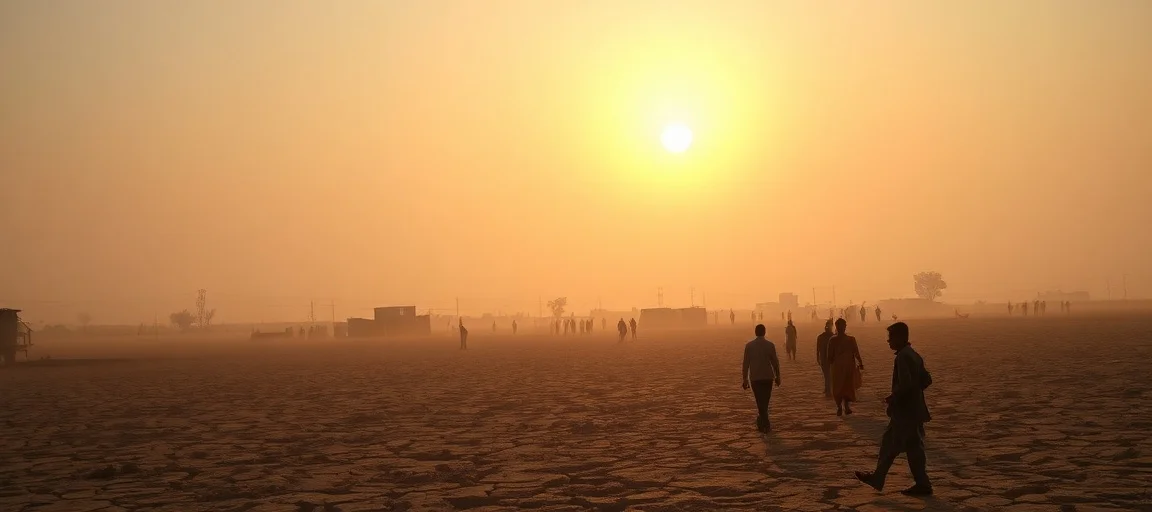
A relentless and unforgiving India heatwave: 16 Dead in Telangana From Suspected Heatstroke has cast a grim shadow over the southern state of Telangana, with authorities confirming a tragic toll of 16 fatalities attributed to suspected heatstroke. This alarming development underscores the severe public health challenges posed by the escalating temperatures, prompting urgent calls for enhanced public awareness and robust preventative measures to safeguard vulnerable populations. The intensity of this heatwave has led to a significant loss of life, highlighting the critical need for immediate and long-term strategies to combat the effects of extreme weather events.
- Understanding India's Recurring Heatwave Phenomenon
- The Tragic Toll: India Heatwave: 16 Dead in Telangana From Suspected Heatstroke
- Government Response and Public Health Initiatives
- Health Risks and Essential Precautions During a Heatwave
- The Broader Context: Climate Change and Future Outlook
- Impact on Daily Life and Economic Activity
- Conclusion: A Call for Urgent Action and Resilience
- Frequently Asked Questions
- Further Reading & Resources
Understanding India's Recurring Heatwave Phenomenon
India is no stranger to intense heatwaves, particularly during the pre-monsoon months of April, May, and June. These periods are characterized by prolonged spells of abnormally high temperatures, often exceeding 40 degrees Celsius (104 degrees Fahrenheit) in many regions. The Indian Meteorological Department (IMD) declares a heatwave when the maximum temperature of a station reaches at least 40°C in the plains and at least 30°C in the hilly regions, and the departure from normal is 4.5°C to 6.4°C. A severe heatwave is declared if the departure from normal is more than 6.4°C, or if the actual maximum temperature crosses 45°C. The cumulative impact of these high temperatures, coupled with inadequate hydration and exposure, can be devastating, leading to heat-related illnesses such as heat exhaustion and, in severe cases, life-threatening heatstroke. The vulnerability of certain segments of the population, including the elderly, outdoor workers, and those with pre-existing health conditions, is significantly heightened during such extreme weather events.
The frequency and intensity of heatwaves in India have been a growing concern for climate scientists and public health experts alike. Over the past few decades, there has been a discernible trend of increasing temperatures and more frequent extreme weather phenomena, often linked to the broader impacts of climate change. Studies have indicated that the duration and geographical spread of heatwaves are expanding, posing a greater threat to human life and livelihoods across the subcontinent. This recurring pattern necessitates a proactive approach from governmental bodies, healthcare providers, and communities to mitigate the risks and enhance resilience against these annual climatic challenges.
The Tragic Toll: India Heatwave: 16 Dead in Telangana From Suspected Heatstroke
The recent reports from Telangana paint a stark picture of the heatwave's devastating consequences, confirming that an India Heatwave: 16 Dead in Telangana From Suspected Heatstroke has occurred. The deaths, primarily reported from various districts across the state, underscore the critical need for immediate action. While official confirmation linking each fatality directly to heatstroke is pending detailed medical examinations, preliminary assessments by local health authorities point towards the extreme temperatures as a significant contributing factor. The victims are believed to be individuals who were either exposed to the sun for prolonged periods, lacked access to adequate cooling facilities, or were already susceptible due to age or underlying health conditions.
Reports indicate that many of the deceased were daily wage laborers, farmers, or elderly individuals who were unable to protect themselves from the intense heat. Several cases were reported from rural areas where access to healthcare facilities and cooling centers might be limited, further exacerbating the crisis. The Telangana government has initiated investigations into each death, with district medical and health officers compiling reports to ascertain the exact causes. This tragic loss of life serves as a somber reminder of the direct and often fatal impact of climate-induced extreme weather events on human populations. The incidents have prompted widespread concern among citizens and health officials alike, highlighting the urgent need for robust public health interventions and awareness campaigns to prevent further casualties.
Affected Districts and Demographics
The fatalities in Telangana have been reported from several districts, indicating a widespread impact of the heatwave across the state. While specific district names are being withheld pending full investigation, preliminary reports suggest that areas with high agricultural activity and large populations of outdoor workers are particularly vulnerable. The demographic breakdown of the victims often reveals a disproportionate impact on the economically weaker sections of society, who often have no choice but to work outdoors in searing temperatures. The elderly, especially those living alone or with limited support, also form a significant portion of the casualties. This highlights existing social vulnerabilities that are amplified during periods of extreme environmental stress.
Local government bodies and non-governmental organizations are working to identify the most affected communities and individuals to provide targeted support and relief. This includes efforts to distribute water, ORS (Oral Rehydration Solution) packets, and to disseminate crucial information on heatstroke prevention. The challenges are particularly acute in remote villages where awareness levels might be lower and access to timely medical intervention is hampered by geographical barriers.
Government Response and Public Health Initiatives
In response to the escalating crisis, the Telangana state government has activated its emergency response mechanisms. A series of advisories have been issued, urging citizens to take precautions against the heat. These advisories typically include recommendations to stay indoors during peak heat hours, consume plenty of fluids, avoid strenuous outdoor activities, and wear loose-fitting, light-colored clothing. Public health campaigns are being intensified through various media channels to reach a wider audience, especially in rural and vulnerable areas.
Furthermore, the government has mandated that all public hospitals and healthcare centers be on high alert to handle heatstroke cases. Special heatstroke wards or dedicated medical teams are often established to provide immediate treatment to affected individuals. Efforts are also being made to ensure the availability of essential medical supplies, including intravenous fluids and other life-saving drugs. The government is also coordinating with local municipalities to ensure the availability of drinking water at public places and to identify and activate cooling centers where people can seek refuge from the heat. These centers often provide shaded areas, drinking water, and basic first aid facilities.
Long-Term Preparedness and Mitigation Strategies
Beyond immediate relief measures, there is a growing consensus on the need for long-term preparedness and mitigation strategies to address the recurring threat of heatwaves. This includes strengthening early warning systems, improving urban planning to create more green spaces and reduce the urban heat island effect, and investing in climate-resilient infrastructure. The IMD's enhanced forecasting capabilities, which provide district-level heatwave warnings, are crucial in enabling local administrations to take timely preventative action.
Educational programs aimed at increasing public awareness about the risks of heatstroke and effective preventative measures are also vital. This includes educating employers about providing adequate rest and hydration to outdoor workers, and advising communities on how to identify and assist individuals suffering from heat-related illnesses. The integration of climate change adaptation strategies into state-level development plans is essential for building long-term resilience against extreme weather events. This holistic approach, combining immediate relief with strategic long-term planning, is critical for minimizing future casualties and protecting public health.
Health Risks and Essential Precautions During a Heatwave
Heatwaves pose several serious health risks, ranging from mild discomfort to life-threatening conditions. Understanding these risks and adopting appropriate precautions is paramount to safeguarding one's health. The primary concerns include dehydration, heat exhaustion, and heatstroke.
Recognizing Heat-Related Illnesses
-
Heat Exhaustion: This is a milder form of heat-related illness that can develop after several days of exposure to high temperatures and inadequate fluid intake. If experiencing these symptoms, it's crucial to move to a cooler place, lie down, loosen clothing, apply cool, wet cloths, and sip water.
-
Heatstroke: This is the most serious heat-related illness and is a medical emergency. Heatstroke occurs when the body loses its ability to regulate its temperature, and the body temperature rises rapidly. While waiting for medical help, move the person to a cooler area and try to cool them down with wet cloths or by fanning.
Essential Precautions
To minimize the risks during a heatwave, public health experts recommend the following:
-
Stay Hydrated: Drink plenty of fluids, even if you don't feel thirsty. Water is the best choice. Avoid sugary drinks, alcohol, and caffeine, which can lead to dehydration. Carry a water bottle and refill it regularly.
-
Limit Outdoor Exposure: Avoid going out during the hottest part of the day, typically between 12 PM and 4 PM. If you must go out, limit your time and take frequent breaks in the shade.
-
Wear Appropriate Clothing: Opt for loose-fitting, lightweight, and light-colored clothing. Light colors reflect sunlight, while loose-fitting clothes allow air circulation.
-
Seek Shade and Cool Places: Stay indoors in air-conditioned or well-ventilated rooms. If air conditioning is not available, visit public cooling centers, libraries, or malls. Take cool showers or baths.
-
Protect Vulnerable Individuals: Check on elderly relatives, young children, and neighbors who may be more susceptible to heat-related illnesses. Ensure they are staying cool and hydrated. Never leave children or pets in parked cars, even for a short time, as temperatures can rise rapidly.
-
Modify Work Schedules: For outdoor workers, employers should provide frequent breaks, access to water, and consider adjusting work hours to avoid the hottest parts of the day. This includes educating employers about providing adequate rest and hydration to outdoor workers, and advising communities on how to identify and assist individuals suffering from heat-related illnesses.
-
Eat Light Meals: Consume light, easily digestible meals. Avoid heavy, protein-rich foods that can increase metabolic heat production.
- Be Aware of Symptoms: Educate yourself and your family about the symptoms of heat exhaustion and heatstroke. Early recognition and action can be life-saving.
The Broader Context: Climate Change and Future Outlook
The increasing frequency and intensity of heatwaves in India are not isolated incidents but are part of a broader global trend linked to climate change. Scientific consensus points to anthropogenic greenhouse gas emissions as the primary driver behind rising global temperatures. India, being a densely populated nation with a large agricultural sector heavily reliant on weather patterns, is particularly vulnerable to the impacts of a warming planet.
Rising temperatures contribute to more severe and prolonged heatwaves, which in turn exacerbate water scarcity, affect agricultural productivity, and strain public health infrastructure. The monsoon season, which typically brings relief from the scorching summer heat, is also becoming more erratic, with unpredictable rainfall patterns further complicating the situation. Experts warn that without significant global efforts to reduce emissions and robust local adaptation strategies, heatwaves of this magnitude could become even more common and devastating in the future.
Adapting to a Warmer Future
Adapting to these changing climatic conditions requires a multi-faceted approach. Urban centers need to prioritize green infrastructure development, such as tree planting and reflective surfaces, to mitigate the urban heat island effect. Rural communities require support for climate-resilient farming practices and access to sustainable water resources. Furthermore, strengthening national and state-level disaster management agencies to effectively respond to heatwave emergencies is paramount. This includes improving communication channels for early warnings, establishing more widespread cooling centers, and enhancing the capacity of healthcare systems to manage heat-related illnesses.
International cooperation and knowledge sharing are also crucial, as countries collectively face the challenges of a warming world. By investing in research, technology, and community-based solutions, India can build greater resilience against the impacts of climate change and protect its citizens from future heat-related tragedies.
Impact on Daily Life and Economic Activity
The severe heatwave gripping Telangana has had a profound impact on daily life and economic activity across the state. Beyond the tragic loss of life, the extreme temperatures disrupt various facets of society, creating significant challenges for individuals and businesses alike.
Disruptions to Routine and Livelihoods
Normal routines are heavily altered during a heatwave. Schools and colleges often announce early summer breaks or modify timings to protect students from the intense heat. Businesses, particularly those requiring outdoor labor, face reduced productivity as workers struggle to perform in the scorching conditions. Construction sites, agricultural fields, and street vending operations are among the hardest hit, impacting the livelihoods of millions. Many daily wage earners, who rely on continuous work, experience significant income loss during these periods, pushing vulnerable families further into economic hardship.
Public transportation can also be affected, with reduced services or delays due to the heat impacting vehicle performance and passenger comfort. Energy consumption surges as households and businesses rely heavily on air conditioning and cooling systems, placing immense strain on the power grid and sometimes leading to outages.
Agricultural Sector Under Stress
Telangana's economy has a significant agricultural component, and the heatwave poses a serious threat to crop yields and livestock. High temperatures can lead to increased crop water demand, wilting, and reduced productivity, especially for heat-sensitive crops. This can result in financial losses for farmers, who are already often vulnerable to climate variability. Livestock are also susceptible to heat stress, which can lead to reduced milk production, reproductive issues, and in severe cases, death. The cumulative effect of these impacts can have ripple effects throughout the state's economy, potentially leading to food security concerns and price fluctuations.
Strain on Infrastructure and Services
The heatwave places immense strain on critical infrastructure and public services. Water supply systems face increased demand, sometimes leading to shortages in certain areas, particularly in urban centers. Healthcare systems are stretched to capacity as they manage a surge in heat-related illness cases. Emergency services, including ambulance and rescue operations, also experience heightened demand. The increased energy consumption for cooling further stresses electricity grids, making power outages more likely, which can be particularly dangerous during extreme heat.
Addressing these widespread impacts requires coordinated efforts from government agencies, community organizations, and individual citizens to minimize disruptions and support those most affected.
Conclusion: A Call for Urgent Action and Resilience
The tragic loss of 16 lives in Telangana due to suspected heatstroke during the current India Heatwave: 16 Dead in Telangana From Suspected Heatstroke serves as a stark and urgent reminder of the devastating human cost of extreme weather. This crisis underscores the critical importance of both immediate response and long-term strategic planning to safeguard public health in the face of escalating temperatures. As India, and indeed the world, grapples with the accelerating impacts of climate change, the need for robust early warning systems, comprehensive public health interventions, and sustainable adaptation strategies has never been more pressing. Protecting vulnerable communities, ensuring access to essential resources, and fostering climate resilience must remain at the forefront of national and local agendas to prevent such tragedies from recurring.
Frequently Asked Questions
Q: What are the main causes of heat-related deaths during a heatwave?
A: Heat-related deaths during a heatwave are primarily caused by heatstroke, which occurs when the body's temperature regulation system fails due to prolonged exposure to extreme heat and dehydration. Vulnerable populations, such as the elderly, outdoor workers, and those with pre-existing conditions, are particularly at risk.
Q: What precautions should one take during a heatwave?
A: Essential precautions include staying hydrated by drinking plenty of water, limiting outdoor exposure during peak heat hours, wearing loose-fitting and light-colored clothing, and seeking shade or air-conditioned environments. It's also crucial to check on vulnerable individuals.
Q: How is the Telangana government responding to the heatwave?
A: The Telangana government has issued advisories, put hospitals on high alert, and established cooling centers. They are also conducting investigations into the deaths and intensifying public health campaigns to raise awareness and distribute aid in affected areas.