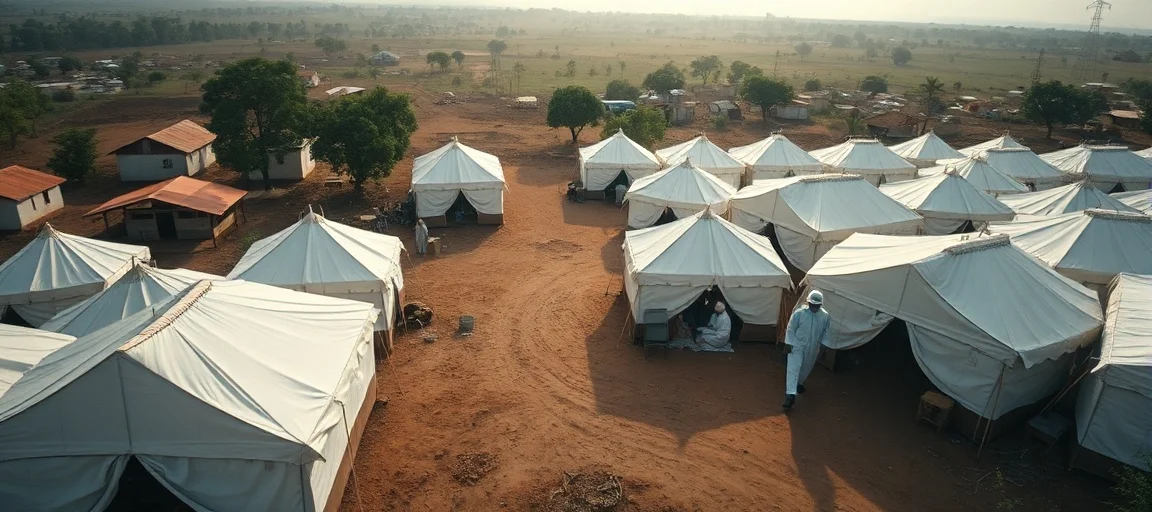
Ebola Outbreak Worsens in Africa; India Issues Advisory to Travelers
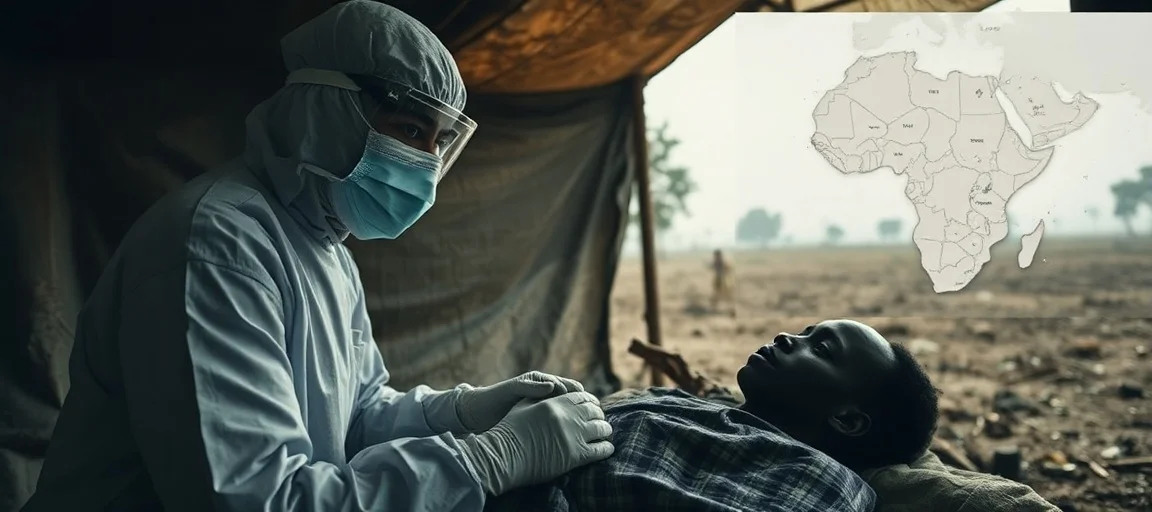
The global health community is on high alert as an Ebola outbreak worsens in Africa, prompting swift international responses, including a stringent travel advisory from India. This latest development, centered in the Democratic Republic of Congo (DRC) and Uganda, involves the challenging Bundibugyo strain of the virus, for which no approved vaccine or specific treatment currently exists. The situation has rapidly escalated, leading the World Health Organization (WHO) to declare a Public Health Emergency of International Concern, highlighting the urgency of a coordinated global effort to contain its spread and protect vulnerable populations. India's proactive advisory underscores the interconnectedness of public health in an increasingly mobile world, emphasizing vigilance and preparedness.
- Escalation of the Ebola Crisis in Central Africa
- The Bundibugyo Strain: A Formidable Challenge
- Geographic Spread and Impacted Regions
- India's Proactive Advisory Amid Worsening Ebola Outbreak
- International Response and Collaborative Efforts
- Understanding Ebola: Symptoms, Transmission, and Prevention
- Challenges in Containing the Outbreak
- Long-Term Implications for Global Health
- Frequently Asked Questions
- Further Reading & Resources
- Conclusion: A United Front Against a Worsening Threat
Escalation of the Ebola Crisis in Central Africa
A new and alarming Ebola outbreak has gripped parts of Central Africa, with the Democratic Republic of Congo (DRC) and neighboring Uganda at its epicenter. The Congolese Ministry of Public Health, Hygiene, and Social Welfare officially confirmed the outbreak in Ituri Province on May 15, 2026, following the identification of hundreds of suspected cases. Health experts expressed concern over the rapid progression of the outbreak before its official reporting, indicating potential undetected transmission for several weeks.
This marks the 17th Ebola outbreak in the DRC since the virus was first identified in 1976, occurring a mere five months after the conclusion of the previous outbreak in December 2025. The proximity of these outbreaks underscores the persistent public health challenges faced by the region, often exacerbated by ongoing humanitarian crises, remote and densely populated areas, political insecurity, and significant population and trade movements.
As of May 23, 2026, the situation has become increasingly severe, with reports indicating 968 suspected cases and at least 216 deaths across the affected regions. The WHO has raised the national risk assessment for the DRC to "very high," although the global risk currently remains "low."
The Bundibugyo Strain: A Formidable Challenge
Unlike some more common strains of Ebola, this particular outbreak is caused by the Bundibugyo ebolavirus. The Bundibugyo strain presents a unique challenge to medical and public health responders because there is currently no approved vaccine or specific treatment for it. This absence of targeted medical countermeasures necessitates an intensified focus on traditional public health interventions such as early case detection, contact tracing, isolation, infection prevention and control, and safe burial practices.
The Bundibugyo virus has been responsible for two previous outbreaks, one in Uganda (2007-2008) and another in the DRC (2012), with estimated fatality rates ranging from 25% to 40%. This current outbreak highlights the continuous need for research and development into a broader spectrum of Ebola treatments and vaccines that can address all known strains of the virus.
Geographic Spread and Impacted Regions
The initial confirmed cases of the Bundibugyo Ebola outbreak were identified in Ituri Province, DRC, notably in health zones such as Bunia, Mongwalu, and Rwampara. However, the virus has shown signs of broader dissemination within the DRC, with confirmed or suspected cases also reported in North Kivu Province (including cities like Butembo and Goma) and South Kivu Province. A case in South Kivu, for instance, was reported to be imported from Tshopo province, demonstrating the internal mobility contributing to the spread.
Cross-border transmission has also been a critical concern, leading to confirmed cases in Uganda. Two laboratory-confirmed cases, including one death, were reported in Uganda's capital, Kampala, involving individuals who had traveled from the DRC. The WHO and other international bodies have stressed the "very high" risk at the national and regional levels due to this mobility and the complex humanitarian context. Neighbouring countries like South Sudan, sharing land borders with the DRC and Uganda, are also considered at high risk for further spread.
India's Proactive Advisory Amid Worsening Ebola Outbreak
In response to the escalating crisis, the Indian government has taken a proactive step to safeguard its citizens both at home and abroad. On May 23-24, 2026, the Union Health Ministry issued a comprehensive advisory, urging Indian citizens to avoid non-essential travel to the Democratic Republic of Congo (DRC), Uganda, and South Sudan.
This advisory follows the WHO's declaration of the outbreak as a Public Health Emergency of International Concern (PHEIC) on May 17, 2026, and the Africa Centres for Disease Control and Prevention's (Africa CDC) classification of it as a Public Health Emergency of Continental Security (PHECS) on May 18, 2026.
Directives for Indian Nationals and Travelers
The advisory outlines specific precautions for Indian nationals residing in or planning to travel to the affected African countries:
- Avoid Non-Essential Travel: Citizens are strongly advised to reconsider travel to the DRC, Uganda, and South Sudan unless absolutely necessary.
- Local Health Advisories: Those currently in these countries are urged to diligently follow local public health guidelines and advisories.
- Heightened Hygiene: Maintaining rigorous hygiene practices, including frequent handwashing, is crucial.
- Avoid Contact: Individuals should avoid contact with symptomatic persons and seek immediate medical attention if they develop fever or related symptoms.
Enhanced Screening at Indian Entry Points
To prevent the potential importation of the virus, India has also significantly ramped up its surveillance and screening measures at all international airports and points of entry. These measures include:
- 24/7 Thermal Screening and Visual Monitoring: Dedicated teams are conducting round-the-clock thermal screenings and visual monitoring to identify travelers exhibiting febrile illness, especially those arriving from or transiting through high-risk nations.
- Isolation Facilities: Airports are now equipped with dedicated isolation bays and rapid-response ambulances to immediately isolate and transfer symptomatic individuals to designated hospital wards.
- Mandatory In-Flight Announcements and Self-Declaration Forms (SDFs): Airlines operating on routes connected to these high-risk areas are required to make mandatory in-flight health announcements and distribute SDFs.
- Reporting Symptoms: Passengers are legally required to report to the Airport Health Officer (APHO) or health desk before clearing immigration if they exhibit symptoms or have had direct contact with bodily fluids of a suspected Ebola patient.
- 21-Day Self-Monitoring: All inbound passengers from target zones are legally mandated to self-monitor for 21 days after arrival.
These stringent measures reflect India's commitment to public health preparedness and its strategy to mitigate the risk of importing the Bundibugyo Ebola virus.
International Response and Collaborative Efforts
The global community has mobilized swiftly in the face of this escalating public health crisis. The WHO, immediately after declaring the PHEIC, rapidly scaled up its support to the governments of the DRC and Uganda. This includes strengthening surveillance systems for early detection, enhancing contact tracing efforts, bolstering clinical preparedness and management, delivering essential medical supplies, and intensifying community engagement.
Organizations like Doctors Without Borders (Médecins Sans Frontières - MSF) are also on the ground, mobilizing teams to contain the outbreak. MSF is setting up Ebola treatment centers in affected areas of Ituri province, deploying personal protective equipment (PPE), and supporting local health ministries.
Other key international actors involved in the response include:
- Africa CDC: Declared a Public Health Emergency of Continental Security and is working closely with affected nations.
- U.S. Centers for Disease Control and Prevention (CDC): Issued Level 1 and Level 3 Travel Health Notices for Uganda and the DRC, respectively. The CDC also implemented a Title 42 order, temporarily banning non-U.S. citizens who have been in the DRC, South Sudan, or Uganda in the preceding three weeks from entering the country.
- European Centre for Disease Prevention and Control (ECDC): Has prepared a threat assessment brief and activated the EU Health Task Force, deploying an expert to Africa CDC headquarters to support coordination.
- United Nations (UN): Various UN agencies, including the UN Organization Stabilization Mission in the Democratic Republic of the Congo (MONUSCO), are providing logistical and airlift support for transporting supplies and facilitating ground access to enhance operational effectiveness.
These concerted international efforts aim to contain the outbreak at its source, prevent further cross-border transmission, and provide crucial support to affected communities with limited healthcare infrastructure. Cross-border coordination, as emphasized by the WHO, is essential to successfully contain such outbreaks, where delays can have serious consequences.
Understanding Ebola: Symptoms, Transmission, and Prevention
Ebola virus disease (EVD) is a severe, often fatal illness in humans. Understanding its characteristics is vital for both public health professionals and the general public, especially as the Ebola Outbreak Worsens in Africa; India Issues Advisory.
Symptoms of Ebola
Symptoms of Ebola can appear anywhere from 2 to 21 days after exposure, though the average is 8 to 10 days. Initial symptoms are often non-specific and can resemble other illnesses, making early diagnosis challenging. These include:
- Fever
- Severe headache
- Muscle and joint pain
- Weakness and fatigue
- Abdominal pain
- Vomiting (which may be bloody)
- Diarrhea (which may be bloody)
- Unexplained bleeding or bruising (internal or external)
- Red or bloodshot eyes
- Rash
As the illness progresses, patients can experience rapid deterioration and develop severe complications, including internal bleeding.
How Ebola Spreads
Ebola is primarily spread through direct contact with the bodily fluids or tissues of an infected person or animal (alive, sick, or dead), or contaminated objects. It is crucial to understand that a person infected with Ebola is not contagious until symptoms appear.
Modes of transmission include:
- Direct Contact: Contact with blood, urine, feces, vomit, saliva, sweat, semen, breast milk from an infected person.
- Contaminated Objects: Touching surfaces, clothing, bedding, or medical equipment contaminated with these fluids.
- Unsafe Burial Practices: Traditional funeral rites that involve washing or direct contact with the body of someone who died from Ebola can lead to transmission.
- Contact with Infected Animals: Handling or eating wild animals, particularly bushmeat, can be a source of initial infection (zoonotic spillover).
It is important to note that Ebola is generally not believed to be spread through the air, water, or food, unless specific medical procedures aerosolize respiratory droplets. However, healthcare workers are at serious risk of infection if not using appropriate personal protective equipment (PPE).
Prevention Strategies
Given the severity and rapid transmission potential of Ebola, prevention is paramount, especially for the Bundibugyo strain for which there is no vaccine. Key prevention strategies include:
- Strict Hygiene: Frequent handwashing with soap and water or using alcohol-based hand sanitizer.
- Avoid Direct Contact: Steer clear of direct contact with the body fluids or tissues of sick individuals or those who have died from Ebola.
- Safe Burial Practices: Ensure that all burials of individuals who died from suspected or confirmed Ebola are conducted safely and with appropriate infection control measures.
- Avoid High-Risk Activities: In affected areas, avoid unprotected direct contact with sick people, participating in unsafe burial practices, and handling or eating wild animals.
- Use Personal Protective Equipment (PPE): Healthcare workers and caregivers must use full PPE, including masks, gowns, gloves, and eye protection, when attending to patients with suspected or confirmed Ebola.
- Travel Advisories: Heeding travel advisories issued by health authorities is crucial to minimize exposure risk.
Challenges in Containing the Outbreak
Containing an Ebola outbreak, especially one involving a strain without a vaccine, is fraught with challenges. The current situation in the DRC and Uganda highlights several critical hurdles:
- Lack of Specific Medical Countermeasures: The absence of an approved vaccine or targeted therapeutic for the Bundibugyo strain means that the primary tools for control rely heavily on rigorous public health measures, which can be difficult to implement perfectly in complex settings.
- Conflict and Insecurity: Many of the affected areas in eastern DRC are plagued by decades of conflict and insecurity. This not only disrupts healthcare services and the movement of medical personnel and supplies but also leads to mass displacement, complicating the identification, follow-up, and isolation of cases.
- Remote and Densely Populated Areas: The outbreak is occurring in remote, often densely populated areas with limited infrastructure, making it difficult to reach affected communities and deliver timely aid.
- Population Mobility and Cross-Border Spread: High population movement, including mining-related travel and frequent cross-border travel between the DRC and Uganda, significantly increases the risk of wider transmission and makes contact tracing challenging.
- Community Mistrust and Resistance: Past outbreaks have demonstrated that community mistrust, fueled by misinformation or historical grievances, can hinder response efforts. Engaging communities effectively and respectfully is paramount for successful containment.
- Weak Health Systems: The health systems in these regions are often fragile and under-resourced, making it difficult to manage a severe outbreak of this magnitude. This impacts everything from surveillance to clinical care and infection prevention.
Long-Term Implications for Global Health
The current Ebola outbreak underscores broader long-term implications for global health security. Each outbreak serves as a stark reminder of the continuous need for robust pandemic preparedness and response strategies worldwide.
- Investment in Research and Development: The Bundibugyo strain's resistance to current Ebola vaccines and treatments highlights the urgent need for accelerated research and development into broad-spectrum antivirals and vaccines effective against all ebolavirus species.
- Strengthening Health Systems: Building resilient national health systems, especially in vulnerable regions, is critical. This includes improving surveillance and rapid response systems, investing in healthcare infrastructure, and enhancing diagnostic capabilities.
- International Coordination and Collaboration: The crisis emphasizes the necessity of seamless international collaboration and coordination, as evidenced by the efforts of WHO, Africa CDC, and various countries. Efficient logistics, resource sharing, and a unified response are vital.
- Community Engagement: Sustainable control requires deep community engagement and understanding, ensuring that public health measures are culturally sensitive and effective.
- Preparedness for Zoonotic Spillover: Given that Ebola is a zoonotic disease, ongoing surveillance of animal populations and understanding human-animal interfaces are crucial to prevent future spillovers.
This Ebola Outbreak Worsens in Africa; India Issues Advisory not only demands immediate attention but also calls for a sustained global commitment to public health infrastructure and collaborative initiatives to prevent and respond to future infectious disease threats.
Frequently Asked Questions
Q: What is the current status of the Ebola outbreak in Africa?
A: The Ebola outbreak in Central Africa is worsening, particularly in the Democratic Republic of Congo and Uganda, caused by the Bundibugyo strain. The World Health Organization has declared it a Public Health Emergency of International Concern due to its rapid escalation.
Q: Why is India issuing a travel advisory?
A: India's government issued a travel advisory to proactively safeguard its citizens from the worsening Ebola outbreak. It advises against non-essential travel to affected African nations and implements enhanced screening measures at its own entry points to prevent virus importation.
Q: What makes the Bundibugyo strain of Ebola particularly challenging?
A: The Bundibugyo ebolavirus strain is particularly challenging because there is currently no approved vaccine or specific treatment available for it. This means containment efforts rely heavily on rigorous public health interventions like early detection, contact tracing, and safe burial practices.
Further Reading & Resources
- World Health Organization (WHO) - Ebola Virus Disease
- U.S. Centers for Disease Control and Prevention (CDC) - Ebola Virus Disease
- Africa CDC
Conclusion: A United Front Against a Worsening Threat
The current escalation of the Ebola outbreak in Central Africa, driven by the elusive Bundibugyo strain, poses a severe and multifaceted challenge to global health. With cases multiplying across the Democratic Republic of Congo and Uganda, and the World Health Organization declaring a Public Health Emergency of International Concern, the need for swift, coordinated action has never been more critical. India's comprehensive advisory, alongside heightened screening at its entry points, exemplifies the global commitment required to mitigate the risks of international spread. This rapidly developing situation, where the Ebola Outbreak Worsens in Africa; India Issues Advisory, serves as a powerful reminder that infectious diseases know no borders, demanding a united front and sustained investment in preparedness, surveillance, and response mechanisms worldwide.