Africa Faces Worsening Ebola Outbreak; India Sends Aid to Combat Crisis
As the African continent faces a worsening Ebola outbreak of a particularly virulent strain, nations like India are sending crucial aid to combat the escalating health crisis, primarily impacting the Democratic Republic of Congo (DRC) and Uganda. This severe public health emergency, characterized by a worsening Ebola outbreak, has prompted swift international action, with India notably stepping forward to send critical medical aid. The global community watches closely as efforts intensify to contain this deadly viral hemorrhagic fever and protect vulnerable populations.
- The Alarming Resurgence of Ebola in Africa
- India Sends Aid Amidst Worsening Ebola Outbreak
- The Complex Challenges of Containment
- A Coordinated International Response
- Economic and Social Repercussions
- Looking Ahead: Strengthening Preparedness and Global Solidarity
- Conclusion
- Frequently Asked Questions
- Further Reading & Resources
The Alarming Resurgence of Ebola in Africa
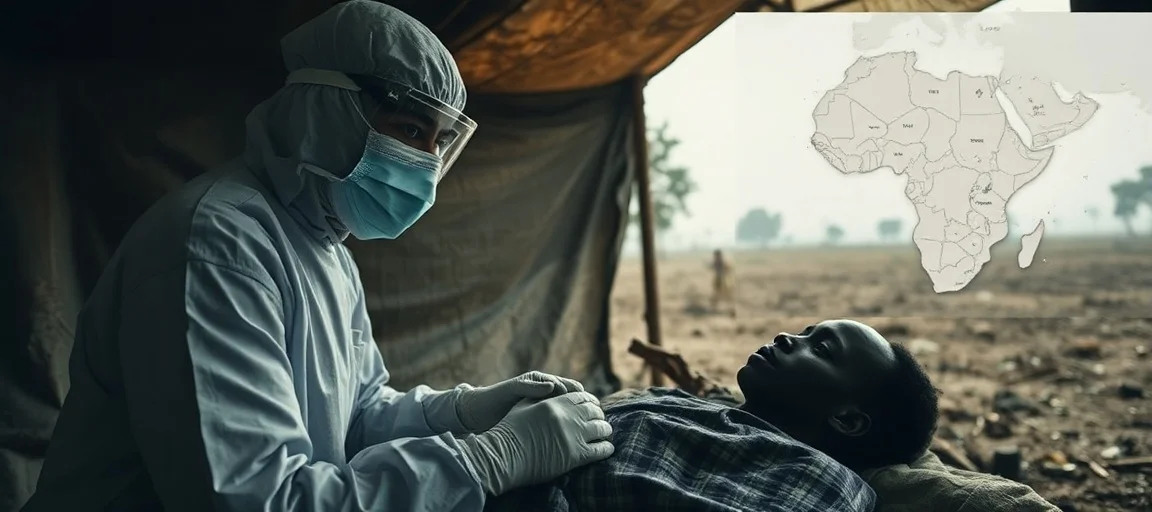
The current Ebola outbreak, confirmed in May 2026, marks the 17th such occurrence in the Democratic Republic of Congo (DRC), emerging just five months after the end of a previous epidemic. This rapid succession of outbreaks highlights the persistent challenges faced by the region in maintaining long-term health security. The initial cases were detected in the remote Ituri Province of northeastern DRC, a region already plagued by humanitarian crises and ongoing conflict. The situation quickly escalated, with confirmed cases subsequently reported in neighboring Uganda, including its capital, Kampala, raising significant concerns about cross-border transmission and wider regional spread.
A Rare and Dangerous Strain
What makes this particular outbreak especially concerning is its causation by the Bundibugyo virus strain, a rare variant of Ebola for which there is currently no approved vaccine or specific treatment. This absence of established medical countermeasures significantly complicates containment efforts, forcing health authorities to rely heavily on traditional public health interventions such as robust surveillance, contact tracing, and isolation. The Bundibugyo strain has historically been detected in only two previous outbreaks, in 2007 and 2012, both of which were considerably smaller in scale than the current emergency. The World Health Organization (WHO) declared the outbreak a Public Health Emergency of International Concern (PHEIC) on May 17, 2026, underscoring the severe risk it poses to global health. Following suit, the Africa Centres for Disease Control and Prevention (Africa CDC) also designated it a Public Health Emergency of Continental Security (PHECS), reflecting the grave implications for the entire continent.
Escalating Case Numbers and Geographic Spread
As of May 23, 2026, the situation remains deeply worrisome. The Democratic Republic of Congo has reported 746 suspected cases, with 83 confirmed cases, and a tragic toll of 176 suspected deaths and 9 confirmed fatalities. Neighboring Uganda has confirmed 5 cases and 1 death, with all recent cases directly linked to individuals who traveled from the DRC. The virus has further spread within the DRC to include North Kivu and Sud-Kivu provinces, indicating a widening geographical footprint. This expansion into multiple provinces, often characterized by high population mobility and insecurity, poses immense challenges for control.
Alarmingly, the Africa CDC has issued a stark warning that up to ten additional African countries are now at risk of being affected. These include Angola, Burundi, the Central African Republic, the Republic of Congo, Ethiopia, Kenya, Rwanda, South Sudan, Tanzania, and Zambia. This potential for widespread regional transmission underscores the urgency of a coordinated and well-resourced international response. The rapid identification of cases, especially in densely populated urban centers like Kampala, intensifies the need for vigilance and rapid intervention.
India Sends Aid Amidst Worsening Ebola Outbreak
In a significant show of international solidarity and humanitarian commitment, India has moved swiftly to provide crucial support to African nations battling the worsening Ebola outbreak. On May 24, 2026, India dispatched the first tranche of urgent medical supplies and protective kits to the Africa Centres for Disease Control and Prevention (Africa CDC). This timely assistance is a direct response to the escalating public health emergency and aims to bolster the continent's capacity to manage and contain the spread of the Bundibugyo virus.
India's Commitment to Global Health Security
External Affairs Minister Dr. S. Jaishankar reaffirmed India's unwavering commitment to supporting Africa in responding to this crisis, emphasizing coordination with the African Union. This initiative aligns with India's consistent engagement with African nations, focusing on strengthening public health systems and providing assistance during health emergencies and natural disasters. The aid package includes essential medical supplies and personal protective equipment (PPE), which are vital for frontline health workers who face immense risks in containing highly infectious diseases like Ebola. Such support is critical, especially given the scarcity of resources and the logistical challenges in the affected regions. India’s proactive step reflects a broader foreign policy centered on South-South cooperation and mutual support in times of crisis, demonstrating a responsible role on the global stage.
Travel Advisory and Summit Postponement
Beyond direct aid, the Government of India has also taken domestic precautions in light of the global health emergency. India has advised all its citizens to avoid non-essential travel to the Democratic Republic of Congo, Uganda, and South Sudan until further notice. This travel advisory, issued in line with WHO recommendations to discourage travel to areas with documented Bundibugyo virus detection, aims to mitigate the risk of importing cases and further spreading the disease.
Furthermore, the evolving health situation has led to the postponement of a key diplomatic event: the India-Africa Forum Summit-IV, which was scheduled to take place from May 28 to 31, 2026, in New Delhi. This decision, made in consultation with the African Union, underscores the seriousness with which both India and African nations are addressing the outbreak, prioritizing public health over diplomatic engagements. The postponement reflects a pragmatic approach, acknowledging that such large-scale gatherings could inadvertently contribute to disease transmission.
The Complex Challenges of Containment
Containing the current Ebola outbreak presents a confluence of formidable challenges, making it particularly difficult to manage effectively. The situation is exacerbated by a combination of geopolitical, infrastructural, medical, and social factors that hinder rapid and comprehensive response efforts. Public health experts warn that the world is confronting a dangerous convergence of these elements, significantly complicating the ability to curb transmission.
Conflict, Displacement, and Fragile Healthcare Systems
The outbreak is primarily concentrated in eastern DRC, a region characterized by persistent conflict, political instability, and the presence of numerous armed militias. This ongoing insecurity routinely disrupts humanitarian operations, making it extremely hazardous for health workers to access affected communities, conduct contact tracing, and deliver essential care. Displaced populations, often sheltering in crowded camps and communities with limited access to clean water, sanitation, and healthcare, are particularly vulnerable to rapid disease transmission.
Moreover, the healthcare infrastructure in these areas is often fragile and severely under-resourced, with a chronic dearth of medical equipment, supplies, and adequately trained personnel. Even before the current crisis, access to basic primary healthcare was a significant challenge. The sheer volume of bodily fluids produced by Ebola patients requires vast amounts of water and stringent infection prevention and control (IPC) measures, which many facilities struggle to maintain. Attacks on Ebola treatment centers and threats against responders, as seen in past outbreaks, further erode trust and hinder effective intervention.
Lack of Specific Treatment and Community Mistrust
A critical medical challenge is the absence of an approved vaccine or specific treatment for the Bundibugyo strain of Ebola. While vaccines exist for other Ebola strains, particularly the Zaire ebolavirus, their effectiveness against Bundibugyo is not yet established, and urgent research is underway to test promising candidates. This means that the response relies heavily on supportive care, rigorous infection control, and aggressive contact tracing—strategies that are highly resource-intensive and require significant community cooperation.
However, deep-seated mistrust of government authorities and external health workers remains a persistent social hurdle. Historical factors, cultural beliefs surrounding illness and death, and misinformation can lead to resistance against public health measures, including safe burial practices, which are crucial for preventing transmission. Community engagement, delivered by trusted local voices, is therefore paramount to ensure adherence to safety protocols and encourage early care-seeking. Funding cuts from international donors, which have led to the closure of medical centers and a decline in community health workers, have only compounded these existing problems, weakening the very systems designed to prevent small crises from becoming larger ones.
A Coordinated International Response
The severity and potential for regional spread of the Bundibugyo Ebola outbreak have galvanized a broad international response. Organizations and nations worldwide are mobilizing resources, expertise, and personnel to support the affected African countries and prevent a wider catastrophe. This coordinated effort is essential, given the complex nature of the challenges on the ground.
The World Health Organization (WHO) is at the forefront of the global response, rapidly scaling up its support to the governments of the Democratic Republic of Congo and Uganda. Their efforts include strengthening surveillance systems, enhancing contact tracing capabilities, improving clinical preparedness and management, facilitating the delivery of critical supplies, and intensifying community engagement initiatives. The WHO has allocated $3.9 million from its Contingency Fund for Emergencies to bolster these response efforts. The Director-General of WHO, Tedros Adhanom Ghebreyesus, has emphasized the need for urgent action and robust pandemic preparedness, particularly highlighting the importance of cross-border collaboration. A high-level ministerial meeting was convened in Kampala, Uganda, by the WHO to specifically address and strengthen cross-border coordination among ministers from South Sudan, DRC, and Uganda.
The U.S. Centers for Disease Control and Prevention (CDC) has also mobilized response activities, working closely with the DRC and Uganda Ministries of Health. The CDC is actively supporting surveillance, laboratory diagnostics, infection prevention and control, and other outbreak containment efforts through its country offices and by coordinating with other U.S. government agencies and international partners.
Humanitarian organizations are also playing a crucial role. The International Federation of Red Cross and Red Crescent Societies (IFRC) has launched a CHF 29 million (approximately $32 million USD) regional emergency appeal to scale up its Ebola response efforts in the DRC, Uganda, and neighboring countries. The Red Cross has deployed 200 volunteers in affected health zones to support community engagement, combat misinformation, and encourage early medical care. They are also advising communities on safe burial practices, a critical measure to break chains of transmission.
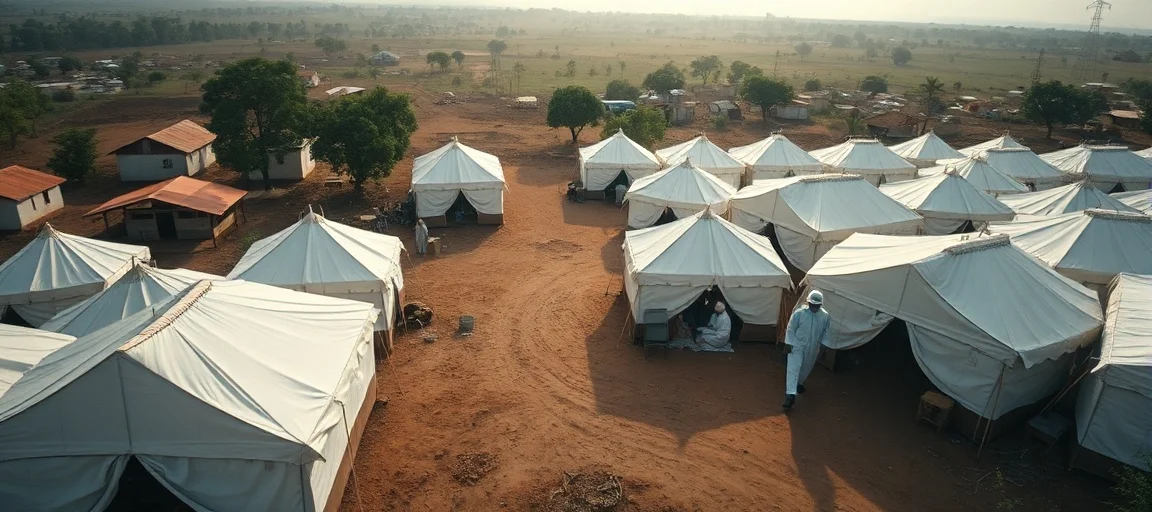
Doctors Without Borders (Médecins Sans Frontières - MSF) is also actively involved, mobilizing experienced medical, logistical, and support staff. MSF is launching a large-scale response in the DRC, dispatching thousands of sets of personal protective equipment (PPE), disinfectants, hygiene equipment, medicines, and medical equipment to affected areas like Fataki, Bunia, and Mongbwalu. They are setting up isolation wards and training medical staff, recognizing that community engagement is fundamental for the success of vaccination, testing, treatment units, and contact tracing efforts.
Economic and Social Repercussions
Beyond the immediate health crisis, the Ebola outbreak carries profound economic and social repercussions for the affected regions and potentially the entire African continent. The disease not only devastates human lives but also cripples economies and exacerbates existing vulnerabilities. Drawing insights from past Ebola epidemics, such as the devastating 2014-2016 West Africa outbreak, reveals the severe and multifaceted impact on national development and societal well-being.
Historically, Ebola outbreaks have led to a severe economic downturn, marked by significant losses in Gross Domestic Product (GDP). For instance, the 2014 epidemic resulted in Guinea, Liberia, and Sierra Leone losing an estimated 30 billion to $50 billion. The current outbreak, if not contained swiftly, risks similar economic devastation.
The economic impact manifests in several critical ways. Trade and transportation are often severely restricted, both domestically and internationally, disrupting supply chains and limiting the movement of goods and people. This inevitably leads to a decline in private sector growth and agricultural production, which are often the mainstays of local economies. Informal economic activities, which many depend on for their livelihoods, also suffer immensely during outbreaks. Mining activity, a key economic sector in some affected regions, decreases due to travel restrictions and loss of workers.
From a fiscal perspective, declining economic activity during an Ebola crisis reduces government revenues from taxes and tariffs, leading to increased budget deficits. This forces governments to divert essential development spending, meant for critical infrastructure like roads, energy, schools, and hospitals, towards emergency response efforts, which can have long-term negative impacts on societal progress. Household incomes plummet, poverty rates rise, and food insecurity becomes more prevalent as financial reserves are depleted.
Socially, the outbreak can reverse progress in human development, impacting health, education, and overall living standards. Quarantines and movement restrictions disproportionately affect the elderly, the poor, and individuals with chronic illnesses or disabilities. The closure of schools leads to a loss of education and increased risks of child labor and early pregnancies. Furthermore, those affected by Ebola or working on the frontlines often face severe stigmatization, which can weaken social cohesion and make community engagement even harder. The diversion of healthcare resources to Ebola response can also lead to increased mortality from other preventable and treatable diseases, as routine health services are disrupted.
Looking Ahead: Strengthening Preparedness and Global Solidarity
The current Ebola outbreak in Africa serves as a stark reminder of the world's continued vulnerability to rapidly spreading infectious diseases and the critical importance of robust global health security frameworks. The complexities of this emergency, stemming from the challenging Bundibugyo strain, persistent regional conflict, weak health infrastructures, and socio-economic vulnerabilities, demand sustained attention and comprehensive strategies beyond immediate crisis management.
Moving forward, strengthening preparedness systems must be a top priority for both affected nations and the international community. This involves investing in resilient national health systems, particularly at the primary healthcare level, to ensure early detection, rapid response, and effective management of future outbreaks. Key components include enhancing disease surveillance capabilities, establishing well-equipped laboratory networks, ensuring a trained and protected healthcare workforce, and improving logistical infrastructure to facilitate timely delivery of aid and medical services.
Cross-border collaboration is absolutely essential, especially in regions with high population mobility and porous borders. Regional coordination mechanisms, like those being facilitated by WHO and Africa CDC, must be strengthened and sustained to ensure harmonized surveillance, information sharing, and joint response strategies. The WHO's temporary recommendations to strengthen disease surveillance at points of entry and discourage non-essential travel to affected areas are crucial steps in this regard.
Furthermore, sustained financial contributions are vital to ensure that global health organizations, national governments, and humanitarian partners have the necessary resources to respond effectively without facing critical funding gaps. Shortfalls in funding, as noted in previous instances, can significantly weaken the systems meant to prevent and contain outbreaks, making smaller crises spiral into larger emergencies.
Crucially, community engagement remains the cornerstone of any successful public health intervention in such contexts. Building trust, addressing misinformation, and empowering local communities through their leaders and traditional structures are paramount for promoting adherence to public health measures, safe practices, and early care-seeking. This requires culturally sensitive communication strategies and a deep understanding of local contexts to overcome resistance and foster cooperation.
The ongoing research into vaccines and treatments specifically targeting the Bundibugyo strain is also a critical long-term investment. Accelerating the development and equitable deployment of such countermeasures will significantly enhance the world's ability to combat future outbreaks of this challenging variant.
Conclusion
The current situation in Africa, marked by a worsening Ebola outbreak of the Bundibugyo strain in the Democratic Republic of Congo and Uganda, underscores the fragile nature of global health security. The crisis is not merely a regional challenge but a stark reminder of our interconnected world, where local outbreaks can quickly escalate into international emergencies. While the complexities of conflict, weak infrastructure, and the lack of specific medical treatments present significant hurdles, the swift and coordinated response from the international community offers a beacon of hope. India's timely dispatch of urgent medical aid to Africa, coupled with diplomatic measures, exemplifies the critical role of global solidarity in combating such crises. This joint effort to support affected nations is crucial not only for containing the current outbreak but also for building more resilient health systems and fostering collective preparedness against future public health threats. It is a testament to the fact that effective containment and prevention demand a united front, where compassion and cooperation transcend geographical boundaries.
Frequently Asked Questions
Q: What makes this Ebola outbreak particularly concerning?
A: This outbreak is caused by the rare Bundibugyo strain, for which no approved vaccine or specific treatment currently exists. Its spread into conflict zones and urban centers further complicates containment efforts.
Q: How is India contributing to the Ebola response in Africa?
A: India has dispatched urgent medical supplies and protective kits to the Africa CDC and advised citizens against non-essential travel. It also postponed the India-Africa Forum Summit-IV, prioritizing public health.
Q: What are the main challenges in containing this outbreak?
A: Challenges include ongoing conflict, fragile healthcare systems, lack of a specific Bundibugyo vaccine, community mistrust, and resource scarcity, all of which hinder effective surveillance and intervention.