India's NEET-UG 2026 Exam Cancelled Amid Leak Scandal Rocks Nation
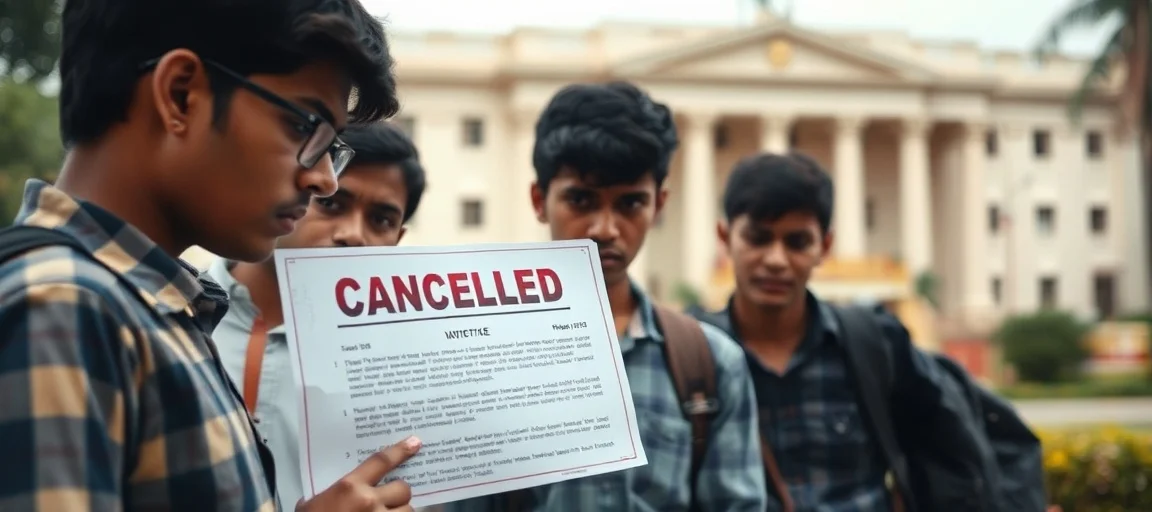
The academic landscape of India has been thrown into disarray as the highly anticipated National Eligibility cum Entrance Test (Undergraduate) 2026, widely known as NEET-UG 2026, has been officially cancelled. This momentous decision comes in the wake of a significant leak scandal that compromised the integrity of the crucial medical entrance examination, leaving millions of aspiring doctors grappling with uncertainty and despair. The India's NEET-UG 2026 Exam Cancelled Amid Leak Scandal has sent shockwaves across the country, highlighting deep-seated concerns about the fairness and security of competitive examinations that dictate the futures of countless young Indians.
Background to India's NEET-UG Exam
The National Eligibility cum Entrance Test (NEET-UG) stands as the single gateway for admissions to undergraduate medical courses (MBBS), dental courses (BDS), and other allied health sciences programmes across India. Instituted to streamline the admission process and ensure a uniform standard, NEET-UG is conducted annually by the National Testing Agency (NTA). Its introduction aimed to replace various state-level and private medical entrance examinations, thereby simplifying the application process for students and ensuring merit-based admissions nationwide.
The importance of NEET-UG cannot be overstated. For millions of students and their families, securing a high rank in this examination is the culmination of years of rigorous preparation, often involving expensive coaching classes and immense personal sacrifices. The sheer competitiveness of the exam, with over 2 million candidates typically vying for a limited number of seats, underscores the high stakes involved. Success in NEET-UG is not just about academic achievement; it is often viewed as a pathway to a secure future and a respected profession in Indian society. The exam's structure, difficulty, and the vast syllabus covering Physics, Chemistry, and Biology demand exceptional dedication and strategic preparation from aspirants across the nation.
The Unfolding of the Leak Scandal
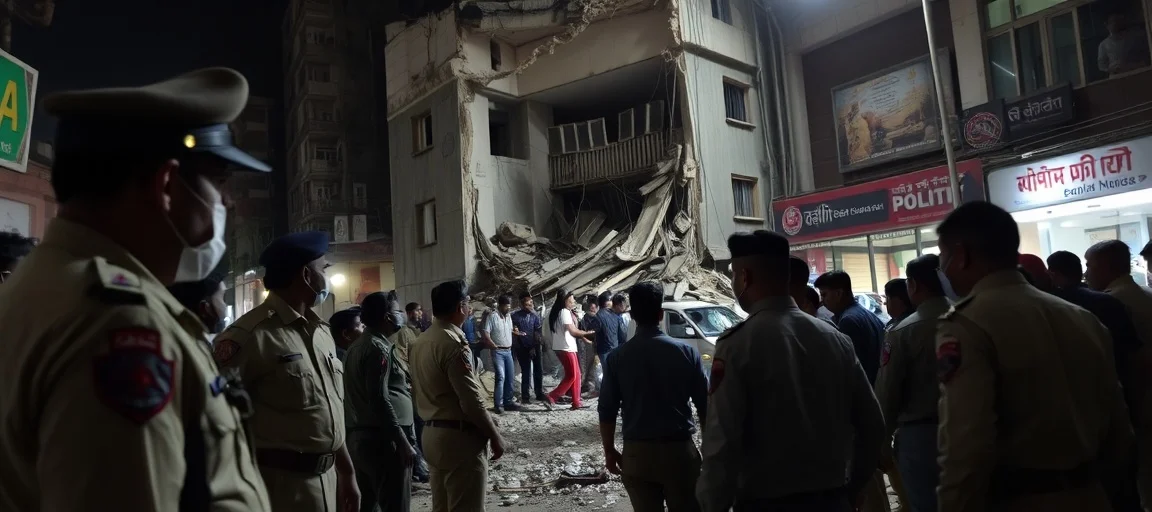
The first whispers of a potential leak began circulating mere hours after the NEET-UG 2026 examination was conducted. Reports initially emerged from certain regions, particularly in states like Bihar, Uttar Pradesh, and Rajasthan, suggesting that the question paper or parts of it were available on illicit channels prior to the exam. Social media platforms quickly became a hotbed of speculation, with screenshots and alleged copies of the paper circulating widely, fueling anxiety among students and parents. These initial reports were often dismissed as rumours or isolated incidents, common during high-stakes examinations.
However, the volume and consistency of these claims soon became too significant to ignore. Local law enforcement agencies, particularly in Bihar, began receiving formal complaints and initiated preliminary investigations. Evidence started to mount, indicating a sophisticated network involved in the alleged paper leak. It was reported that certain coaching centres and individuals were implicated in providing access to the question paper to a select group of students for substantial sums of money. The modus operandi reportedly involved sharing the question paper digitally or through physical copies at specific locations a day or even hours before the scheduled exam. The initial findings pointed towards an organized crime rather than a random, isolated incident.
As the scale of the alleged malpractice became clearer, public pressure mounted on the National Testing Agency (NTA) and the Union Ministry of Education to address the growing crisis. Student bodies and political opposition parties demanded immediate action and a transparent inquiry. The credibility of the entire examination process was called into question, leading to a nationwide debate on the sanctity of competitive exams in India. The unfolding scandal intensified daily, with new arrests and revelations painting a grim picture of systemic flaws.
India's NEET-UG 2026 Exam Cancelled Amid Leak Scandal: The Official Decision
In a move that reverberated across the nation, the Union Ministry of Education officially announced the cancellation of the NEET-UG 2026 examination. The decision, delivered after days of intense scrutiny and public outcry, was made by the NTA following an internal review and the preliminary findings of ongoing investigations. The Ministry stated that the cancellation was deemed necessary to uphold the sanctity of the examination process and ensure fairness for all deserving candidates. This decisive action underscores the gravity of the intelligence gathered regarding the widespread nature of the paper leak.
The official statement highlighted that while initial reports were being investigated, the conclusive evidence of a compromised examination environment left no other option but to nullify the results of the already conducted test. Education Minister, Mr. Dharmendra Pradhan, addressing a press conference, expressed regret over the inconvenience caused to students but emphasized that safeguarding the future of millions of honest aspirants was paramount. He stated that the government would not tolerate any malpractice that undermines the trust in India's education system. This unprecedented decision, although painful for many, was presented as a necessary step to restore faith and ensure that only genuinely meritorious students gain admission to prestigious medical colleges.
Government Response and Investigations
Immediately following the cancellation, the government initiated a high-level inquiry to unearth the full extent of the NEET-UG 2026 paper leak and bring the culprits to justice. A specialized task force, comprising officials from the Central Bureau of Investigation (CBI) and state police forces, was constituted to conduct a thorough and swift investigation. Multiple arrests have already been made across several states, including Bihar, Uttar Pradesh, and Jharkhand, where the alleged masterminds and facilitators of the leak are believed to have operated.
Early investigations have pointed towards a nexus involving unscrupulous individuals, examination centre staff, and coaching institute operators. The probe aims to trace the origin of the leak, identify all individuals and organizations involved, and dismantle the entire network responsible for compromising the examination. The government has assured the public that no stone will be left unturned in punishing those responsible, with stringent legal action promised under relevant sections of the law. Additionally, discussions are underway to review and strengthen the NTA's protocols for conducting secure examinations, including enhanced security measures for paper distribution, improved digital surveillance, and stricter vetting of examination personnel.
Impact on Students and Aspirants
The cancellation of the NEET-UG 2026 examination has unleashed a wave of distress and frustration among the approximately two million students who appeared for the test. Many aspirants had dedicated years to preparing for this highly competitive exam, often sacrificing social lives and personal comforts. The financial burden on families is also immense, with many investing heavily in coaching classes, study materials, and travel to examination centres. For students from economically disadvantaged backgrounds, this setback is particularly devastating, as it represents a significant loss of resources and a shattering of their dreams.
The emotional toll is perhaps the most significant. Students are experiencing acute stress, anxiety, and a sense of betrayal. Many have expressed feelings of hopelessness, questioning the fairness of a system they had implicitly trusted. The uncertainty surrounding a re-examination, including its format and timeline, only adds to their mental anguish. Parents, too, share in their children's distress, having witnessed their tireless efforts come to naught due to the actions of a few dishonest individuals. This incident threatens to erode the faith of an entire generation in the integrity of India's examination system and the meritocratic principles it purports to uphold.
Public Outcry and Calls for Reform
The cancellation has ignited widespread public outrage and fuelled calls for urgent, comprehensive reforms in the Indian education system. Student organizations, civil society groups, and parents have organized protests and demonstrations across major cities, demanding accountability from the NTA and the Ministry of Education. Social media campaigns have also gained traction, with hashtags calling for justice for NEET aspirants trending nationwide. The core demands include:
- Swift Justice: Punishing all individuals involved in the paper leak with the utmost severity.
- Transparent Inquiry: Ensuring that the investigation is thorough, impartial, and its findings are made public.
- Enhanced Security: Implementing foolproof mechanisms to prevent future leaks, including technological solutions and stricter administrative oversight.
- Support for Students: Providing clear communication and support mechanisms for affected students regarding the re-examination process.
- Systemic Overhaul: Reviewing the entire examination framework to prevent such incidents from recurring, possibly by exploring alternative examination models.
Political parties have also weighed in, with opposition leaders criticizing the government's handling of the situation and demanding greater transparency and accountability. The incident has become a significant point of national discussion, forcing a critical examination of the robustness and reliability of India's high-stakes examination system.
Looking Ahead: Re-examination and Systemic Changes
The immediate priority for the NTA and the Ministry of Education is to conduct a fair and secure re-examination for NEET-UG 2026. While official dates are yet to be announced, it is anticipated that a new examination schedule will be released shortly, allowing students adequate time to prepare. The re-examination is expected to incorporate significantly enhanced security measures, potentially including biometric verification, advanced surveillance at centres, and stricter protocols for handling question papers. There are also discussions about a 'cool-off' period before the new exam to allow students to psychologically regroup.
Beyond the immediate re-examination, the scandal has triggered a broader conversation about fundamental changes to India's examination system. Experts and educationists have suggested several long-term reforms:
- Diversification of Assessment: Exploring methods beyond a single high-stakes entrance exam, perhaps incorporating school-level performance, interviews, or multiple assessment components.
- Decentralization: Investigating whether a single national agency should be solely responsible for such a massive examination, or if a more decentralized model could offer greater security.
- Technological Solutions: Implementing more robust digital security features for question paper delivery and online examination options where feasible and secure.
- Legal Framework: Strengthening laws against examination malpractice with harsher penalties to deter future offenders.
- Ethical Training: Imparting ethical training to all personnel involved in the examination process, from paper setters to invigilators.
The government has indicated its commitment to undertaking necessary reforms to prevent similar incidents in the future, recognizing the profound impact such leaks have on the nation's youth and its educational integrity.
Conclusion
The unprecedented decision to cancel India's NEET-UG 2026 Exam Cancelled Amid Leak Scandal marks a dark chapter in the nation's educational history, yet it also presents a critical opportunity for introspection and reform. While the immediate aftermath has been characterized by widespread frustration and despair among millions of aspiring medical students, the government's firm action underscores a commitment to upholding the integrity of the examination system. The comprehensive investigations underway and the promise of systemic changes offer a glimmer of hope that lessons will be learned, and more robust mechanisms will be put in place to safeguard the future of competitive examinations in India. The path forward will undoubtedly be challenging, requiring transparent communication, efficient administration, and a collective resolve to ensure that merit truly triumphs in the pursuit of higher education.
Frequently Asked Questions
Q: Why was the NEET-UG 2026 exam cancelled?
A: The NEET-UG 2026 exam was cancelled due to a widespread paper leak scandal that compromised its integrity. This decision was made to ensure fairness for all aspirants and uphold trust in the examination process.
Q: How many students are affected by the cancellation?
A: Approximately two million students who appeared for the NEET-UG 2026 examination are affected by its cancellation. This includes all medical aspirants across India.
Q: What steps is the government taking to prevent future leaks?
A: The government has launched a high-level inquiry, constituted a special task force, and is reviewing the National Testing Agency's protocols. They plan to implement enhanced security measures, strengthen laws against malpractice, and explore systemic reforms.