Global Oil Crisis Deepens as US-Iran Tensions Soar: A Detailed Analysis
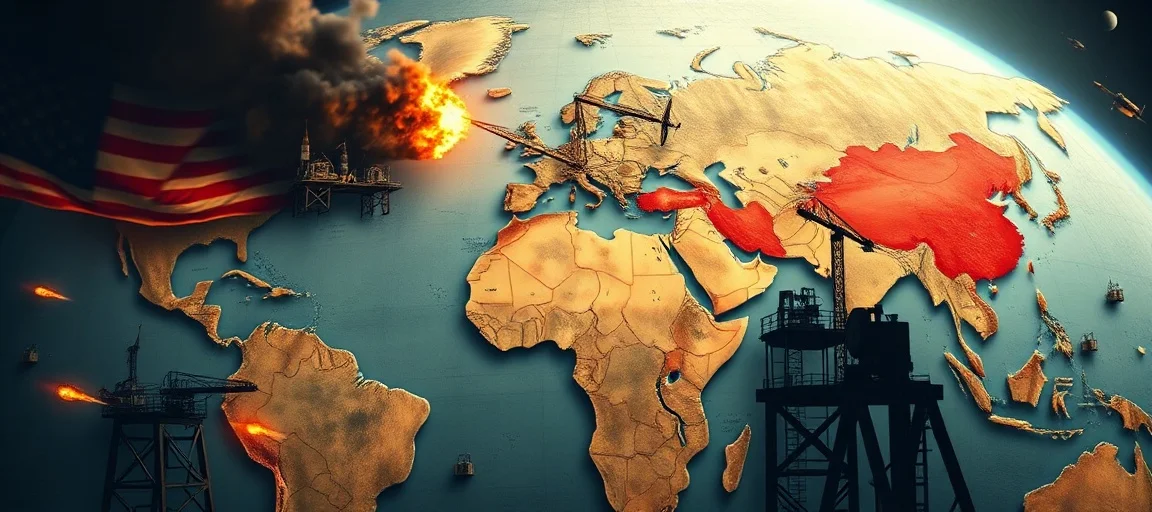
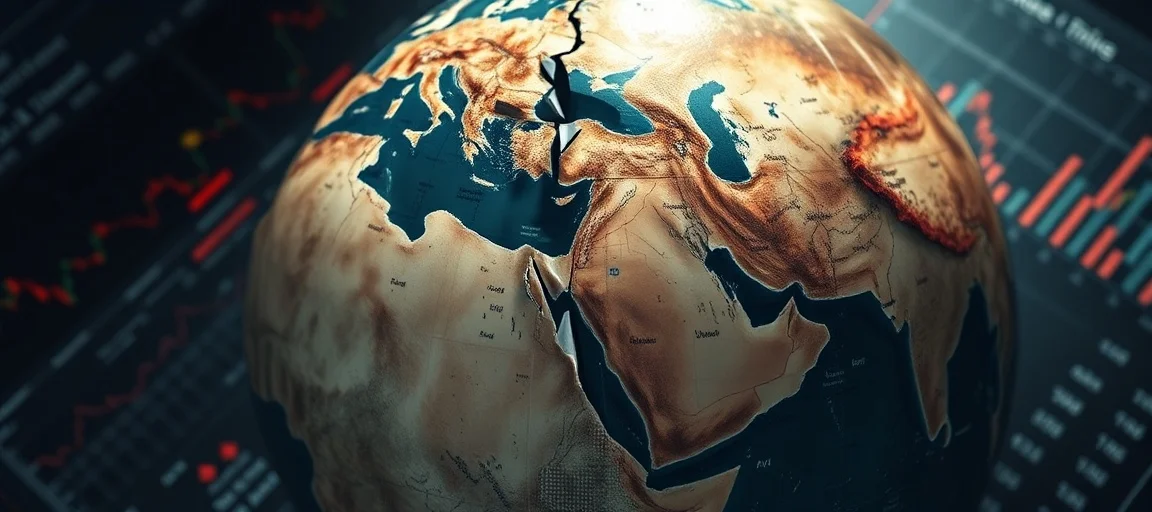
The world watches with bated breath as the global oil crisis deepens as US-Iran tensions soar, threatening not only economic stability but also regional and international peace. Escalating diplomatic friction, coupled with strategic maneuvers in vital waterways, has pushed crude oil prices to alarming levels, creating widespread apprehension among consumers and policymakers alike. This intricate web of geopolitical rivalry and economic vulnerability presents a significant challenge for the global energy landscape, making it crucial to understand the underlying factors and potential ramifications of this ongoing struggle. The global oil crisis is not merely a matter of price fluctuations but a complex interplay of politics, supply chains, and international relations, with the US-Iran tensions serving as a critical flashpoint that could significantly impact the future of energy security.
- Background to the Escalation
- Global Oil Market Instability: How the Global Oil Crisis Deepens as US-Iran Tensions Soar
- Diplomatic Maneuvers and International Responses
- Economic Fallout and Future Outlook
- Geopolitical Ramifications
- Expert Perspectives on the Crisis
- Conclusion: Navigating a Volatile Future
- Frequently Asked Questions
- Further Reading & Resources
Background to the Escalation
The current climate of heightened tension between the United States and Iran is a culmination of decades of strained relations, punctuated by periods of direct confrontation and diplomatic impasse. Understanding this historical context is vital to grasping the present complexities of the global oil crisis. Recent events, including renewed sanctions, naval incidents, and proxy conflicts, have further exacerbated the delicate balance in the Middle East, a region that remains central to global energy supplies. The strategic importance of this area, particularly its vast oil reserves and critical shipping lanes, means that any escalation here resonates globally.
Historical Context of US-Iran Relations
The relationship between the United States and Iran has been fraught with challenges since the 1979 Iranian Revolution, which saw the overthrow of the U.S.-backed Shah and the establishment of an Islamic Republic. This foundational shift initiated a period of deep mistrust and antagonism. Key milestones in this contentious history include the Iran hostage crisis, U.S. support for Iraq during the Iran-Iraq War, and successive rounds of international sanctions aimed at curbing Iran's nuclear program and regional influence. The U.S. imposed an embargo on Iranian oil in November 1979 following the seizure of the American Embassy by Iranian revolutionaries.
The 2015 Joint Comprehensive Plan of Action (JCPOA), often referred to as the Iran nuclear deal, offered a brief respite, lifting many international sanctions in exchange for limitations on Iran's nuclear activities. However, the U.S. withdrawal from the agreement in May 2018 under the Trump administration and the subsequent re-imposition of stringent sanctions reignited hostilities, pushing relations back to a confrontational footing. These sanctions have significantly impacted Iran's ability to export oil, a crucial component of its national revenue, thereby tightening global supply and contributing directly to the burgeoning oil crisis. The withdrawal from the JCPOA was viewed by some as damaging to the United States' credibility and isolating it from European allies.
The Strait of Hormuz: A Critical Chokepoint
Central to the geopolitical and oil market concerns is the Strait of Hormuz, a narrow waterway connecting the Persian Gulf to the open ocean. This strategic chokepoint is one of the world's most vital shipping lanes, through which approximately one-fifth of the world's total oil consumption, or about 20 million barrels per day, passed in 2025. The Strait's geographical significance cannot be overstated; its closure or disruption would have catastrophic consequences for global energy markets, sending oil prices skyrocketing and potentially triggering a worldwide economic recession. Saudi Arabia, the UAE, Kuwait, Qatar, Iraq, Bahrain, and Iran all rely on the Strait of Hormuz as their primary export route for oil.
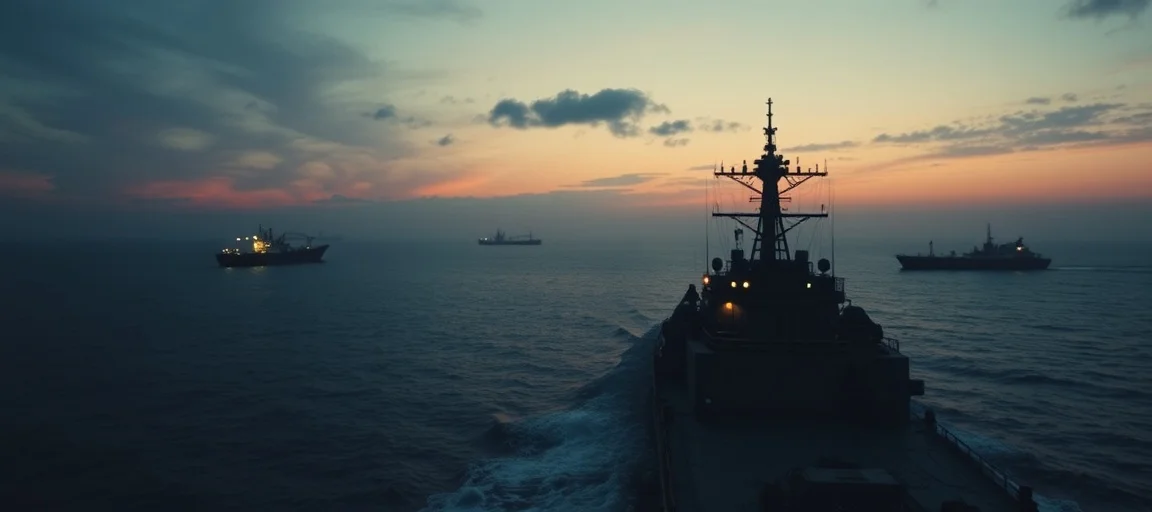
Iran has repeatedly threatened to close the Strait of Hormuz in response to sanctions or military pressure, viewing it as a powerful leverage point against its adversaries. Such threats, even if not fully realized, introduce immense uncertainty into the global oil supply chain, prompting oil companies to factor in higher risk premiums and contributing to price volatility. Recent reports in May 2026 indicate that the Strait of Hormuz has been largely blocked by Iran, with shipping traffic dropping significantly after military action began in February 2026. Some analysis suggests that Iran has shifted its stance from blocking the Strait to controlling access to it, making it a "controlled corridor". Crude oil shipments through the Strait were unlikely to reach pre-conflict levels until late 2026, with some oil production in the Middle East remaining disrupted over that period.
Global Oil Market Instability: How the Global Oil Crisis Deepens as US-Iran Tensions Soar
The intensifying rivalry between the United States and Iran has become a primary driver of instability in the global oil market. The constant threat of supply disruptions, coupled with reduced Iranian exports due to sanctions, directly contributes to price volatility and fuels the Global Oil Crisis Deepens as US-Iran Tensions Soar. This section delves into the mechanisms through which these geopolitical factors translate into tangible economic impacts worldwide.
Supply Disruptions and Price Volatility
The specter of supply disruptions originating from the Middle East is a perennial concern for oil markets. In the context of US-Iran tensions, this threat becomes particularly acute. Sanctions imposed on Iran have severely curtailed its oil exports, removing a significant volume of crude from the international market. This artificial reduction in supply, especially when global demand remains robust, inherently pushes prices upward. Moreover, any military incident, even a minor one, in the Persian Gulf or around the Strait of Hormuz can trigger immediate price spikes as traders react to the potential for further, more severe disruptions. Oil prices have recently climbed after President Trump rejected Iran's latest peace proposal, extending the Strait of Hormuz closure and tightening the global energy supply chain. Brent crude traded as high as $107.48 a barrel in April 2026, its highest level since a conditional ceasefire was agreed upon in early April.
Considerable evidence suggests that geopolitical risks are increasingly priced into crude oil futures. Analysts frequently adjust their forecasts based on developments in the region, with each new escalation between Washington and Tehran sending ripples through commodity exchanges. For instance, reports of naval exercises, drone incidents, or even harsh diplomatic rhetoric can lead to speculative buying, further inflating prices. The market's sensitivity to these events highlights the precariousness of the current situation and the deep interdependence between geopolitics and energy economics. Global oil supply plummeted by 10.1 million barrels per day (mb/d) in March 2026, with ongoing restrictions to tanker movements through the Strait of Hormuz leading to the largest disruption in history.
Impact on Major Economies
The ripple effects of rising oil prices are felt across the globe, impacting both developed and developing economies. Major oil-importing nations, such as China, India, Japan, and the European Union, are particularly vulnerable. Asian countries collectively receive 89.2% of the crude oil and condensate that transit the Strait of Hormuz, with China alone accounting for 37.7%. Higher crude costs translate into increased expenses for transportation, manufacturing, and energy generation, ultimately filtering down to consumers through higher fuel prices, increased utility bills, and inflated costs for goods and services. This inflationary pressure can stifle economic growth, reduce consumer spending, and potentially trigger recessions. If Brent prices remain elevated through mid-2026, global GDP growth for the first half of the year could be depressed by an annual rate of 0.6%.
Developing economies, often less resilient to external shocks and more dependent on imported energy, face even greater challenges. For these nations, rising oil prices can exacerbate balance-of-payments issues, deplete foreign exchange reserves, and divert funds from essential public services. The International Monetary Fund (IMF) and other global financial institutions have repeatedly warned about the detrimental impact of sustained high oil prices on global economic recovery and stability, especially in a post-pandemic world still grappling with economic headwinds. Energy security becomes a paramount concern, prompting nations to seek alternative supply sources or accelerate transitions to renewable energy, though these shifts often require long-term investments that do not offer immediate relief. The U.S. economy, despite being the world's largest, is also more oil-intensive than most major economies, making it vulnerable to price and supply shocks.
Diplomatic Maneuvers and International Responses
Amidst the escalating tensions and deepening global oil crisis, diplomatic efforts and international responses become crucial in managing the volatility and seeking avenues for de-escalation. The international community grapples with balancing the need to address Iran's nuclear ambitions and regional actions with the imperative of maintaining stability in global energy markets.
Role of International Organizations
International organizations such as the United Nations (UN), the International Atomic Energy Agency (IAEA), and OPEC+ play significant roles in attempting to mediate the crisis and mitigate its broader impacts. The UN often serves as a forum for dialogue, though its ability to enforce resolutions or broker lasting peace deals between the U.S. and Iran has been limited. The IAEA, as the nuclear watchdog, continues to monitor Iran's nuclear program, providing crucial technical assessments that inform international policy and sanctions regimes. Its reports are vital in understanding Iran's compliance, or lack thereof, with international non-proliferation agreements, which directly influences the severity of sanctions and thus, the oil market.
OPEC+, a coalition of oil-producing countries including OPEC members and other major exporters like Russia, holds considerable sway over global crude supply. Their decisions on production quotas directly impact market prices and can either exacerbate or alleviate the oil crisis. In times of heightened tension, there is increased pressure on OPEC+ to ensure adequate supply to prevent prices from spiraling out of control. A study published in the Commodity Insights Digest suggests that OPEC+ interventions cut oil price volatility nearly in half during major global crises between 2017 and 2024. However, the organization's internal dynamics and political allegiances, particularly with key members like Saudi Arabia and Russia having their own complex relationships with both the U.S. and Iran, can complicate a unified response. Some OPEC+ members, particularly in the Gulf, have not been able to meet their quotas since the Iran war started due to the Hormuz blockades.
Regional Allies and Adversaries
The US-Iran confrontation is not confined to a bilateral dynamic; it deeply involves a network of regional allies and adversaries, further complicating any resolution. Saudi Arabia and Israel, key U.S. allies in the Middle East, view Iran as a primary threat to regional stability due to its nuclear program, ballistic missile development, and support for proxy groups. These nations often advocate for stronger international pressure and sanctions against Iran, aligning with U.S. hardline policies. Their security concerns are intrinsically linked to the broader geopolitical climate, and any military escalation could quickly draw them into the conflict.
Conversely, countries like Iraq, Qatar, and Oman, which share borders or maritime routes with Iran, find themselves in a delicate balancing act. While often aligned with Western interests, they must also maintain pragmatic relations with their powerful neighbor. Their economic well-being is often tied to regional stability and the unimpeded flow of oil and gas. For instance, Iraq and Pakistan have recently made deals with Iran to ship oil and LNG through the Gulf, demonstrating Iran's ability to control energy flows through the Strait of Hormuz, especially after the U.S. blockaded Iranian ports. Therefore, these nations frequently advocate for diplomatic solutions and de-escalation to protect their own security and economic interests, often playing a quiet mediating role when tensions peak. The intricate web of alliances and rivalries ensures that the US-Iran dynamic remains a regional powder keg with global implications.
Economic Fallout and Future Outlook
The deepening global oil crisis stemming from US-Iran tensions presents a challenging economic outlook for the foreseeable future. The combination of sustained high energy costs and geopolitical uncertainty is likely to have pervasive effects on consumer behavior, investment decisions, and global economic growth. Navigating this landscape will require concerted international effort and adaptable national policies.
Consumer Impact and Energy Security
The most immediate and tangible effect of the global oil crisis on the average person is felt at the fuel pump and in household energy bills. Higher crude oil prices translate directly into increased costs for gasoline, diesel, and heating oil, eroding consumer purchasing power and leading to inflationary pressures across various sectors. Businesses, particularly those reliant on transportation and manufacturing, face higher operational costs, which are often passed on to consumers in the form of increased prices for goods and services. This can lead to a slowdown in economic activity as discretionary spending declines. A rule of thumb suggests that a 5% increase in oil prices leads to a 0.1% increase in inflation, meaning a 50% increase could add about 1% to the inflation rate.
Moreover, the crisis underscores critical questions about energy security for many nations. Countries heavily dependent on oil imports are compelled to reassess their energy strategies, seeking ways to diversify supply sources, invest in strategic petroleum reserves, and accelerate the transition to renewable energy. While the long-term goal of energy independence from fossil fuels remains, the immediate challenge lies in securing stable and affordable energy supplies amidst geopolitical turbulence. Governments may consider subsidies or tax relief measures to cushion the blow for consumers, but such interventions often come with fiscal costs. The U.S. economy, despite being the world's largest, is also more oil-intensive than most major economies, making it vulnerable to price and supply shocks.
Geopolitical Ramifications
Beyond the immediate economic impact, the continued US-Iran tensions and the resulting oil crisis carry significant geopolitical ramifications. The instability in a region critical to global energy supplies fuels an ongoing arms race and reinforces existing alliances and rivalries. It places significant pressure on diplomatic channels, testing the effectiveness of international cooperation and multilateral institutions. The crisis also highlights the vulnerabilities of a globalized economy that remains heavily reliant on fossil fuels and the political stability of volatile regions.
The situation could lead to shifts in global power dynamics, as nations re-evaluate their geopolitical alignments based on energy security needs. It may also accelerate the decoupling of economies and the formation of new trade blocs, particularly around energy resources. The potential for miscalculation or unintended escalation between the U.S. and Iran remains a grave concern, with any military confrontation having the potential to trigger a broader regional conflict, further disrupting oil flows and creating a humanitarian crisis. The protracted nature of these tensions suggests that the energy market will continue to be a battleground where political and economic interests collide.
Expert Perspectives on the Crisis
To fully understand the gravity of the current situation, it is imperative to consider the insights of leading analysts and think tanks specializing in energy markets and international relations. Their expert opinions shed light on the potential trajectories of the US-Iran conflict and its long-term implications for the global oil sector.
Views from Analysts and Think Tanks
Many energy market analysts agree that the geopolitical risk premium in oil prices is currently significant. According to energy expert Jason Bordoff, the global oil market is now facing "the largest supply disruption we've ever seen in history" due to Iran's blockade of the Strait of Hormuz. The market is not just reacting to current supply-demand fundamentals but is heavily discounting the potential for major disruptions in the Persian Gulf. Any perceived escalation, however minor, sends ripples through futures contracts, making prices inherently volatile.
Furthermore, geopolitical strategists from institutions like the Council on Foreign Relations emphasize the complex interplay between nuclear negotiations, regional proxy conflicts, and oil politics. They note that the US-Iran standoff is a multi-layered chess game, where oil is a major piece but intertwined with issues of nuclear proliferation, regional hegemony, and internal political stability within both nations. A lasting resolution to the oil crisis is contingent upon a broader diplomatic breakthrough that addresses these underlying grievances, which appears challenging in the current climate.
Analysts also point to the long-term implications for investment in the energy sector. Persistent instability could deter major investments in new oil production capacity, potentially creating supply shortfalls in the future even if current tensions de-escalate. Moreover, the emphasis on energy security in light of these tensions could accelerate investments in renewable energy technologies as nations seek to reduce their vulnerability to geopolitical shocks, although this transition faces its own set of economic and logistical challenges. The consensus among experts is that the global energy landscape is undergoing a profound transformation, with US-Iran tensions serving as a catalyst for both immediate volatility and long-term strategic reorientations. Some analysts, however, still maintain a bearish forecast for Brent crude, expecting it to average around $60/bbl in 2026, despite recent spikes, due to soft supply-demand fundamentals.
Conclusion: Navigating a Volatile Future
The current geopolitical landscape, marked by the persistent and intensifying tensions between the United States and Iran, has undeniably contributed to a deepening global oil crisis. This complex interplay of political rivalry, economic sanctions, and the strategic importance of the Middle East's energy resources has pushed crude oil prices to elevated levels and introduced significant volatility into international markets. The repercussions are far-reaching, impacting major economies through inflationary pressures and raising critical questions about global energy security.
As the Global Oil Crisis Deepens as US-Iran Tensions Soar, the path forward remains fraught with uncertainty. While diplomatic efforts continue to seek de-escalation, the fundamental disagreements and historical grievances between the two nations present formidable obstacles. The world watches closely, understanding that a misstep could have catastrophic consequences, not only for oil markets but for regional stability and global peace. Addressing this crisis requires a multifaceted approach involving sustained diplomacy, a careful balancing of international interests, and a collective commitment to ensuring the security of vital energy routes. The enduring challenge will be to navigate this volatile future while striving for both energy security and geopolitical stability.
Frequently Asked Questions
Q: What is driving the current global oil crisis?
A: The global oil crisis is primarily driven by escalating US-Iran tensions, leading to supply disruptions from the Middle East and reduced Iranian oil exports due to sanctions. This geopolitical instability fuels price volatility and raises global energy security concerns.
Q: How does the Strait of Hormuz contribute to oil market instability?
A: The Strait of Hormuz is a critical chokepoint through which a significant portion of the world's oil transits. Threats or disruptions to this waterway, often from Iran in response to sanctions, introduce immense uncertainty, increase risk premiums, and cause immediate price spikes in global oil markets.
Q: What are the economic impacts of rising oil prices on major economies?
A: Rising oil prices lead to increased costs for transportation, manufacturing, and energy, translating to higher consumer prices for fuel and goods. This inflationary pressure can stifle economic growth, reduce consumer spending, and potentially trigger recessions, particularly in oil-importing nations.