US-Iran War Escalates: Tanker Hit, New Sanctions Deepen Tensions
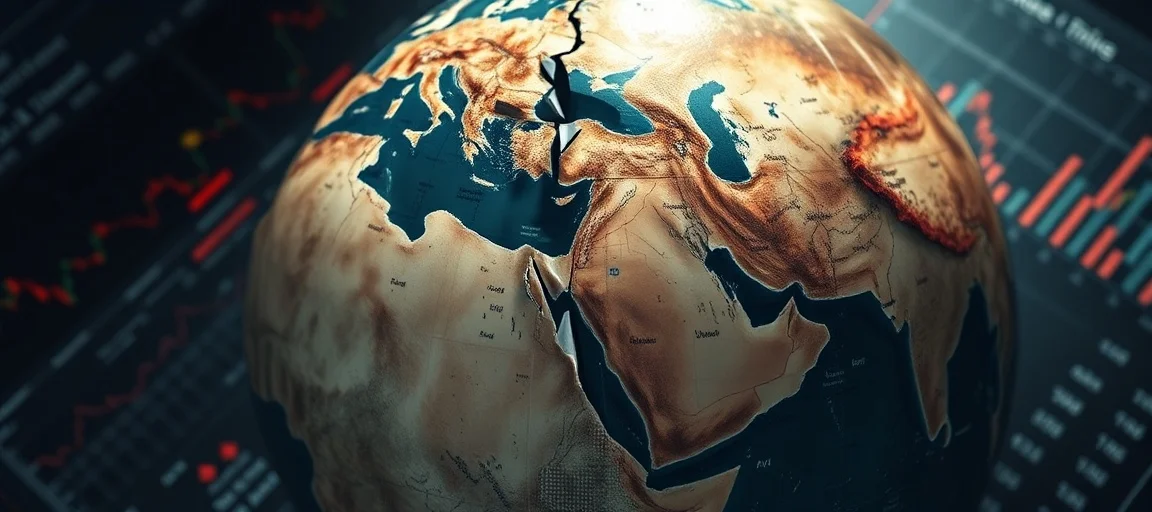
The already fraught relationship between the United States and Iran has taken a perilous turn, thrusting the region closer to open conflict. Recent developments, including a significant tanker hit in the Strait of Hormuz and a fresh wave of economic punitive measures from Washington, underscore how the US-Iran War Escalates: Tanker Hit, New Sanctions are deepening an already volatile standoff. These critical events have ignited alarm across international capitals, prompting urgent calls for de-escalation as global stability hangs in the balance.
- Background Context: A History of Hostilities
- The Tanker Attack: A Dangerous Precedent
- New Sanctions Imposed: Economic Pressure Intensifies
- International Reactions and Diplomacy
- US and Iranian Stances
- The Path Forward: De-escalation Amidst US-Iran War Escalation
- Conclusion
- Frequently Asked Questions
- Further Reading & Resources
Background Context: A History of Hostilities
The current escalation is not an isolated incident but rather the latest chapter in decades of complex and often adversarial relations between the United States and Iran. Following the 1979 Iranian Revolution, the two nations severed diplomatic ties, setting the stage for a prolonged period of mistrust and indirect confrontation. Key flashpoints over the years have included the Iran-Iraq War, concerns over Iran's nuclear program, and regional proxy conflicts.
A significant shift occurred when the U.S. withdrew from the Joint Comprehensive Plan of Action (JCPOA), commonly known as the Iran nuclear deal, in 2018. This decision by the previous U.S. administration re-imposed stringent sanctions on Iran's economy, particularly targeting its vital oil exports. Iran, in response, gradually began to roll back its commitments under the nuclear agreement, leading to a cycle of escalating tensions and retaliatory measures. This period has been characterized by increased military posturing, cyberattacks, and shadow operations in the Persian Gulf and wider Middle East. The ongoing rivalry often plays out through regional proxies, exacerbating instability in countries like Yemen, Syria, and Iraq. The historical context of mutual suspicion and strategic competition forms the bedrock upon which current events are unfolding, making any resolution particularly challenging.
The Tanker Attack: A Dangerous Precedent
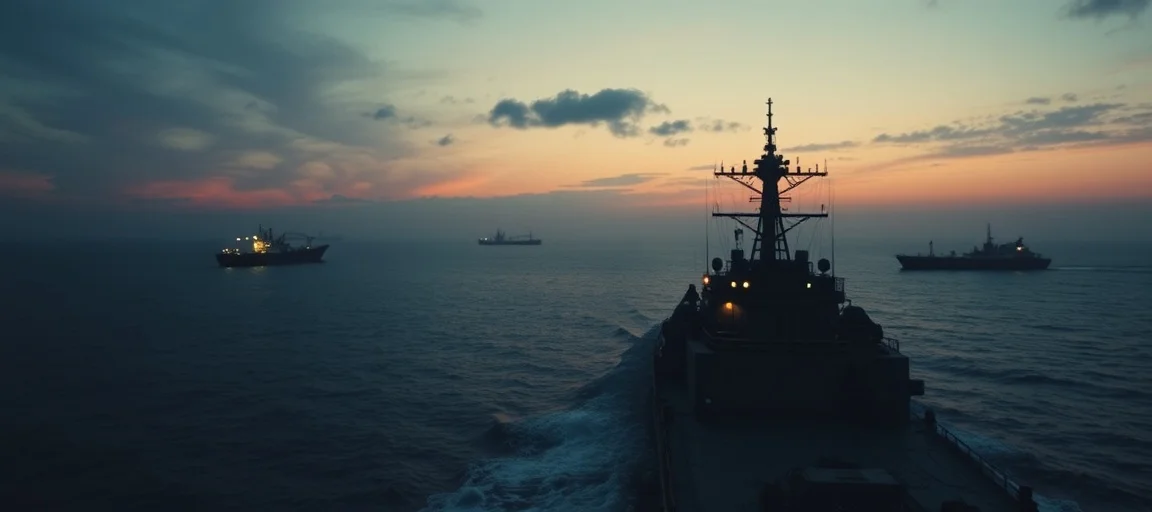
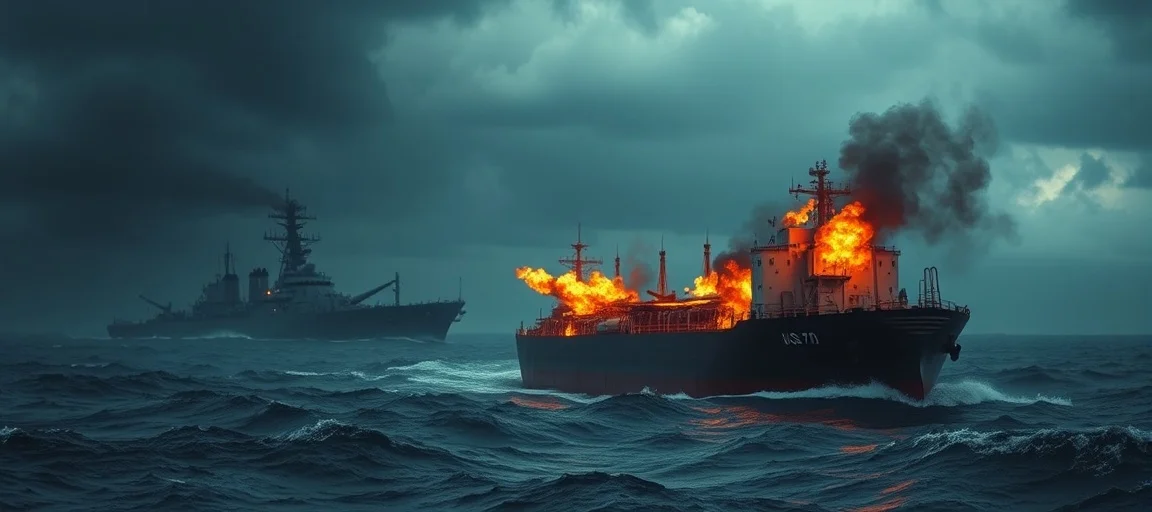
A major catalyst for the current surge in tensions was the recent attack on the MV Fortune’s Tide, a Liberian-flagged oil tanker transiting the Strait of Hormuz. Reports indicate the vessel sustained significant damage after being struck by an unidentified projectile or mine, leading to a fire and a substantial oil spill. While the crew was successfully evacuated, the incident immediately triggered widespread international condemnation and heightened fears of maritime insecurity in one of the world's most critical shipping lanes.
The Strait of Hormuz, a narrow choke point between the Persian Gulf and the Gulf of Oman, is essential for global oil trade, with roughly one-fifth of the world’s petroleum transiting its waters daily. Any disruption here has immediate and far-reaching implications for global energy markets and international shipping. Previous incidents involving commercial vessels in these waters have consistently been attributed, by Western powers, to Iranian-backed actors or the Islamic Revolutionary Guard Corps (IRGC), though Tehran consistently denies direct involvement. The strategic importance of the Strait amplifies the severity of any attack, turning a singular incident into a global concern.
Investigation and Blame
Following the attack on the Fortune’s Tide, an immediate investigation was launched by an international maritime task force. Preliminary findings, as reported by U.S. intelligence officials, pointed towards Iran as the perpetrator. These assessments cited similarities to previous attacks, including the type of ordnance used and the operational methodology. However, Iranian authorities vehemently denied any responsibility, instead accusing the United States and its allies of engaging in "false flag" operations designed to justify further aggressive actions against the Islamic Republic.
The exact nature of the weapon used remains a subject of ongoing inquiry, with some experts suggesting the possibility of limpet mines or drone strikes, which have been observed in past incidents in the region. Despite the lack of definitive, independently verifiable proof presented publicly, the U.S. government quickly moved to assign culpability to Iran, using the incident as justification for its subsequent policy decisions. This immediate attribution, while consistent with prior U.S. assessments, further fueled the cycle of accusations and denials, making diplomatic resolution increasingly difficult and cementing the perception of a deliberate escalation.
New Sanctions Imposed: Economic Pressure Intensifies
In direct response to the tanker incident, and citing Iran's continued destabilizing actions in the region, the U.S. Treasury Department announced a fresh round of comprehensive sanctions targeting key sectors of the Iranian economy. These new measures primarily focused on Iran's petrochemical industry, a crucial non-oil revenue source, and individuals within the IRGC's financial networks. The U.S. administration stated that these sanctions are intended to further restrict Tehran's ability to fund its nuclear program, ballistic missile development, and support for regional proxy groups.
The sanctions aim to deter foreign companies from doing business with designated Iranian entities, threatening secondary sanctions against any firm or nation that violates the new restrictions. This broad approach seeks to isolate Iran financially and economically, pushing its leadership to reconsider its policies. U.S. officials reiterated that the "maximum pressure" campaign remains in full effect, asserting that economic strangulation is the most effective way to compel a change in Iranian behavior without resorting to military conflict. The imposition of these sanctions highlights a long-standing U.S. strategy of economic coercion, designed to force a shift in Tehran's regional and nuclear ambitions.
Economic Repercussions
The impact of these new sanctions is expected to be significant, exacerbating Iran's already struggling economy. Previous rounds of U.S. sanctions have severely crippled Iran's oil exports, leading to high inflation, currency depreciation, and widespread public discontent. The targeting of the petrochemical industry is particularly damaging, as it represents one of Iran's few remaining avenues for generating substantial foreign currency revenues. This sector has historically provided a lifeline for the Iranian economy, offsetting some of the losses from reduced oil sales.
Analysts predict that these measures will further constrict Iran's access to international financial systems, making it even harder for the country to import essential goods, including medicines and food. While the sanctions are designed to pressure the regime, critics argue that they disproportionately affect the Iranian populace, potentially fueling greater anti-American sentiment and hardening the regime's stance rather than promoting de-escalation. The economic hardship could also lead to renewed domestic protests, posing an internal challenge to the Iranian government and creating further instability within the country.
International Reactions and Diplomacy
The escalating tensions and the latest developments have prompted a flurry of reactions from the international community. European nations, particularly those still committed to the JCPOA, expressed deep concern over the tanker attack and the U.S.'s unilateral imposition of new sanctions. They urged both Washington and Tehran to exercise restraint and engage in constructive dialogue to prevent a full-blown regional conflict. Germany, France, and the UK reaffirmed their commitment to preserving the nuclear deal but acknowledged the increasing difficulty in doing so amidst rising hostility.
Russia and China, both permanent members of the UN Security Council and often critical of U.S. foreign policy, condemned the new sanctions as counterproductive. They called for a multilateral approach to regional security and warned against actions that could destabilize the Middle East further. Both nations have significant economic and strategic ties with Iran and have often served as diplomatic partners for Tehran on the international stage, consistently advocating for diplomatic solutions over unilateral pressure.
Regional Implications
Regional powers have reacted with a mix of alarm and strategic maneuvering. Saudi Arabia and the United Arab Emirates, key U.S. allies and long-standing rivals of Iran, expressed support for the U.S. efforts to counter Iranian aggression. They reiterated their concerns about Iran's regional influence and its ballistic missile program. However, even these nations are wary of an outright military conflict that could devastate their own economies and stability, understanding the potential for widespread disruption to trade and security.
Other regional actors, such as Iraq and Qatar, which maintain more complex relationships with both the U.S. and Iran, have called for calm and diplomatic engagement. They fear that any military confrontation would inevitably spill over their borders, leading to widespread suffering and disrupting their own nascent efforts at recovery and stability. The potential for miscalculation in this highly charged environment is a constant worry for all stakeholders in the Middle East, underscoring the interconnectedness of regional security.
US and Iranian Stances
The official rhetoric from both the United States and Iran remains firmly entrenched in their respective positions, leaving little room for immediate compromise. U.S. officials, including the Secretary of State and the National Security Advisor, have repeatedly stated that Iran must cease its "malign activities" in the region, including support for proxy groups and its nuclear enrichment program, before any sanctions relief or diplomatic engagement can occur. They emphasize that the U.S. will protect its interests and its allies, and that all options remain on the table.
Conversely, Iranian leaders have characterized the new sanctions as an act of "economic warfare" and a violation of international law. They assert their right to self-defense and warn against any military aggression, vowing a "crushing response" to any attack on Iranian soil or assets. Iran has consistently called for the U.S. to lift all sanctions and return to the JCPOA as a prerequisite for any meaningful negotiations. Supreme Leader Ayatollah Ali Khamenei has publicly declared that there will be no talks with the U.S. under pressure, asserting that dialogue under such conditions would be tantamount to surrender and a capitulation to external dictates.
The Path Forward: De-escalation Amidst US-Iran War Escalation
The current trajectory, where the US-Iran War Escalates: Tanker Hit, New Sanctions mark significant turning points, presents a critical dilemma for international diplomacy. The immediate future appears fraught with uncertainty, balancing on the edge of further escalation or a difficult path towards de-escalation. One potential avenue for calming tensions involves back-channel communications, possibly facilitated by neutral third parties like Oman or Switzerland, to establish a framework for dialogue. Such discussions would likely focus on maritime security in the Persian Gulf and a mutual reduction of military activities.
However, the deep mistrust between Washington and Tehran, coupled with domestic political pressures in both countries, makes direct negotiations immensely challenging. The U.S. is unlikely to lift sanctions without significant concessions from Iran, while Iran views sanctions relief as a non-negotiable precursor to any substantive talks. The risk of miscalculation remains high, particularly in the crowded waterways of the Gulf, where a single incident could rapidly spiral out of control into a wider military confrontation, with devastating consequences.
Another critical factor is the upcoming U.S. presidential election. The stance of the next administration could significantly alter the diplomatic landscape. A new administration might seek to revive elements of the JCPOA or pursue a more confrontational approach, depending on its foreign policy priorities. Similarly, internal power dynamics within Iran, particularly surrounding the succession of leadership, could also influence Tehran's willingness to engage in dialogue, adding another layer of complexity to an already intricate geopolitical situation.
Conclusion
The situation in the Middle East remains incredibly tense, with the recent tanker attack and the imposition of new U.S. sanctions pushing the US-Iran War Escalates: Tanker Hit, New Sanctions narrative to its most perilous point in years. The deepening economic pressure on Iran and the heightened military presence in the Gulf create a dangerous environment ripe for miscalculation. While international calls for de-escalation are growing louder, a clear diplomatic off-ramp remains elusive. The world watches anxiously as Washington and Tehran navigate this fraught period, hoping that restraint and dialogue can ultimately prevail over the specter of widespread conflict. The consequences of further escalation would be catastrophic for the region and reverberate across the global stage, impacting energy markets, international trade, and the broader framework of global security.
Frequently Asked Questions
Q: What prompted the latest escalation between the US and Iran?
A: The primary catalysts for the recent surge in tensions were the attack on the MV Fortune’s Tide, an oil tanker in the Strait of Hormuz, and the subsequent imposition of new economic sanctions by the U.S. Treasury Department targeting Iran's petrochemical industry. These events deepened an already volatile standoff.
Q: What is the significance of the Strait of Hormuz in this conflict?
A: The Strait of Hormuz is a critically important global shipping lane, through which approximately one-fifth of the world's petroleum supply transits daily. Any disruption or attack in this narrow choke point has immediate and severe implications for global energy markets and international maritime security.
Q: What are the main impacts of the new U.S. sanctions on Iran?
A: The latest U.S. sanctions primarily target Iran's vital petrochemical sector, intensifying economic pressure on the nation. These measures are expected to further cripple Iran’s already struggling economy, exacerbating high inflation, currency depreciation, and limiting its ability to fund its programs and import essential goods.