SEA Seafood Crisis: Middle East Conflict Hikes Fuel Costs
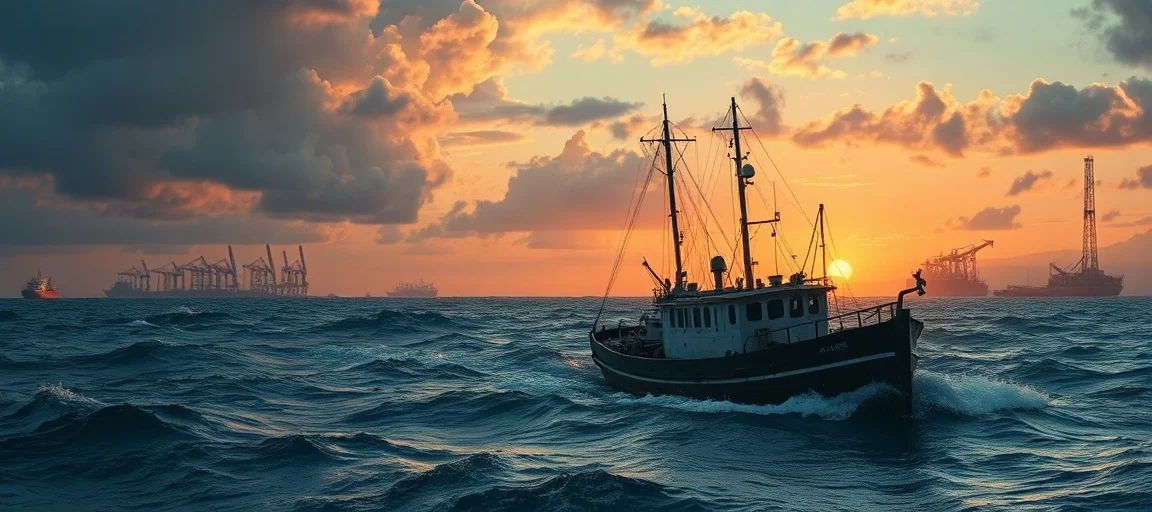
The ripple effects of geopolitical instability in the Middle East are once again demonstrating their far-reaching global impact, particularly on vital industries far from the conflict zones. An escalating SEA Seafood Crisis: Middle East Conflict Hikes Fuel Costs is now gripping Southeast Asia, severely threatening the livelihoods of millions dependent on the fishing sector and pushing seafood prices to unprecedented levels for consumers. This crisis underscores the interconnectedness of global economics, where regional tensions can quickly translate into significant economic hardship across continents. The situation has intensified operational costs for fishing fleets, leading to reduced catches and a looming threat to food security in a region where seafood is a primary protein source.
- The Geopolitical Storm: Middle East Tensions and Global Energy Prices
- Understanding the SEA Seafood Crisis: Middle East Conflict Hikes Fuel Costs
- Expert Opinion and Industry Perspectives
- Broader Impact and Global Supply Chain Disruptions
- Mitigation Strategies and Future Outlook
- Conclusion: Navigating the Turbulent Waters Ahead
- Frequently Asked Questions
- Further Reading & Resources
The Geopolitical Storm: Middle East Tensions and Global Energy Prices
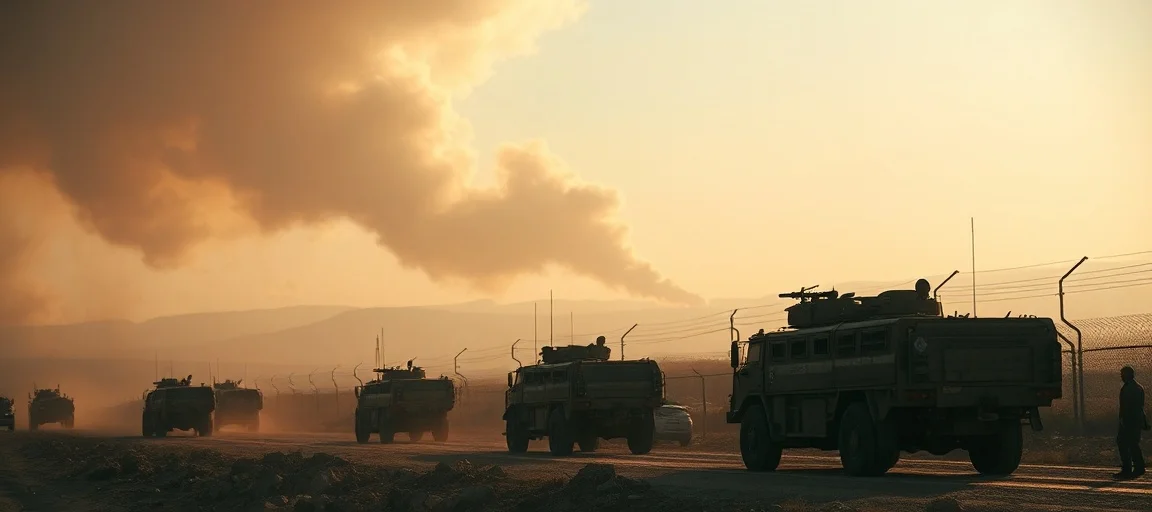
The Middle East, a pivotal region for global oil production and transit, has seen a resurgence of tensions and conflicts in recent years. These events consistently destabilize international energy markets, causing crude oil prices to surge. When supply lines through critical chokepoints like the Strait of Hormuz or the Red Sea are threatened, even implicitly, the market reacts with immediate price hikes due to supply chain anxieties and increased insurance premiums for shipping.
Escalating Conflicts and Maritime Disruptions
Recent analyses indicate that various ongoing conflicts, coupled with heightened piracy and drone attacks on shipping in key maritime corridors, have directly contributed to a significant increase in crude oil prices over the past year. Shipping companies are now frequently rerouting vessels to avoid volatile areas, adding thousands of miles and many days to voyages. This significantly increases transit times and, crucially, fuel consumption for cargo ships carrying everything from manufactured goods to essential commodities. For instance, diversions around the Cape of Good Hope instead of using the Suez Canal can add 10-14 days and considerably more fuel expenses for ships traveling between Asia and Europe or North America.
Impact on Global Fuel Markets
The cascading effect of these reroutings and increased geopolitical risk translates into higher bunkering fuel costs for all maritime transport, including fishing fleets. Refineries, facing higher crude oil prices and increased demand from longer shipping routes, pass these costs onto consumers and industries alike. This creates a volatile and unpredictable environment for sectors heavily reliant on fuel, such as the fishing industry. Global fuel benchmarks have seen consistent upward pressure, with analysts predicting sustained high prices as long as the Middle East remains a hotbed of conflict.
Understanding the SEA Seafood Crisis: Middle East Conflict Hikes Fuel Costs
Southeast Asia's fishing industry, a cornerstone of its economy and a vital food source, is particularly vulnerable to fluctuations in global fuel prices. The region boasts some of the world's most productive fishing grounds, supporting millions of artisanal and commercial fishers across nations like Thailand, Vietnam, Indonesia, the Philippines, and Malaysia.
Rising Operational Costs for Fishing Fleets
Fishing vessels, from small traditional boats to large commercial trawlers, rely almost entirely on diesel fuel for propulsion, refrigeration, and onboard operations. When fuel prices surge, their operational costs skyrocket. A fisherman who previously spent 30% of his daily revenue on fuel might now see that figure climb to 50% or even 70%. This severely Erodes profit margins, making fishing increasingly unsustainable for many, especially those operating on thin margins. Data from regional fisheries organizations show an average increase of 40-60% in fuel expenditures for fishing boats in the last 12 months, directly attributable to the global energy market instability.
Reduced Fishing Trips and Catches
Faced with prohibitive fuel costs, many fishermen are forced to reduce the frequency and duration of their fishing trips. Some smaller operators might even anchor their boats indefinitely, unable to afford the cost of setting sail. This directly leads to a decrease in the overall volume of fish caught and brought to market. Reports from fishing ports across the region indicate a significant drop in daily landings, with some areas reporting up to a 30% reduction in fresh seafood availability compared to pre-crisis levels. The scarcity of fish, a direct consequence of reduced fishing activity, further exacerbates the crisis.
Economic Strain on Fishing Communities
The financial burden extends far beyond individual boat owners. Entire fishing communities, often among the poorest segments of society, are feeling the pinch. Processors, distributors, and market vendors all face reduced supply and higher input costs. This can lead to job losses in related sectors, from boat maintenance and net repair to fish processing factories. The ripple effect threatens to destabilize local economies that are heavily reliant on the seafood trade. Many families are struggling to make ends meet, with anecdotal evidence suggesting increased debt burdens among fishing households.
Expert Opinion and Industry Perspectives
Industry leaders and economic analysts are voicing grave concerns about the long-term implications of this crisis.
Statements from Industry Associations
"The situation is dire," stated Mr. Sanjaya Lim, head of the Southeast Asian Fisheries Federation. "Our members are reporting unprecedented challenges. Small-scale fishers, the backbone of our industry, are being pushed to the brink of bankruptcy. Without intervention, we risk a complete collapse of supply in many areas." He emphasized the urgent need for government support and international cooperation to stabilize fuel prices or provide targeted subsidies.
Economic Forecasts and Food Security Concerns
Economists from the Asian Development Bank have warned that prolonged high fuel costs could trigger inflationary pressures across the food sector, not just seafood. "Southeast Asian nations rely heavily on seafood for protein," noted Dr. Anya Sharma, a senior economist. "If supply dwindles and prices continue to rise, it will disproportionately affect lower-income households, potentially leading to widespread food insecurity and malnutrition." The concern is that if consumers shift away from increasingly expensive seafood, demand for other protein sources will surge, driving up their prices too.
Environmental Ramifications
While primarily an economic crisis, there are also potential environmental consequences. In desperate attempts to cover costs, some fishers might resort to unsustainable practices, such as fishing in protected areas or using destructive gear, if oversight weakens due to economic pressure. Conversely, reduced fishing effort in some areas could offer a temporary respite for overfished stocks, but this is a silver lining with a dark cloud of economic hardship underneath.
Broader Impact and Global Supply Chain Disruptions
The SEA Seafood Crisis: Middle East Conflict Hikes Fuel Costs is not merely a regional issue; it has wider implications for the global seafood supply chain. Southeast Asia is a major exporter of various seafood products, including shrimp, tuna, and various whitefish, to markets in Europe, North America, and other parts of Asia.
Soaring Market Prices for Consumers
As supply from Southeast Asia dwindles, importing nations will face higher prices. This translates directly to increased costs for consumers in supermarkets and restaurants worldwide. Seafood, already considered a premium protein in many Western markets, could become even more exclusive, further impacting consumer choice and dietary habits. Wholesale prices for key seafood commodities originating from Southeast Asia have already shown a 15-25% increase in major import hubs over the last quarter.
Inflationary Pressures
The rising cost of seafood contributes to broader inflationary pressures in national economies. Food inflation disproportionately affects low-income households, eroding their purchasing power and potentially leading to social unrest if basic necessities become unaffordable. Governments are already grappling with post-pandemic inflation, and the seafood crisis adds another complex layer to their economic challenges.
Diversification and Sustainability Challenges
The crisis highlights the vulnerability of global food systems to geopolitical events and underscores the need for greater resilience. It could spur efforts to diversify protein sources or invest more heavily in sustainable aquaculture. However, developing these alternatives takes time and significant investment, which may not offer immediate relief to the current situation. The emphasis on sustainability might also be inadvertently delayed as immediate economic survival takes precedence for many operators.
Mitigation Strategies and Future Outlook
Addressing the SEA seafood crisis requires a multi-faceted approach involving governments, international organizations, and the industry itself.
Government Subsidies and Support Programs
Several Southeast Asian governments are exploring or have already implemented temporary fuel subsidies for fishermen to cushion the immediate blow of high prices. These programs, while costly, are deemed essential to prevent a complete collapse of the fishing industry and ensure food security. Additionally, financial aid, low-interest loans, and training programs for alternative livelihoods are being considered to support struggling fishing communities.
Regional Cooperation
Enhanced regional cooperation among ASEAN member states could play a crucial role. Sharing resources, coordinating fishing efforts, and establishing strategic fuel reserves could help mitigate future shocks. Collaborative research into more fuel-efficient fishing technologies and practices is also vital for long-term sustainability.
Global Diplomacy
Ultimately, the resolution of conflicts in the Middle East and the stabilization of global energy markets remain the most effective long-term solution. International diplomatic efforts to de-escalate tensions and secure maritime trade routes are paramount to ensuring predictable and affordable fuel supplies for all industries, including fishing. Continued advocacy for peaceful resolutions and secure global shipping will benefit economies worldwide.
Conclusion: Navigating the Turbulent Waters Ahead
The SEA Seafood Crisis: Middle East Conflict Hikes Fuel Costs serves as a stark reminder of how interconnected our world has become, where distant conflicts can trigger profound economic and social consequences across continents. The fishing communities of Southeast Asia are on the front lines of this economic battle, facing unprecedented challenges that threaten their livelihoods and the food security of millions. While immediate relief measures are crucial, a sustainable solution hinges on global stability and a concerted effort to manage energy markets more resiliently. The world watches to see how this vital industry navigates these turbulent waters and what long-term changes it may bring to how we source and consume our seafood.
Frequently Asked Questions
Q: What is the primary cause of the SEA Seafood Crisis?
A: The crisis is primarily caused by escalating geopolitical tensions in the Middle East, which disrupt global energy markets and drive up fuel costs. This directly increases operational expenses for fishing fleets in Southeast Asia, leading to reduced fishing activity and lower seafood supply.
Q: How do rising fuel costs impact Southeast Asian fishing communities?
A: Soaring fuel prices severely cut into fishermen's profit margins, often making fishing economically unsustainable. This forces many to reduce trips or stop fishing altogether, causing job losses, financial hardship, and threatening the stability of entire communities reliant on the seafood trade.
Q: What are the broader global implications of this crisis?
A: Beyond Southeast Asia, the crisis leads to higher seafood prices for international consumers, contributing to global food inflation. It also exposes vulnerabilities in the global food supply chain, emphasizing the need for more resilient and sustainable sourcing strategies worldwide.