Middle East Peace Efforts Gain Momentum Amidst Diplomatic Talks
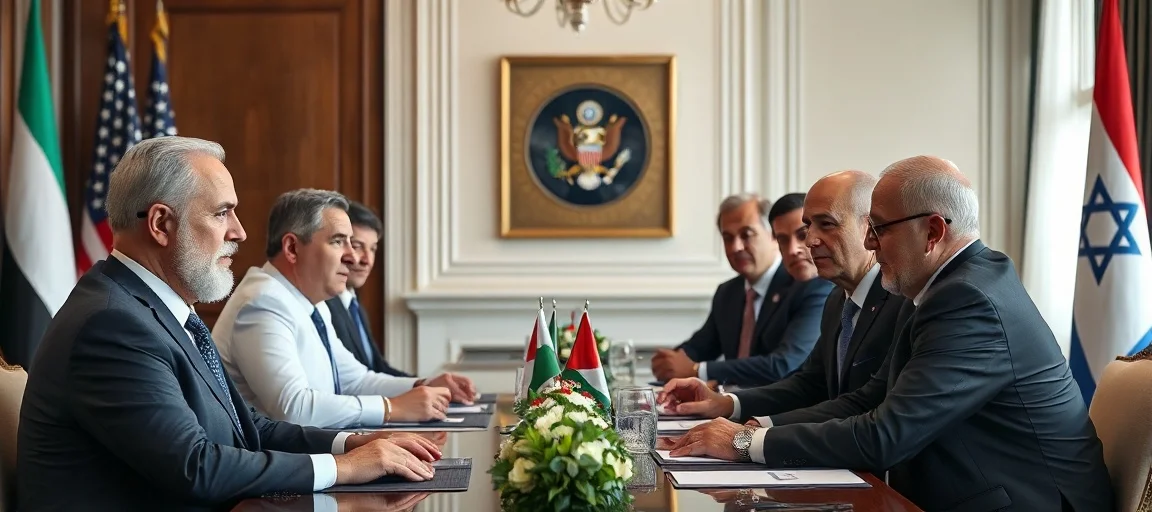
The pursuit of Middle East Peace through renewed diplomatic talks is gaining momentum as international efforts intensify to resolve the historical conflict. For decades, the region has been defined by cycles of violence, deep-seated mistrust, and aborted peace processes. Yet, the current geopolitical realignment offers an unexpected window of opportunity for constructive dialogue.
- Historical Context of the Conflict
- Diplomatic Milestones and Historic Frameworks
- Modern Geopolitical Shifts and Current Developments
- Key Hurdles to Middle East Peace
- The Role of Global Mediators
- Socio-Economic and Regional Impacts of Stability
- Future Outlook and Strategic Patience
- Conclusion
- Frequently Asked Questions
- Further Reading & Resources
Historical Context of the Conflict
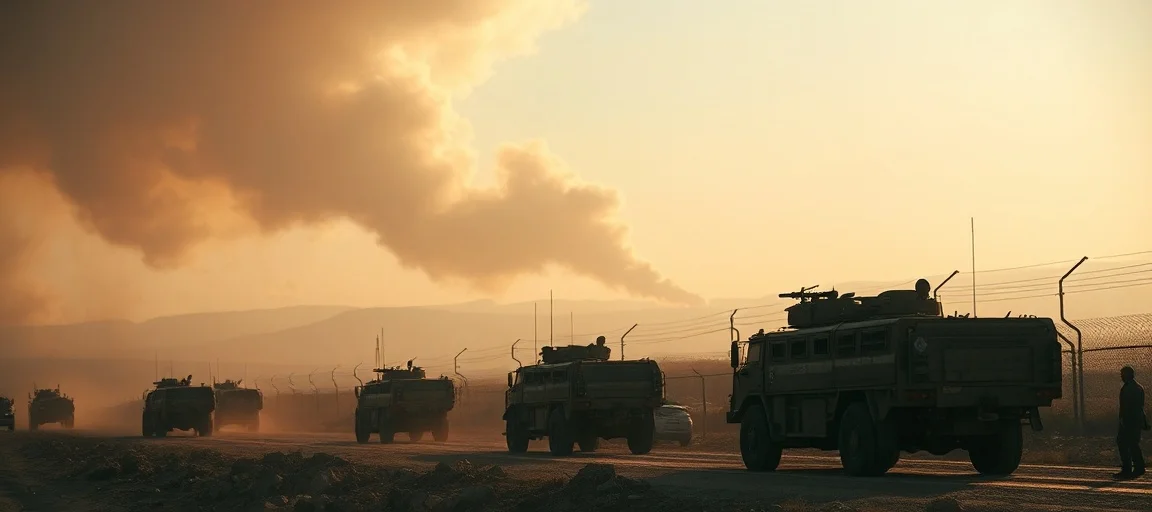
To fully appreciate the significance of the current momentum, one must delve deeply into the long-standing historical context of the Israeli-Palestinian struggle. The roots of this geopolitical challenge date back to the mid-20th century. With the official end of the British Mandate and the subsequent establishment of the State of Israel in 1948, the regional dynamics of the Levant shifted permanently. Multiple regional wars ensued, notably in 1967 (the Six-Day War) and 1973 (the Yom Kippur War), which fundamentally redefined territorial boundaries, created vast numbers of displaced individuals, and entrenched hostilities between neighboring sovereign states.
These historical events created a complex web of issues that are deeply tied to cultural narratives, territorial sovereignty, and religious significance. Generations of diplomats, historians, and political analysts have sought to establish a framework that ensures security for Israel while simultaneously guaranteeing self-determination and sovereign statehood for Palestinians. Each subsequent historical era has brought its own unique challenges, influenced heavily by global super-power dynamics during the Cold War and subsequent shifts in regional alliances. Over the years, the lack of a permanent resolution has fueled ongoing security crises, humanitarian concerns, and widespread political instability across the broader Middle Eastern region.
Diplomatic Milestones and Historic Frameworks
Over the decades, several highly structured frameworks have attempted to resolve the impasse and lay down a foundation for long-term coexistence. These negotiations have varied in scope, varying from bilateral state-to-state treaties to multilateral international agreements.
Notable historic diplomatic milestones include:
-
The Camp David Accords (1978): Facilitated by the United States, this historic agreement established a formal peace treaty between Israel and Egypt, serving as a template for subsequent state-to-state agreements in the region and proving that diplomatic negotiation could successfully end decades of military hostility.
-
The Oslo Accords (1993): A monumental milestone that created the Palestinian Authority and established a framework for interim self-governance in parts of the West Bank and Gaza Strip, marking the first time both sides officially recognized each other as partners in peace.
-
The Camp David Summit (2000): An intensive effort to resolve final-status issues, which ultimately fell short of a final treaty but succeeded in clarifying the core compromises required from both sides regarding borders, security, and Jerusalem.
-
The Roadmap for Peace (2003): A plan proposed by the diplomatic Quartet (the United States, the European Union, the United Nations, and Russia) that outlined a phased, performance-based transition to a permanent two-state solution.
Modern Geopolitical Shifts and Current Developments
The modern geopolitical landscape in the region has been reshaped by new diplomatic alignments that have challenged traditional diplomatic paradigms. Most notably, the signing of the Abraham Accords in 2020 created direct diplomatic, economic, and security ties between Israel and several Arab nations, including the United Arab Emirates, Bahrain, Morocco, and Sudan. While some critics argued these accords bypassed the core Palestinian issue, others suggest they have created new channels for communication, leveraged regional cooperation, and fostered a more integrated regional economy.
Today, current negotiations are occurring against a backdrop of urgent humanitarian concerns and shifting regional priorities. Diplomatic envoys from various international bodies are actively working to build a sustainable framework that addresses direct security challenges while revitalizing discussions surrounding a permanent two-state solution. These talks aim to integrate regional partners more deeply into the peace process, ensuring that economic cooperation and regional security agreements go hand-in-hand with resolving territorial disputes.
Key Hurdles to Middle East Peace
Despite renewed optimism, several systemic barriers must be overcome to achieve lasting stability and secure a genuine Middle East Peace. These challenges have persisted across multiple generations of negotiators and require deep political will to resolve.
Key core issues include:
-
Border Demarcation: Finding a mutually acceptable border based on the pre-1967 lines with mutually agreed-upon land swaps remains a primary point of negotiation, requiring precise geographical and security assessments.
-
The Status of Jerusalem: Both Israelis and Palestinians claim Jerusalem as their sovereign capital, presenting a profound diplomatic, historical, and religious challenge that demands creative solutions for shared or divided administration.
-
Refugee Rights: The status of millions of Palestinian refugees and their descendants remains a highly sensitive topic, requiring delicate negotiations on compensation, integration, and the right of return.
-
Security Guarantees: Ensuring the absolute security of Israel against regional threats while simultaneously guaranteeing the sovereignty and demilitarization of a future Palestinian state requires robust international verification.
The Role of Global Mediators
The international community plays an indispensable role in maintaining diplomatic momentum. Historically, the United States has served as the primary mediator, utilizing its diplomatic influence, economic assistance, and strategic security partnerships to bring both parties to the negotiating table. US foreign policy has consistently emphasized the importance of a negotiated settlement, though the approach has evolved with successive presidential administrations.
However, modern diplomatic realities require a more multilateral approach. The European Union, the United Nations, and regional powers like Egypt, Jordan, and Saudi Arabia are increasingly central to the mediation process. Egypt and Jordan, having long-standing peace treaties with Israel, offer unique channels for security coordination and crisis management. Meanwhile, Saudi Arabia’s potential involvement in regional normalization agreements represents a significant lever for encouraging historic concessions from all participating parties.
Socio-Economic and Regional Impacts of Stability
The socio-economic benefits of establishing a durable peace would extend far beyond the immediate borders of Israel and Palestine, transforming the entire Eastern Mediterranean and Middle Eastern regions. The Middle East possesses immense economic potential, which is currently constrained by security risks, high military spending, and fragmented trade infrastructure.
A comprehensive resolution would likely yield:
-
Economic Integration: The creation of regional trade corridors, joint infrastructure projects, and shared energy grids that boost economic efficiency, lower costs, and create new regional markets.
-
Foreign Direct Investment: A massive influx of international capital as security risks decrease, helping to modernize local industries, support high-tech collaboration, and create high-quality jobs for a young population.
-
Humanitarian Progress: Immediate improvements in daily living conditions, including enhanced access to clean water, reliable electricity, advanced healthcare, and quality education for marginalized communities.
Future Outlook and Strategic Patience
Achieving a sustainable peace is not an overnight event but a long-term process that requires strategic patience and sustained commitment. International observers emphasize that incremental progress, such as local security cooperation and joint economic initiatives, can build the trust necessary for larger breakthrough agreements. The path forward will undoubtedly be challenged by political instability, extremist opposition, and unexpected regional crises.
Therefore, establishing robust conflict-management mechanisms is just as important as drafting the final treaty. By focusing on tangible improvements in security and quality of life, negotiators can demonstrate the concrete benefits of peace to the general public on both sides, thereby building a resilient constituency for peace that can withstand political transitions and diplomatic setbacks.
Conclusion
The quest for a lasting Middle East Peace remains one of the most formidable diplomatic challenges of our era. While historical divisions run deep, the current momentum generated by active diplomatic talks shows that progress is possible when pragmatic diplomacy is combined with international support. To transform this momentum into a permanent reality, both leaderships must demonstrate courage, make historic compromises, and prioritize the shared future of their peoples over past grievances.
Frequently Asked Questions
Q: What is the main goal of current Middle East peace talks?
A: The main goal is to establish a viable two-state solution addressing border disputes, security, and co-existence.
Q: What role does the US play in Middle East diplomacy?
A: The United States acts as a primary mediator, offering diplomatic support and economic frameworks to foster dialogue.
Q: What are the key hurdles to achieving lasting peace?
A: Major obstacles include Jerusalem's status, borders, security concerns, and refugee rights.