SE Asia Navigates Rising Defense Tensions Amidst Geopolitical Shifts
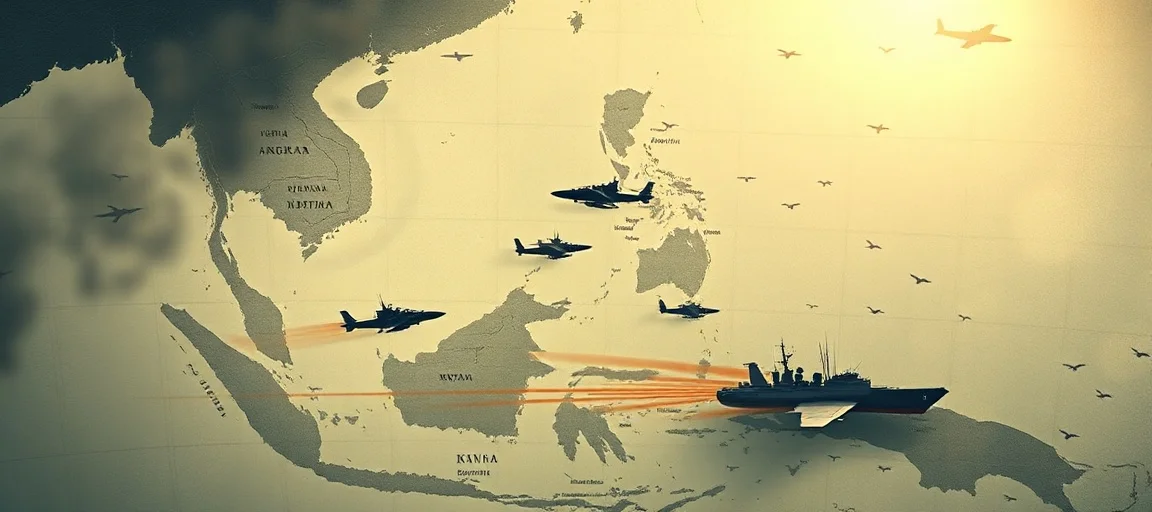
The geopolitical landscape of Southeast Asia is experiencing a period of unprecedented fluidity, marked by escalating rivalries among major global powers and persistent regional disputes. Nations across the region find themselves at a crucial juncture, as SE Asia Navigates Rising Defense Tensions that demand careful diplomatic maneuvering and strategic foresight. From the contentious waters of the South China Sea to the broader implications of great power competition, the region is grappling with complex security challenges that are reshaping its defense postures and alliances. This intricate web of interactions necessitates a deep understanding of the forces at play, as regional stability hangs in the balance.
- Background Context: A Region in the Crosshairs
- Escalating Geopolitical Dynamics as SE Asia Navigates Rising Defense Tensions
- Regional Responses and Defense Strategies
- The Economic Stakes of Regional Stability
- Expert Perspectives on Future Trajectories
- Conclusion: SE Asia Navigates Rising Defense Tensions with Strategic Acumen
- Frequently Asked Questions
- Further Reading & Resources
Background Context: A Region in the Crosshairs
Southeast Asia has historically been a nexus of trade, culture, and strategic competition, a characteristic that remains profoundly true today. Its geographical position, straddling vital sea lanes and bordering rising global powers, inherently places it at the center of evolving geopolitical dynamics. For decades, the region has sought to maintain a delicate balance, often through the principle of "ASEAN centrality," aiming to avoid aligning exclusively with any single external power. This strategy, rooted in the "ASEAN Way" of consensus-building and non-interference, has traditionally served as a bulwark against external domination. However, the intensification of strategic competition, particularly between the United States and China, is increasingly testing this equilibrium, challenging the bloc's ability to speak with a unified voice. The legacy of colonial influences, Cold War alignments, and post-Cold War aspirations has shaped a diverse security architecture, where individual nations pursue distinct defense policies while also engaging in various forms of regional cooperation. The inherent diversity in political systems, economic development, and historical grievances among the ten ASEAN member states adds further layers of complexity to their collective and individual responses to external pressures and internal security concerns. For instance, countries like Vietnam and the Philippines, with direct stakes in the South China Sea disputes, often adopt a more assertive posture compared to landlocked Laos or Myanmar, whose primary security concerns lie elsewhere. This internal divergence makes it difficult for ASEAN to formulate a robust, unified front, forcing individual members to often navigate the great power rivalry on their own terms, while still valuing the collective security framework that ASEAN provides. The bloc's capacity for collective action is continually tested by these differing national interests and the sheer scale of external pressures.
Escalating Geopolitical Dynamics as SE Asia Navigates Rising Defense Tensions
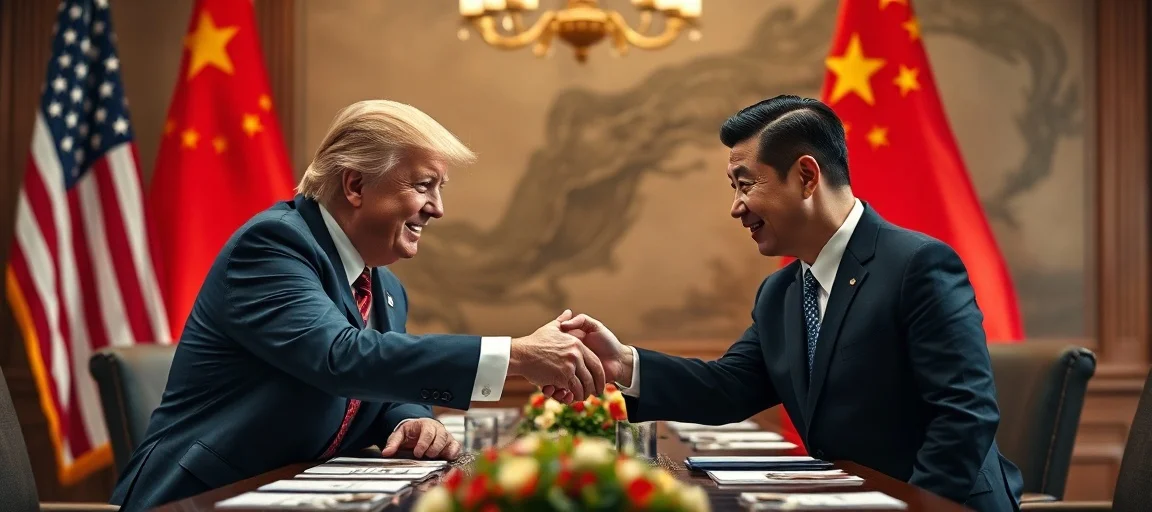
The current era is defined by a noticeable acceleration in geopolitical dynamics, with Southeast Asian nations caught between the strategic ambitions of global giants. The increasing assertiveness of China in the South China Sea, coupled with a renewed focus by the United States on its Indo-Pacific strategy, has directly contributed to a heightened sense of insecurity and a corresponding drive for defense modernization across the region. Countries are augmenting their military capabilities, not necessarily for offensive purposes, but as a deterrent and a means to protect their national interests and sovereignty. This includes substantial investments in naval assets, air defense systems, and surveillance technologies. The strategic calculus for many Southeast Asian states involves balancing economic ties with China, which remains a crucial trading partner and source of investment, against traditional security relationships with the U.S. and its allies. This balancing act is further complicated by internal political considerations and varying threat perceptions among the diverse nations of the region.
South China Sea Disputes: A Persistent Flashpoint
The South China Sea remains arguably the most volatile flashpoint in Southeast Asia, with overlapping territorial claims from China, Vietnam, the Philippines, Malaysia, Brunei, and Taiwan. The rich fishing grounds, vast potential oil and gas reserves, and strategic importance as a global shipping lane make these waters highly contested. Recent years have seen an escalation of incidents, including confrontations between coast guard vessels, militia activities, and the continued construction and militarization of artificial islands by China.
- Philippines' Assertiveness: The Philippines, under its current administration, has taken a more assertive stance in defending its sovereign rights in the West Philippine Sea (the portion of the South China Sea claimed by the Philippines). This has led to direct confrontations and increased international attention to the 2016 Permanent Court of Arbitration ruling, which largely invalidated China's expansive claims. Manila's efforts to resupply its outpost on Second Thomas Shoal have frequently resulted in skirmishes with Chinese vessels, highlighting the ongoing tensions.
- Vietnam's Strategic Patience: Vietnam, another claimant, has largely pursued a strategy of strategic patience and diversification of its defense partnerships. While vocally rejecting China's claims, Hanoi has sought to avoid direct military confrontation, instead focusing on diplomatic channels and strengthening ties with other maritime powers.
- ASEAN's Code of Conduct: Efforts within ASEAN to establish a binding Code of Conduct in the South China Sea continue, albeit slowly. The goal is to create a framework for peaceful resolution and de-escalation, but progress is often hampered by the differing interests of member states and China's reluctance to agree to terms that might limit its claims. The prolonged negotiations reflect the inherent challenges in achieving consensus among diverse stakeholders.
Taiwan Strait and Its Regional Ripple Effects
While not directly in Southeast Asia, tensions in the Taiwan Strait have significant ripple effects across the region. Southeast Asian economies are deeply integrated into global supply chains, many of which depend on the stability of maritime routes passing near Taiwan. Any major conflict in the Strait would have catastrophic economic consequences, disrupting trade, energy supplies, and manufacturing. Furthermore, many Southeast Asian nations maintain complex diplomatic relationships, acknowledging the "One China" policy while also fostering informal ties and economic links with Taiwan. The potential for a wider regional conflict stemming from cross-strait issues forces Southeast Asian policymakers to consider various contingency plans and adjust their defense postures. The prospect of military action in the Taiwan Strait poses not only an immediate security threat but also a profound challenge to the region's long-term economic prosperity and stability, impacting everything from semiconductor supplies to shipping insurance rates.
Regional Responses and Defense Strategies
In response to the evolving security landscape, Southeast Asian nations are employing a multi-faceted approach involving both internal defense strengthening and external diplomatic engagement. These strategies reflect a desire to maintain strategic autonomy while acknowledging the need for cooperation.
Modernization of Armed Forces
Many Southeast Asian countries are significantly increasing their defense budgets and embarking on ambitious military modernization programs. The focus is often on enhancing maritime domain awareness, naval capabilities, and air defense.
- Naval Assets: Countries like Indonesia, Vietnam, and the Philippines are investing in new frigates, patrol vessels, and submarines to better monitor and protect their territorial waters and Exclusive Economic Zones (EEZs). The acquisition of advanced patrol boats and multi-role combat ships is aimed at improving their capacity to respond to incursions and enforce maritime laws.
- Air Power: Modern fighter jets, surveillance aircraft, and drone technology are also high on the procurement lists, reflecting a need to control airspaces and gather intelligence over contested areas. This includes upgrades to existing fleets and the purchase of new generation aircraft from various international suppliers, demonstrating a diversification of defense sourcing.
- Cybersecurity and Intelligence: Recognizing the evolving nature of threats, significant resources are also being allocated to cybersecurity capabilities and intelligence gathering to counter hybrid warfare tactics and protect critical infrastructure.
Diplomatic Engagements and Confidence-Building Measures
Beyond military enhancements, diplomacy remains a cornerstone of Southeast Asia's strategy. ASEAN continues to serve as the primary platform for regional dialogue and cooperation.
- ASEAN Centrality: The principle of ASEAN centrality in regional security architecture is frequently reiterated, emphasizing the bloc's role in shaping the geopolitical narrative and mediating disputes. Forums like the ASEAN Regional Forum (ARF) and the ASEAN Defence Ministers' Meeting Plus (ADMM-Plus) bring together regional and external powers to discuss security issues, build trust, and promote transparency. These platforms are vital for maintaining open lines of communication and preventing miscalculations.
- Bilateral and Minilateral Partnerships: While valuing multilateralism, individual nations are also forging and strengthening bilateral defense partnerships with a range of countries, including the U.S., Japan, Australia, India, and European nations. These partnerships often involve joint military exercises, intelligence sharing, and technology transfers. The emergence of minilateral security groupings, such as AUKUS (Australia, United Kingdom, United States) and the Quad (U.S., Japan, Australia, India), while not directly involving ASEAN members, nonetheless influences the regional security calculus, prompting Southeast Asian nations to carefully assess their strategic implications. Some countries view these groupings as potential balancers against rising Chinese influence, while others express concerns about increased militarization and the potential for an arms race.
The Economic Stakes of Regional Stability
The economic prosperity of Southeast Asia is inextricably linked to regional stability. The region is a vital hub for global trade, with major shipping lanes passing through its waters, connecting East Asia with Europe, the Middle East, and Africa. Any disruption to these routes, whether due to conflict or increased militarization, would have profound global economic consequences. The Malacca Strait, for instance, is one of the world's busiest chokepoints, handling a quarter of all traded goods and a significant portion of the world's oil shipments. Instability here would ripple through global energy markets and supply chains. Foreign direct investment (FDI) has been a significant driver of economic growth in many Southeast Asian economies, attracting billions annually and creating millions of jobs. Geopolitical instability could deter future investments, impacting job creation and development, particularly in high-tech manufacturing, automotive, and electronics sectors where the region has become a key player. Furthermore, the intricate regional and global supply chains that crisscross Southeast Asia, particularly in electronics, textiles, and agricultural products, are highly vulnerable to geopolitical shocks. For example, a disruption in semiconductor production or shipping through key regional ports could bring global industries to a standstill. Maintaining open, secure, and unimpeded maritime trade routes is therefore not just a security imperative but an economic one, crucial for sustaining the region's growth trajectory and its role in the global economy. Diversification of supply chains and investment in resilient infrastructure are increasingly becoming strategic priorities for nations in the region, often underpinned by regional trade agreements like the Regional Comprehensive Economic Partnership (RCEP), which aims to deepen economic integration and provide a hedge against external shocks.
Expert Perspectives on Future Trajectories
Analysts and policymakers offer varied perspectives on the future trajectory of security in Southeast Asia. Many agree that the region will continue to be a focal point of great power competition, necessitating nimble and adaptive strategies from its constituent nations. Some experts suggest that the current trend of defense modernization will persist, driven by perceived threats and the desire for greater self-reliance. Others emphasize the enduring importance of ASEAN as a diplomatic anchor, even amidst its internal challenges.
"The greatest challenge for Southeast Asian nations is to avoid becoming proxies in a larger geopolitical game," states Dr. Anya Sharma, a senior fellow at the Institute for Indo-Pacific Studies. "Maintaining strategic autonomy while engaging constructively with all major powers will be paramount for their long-term security and prosperity."
There is also a growing recognition of the need for enhanced regional cooperation on non-traditional security threats, such as climate change, pandemics, and cybercrime, which often transcend national borders and require collective action. The future will likely see a complex interplay of competition and cooperation, with individual nations continually recalibrating their foreign policy and defense strategies in response to evolving external pressures and internal priorities. The capacity of ASEAN to evolve and adapt its mechanisms for conflict resolution and confidence building will be critical in shaping a stable regional order.
Conclusion: SE Asia Navigates Rising Defense Tensions with Strategic Acumen
The journey ahead for Southeast Asia is fraught with complexities, yet illuminated by a strong desire for peace and prosperity. As SE Asia Navigates Rising Defense Tensions, the region's leaders are tasked with the delicate balancing act of enhancing national security, fostering economic growth, and preserving regional stability amidst a shifting global order. The intensification of great power competition, coupled with persistent territorial disputes, demands a robust yet flexible approach. The commitment to diplomatic engagement, the pursuit of defense modernization, and the strategic diversification of partnerships will continue to be cornerstones of regional policy. Ultimately, the ability of Southeast Asian nations to maintain their agency and collectively shape their destiny will be crucial in defining the security architecture of one of the world's most dynamic and strategically vital regions.
Frequently Asked Questions
Q: What are the main causes of rising defense tensions in Southeast Asia?
A: Rising tensions stem from intensifying great power competition between the U.S. and China, persistent territorial disputes in the South China Sea, and each nation's drive to modernize its defense capabilities to protect sovereignty and national interests.
Q: How do South China Sea disputes contribute to these tensions?
A: Overlapping territorial claims, particularly China's assertiveness and militarization of artificial islands, lead to frequent confrontations between claimant states. This fuels an arms race and complicates efforts to establish a regional code of conduct.
Q: How are Southeast Asian nations responding to these challenges?
A: They are employing a dual strategy of military modernization, including investments in naval assets and air defense, alongside robust diplomatic engagement through ASEAN forums and diversified bilateral partnerships to maintain strategic autonomy.