SA Football: The State of South African Football in 2026
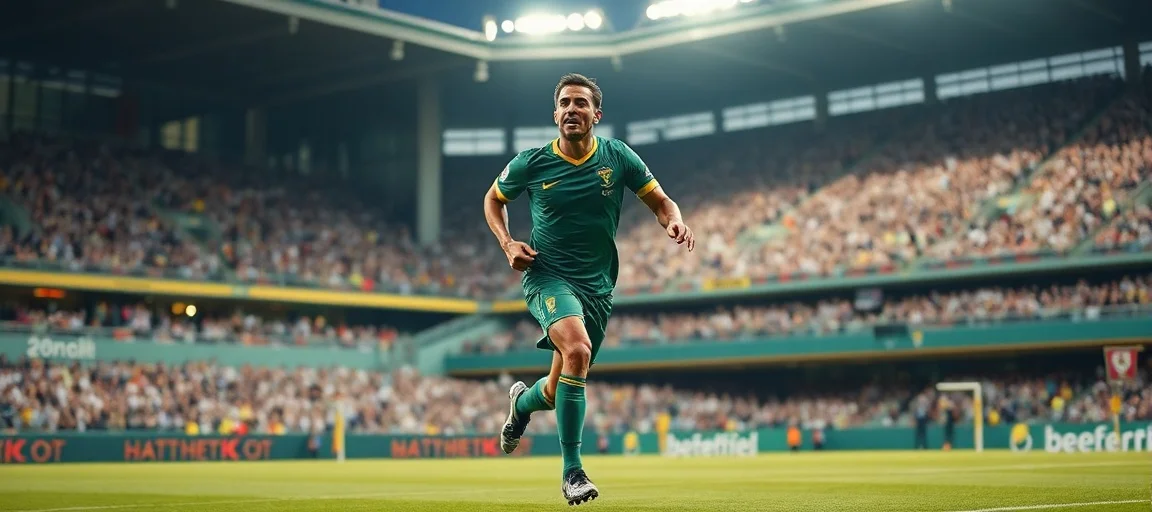
The current state of SA Football in 2026 represents a critical turning point for South African soccer. As enthusiasts look ahead, the beautiful game in the region faces a delicate balance between historical prestige and modern systemic challenges. While the nation boasts a rich football heritage, structural inefficiencies have hindered the long-term progress of the sport at both the grassroots and national levels.
Background Context
South African football has a long and storied history, dating back to the early 20th century. The country has produced some of the continent's most talented players, including the legendary Lucas Radebe, who captained both Leeds United and the South African national team, and Benni McCarthy, who achieved historic UEFA Champions League success. Despite this undeniable wellspring of natural talent, the national team, affectionately known as Bafana Bafana, has consistently struggled to sustain international competitiveness over the past two decades.
Early Years and the Path to Integration
The early years of South African football were deeply scarred by institutional segregation and racial division, with the sport officially split along racial lines for much of the 20th century. However, with the fall of apartheid in the early 1990s and the subsequent unification of the sporting bodies under the South African Football Association (SAFA), the sport entered a golden era of integration.
This historic transition culminated in the iconic 1996 Africa Cup of Nations (AFCON) victory on home soil, a moment that united a young democracy and promised a bright future for local sports development.
Assessing the Key Challenges of SA Football
Despite the initial promise of the post-apartheid era, modern SA Football faces deep-seated structural issues. Chief among these is a widening gap between the local professional league, the Premier Soccer League (PSL), and the developmental structures overseen by SAFA.
While the PSL remains one of the most lucrative and well-run domestic leagues in Africa, its financial success has not naturally translated into developmental success for the national team.
Financial Struggles and Corporate Hesitancy
The financial stability of the sport's governing body has deteriorated significantly in recent years. SAFA has experienced recurring budget deficits, driven in large part by a steady withdrawal of major corporate sponsors who are increasingly wary of reputational risks associated with sports governance.
This lack of funding directly impacts the operational budgets of youth academies, regional leagues, and training seminars for local coaches, leaving a massive developmental void outside of the wealthy professional clubs.
Governance and Administrative Roadblocks
Administrative instability and governance issues have plagued the national football association for years. Critics point to prolonged leadership tenures, lack of transparency in financial reporting, and a failure to implement modern coaching curriculums as primary reasons for the stagnation of Bafana Bafana.
The lack of coordination between school sports structures and regional associations has further fragmented the scouting pipeline, leaving talented players in rural provinces largely unnoticed.
Statistical Snapshot of Bafana Bafana
The structural decline is clearly visible when analyzing the national team's competitive data over successive tournament cycles. The table below outlines Bafana Bafana's historical trajectory:
============================================================
Year   FIFA Ranking (Avg)   AFCON Performance   World Cup
============================================================
1996   19th                 Champions           Did Not Qualify
2002   30th                 Quarter-Finals      Group Stage
2010   85th                 Did Not Qualify     Group Stage (Host)
2018   74th                 Did Not Qualify     Did Not Qualify
2026   62nd                 Round of 16         Did Not Qualify
============================================================
Expert Opinion and Stakeholder Perspectives
Many football analysts and former players have voiced concern over the administrative direction of the sport. Prominent sports writers emphasize that without a complete overhaul of the developmental system, South Africa will continue to fall behind rising continental powerhouses like Senegal, Morocco, and Mali.
Former National Players Weigh In
Many former legends have publicly expressed their frustration with the current setup.
"We have the talent, the infrastructure, and the passion," noted a former national team captain in a recent television panel. "What we lack is a unified vision from the top. Our youth development structures are decades behind Europe and North Africa, and we are paying the price on the international stage."
Economic and Cultural Impact
The broader implications of these challenges extend far beyond the pitch. Football in South Africa is more than just a pastime; it is a vital social cohesion tool and a major economic driver.
A struggling national team leads to lower stadium attendances, decreased merchandise sales, and reduced television viewership, which in turn diminishes the overall valuation of the local sports ecosystem.
Fan Disillusionment
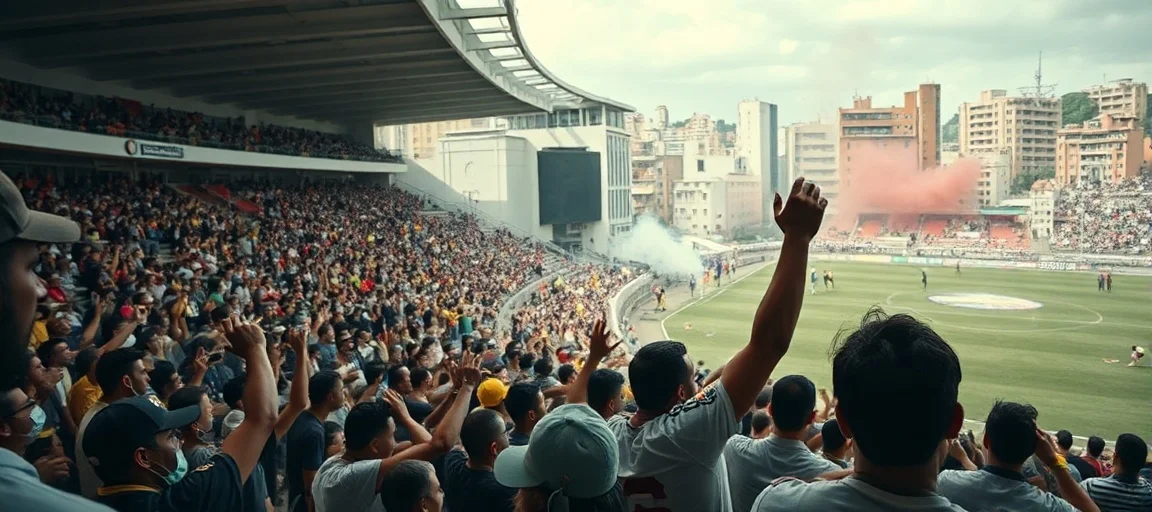
Supporters across the country have expressed deep dissatisfaction with administrative delays and persistent failures to qualify for major global tournaments.
Social media platforms and call-in radio shows are regularly flooded with demands for systematic reforms, demonstrating that public interest remains high despite widespread disappointment with recent results.
Efforts to Improve and Future Reform
In response to sustained public pressure, some positive initiatives have begun to take shape. These remedial actions aim to bridge the gap between amateur and professional ranks through targeted investment and strategic partnerships.
- Grassroots Development Programs: New private-public partnerships have emerged to fund youth tournaments in underprivileged areas, bypass official administrative bottlenecks, and provide direct pathways to professional club academies.
- Modernizing Coaching Curriculums: SAFA has launched updated coaching license courses aimed at bringing local training methodologies in line with modern tactical developments.
- Infrastructure Refurbishment: Municipal programs, occasionally supported by FIFA development grants, are slowly upgrading community pitches and facilities in key development hubs.
Conclusion
The current landscape of SA Football is complex and multifaceted. While there are significant challenges to overcome—most notably in financial administration and youth development—the inherent passion for the game and the country's robust corporate infrastructure offer real avenues for future growth.
Achieving sustainable success will require honest self-reflection from administrative leadership, increased transparency, and a collective commitment to nurturing the next generation of footballing talent.
Frequently Asked Questions
Q: Why is SA Football struggling?
A: SA Football faces critical issues including a lack of grassroots funding, administrative mismanagement under SAFA, and declining sponsorship revenues.
Q: Who is the current president of SAFA in 2026?
A: Danny Jordaan remains a highly discussed figure, though calls for administrative reform and leadership changes continue to dominate the news.
Q: What reforms are being proposed for SA Football?
A: Proposed reforms include independent financial audits, increased funding for youth development academies, and modernized coaching infrastructure.