Ecuador's World Cup Hopes Amidst Surge in Violence: A Nation's Battle

Ecuador, a nation known for its vibrant culture and passionate football, is currently grappling with an unprecedented surge in violence, casting a long shadow over daily life and threatening its aspirations on the global stage. As the country looks towards the upcoming World Cup, the compelling narrative of Ecuador's World Cup Hopes Amidst Surge in Violence becomes a powerful symbol of national resilience in the face of immense challenges. This deep dive explores the current security crisis, its pervasive impact on society and the national sport, and how a nation finds solace and unity in the beautiful game despite the turmoil. The escalating crisis, driven primarily by transnational criminal organizations, has reshaped the national dialogue, forcing citizens to confront a harsh reality while simultaneously seeking hope in collective endeavors.
The Rising Tide of Violence in Ecuador
Ecuador, once considered an "island of peace" nestled between historically conflict-ridden Peru and Colombia, has witnessed a dramatic deterioration in its security situation since 2022. The country now faces a complex and multi-faceted crisis, marked by escalating violence from organized criminal groups (OCGs) linked to transnational drug trafficking. This surge has led to a climate of fear, significantly disrupting daily routines, business operations, and overall public safety.
The homicide rate has skyrocketed, increasing dramatically from 14.16 per 100,000 inhabitants in 2021 to 27.58 in 2022. By 2023, the homicide rate reached a record 47 per 100,000 residents, and in 2025, it further surged by about 40 percent by September, bringing Ecuador close to its highest homicide rate ever. The country recorded approximately 9,200 homicides in 2025, a national rate of about 51 per 100,000. This stark increase represents a 429 percent rise in homicides from the first half of 2019 to 2024.
This violence is heavily concentrated in coastal provinces such as Guayas, Manabí, El Oro, Los Ríos, and Esmeraldas, which collectively account for roughly 88% of Ecuador's homicides. These regions, particularly the port city of Guayaquil, have become critical logistical nodes for cocaine shipments to Europe and the United States, positioning Ecuador at the heart of the global narcotic supply chain. Criminal groups employ tactics such as targeted killings, express kidnappings, armed robberies, extortion, and bomb attacks in public places. Extortion affects all economic sectors, from large industries like banana and shrimp farms to informal market vendors, leading to business closures and income losses. Between January and October 2024, more than 80,000 people were internally displaced due to armed violence.
Understanding the Roots of the Crisis
The roots of Ecuador's security crisis are deeply intertwined with its geographical position and evolving criminal dynamics. Situated between Colombia and Peru, the world's largest cocaine producers, Ecuador has become a crucial transshipment point for international cartels. The U.S. withdrawal from the Manta military base in 2009 is cited by some as a factor that worsened drug trafficking, as it removed a key anti-narcotic operation presence.
The fragmentation of major criminal organizations, such as the splintering of Los Choneros in 2020, triggered brutal turf wars with rival groups like Los Lobos. These local gangs are often backed by powerful Mexican syndicates, with the Sinaloa Cartel supporting Los Choneros and the Jalisco New Generation Cartel (CJNG) underwriting Los Lobos. These groups leverage porous borders, entrenched corruption, and economic fragility to expand their influence, creating sophisticated parallel governance structures in marginalized communities by offering security, economic opportunities, and social belonging that the state often fails to provide.
Government corruption has also played a significant role, facilitating money laundering through various industries. The lack of effective enforcement, coupled with low conviction and incarceration rates for major crimes, has emboldened criminal enterprises. The justice system itself is fragile, plagued by allegations of corruption and lacking the capacity to combat impunity effectively, with judges and prosecutors facing risks and inadequate protection; at least 15 have been killed since 2022.
Ecuador's World Cup Hopes Amidst Surge in Violence: A Nation Divided
Against this backdrop of severe instability, the nation's collective attention often turns to football, a sport that typically serves as a source of immense national pride and unity. However, the pervasive violence has inevitably seeped into the sporting arena, making Ecuador's World Cup Hopes Amidst Surge in Violence a complex and deeply felt issue. For many Ecuadorians, the national team's performance at the World Cup is not merely about sports; it represents a much-needed distraction and a beacon of hope in trying times.
The local football scene has been significantly impacted, tragically "stained with blood" according to reports. Five players were murdered in 2025 alone, and three more were victims of armed attacks. One particularly dramatic incident occurred in December 2025, when Mario Pineida, a left-back for Guayaquil Barcelona and former national team player, was killed by hitmen in northern Guayaquil. These assassinations have exposed a grim connection between sports betting mafias and Ecuadorian football, where players face threats to fix matches, transforming the sport into a high-risk activity.
Such events naturally raise concerns about player safety, team morale, and the ability of athletes to focus on their performance amidst widespread fear. The security environment has set limits, with fear permeating neighborhoods and communities, making it unsafe for children to play soccer in the streets as they once did.
Player Safety and Team Logistics
The security of national team players, particularly those returning from international leagues, has become a paramount concern. While specific details on the security measures for the national team are not widely publicized for obvious reasons, local clubs and academies are already adapting. Youth academies, like the one that once briefly included national team star Piero Hincapié, are now "secure and guarded against organized crime." This highlights the necessity for heightened security protocols, not just for high-profile matches but also for daily training and movement.
The psychological toll on players cannot be understated. Competing at the highest level requires immense focus and mental fortitude, which can be severely tested when players and their families are living under the constant threat of violence, kidnapping, or extortion. The pressure to fix matches, coupled with the real danger of retaliatory attacks for non-compliance, adds an insidious layer of stress to their professional lives.
Fan Engagement and Public Morale
The violence has inevitably impacted fan engagement. While the passion for football remains unbridled, the fear of public gatherings in high-risk areas, especially in cities like Guayaquil, might deter some from attending matches. Night-time curfews and the general climate of insecurity mean that many families "lock themselves in their homes for fear of the frequent shootings, robberies, or attacks."
Despite these dangers, football serves a crucial role as a psychological outlet. The World Cup, in particular, offers a temporary escape and a rallying point for a nation yearning for positive news and collective celebration. Fans express "unbridled" passion and high expectations, hoping for a deep run in the tournament to provide a distraction from the pervasive violence. As one Guayaquil lawyer stated, "Before, we dreamed of qualifying; now we're hoping they reach the quarterfinals or semifinals of the World Cup." This illustrates the profound desire for the national team to achieve something extraordinary, not just for sporting glory but for the morale of an entire country.
Government Response and Future Outlook
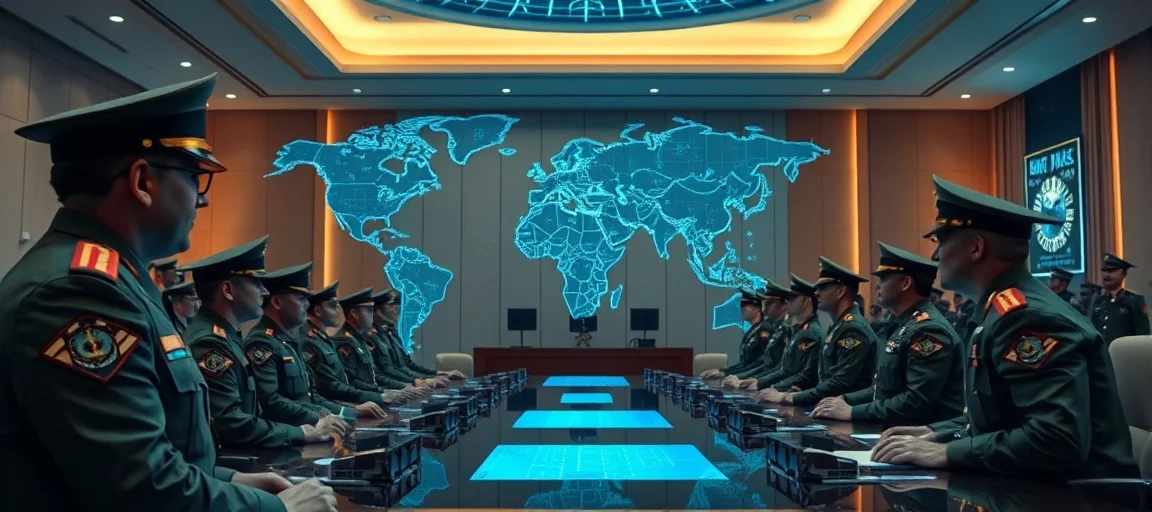
Ecuadorian President Daniel Noboa's government has implemented a robust and often militarized response to the escalating crisis. In January 2024, citing an "internal armed conflict," President Noboa declared a state of emergency and deployed the military against organized crime groups through the "Fénix" national security plan. Provincial states of emergency have been declared and renewed multiple times since, imposing curfews in high-risk areas and empowering security officials.
The government has also designated 22 transnational criminal organizations (TCOs) as "terrorist organizations," allowing the military and police to take further actions against them. Efforts include joint patrols with police officers and property searches without warrants, with the president asserting a decisive approach to combat organized crime, including the extradition of crime bosses to the U.S. and significant drug seizures. In an April 2024 referendum, Ecuadorian voters overwhelmingly approved proposals to give the government broad leverage to fight drug gangs, including deploying soldiers alongside police and using seized weapons.
However, the effectiveness of these measures has been mixed. While a quick declaration of "Internal Armed Conflict" and deployment of forces initially suppressed violence in early 2024, levels rose drastically again in coastal provinces from July to December 2024. Human rights organizations have raised concerns, reporting an increase in human rights violations by security forces, including extrajudicial killings, enforced disappearances, arbitrary arrests, and ill-treatment, leading to criticism that "iron-fisted methods have failed to reduce crime, while putting civilians in danger."
International Support and Regional Efforts
Recognizing the transnational nature of Ecuador's security dilemma, international partners have stepped up their support. The United States is Ecuador's top security partner, providing "critical" security equipment and a comprehensive aid package. For fiscal year 2024, approximately $132.4 million in U.S. foreign aid was obligated to Ecuador, with a significant portion allocated to peace and security, transnational crime, and stabilization operations. By early 2026, Ecuador hosted up to 75,000 U.S. military personnel for counter-narcotics operations, and the FBI opened a permanent office in Quito.
Western powers, including the US, EU, and Britain, have expanded their support for Ecuador's security apparatus through intelligence cooperation, military aid, and counter-narcotics assistance. The EU, for instance, has opened an intelligence and coordination center in Guayaquil. Experts, while acknowledging the necessity of international cooperation due to Ecuador's prominent role in global drug-trafficking networks, emphasize that such help should include clear safeguards to prevent human rights abuses.
The Unfolding Narrative: Ecuador's World Cup Journey
Amidst these profound national challenges, the Ecuador national football team, affectionately known as "La Tri" or "La Tricolor," represents a potent symbol of unity and hope. Coached by Sebastián Beccacece, the team has been on a remarkable journey to the 2026 FIFA World Cup. Despite a three-point deduction for an administrative issue in the previous World Cup qualifying cycle, Ecuador secured a second-placed finish in the CONMEBOL qualifiers, behind only reigning champion Argentina. This represents their best-ever result on the road to the World Cup, highlighting a "nearly impenetrable defense" that conceded just five goals in 18 games.
The team's success is fueled by a promising generation of young players, including Premier League stars like Chelsea midfielder Moisés Caicedo and Arsenal defender Piero Hincapié, as well as Paris Saint-Germain center-back Willian Pacho. These players embody the aspirations of a nation, with Caicedo being a particularly key player whose defensive prowess and ability to orchestrate play are crucial to Ecuador's tactical setup. The "unbeaten in their last 11 matches" run during qualifiers emphatically clinched their spot, demonstrating their resilience and potential.
Ecuador has qualified for its fifth World Cup appearance, with national expectations soaring beyond merely qualifying. There is a "growing belief" that La Tri could be gearing up for a "historic performance," with fans hoping they reach the quarterfinals or even semifinals, surpassing their previous best of the round of 16 in 2006. The team's participation in the World Cup, therefore, carries immense symbolic weight, offering a chance for national celebration and a temporary reprieve from the daily anxieties of insecurity.
Conclusion
The juxtaposition of Ecuador's World Cup Hopes Amidst Surge in Violence paints a vivid picture of a nation grappling with profound challenges yet clinging to a powerful symbol of unity and aspiration. The relentless tide of organized crime has transformed daily life, impacting everything from economic stability to the safety of its citizens, including its beloved football players. The government's robust response, supported by international partners, seeks to regain control, yet the struggle is ongoing and multifaceted.
Amidst this turmoil, the national football team stands as a beacon. Their impressive qualification for the World Cup, driven by a talented generation of players, offers a compelling narrative of resilience. For many Ecuadorians, the team's journey represents more than just a sporting event; it is a source of hope, a national distraction, and a reaffirmation of their collective spirit in the face of adversity. The World Cup provides a crucial platform for Ecuador to showcase its talent and unity to the world, proving that even amidst the darkest shadows, the national passion for the beautiful game can shine through.
Frequently Asked Questions
Q: What is driving the surge in violence in Ecuador?
A: The violence is primarily fueled by organized criminal groups linked to transnational drug trafficking. Ecuador's geographical position between major cocaine producers makes it a crucial transshipment point, leading to brutal turf wars between local gangs often backed by powerful Mexican cartels. Government corruption and a fragile justice system exacerbate the crisis, enabling impunity and further empowering criminal enterprises.
Q: How has the security crisis affected Ecuadorian football?
A: The security crisis has tragically impacted local football, leading to the murder of players and widespread threats. This raises significant concerns about player safety, team morale, and their ability to focus on performance amidst constant fear of violence, kidnapping, or extortion. While fan engagement can be affected by the dangers of public gatherings, football still serves as a crucial psychological outlet and a powerful symbol of national unity.
Q: What measures has the Ecuadorian government taken to combat the violence?
A: President Daniel Noboa's government declared an "internal armed conflict," deploying the military against designated terrorist organizations and implementing curfews in high-risk areas. Ecuadorian voters have overwhelmingly approved proposals for stronger government action against drug gangs. Additionally, international partners, particularly the U.S. and EU, provide significant security equipment, financial aid, and intelligence cooperation to bolster Ecuador's security apparatus.