President Xi Honors Serbian Counterpart in Beijing Amidst Deepening Ties
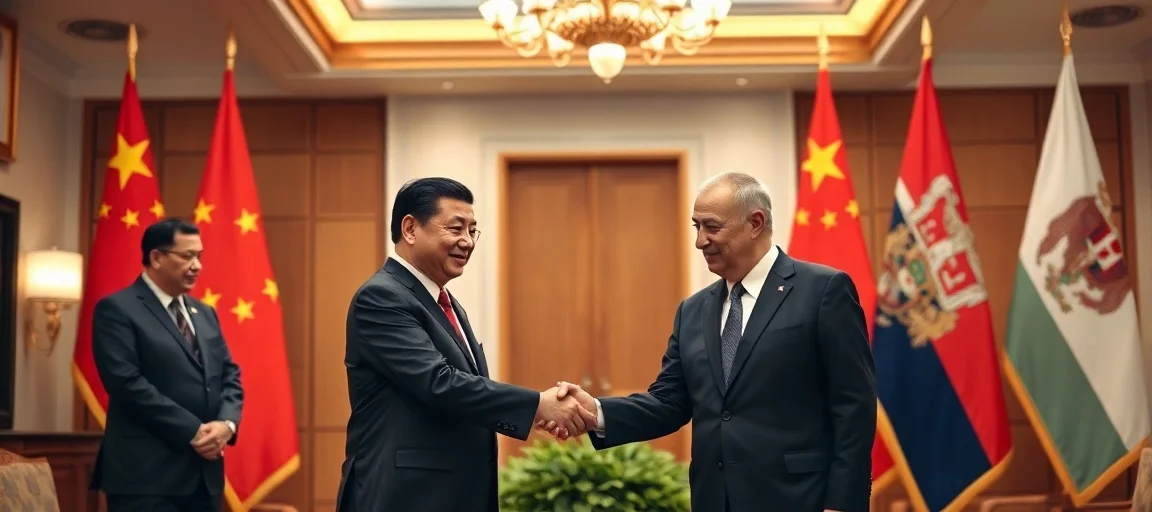
In a significant display of burgeoning diplomatic relations, President Xi Jinping recently hosted and honored his Serbian counterpart in Beijing, reaffirming the strong and expanding strategic partnership between the two nations. This high-profile visit saw extensive discussions on bilateral cooperation, economic initiatives, and global issues, highlighting a period of deepened engagement. The symbolic act of President Xi Honors Serbian Counterpart in Beijing further cemented a relationship that has become increasingly vital for both countries on the international stage, signaling a shared vision for future collaboration and mutual development. The leaders' discussions covered a wide array of topics, from infrastructure projects to cultural exchanges, all aimed at bolstering the comprehensive strategic partnership.
Background Context: A Steadily Strengthening Alliance
The relationship between China and Serbia has evolved significantly over the past two decades, transforming from traditional diplomatic ties into a comprehensive strategic partnership. This evolution is underpinned by shared interests in economic development, infrastructure connectivity, and a multilateral world order. Serbia, situated at the crossroads of Central and Southeast Europe, has increasingly looked eastward for investment and political support, particularly through China’s ambitious Belt and Road Initiative (BRI). This strategic pivot by Belgrade is a testament to its pragmatic foreign policy, seeking to leverage global opportunities to bolster its national interests and drive economic growth.
Historically, the two nations have maintained friendly relations, but the intensity of their cooperation has accelerated in recent years. Beijing views Serbia as a key partner in the Western Balkans, a crucial node in its wider European strategy, particularly for expanding its economic corridor into the heart of the continent. For Serbia, China represents a significant source of foreign direct investment, technological advancement, and a powerful ally in international forums. This alignment has allowed both countries to navigate complex geopolitical landscapes, fostering a unique and resilient bond that distinguishes Serbia from many of its European neighbors.
The Trajectory of Sino-Serbian Relations
The groundwork for the current level of cooperation was laid through a series of high-level visits and agreements. Previous encounters between the two leaders have consistently emphasized mutual respect, non-interference in internal affairs, and the pursuit of common developmental goals. Serbia's unwavering commitment to the "One China" principle has been a cornerstone of this diplomatic relationship, earning it considerable goodwill and trust in Beijing. In return, China has consistently supported Serbia's sovereignty and territorial integrity, particularly regarding the Kosovo issue, a stance deeply valued by Belgrade. This reciprocal support forms the bedrock of their robust political alliance.
Key milestones include numerous economic forums, cultural exchange programs, and educational partnerships that have fostered a deeper understanding and collaboration between the peoples of both nations. The deepening of these ties is not merely symbolic; it translates into tangible projects and policies that impact millions. Large-scale infrastructure projects, such as railway modernization and new highway construction, are visible symbols of this partnership. This trajectory indicates a deliberate and strategic effort by both nations to cultivate a robust and multifaceted partnership, one that stands out in the broader European context due to its intensity and strategic significance.
Key Details of the Recent State Visit
The recent state visit to Beijing was meticulously planned to showcase the profound respect and importance China places on its relationship with Serbia. The central event of the visit, where President Xi Honors Serbian Counterpart in Beijing, involved elaborate state ceremonies, bilateral meetings, and the signing of numerous agreements. The Serbian President was greeted with full state honors, including a military guard of honor and a grand welcoming ceremony at the Great Hall of the People, signifying the deep regard accorded to a crucial strategic partner.
During their extensive talks, President Xi Jinping lauded Serbia's consistent support for China on core issues and reiterated China's unwavering commitment to Serbia's national development and sovereignty. The discussions were characterized by a warm and constructive atmosphere, reflecting the personal rapport between the two leaders. Both sides emphasized the strategic nature of their partnership and their shared vision for a more equitable and multipolar world order, underscoring a commitment to international law and multilateralism.
Economic Cooperation and Strategic Investments
A primary focus of the visit was to further solidify economic cooperation, particularly within the framework of the Belt and Road Initiative project. Several new agreements were signed, building upon existing collaborations in infrastructure, energy, and digital technology. These include plans for new railway lines, industrial parks, and further investment in Serbia’s burgeoning technology sector, aiming to position Serbia as a digital hub in the region.
China has already invested heavily in Serbia's infrastructure, notably modernizing its railway network and acquiring major industrial assets, such as the Smederevo steel plant and the Bor copper mine. These investments have been credited with revitalizing local economies, creating jobs, and boosting Serbia's overall industrial output. The latest round of agreements aims to deepen this economic interdependence, promoting trade, facilitating direct flights, and encouraging further Chinese tourism and investment in Serbia. The goal is to elevate Serbia's position as a key logistical and manufacturing hub in Central Europe, directly benefiting from its strategic location and strong ties with China, thereby enhancing its economic resilience and global connectivity.
Diplomatic Significance and Global Alignment
Beyond economic considerations, the visit carried significant diplomatic weight, underscoring the growing alignment between China and Serbia on various international issues. Both nations reaffirmed their commitment to multilateralism, the principles of international law, and the indispensable role of the United Nations in global governance. They expressed mutual concerns over unilateralism and protectionist tendencies in international relations, advocating for dialogue and cooperation to address global challenges such as climate change, global health security, and economic recovery in a post-pandemic world. This shared vision for a more balanced and inclusive international order strengthens their diplomatic synergy.
The joint statements issued after the meetings highlighted common positions on peace and stability in respective regions, as well as broader global security concerns. This diplomatic alignment is crucial for Serbia, as it seeks to balance its European aspirations with its strong ties to non-Western powers, providing Belgrade with greater strategic flexibility. For China, Serbia represents a crucial voice within Europe, offering a different perspective from some Western European nations and thereby strengthening Beijing's overall diplomatic reach and influence on the continent. The visit also served as a platform for both leaders to discuss regional security challenges in the Western Balkans Geopolitics context and other areas of mutual strategic interest, signaling a concerted effort to foster stability through collaborative means rather than confrontation. Their shared principles on national sovereignty and territorial integrity also resonated strongly, offering a counter-narrative to external pressures.
Expert Opinions and Analysis of the Partnership
Analysts and geopolitical experts have closely watched the deepening ties between China and Serbia, offering varied perspectives on the implications of this robust partnership. Many emphasize the undeniable economic benefits for Serbia, pointing to significant Chinese investments that have boosted infrastructure and industrial output, leading to tangible improvements in the lives of ordinary citizens. However, some also raise questions about potential long-term geopolitical shifts and Serbia's strategic positioning within Europe, as it balances its eastward pivot with its stated ambition for European Union membership.
Dr. Ana Petrović, a renowned Balkan affairs specialist, notes, "China's engagement in Serbia offers a crucial alternative to traditional Western funding and influence. This provides Serbia with greater leverage and options, particularly in areas like infrastructure development where Western funding can come with more stringent conditions related to governance or environmental standards." She highlights that the speed, scale, and often less conditional nature of Chinese investments are frequently more appealing to countries seeking rapid development and less external political interference. This allows Serbia to pursue its developmental agenda with fewer constraints.
Conversely, some Western observers express concerns about the implications of growing Chinese influence in a region traditionally viewed as within Europe's sphere. They suggest that extensive Chinese loans and investments could lead to debt dependency, or potentially undermine democratic governance standards and transparency if not managed with stringent oversight. However, Serbian officials consistently assert that their cooperation with China is based on mutual benefit, transparency, and does not compromise their European integration aspirations, maintaining that diversification of partners is a sovereign right and a strategic necessity.
Regional Impact and European Context
The strengthening of Sino-Serbian relations inevitably has profound implications for the broader Western Balkans and the European Union. Serbia's engagement with China is seen by some as a model for other countries in the region seeking diversified partnerships, particularly those facing slower EU accession processes or seeking to reduce reliance on Western financial institutions. Countries like Montenegro, Bosnia and Herzegovina, and North Macedonia also have growing economic ties with China, though perhaps not as extensive as Serbia's, and they closely observe the benefits and challenges of the Serbian model.
From a European perspective, the China-Serbia axis presents a complex challenge. While the EU remains Serbia's largest trading partner and investor, China's growing presence means that Brussels must adapt its engagement strategies. "The EU needs to recognize that countries in the Western Balkans are actively pursuing their national interests and diversifying their foreign policy and economic partnerships," states Professor Marko Jovanović, an international relations expert. He suggests that this dynamism requires a more proactive, competitive, and less prescriptive approach from the EU rather than merely reiterating existing frameworks. Concerns about Chinese non-compliance with EU procurement rules, environmental standards, or labor practices in candidate countries are frequently raised, adding layers of complexity to the region's path towards European integration. The increasing Chinese footprint necessitates a more nuanced understanding of regional geopolitics, as the traditional power dynamics are being reconfigured by the influx of new actors and investment, potentially altering the geopolitical equilibrium of Southeast Europe.
Impact and Future Outlook for China-Serbia Relations
The recent visit, where President Xi honored his Serbian counterpart, is expected to have a lasting impact on the trajectory of China-Serbia relations, solidifying their comprehensive strategic partnership for the foreseeable future. The agreements signed and the strong statements of mutual support signal a continued commitment to deep collaboration across various sectors. This visit underscored not just the present strength of the relationship but also outlined a clear path for future expansion, especially in emerging technologies and green initiatives.
Economically, Serbia can anticipate a sustained flow of Chinese investments, particularly in high-tech industries, digital infrastructure, and green energy projects, further diversifying its economy and boosting its export capabilities. Infrastructure development, a cornerstone of their cooperation, will likely see accelerated progress on existing and new projects, enhancing Serbia's connectivity and logistics capacity. Politically, the alignment on global issues is expected to continue, with both nations advocating for a more balanced and inclusive international order and emphasizing the principles of Multilateralism in Global Affairs.
Culturally and educationally, initiatives promoting people-to-people exchanges, student programs, and tourism are set to expand, fostering greater understanding and goodwill between the two societies. This holistic approach ensures that the partnership is not just transactional but deeply embedded in shared values and long-term vision, contributing to robust and resilient ties.
The future outlook for China-Serbia relations appears robust and promising, characterized by strategic convergence and mutual benefit. This partnership serves as a testament to the evolving dynamics of global diplomacy, where traditional alignments are being re-evaluated in favor of pragmatic and strategic collaborations that address the developmental and geopolitical needs of participating nations. Both China and Serbia are poised to continue leveraging this strong bond to achieve their respective national objectives and contribute to a multipolar world.
Conclusion: A Deepening Bond for a New Era
The recent state visit to Beijing, culminating in a significant moment where President Xi Honors Serbian Counterpart in Beijing, has undeniably marked a new chapter in the already robust relationship between China and Serbia. The comprehensive discussions, the array of signed agreements, and the palpable warmth between the leaders underscore a partnership that is strategic, multifaceted, and increasingly vital for both nations. This deepening bond reflects a shared commitment to economic development, diplomatic alignment, and the pursuit of a multipolar international system. As global dynamics continue to shift, the China-Serbia strategic partnership stands out as a powerful example of evolving international relations, poised for further growth and mutual benefit in the years to come.
Frequently Asked Questions
Q: What is the significance of China's relationship with Serbia?
A: China views Serbia as a key strategic partner for its Belt and Road Initiative, offering significant investment and diplomatic support in the Western Balkans. For Serbia, China provides vital foreign direct investment, crucial infrastructure development, and a strong ally on the global stage, diversifying its international partnerships beyond traditional Western spheres.
Q: How does the Belt and Road Initiative (BRI) impact Serbia?
A: The BRI has brought substantial Chinese investment into Serbia, primarily focused on modernizing its infrastructure, particularly railways and industrial sectors like mining and steel production. These projects aim to revitalize Serbia's economy, create jobs, enhance its logistical capabilities, and solidify its role as a key transit and manufacturing hub in Central Europe.
Q: What are the geopolitical implications of the China-Serbia partnership for Europe?
A: This partnership complicates traditional European geopolitical dynamics by providing Serbia with a strong non-Western alternative for development and political support, allowing it greater strategic autonomy. It challenges the European Union to adapt its engagement strategies in the Western Balkans and highlights the region's evolving international alignments, influencing regional stability and integration processes.