Karnataka CM Steps Down Amid Political Turmoil: A Detailed Look

The political landscape of Karnataka was recently rocked by the significant development that the incumbent Chief Minister, B.S. Yeddyurappa, had to step down, plunging the state into fresh political turmoil. This pivotal moment, where the Karnataka CM Steps Down Amid Political Turmoil, marked the culmination of weeks of intense speculation and internal party deliberations. The veteran leader's departure from the top post has initiated a new chapter in the state’s often turbulent political narrative, prompting a detailed look at the underlying factors and potential repercussions for the region's governance and electoral dynamics.
- The Announcement and Immediate Aftermath
- Factors Leading to the Karnataka CM's Resignation Amidst Political Turmoil
- A History of Political Volatility in Karnataka
- Expert Opinions and Political Implications
- The Road Ahead for Karnataka Politics
- Conclusion: A New Era for Karnataka
- Frequently Asked Questions
- Further Reading & Resources
The Announcement and Immediate Aftermath
The resignation of Chief Minister B.S. Yeddyurappa was officially declared on July 26, 2021, during a poignant ceremony marking the second anniversary of his government's formation. In an emotionally charged speech, Yeddyurappa, who had consistently denied rumours of his impending exit for weeks, conveyed his decision to step down, attributing it to his own volition and a desire to make way for new leadership. He later formally submitted his resignation to Governor Thaawarchand Gehlot at Raj Bhavan in Bengaluru.
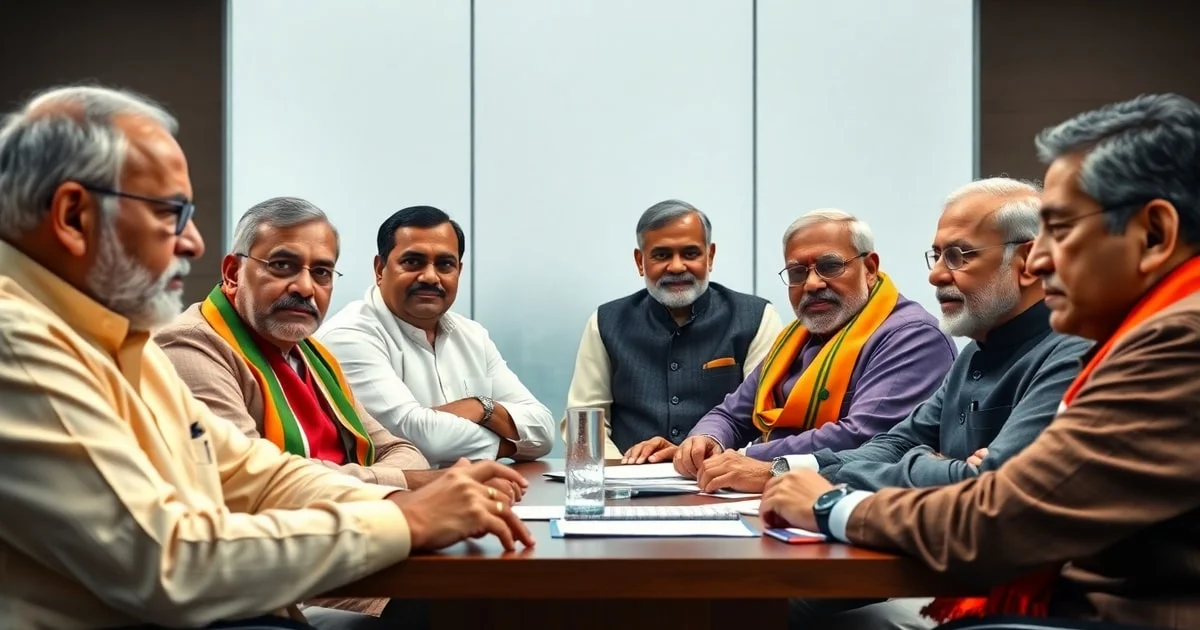
Despite his public statements of a "voluntary" departure, the prevailing sentiment among political observers was that the decision came under considerable pressure from the Bharatiya Janata Party (BJP) high command. This dramatic exit triggered an immediate scramble within the ruling BJP to identify a successor who could effectively navigate the complex political currents of Karnataka. Within days, Basavaraj Bommai, who was serving as the state's Home Minister, was selected as the new Chief Minister and sworn into office on July 28, 2021. This swift transition aimed to project stability, yet the circumstances surrounding Yeddyurappa’s departure left an indelible mark on the state’s political discourse.
Factors Leading to the Karnataka CM's Resignation Amidst Political Turmoil
The resignation of B.S. Yeddyurappa, a prominent figure in Karnataka politics, was a multi-faceted event influenced by several converging pressures. These factors highlight the intricate balance of power within the BJP and the enduring challenges of governance in a politically sensitive state.
Internal Party Dissent and Age Factor
One of the primary catalysts for Yeddyurappa's departure was growing dissent within the state unit of the BJP. For months leading up to his resignation, factions within the party had openly expressed dissatisfaction with his leadership, with some leaders pushing for a change at the helm. This internal discord created an environment of instability and challenged the party's cohesion. The decision also reflected the larger internal workings of the BJP high command, keen on maintaining party discipline and projecting a unified front, often requiring difficult choices regarding veteran leaders. For a deeper understanding of such dynamics, read Understanding the Dynamics of India's Ruling Party.
Compounding this was the BJP's unwritten rule regarding an age limit of 75 years for holding executive posts. At 78, Yeddyurappa was well beyond this threshold, a fact that his detractors frequently brought up. While he had been granted an exception due to his stature and role in building the party in Karnataka, the high command was reportedly keen on adhering to this policy, especially with crucial state assembly elections on the horizon in 2023. The perception was that a younger leader could inject fresh energy and address potential anti-incumbency sentiments, thereby securing the party's long-term electoral prospects.
Allegations of Corruption and Family Interference
Yeddyurappa's tenure was also marred by persistent allegations of corruption and accusations of undue interference by his family members in state administration. Reports indicated that his sons were accused of leveraging their father's influence for personal financial gains, particularly in matters related to land allotments. Although the Supreme Court had stayed criminal proceedings against him in a decade-old corruption case related to alleged illegal land denotification, the lingering shadow of such accusations provided ammunition for his critics both within and outside the party. These allegations contributed to a perception of governance issues and ethical concerns, making him vulnerable to calls for his removal and potentially damaging the party's reputation if left unaddressed.
Perceived Mishandling of the COVID-19 Crisis
The second wave of the COVID-19 pandemic severely impacted Karnataka, and the state government, under Yeddyurappa's leadership, faced criticism for its perceived mishandling of the health crisis. Issues such as oxygen shortages, inadequate hospital beds, and the overall management of the pandemic drew extensive public and political scrutiny. The high caseloads and fatalities put immense pressure on the healthcare infrastructure, leading to widespread public discontent. This contributed to a narrative of governmental inefficiency and further fueled the calls for a change in leadership, as the party sought to mitigate any negative impact on its image ahead of future elections and restore public confidence in its administrative capabilities.
A History of Political Volatility in Karnataka
Karnataka has a rich and often tumultuous political history, characterized by frequent changes in leadership, coalition governments, and internal party struggles. The state's political landscape is heavily influenced by caste dynamics, particularly the dominant Lingayat and Vokkaliga communities, and the presence of strong regional leaders. To understand the broader context, explore Tracing Karnataka's Tumultuous Political History. This historical backdrop provides crucial context for understanding the recent leadership changes.
Previous Instances of CM Resignations
Yeddyurappa himself had a history of abbreviated tenures, making his 2021 resignation his fourth instance of stepping down as Chief Minister before completing a full term. His first stint in November 2007 lasted only seven days due to a breakdown in a power-sharing agreement with the Janata Dal (Secular) (JD(S)). In 2011, he was forced to resign amidst allegations of illegal mining. His third term in 2018 lasted just three days as the BJP failed to secure a majority.
The state has witnessed numerous instances of chief ministers not completing their full five-year terms. These include the collapse of the Congress-JD(S) coalition government in July 2019, which saw H.D. Kumaraswamy step down following the resignation of 17 MLAs, paving the way for Yeddyurappa's return to power. Such frequent changes underscore the inherent political instability that has often defined Karnataka's governance, making it one of India's most fascinating and unpredictable political arenas. The constant shifts reflect a complex interplay of personal ambitions, party strategies, and regional affiliations.
Expert Opinions and Political Implications
Political analysts weighed in heavily on Yeddyurappa's resignation, offering various perspectives on its immediate and long-term implications for the BJP and Karnataka's political trajectory.
Immediate Impact:
- BJP's Strategic Move: Many experts viewed the change as a strategic maneuver by the BJP high command to consolidate its power and project a refreshed image ahead of the 2023 assembly elections. By replacing an aging leader facing corruption allegations, the party aimed to address anti-incumbency and internal dissent, hoping to present a cleaner, more dynamic image to the electorate.
- Succession Challenges: The selection of Basavaraj Bommai, a relatively less prominent Lingayat leader compared to Yeddyurappa, sparked discussions about the BJP's balancing act between caste equations and centralized control. Bommai's appointment aimed to appease the dominant Lingayat community while also ensuring a leader more amenable to the central leadership's directives.
The Lingayat Factor
Yeddyurappa is a towering figure and a strong leader of the Lingayat community, which constitutes a significant voting bloc (15-17%) in Karnataka. His influence has been instrumental in the BJP's rise in the state, often referred to as a "one-man army" in the region. The decision to replace him, despite his strong community backing, was a calculated risk for the BJP. Some analysts suggested that the party might be looking to broaden its vote base beyond traditional caste lines or foster new leadership within the community that is more aligned with the central command. The long-term impact on the Lingayat vote bank and the emergence of new community leaders remains a critical area of observation, as the BJP seeks to navigate this delicate balance without alienating its core support base.
The Road Ahead for Karnataka Politics
The departure of a seasoned and influential leader like B.S. Yeddyurappa sets the stage for a period of adjustment and realignment within Karnataka politics. The focus now shifts to how the new leadership will consolidate power and address the state's pressing issues.
Governance Challenges
Basavaraj Bommai, upon taking office, faced the immediate challenge of proving his administrative capabilities and establishing his own authority. His mandate included navigating the ongoing recovery from the COVID-19 pandemic, addressing economic concerns, and maintaining law and order. He also had the arduous task of managing the expectations of various party factions, keeping the coalition united, and delivering on promises to the electorate. The new CM's ability to deliver on these fronts while managing the expectations of various party factions will be crucial for his government's stability and public perception.
Preparing for the 2023 Assembly Elections
With the assembly elections slated for 2023, the BJP's decision to change leadership was largely seen as a move to optimize its electoral prospects. The party aims to present a fresh face and a renewed agenda to the electorate. However, the absence of Yeddyurappa's charismatic leadership on the campaign trail, despite his pledge to work for the party's return to power, presents a new dynamic. The opposition parties, particularly the Congress, are likely to capitalize on any perceived instability or dissent within the BJP. For a broader perspective on electoral strategies, refer to Analyzing Indian State Assembly Elections. The upcoming elections will be a litmus test for the BJP's post-Yeddyurappa strategy and the effectiveness of its new leadership.
Shifting Political Dynamics
Yeddyurappa's political influence, cultivated over decades, has been deeply entrenched in the state's political fabric. His diminishing active role in governance, though he remains a powerful voice, signifies a potential shift in the leadership dynamics within the BJP in Karnataka. The elevation of a new Chief Minister who might be more aligned with the party's central leadership could lead to a more centralized decision-making process, potentially altering the traditional balance between state and national party echelons. This development might also encourage the emergence of new regional leaders across various parties, as the vacuum left by a towering figure like Yeddyurappa creates opportunities for others to rise. The political landscape, characterized by complex caste equations and regional loyalties, is ripe for realignment as parties strategize for future electoral battles without the consistent presence of its former dominant personalities. This shift could usher in an era where collective leadership and adherence to party directives become more pronounced than individual charisma.
Conclusion: A New Era for Karnataka
The pivotal moment of the Karnataka CM Steps Down Amid Political Turmoil truly marked a significant juncture in the state's political history, underscoring the dynamic and often unpredictable nature of state governance in India. The culmination of internal party pressures, age considerations, and lingering allegations created a perfect storm, leading to this crucial leadership transition. As Karnataka navigates this new political chapter, the state will be closely watching how the new leadership addresses governance challenges, manages electoral strategies, and, ultimately, shapes the trajectory of its political future amidst continued political upheaval. The coming years will undoubtedly test the resilience of the state's political institutions and the adaptability of its major political players, determining whether this change ushers in a period of stability or further fragmentation.
Frequently Asked Questions
Q: Who was the Chief Minister of Karnataka who stepped down?
A: B.S. Yeddyurappa, a prominent figure and Lingayat leader, was the Chief Minister of Karnataka who resigned amidst political turmoil and internal party pressures. This marked his fourth instance of stepping down before completing a full term.
Q: What were the main reasons for his resignation?
A: Key reasons included growing internal party dissent within the BJP, the party's unwritten age limit policy of 75 years (Yeddyurappa was 78), persistent allegations of corruption and family interference in state administration, and a perceived mishandling of the COVID-19 crisis in the state.
Q: Who succeeded him as Chief Minister?
A: Basavaraj Bommai, who was serving as the state's Home Minister under Yeddyurappa's government, was selected as the new Chief Minister by the BJP high command and was sworn into office on July 28, 2021.