Israeli Airstrikes Kill 11 in Southern Lebanon Amid Rising Tensions
Recent reports confirm a tragic escalation in the Middle East, as Israeli airstrikes kill 11 in Southern Lebanon, sending shockwaves across the volatile region. This devastating event, which claimed the lives of both combatants and civilians, marks a significant heightening of hostilities and underscores the fragile peace along the Israeli-Lebanese border. The precision of the strikes and the unfortunate loss of life underscore the intense complexities and grave humanitarian concerns embedded within this long-standing conflict, sparking immediate international calls for de-escalation and restraint.
- Background of the Renewed Hostilities
- Israeli Airstrikes Kill 11: Key Details of the Airstrikes in Southern Lebanon
- International Reactions and Calls for Restraint
- Historical Tensions in the Israel-Lebanon Border Region
- Impact on the Civilian Population and Humanitarian Concerns
- Political Implications and Regional Stability
- Expert Analysis of Israeli Airstrikes in Southern Lebanon and Future Outlook
- Conclusion: The Impact of Israeli Airstrikes in Southern Lebanon
- Frequently Asked Questions
- Further Reading & Resources
Background of the Renewed Hostilities
The recent Israeli airstrikes are not isolated incidents but rather part of a deeply entrenched cycle of violence and retaliation that has plagued the Israeli-Lebanese border for decades. Historically, this frontier has been a flashpoint, characterized by intermittent clashes, cross-border infiltrations, and targeted military operations. The presence of various armed groups in Southern Lebanon, most notably Hezbollah, and their stated objectives against Israel, have consistently fueled a precarious security environment.
Prior to these specific airstrikes, there had been a noticeable uptick in skirmishes and provocations. Reports indicated increased rocket fire from Lebanese territory into northern Israel, which Israeli defense forces attributed to militant factions operating within Southern Lebanon. These launches often prompt a swift and decisive response from Israel, citing self-defense and the need to protect its civilian populations from potential threats. The current situation builds upon months of simmering tensions, occasionally boiling over into limited military exchanges that, while concerning, had not reached this level of casualties.
The broader regional context also plays a crucial role. The ongoing conflict dynamics in Gaza, coupled with geopolitical maneuvering by various state and non-state actors, often spill over into neighboring territories. Lebanon, already grappling with profound economic and political crises, finds itself increasingly drawn into these regional confrontations, further exacerbating its internal instability and humanitarian challenges. The strategic objectives of each side are complex: Israel aims to neutralize perceived threats from its northern border, while groups like Hezbollah seek to maintain their deterrent capabilities and regional influence.
Israeli Airstrikes Kill 11: Key Details of the Airstrikes in Southern Lebanon
The Israeli military confirmed that it conducted a series of airstrikes targeting sites in Southern Lebanon in response to rocket fire directed towards northern Israel. Initial reports indicated that the strikes targeted infrastructure belonging to militant groups, including rocket launch sites and command centers. However, the subsequent revelation that 11 individuals were killed, including civilians, shifted the focus to the broader impact and the tragic human cost of the operation.
According to Lebanese security sources and local media, the strikes hit several locations in the southern part of the country, specifically in areas known for the presence of Hezbollah and other allied factions. Among the casualties were identified members of militant groups, but crucially, several civilians were also confirmed dead, with others sustaining injuries. The exact circumstances leading to civilian deaths are under investigation, with both sides presenting differing accounts. Lebanese authorities condemned the targeting of civilian areas and demanded an international inquiry into the incident.
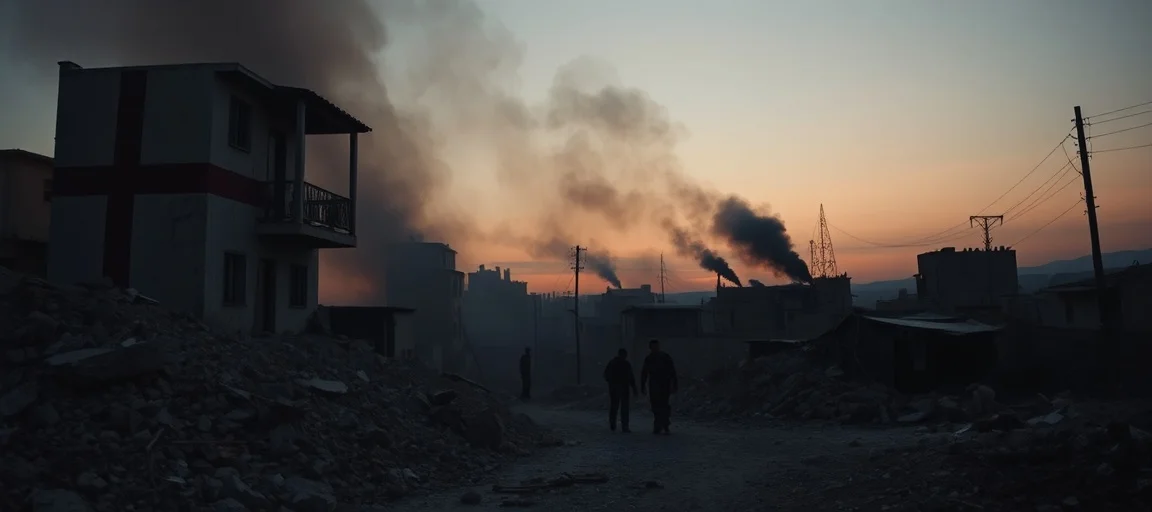
Eyewitness accounts from residents in the affected villages painted a grim picture of destruction and fear. Homes were reportedly damaged or destroyed, and infrastructure, including roads and vital services, suffered significant hits. Rescue operations were immediately launched to search for survivors under the rubble, working against the clock in a region already vulnerable to such devastations. Medical facilities in Southern Lebanon were reportedly overwhelmed as they dealt with the influx of wounded individuals. The psychological toll on the local population, who have endured cycles of conflict for decades, is immeasurable, further contributing to a sense of perpetual insecurity and displacement.
International Reactions and Calls for Restraint
The news that Israeli airstrikes kill 11 in Southern Lebanon quickly drew a wave of international condemnation and urgent calls for de-escalation. The United Nations Secretary-General issued a statement expressing deep concern over the loss of life and urged all parties to exercise maximum restraint to prevent a wider regional conflagration. UN peacekeepers deployed in Southern Lebanon (UNIFIL) were reportedly on high alert, working to monitor the cessation of hostilities and facilitate communication between the warring factions.
Several nations, including the United States, the European Union, and various Arab states, also weighed in, though with nuanced responses. While some acknowledged Israel's right to self-defense, many emphasized the imperative to protect civilian lives and adhere strictly to international humanitarian law. There was a strong consensus on the need for diplomatic channels to remain open and for a renewed focus on a political solution to the underlying tensions. International aid organizations also voiced alarm over the potential humanitarian crisis, emphasizing the dire need for unimpeded access to affected areas and resources for relief efforts.
The incident has also reignited debates within the international community regarding accountability and the mechanisms for investigating alleged violations of international law during armed conflicts. Advocates for human rights have called for impartial investigations into the civilian casualties, stressing the importance of transparency and justice for victims. The international community's response reflects a delicate balancing act, attempting to address security concerns while upholding humanitarian principles and striving for regional stability.
Historical Tensions in the Israel-Lebanon Border Region
The border between Israel and Lebanon has been a crucible of conflict for many decades, profoundly shaping the geopolitical landscape of the Middle East. The origins of the current tensions can be traced back to the post-1948 Arab-Israeli War, which led to the displacement of Palestinians, many of whom settled in refugee camps in Lebanon. The establishment of the Palestine Liberation Organization (PLO) presence in Southern Lebanon in the 1970s further militarized the border, turning it into a battleground for various factions.
Major milestones in this contentious history include:
- 1978 Litani Operation: Israel launched a large-scale invasion of Southern Lebanon to clear out PLO bases after a series of cross-border attacks. This operation led to the establishment of the UNIFIL peacekeeping force.
- 1982 Lebanon War: Israel invaded Lebanon again, reaching Beirut, with the stated aim of eradicating the PLO. This war had profound and lasting consequences, including the emergence of Hezbollah as a dominant force in Southern Lebanon, initially formed to resist the Israeli occupation.
- Israeli Occupation (1982-2000): Israel maintained a "security zone" in Southern Lebanon for 18 years, often clashing with Hezbollah and other Lebanese resistance groups. The occupation ended in May 2000, but border disputes and occasional skirmishes continued.
- 2006 Lebanon War: A major conflict erupted between Israel and Hezbollah, triggered by a cross-border raid by Hezbollah that captured two Israeli soldiers. The 34-day war resulted in extensive destruction in Lebanon, significant casualties on both sides, and a reinforcement of UNIFIL's mandate.
These historical events have fostered deep-seated mistrust and animosity, creating an environment where even minor incidents can rapidly escalate. The unresolved issue of disputed territories, such as the Shebaa Farms, and the differing interpretations of border demarcation further contribute to the fragility of the status quo. Each side views the other through a lens of past aggressions and perceived existential threats, making any path to lasting peace incredibly challenging.
Impact on the Civilian Population and Humanitarian Concerns
The recent airstrikes, which tragically saw Israeli airstrikes kill 11 in Southern Lebanon, have once again brought the severe humanitarian impact of the conflict into sharp focus. Civilians in Southern Lebanon often find themselves caught in the crossfire, enduring the direct consequences of military actions that disrupt their lives, destroy their homes, and threaten their livelihoods. The mental and physical trauma inflicted upon these communities is profound and long-lasting.
Humanitarian organizations have raised urgent concerns about several critical issues:
- Displacement: Fear of further escalation often forces families to flee their homes, becoming internally displaced persons (IDPs). This displacement places immense strain on host communities and resources, particularly in a country already struggling with a severe economic crisis.
- Access to Aid: Military operations and security restrictions can hinder the delivery of essential humanitarian aid, including food, medicine, and shelter. Roads may become impassable, and aid workers might face difficulties in reaching affected populations.
- Infrastructure Damage: Airstrikes can damage vital civilian infrastructure, such as water systems, power grids, and healthcare facilities. This exacerbates the pre-existing fragility of public services in Lebanon and makes recovery efforts more arduous.
- Psychological Trauma: Children and adults in conflict zones frequently experience severe psychological distress, including PTSD, anxiety, and depression. The constant threat of violence leaves deep scars on individuals and communities, requiring long-term psychosocial support.
- Economic Disruption: The agricultural sector, a significant part of Southern Lebanon's economy, is particularly vulnerable to conflict. Farmers may be unable to access their land, and crops can be destroyed, leading to food insecurity and economic hardship.
International relief efforts are often hampered by the complex political landscape and the unpredictable nature of hostilities. There is an ongoing need for increased funding and coordinated international action to address the immediate needs of affected populations and to support long-term recovery and resilience-building initiatives in the region.
Political Implications and Regional Stability
The recent escalation in Southern Lebanon carries significant political implications for both Israel and Lebanon, as well as for broader regional stability. For Lebanon, the airstrikes further destabilize an already fractured political system. The country is currently without a fully functioning government, grappling with an economic meltdown, and facing deep divisions among its political factions. The involvement in renewed conflict with Israel adds another layer of complexity, potentially diverting attention and resources from critical domestic reforms.
Hezbollah, as a prominent political and military force in Lebanon, faces immense pressure. Its actions along the border are closely scrutinized, both domestically and internationally. The group's response to Israeli actions will shape its standing within Lebanon and its perceived deterrence capabilities against Israel. Any miscalculation could trigger a wider conflict that Lebanon, in its current state, can ill afford.
For Israel, the airstrikes underscore its ongoing security challenges on its northern front. The Israeli government consistently reiterates its commitment to preventing hostile forces from operating near its borders and maintaining its aerial superiority. However, the civilian casualties resulting from these strikes inevitably draw international criticism and can complicate diplomatic efforts. The domestic political landscape in Israel is also influenced by these security concerns, with public opinion often divided on the appropriate level of response to perceived threats.
Regionally, the events in Southern Lebanon are inextricably linked to broader dynamics in the Middle East. The conflict with Iran, the situation in Syria, and the ongoing Israel-Hamas conflict in Gaza all contribute to an intricate web of interdependencies. An escalation between Israel and Lebanon could easily draw in other regional actors, potentially leading to a wider, more devastating conflict that would have dire consequences for millions. Diplomatic efforts, often spearheaded by regional powers and international mediators, aim to contain these flashpoints and prevent them from spiraling out of control. The stability of the entire Levant hangs in a delicate balance.
Expert Analysis of Israeli Airstrikes in Southern Lebanon and Future Outlook
Security analysts and Middle East experts largely agree that the recent escalation, where Israeli airstrikes claimed 11 lives in Southern Lebanon, highlights a dangerous phase in the perennial conflict. Many point to the current vacuum of effective diplomatic channels and the high level of mistrust between the parties as key factors contributing to the rapid deterioration of the situation.
"The border between Israel and Lebanon remains one of the most volatile in the world," stated Dr. Sarah Malik, a senior research fellow specializing in Middle East security at the Institute for Regional Studies. "Each side operates under a strong sense of perceived threat, leading to a tit-for-tat cycle that can quickly spin out of control. The lack of a robust, internationally brokered mechanism for de-escalation makes every incident incredibly perilous."
Some experts suggest that the timing of these airstrikes might also be influenced by internal political pressures within both Israel and Lebanon, as well as the broader geopolitical shifts. The potential for miscalculation is high, especially with advanced weaponry and intelligence capabilities on both sides. The rules of engagement, while ostensibly aimed at military targets, carry inherent risks of civilian harm in densely populated areas.
The immediate future outlook for the region remains precarious. While both Israel and Hezbollah likely wish to avoid an all-out war due to the catastrophic costs it would entail, the risk of accidental escalation is ever-present. Continued low-level skirmishes, retaliatory strikes, and heightened rhetoric are anticipated. The role of international actors, particularly the United States and European powers, in pushing for calm and facilitating indirect negotiations will be crucial in preventing further bloodshed. Without a fundamental shift in approach or a significant diplomatic breakthrough, the region is likely to continue experiencing cycles of violence.
Conclusion: The Impact of Israeli Airstrikes in Southern Lebanon
The tragic outcome of recent Israeli airstrikes, which kill 11 in Southern Lebanon, serves as a stark reminder of the persistent fragility and profound human cost of conflict in the Middle East. This latest escalation, marked by significant casualties including civilians, underscores the urgent need for all parties to prioritize de-escalation and adhere to international humanitarian law. The intricate web of historical grievances, political objectives, and regional dynamics ensures that the Israeli-Lebanese border remains a dangerous flashpoint, perpetually on the brink of wider conflict.
As the international community grapples with this renewed wave of violence, the focus must remain on protecting civilian lives, ensuring unimpeded humanitarian access, and fostering a genuine commitment to a lasting, peaceful resolution. Without concerted diplomatic efforts and a willingness from all sides to address the root causes of the conflict, the cycle of violence will continue to claim innocent lives and destabilize an already volatile region. The path to peace is arduous, but the alternative is simply too devastating to contemplate.
Frequently Asked Questions
Q: What prompted the recent Israeli airstrikes in Southern Lebanon?
A: The Israeli military stated the airstrikes were in response to rocket fire launched from Lebanese territory into northern Israel, which they attributed to militant factions operating within Southern Lebanon. These actions are often part of a broader cycle of retaliation in the region.
Q: Who were the casualties in the Southern Lebanon airstrikes?
A: The strikes tragically killed 11 individuals, including both identified members of militant groups and several civilians. Both sides are investigating the exact circumstances of these civilian deaths amidst calls for adherence to international humanitarian law.
Q: What are the broader implications of this escalation for regional stability?
A: This escalation significantly destabilizes Lebanon's already fragile political system and risks drawing in other regional actors. It contributes to a wider, more devastating conflict in the volatile Middle East, necessitating urgent diplomatic intervention to prevent further bloodshed.