India-US Trade Deal Nears Finalization: A New Era of Partnership
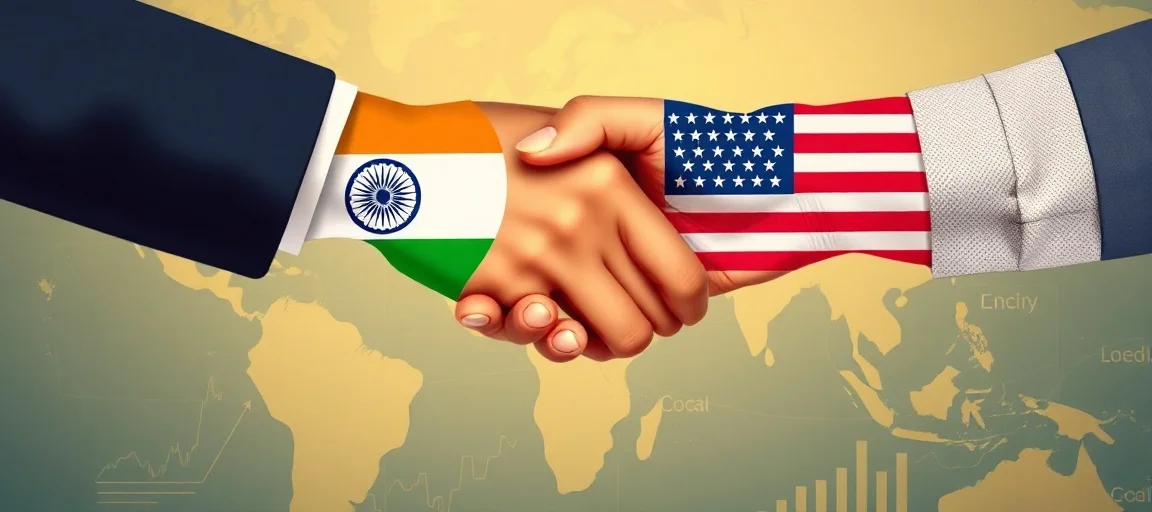
The long-anticipated India-US trade deal nears finalization, signaling a significant step towards a strengthened economic partnership. As negotiators iron out the final details, this comprehensive trade deal promises to reshape bilateral commerce between India and the US, fostering deeper ties and unlocking new avenues for growth. This momentous agreement reflects years of intricate discussions aimed at creating a more robust and equitable trading environment, impacting various sectors from agriculture to advanced technology.
- Understanding the Path to the India-US Trade Deal Nears Finalization
- Key Details of the Nearing Agreement
- Potential Benefits for Both Nations
- Potential Hurdles and Remaining Challenges
- Geopolitical Implications and Strategic Partnership
- Conclusion
- Frequently Asked Questions
- Further Reading & Resources
Understanding the Path to the India-US Trade Deal Nears Finalization
The relationship between India and the United States has evolved significantly over the past decades, transitioning from cautious engagement to a comprehensive global strategic partnership. Economic ties form a crucial pillar of this partnership, with both nations recognizing the immense potential for growth and collaboration. Efforts to forge a comprehensive trade deal have been ongoing for several years, navigating complex issues ranging from market access to intellectual property rights. Early discussions often centered around a "mini-deal" to address specific, less contentious areas, but the ambition gradually expanded towards a more extensive agreement.
Previous administrations in both countries have initiated and pursued various dialogues to streamline trade and investment, though a broad, overarching deal has remained elusive due to diverging interests in key sectors. The sheer scale and diversity of both economies present unique challenges in harmonizing trade policies. Despite these hurdles, the consistent upward trajectory of bilateral trade, even without a formal free trade agreement, underscored the intrinsic economic logic of a more structured arrangement.
Historical Context of India-US Trade Relations
Historically, trade relations between India and the US have seen periods of both convergence and friction. The US has traditionally been one of India's largest trading partners, with significant trade in goods and services. However, disputes over tariffs, agricultural subsidies, and market access for specific products have often characterized negotiations. India's emphasis on protecting its domestic industries, particularly in agriculture, and its pharmaceutical sector's focus on generic drugs, have frequently contrasted with US demands for greater market openness and stronger intellectual property protections.
In the past, initiatives like the Generalized System of Preferences (GSP), which allowed duty-free entry for certain Indian goods into the US, played a vital role. However, the withdrawal of India's GSP benefits by the US in 2019 highlighted the need for a more stable and mutually beneficial trade framework. This decision underscored the urgency for both nations to re-evaluate and restructure their economic engagement to ensure predictability and long-term growth. Both nations have also been keen on enhancing cooperation in areas like defense, technology transfer, and renewable energy, further illustrating the multi-faceted nature of their strategic ties. These broader strategic objectives have often provided an impetus to overcome trade-related impasses, recognizing that economic cooperation underpins the wider partnership.
Key Details of the Nearing Agreement
While the full text of the agreement is yet to be publicly disclosed, reports suggest that the nearing India-US trade deal addresses several critical areas, aiming to reduce trade barriers and foster greater economic integration. The proposed deal is expected to cover a wide array of goods and services, alongside provisions for investment, intellectual property, and digital trade. Both sides appear to have made significant concessions, indicating a mutual commitment to finalizing a comprehensive pact.
One of the central tenets of the deal is likely to be tariff reductions on a range of products. India has been keen on securing better market access for its agricultural products, textiles, and certain manufactured goods, while the US has pushed for lower tariffs on its industrial products, medical devices, and agricultural produce. The intricate balance between these demands has been a major point of negotiation.
Agricultural Market Access and Standards
Agriculture has historically been a sensitive sector for both nations. India has sought greater access for its mangoes, grapes, and other horticultural products into the US market, while the US has consistently pressed for lower tariffs on its dairy products, almonds, and apples. The deal is expected to include provisions that facilitate this exchange, possibly through phased tariff reductions and the harmonization of sanitary and phytosanitary standards. Ensuring that imported goods meet the health and safety regulations of the respective countries without creating undue trade barriers has been a key focus.
The agreement is anticipated to establish a clearer framework for regulatory cooperation, potentially reducing the time and cost associated with product approvals and certifications. This could significantly benefit both Indian and American farmers by expanding their export opportunities and providing consumers with a wider range of agricultural products.
Pharmaceutical and Medical Device Trade
India's pharmaceutical industry, often referred to as the "pharmacy of the world," is a global leader in generic drug production. The US, a major consumer of these generics, has sought to ensure fair pricing and robust regulatory oversight. The ongoing negotiations have aimed at streamlining regulatory processes for pharmaceuticals, ensuring quality and safety standards are met, and potentially addressing issues related to drug pricing and intellectual property.
Conversely, the US has expressed concerns about market access for its medical devices in India, particularly regarding price controls. The nearing deal is expected to strike a balance that allows for greater availability of advanced medical technologies in India while also considering India's public health objectives and affordability concerns. This could involve tiered pricing structures or a clearer, more predictable regulatory environment for foreign medical device manufacturers.
Technology and Digital Trade Provisions
In the rapidly evolving global economy, technology and digital trade have become paramount. The deal is likely to include provisions addressing cross-border data flows, data localization requirements, and cybersecurity. The US has advocated for open digital markets and minimal restrictions on data movement, crucial for its tech giants. India, on the other hand, has emphasized data localization for national security and data privacy reasons.
The agreement may establish a framework that balances these concerns, potentially through commitments to non-discriminatory treatment of digital products and services, while allowing for legitimate regulatory objectives. This section could also include cooperation on emerging technologies, fostering joint research and development, and creating an environment conducive to innovation in both countries.
Potential Benefits for Both Nations
The finalization of the India-US trade deal stands to bring substantial economic and strategic benefits to both nations, reinforcing their commitment to a robust bilateral relationship. For India, the deal could unlock new export markets, boost its manufacturing sector, and attract greater foreign direct investment. For the US, it offers enhanced access to one of the world's largest and fastest-growing consumer markets, along with opportunities for greater collaboration in strategic sectors.
Economically, increased trade flows are expected to stimulate job creation, drive innovation, and improve consumer choice in both countries. A more predictable trade environment will encourage businesses to invest more confidently, leading to long-term economic stability and growth. Beyond direct trade, the deal could also foster greater collaboration in areas like supply chain resilience, a critical concern highlighted by recent global disruptions.
Economic Growth and Job Creation
The agreement is anticipated to significantly contribute to economic growth in both India and the US. For India, greater market access for its labor-intensive industries, such as textiles, apparel, and certain agricultural products, could lead to a surge in exports and create numerous employment opportunities. This aligns with India's "Make in India" initiative, encouraging domestic manufacturing and integrating it into global supply chains.
In the US, the deal could benefit sectors such as advanced manufacturing, technology, and services, providing American companies with a larger customer base for their high-value products and expertise. Increased exports of US goods and services would support American jobs and contribute to the national GDP. The reduction of tariffs and non-tariff barriers will lower costs for businesses, potentially translating into lower prices for consumers.
Strengthening Supply Chain Resilience
Recent global events have underscored the vulnerabilities of concentrated supply chains. This trade deal offers a strategic opportunity to diversify and strengthen critical supply chain resilience. By fostering greater trade and investment between India and the US, both nations can reduce their reliance on single sources for essential goods and components. This enhanced resilience is not just an economic benefit but also a strategic imperative, ensuring stability in times of global uncertainty.
Collaborative efforts to develop resilient supply chains could involve joint investments in manufacturing facilities, technology transfer, and the establishment of common standards. This partnership would enable a more secure and efficient flow of goods, particularly in critical sectors like pharmaceuticals, electronics, and rare earth minerals.
Potential Hurdles and Remaining Challenges
While optimism surrounds the nearing India-US trade deal, certain challenges and potential hurdles remain that could test the resilience of the agreement during its implementation phase. Resolving long-standing issues, ensuring compliance, and adapting to future economic shifts will require ongoing diplomatic effort and commitment from both sides.
One significant challenge lies in the enforcement of the agreement's provisions. Trade deals are complex, and monitoring compliance, particularly regarding non-tariff barriers, subsidies, and intellectual property rights, can be difficult. Both nations will need robust mechanisms for dispute resolution and a willingness to adhere to the agreed-upon rules.
Intellectual Property Rights and Data Localization
Intellectual property rights (IPR) have historically been a contentious issue. The US has consistently pushed for stronger IPR protections in India, citing concerns over patent infringements and the protection of pharmaceutical innovations. India, while strengthening its IPR regime, has also emphasized the need for affordable access to essential medicines and technologies. The deal is expected to establish a mutually acceptable framework, but the interpretation and enforcement of these provisions could still be a source of future debate.
Similarly, data localization requirements, which mandate that data generated by a country's citizens be stored within its borders, present a significant challenge. India has advocated for stricter data localization laws, citing national security and data privacy concerns. The US, with its strong digital economy, typically champions free cross-border data flows. The compromise reached in the trade deal will be crucial, potentially involving a nuanced approach that addresses both security needs and promotes an open digital trade environment.
Environmental and Labor Standards
The inclusion of environmental and labor standards in trade agreements has become increasingly common. The US typically advocates for higher standards to ensure fair competition and prevent a "race to the bottom" in terms of worker protections and environmental regulations. India, while committed to improving these standards, often views overly stringent requirements as potential barriers to its developing economy.
The deal is likely to incorporate provisions for cooperation on environmental protection and labor rights, possibly through non-binding commitments or mechanisms for dialogue. However, the precise wording and enforcement of these clauses could prove challenging, particularly if they are perceived as impinging on national sovereignty or economic development priorities.
Geopolitical Implications and Strategic Partnership
Beyond the immediate economic benefits, the finalization of the India-US trade deal carries significant geopolitical implications, further solidifying the strategic partnership between the two democracies. In an increasingly complex global landscape, characterized by shifting alliances and economic rivalries, a robust trade agreement between India and the US sends a powerful signal about their shared commitment to a rules-based international order.
This deal is not merely about goods and services; it represents a deepening of trust and cooperation that extends into defense, security, and multilateral diplomacy. It reinforces the idea of a democratic alignment that can act as a counterbalance to rising authoritarian influences and promote stability in the Indo-Pacific region and beyond.
Reinforcing Democratic Alliances
The India-US strategic partnership is increasingly seen as a cornerstone of democratic alliances globally. A successful trade deal underscores the ability of two large, diverse democracies to work through complex issues and find common ground. This serves as an example for other nations and strengthens the narrative that democratic systems can effectively foster economic growth and stability.
The agreement reinforces platforms like the Quad (Quadrilateral Security Dialogue) which includes India, the US, Japan, and Australia, by adding a significant economic dimension to their security cooperation. Economic integration can often pave the way for closer political and security collaboration, creating a more cohesive front in addressing regional and global challenges.
Enhancing Indo-Pacific Stability
The Indo-Pacific region is a critical theater for global power dynamics. Both India and the US have a vested interest in ensuring a free, open, and stable Indo-Pacific. The trade deal contributes to this stability by strengthening economic ties between two major players in the region. Increased trade and investment can create shared prosperity, reducing economic vulnerabilities and fostering a more resilient regional architecture.
Furthermore, the deal can help diversify supply chains away from overly concentrated regions, contributing to economic security for the entire Indo-Pacific. By deepening their economic interdependence, India and the US enhance their capacity to collectively address challenges such as maritime security, infrastructure development, and climate change within the region.
Conclusion
The imminent finalization of the India-US trade deal nears finalization marks a landmark moment in the bilateral relationship between two of the world's largest democracies. This comprehensive agreement promises to usher in a new era of economic partnership, driving growth, creating jobs, and strengthening supply chain resilience for both nations. While the path has been long and fraught with intricate negotiations on issues ranging from agricultural market access to intellectual property rights and digital trade, the willingness of both sides to compromise underscores the immense strategic value placed on this alliance. The deal not only holds the potential for significant economic uplift but also reinforces the geopolitical alignment between India and the United States, contributing to global stability and strengthening democratic principles. As the final signatures are awaited, the world watches with anticipation as this historic agreement prepares to reshape the contours of international trade and cooperation.
Frequently Asked Questions
Q: What is the primary goal of the India-US trade deal?
A: The primary goal is to significantly strengthen economic ties, reduce trade barriers, and foster greater bilateral commerce between India and the United States, unlocking new avenues for growth across various sectors.
Q: Which sectors are most impacted by this agreement?
A: Key sectors impacted include agriculture, pharmaceuticals, medical devices, and technology. The deal addresses market access, intellectual property rights, and digital trade provisions for these crucial industries.
Q: What are the main challenges faced during the negotiation of this deal?
A: Major challenges involved balancing market access demands, intellectual property rights protection, data localization policies, and differing views on tariffs and subsidies across sensitive sectors like agriculture and pharmaceuticals.