Hantavirus Outbreak on Cruise Ship Sparks Global Concern: What You Need to Know
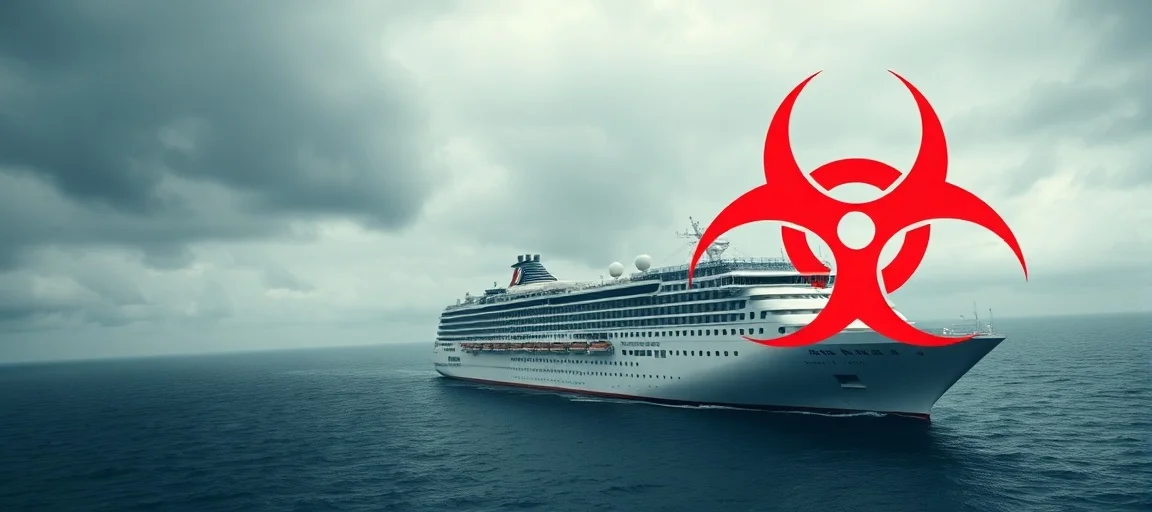
The alarming news of a Hantavirus outbreak on a luxury cruise ship has ignited global concern, transforming the serene image of maritime travel into a focal point of a serious health crisis. A recent Hantavirus Outbreak on Cruise Ship Sparks Global Concern, as authorities grapple with containing the spread and understanding its origins. This unprecedented event on a commercial vessel, the MV Hondius, has immediately escalated to a matter of significant public health importance, prompting an urgent global response and widespread concern among international travelers and health organizations. The incident has thrust the normally rare Hantavirus, specifically the Andes strain, into the global spotlight, challenging existing health protocols for large-scale maritime travel and highlighting the vulnerabilities of interconnected travel networks.
- Understanding the Hantavirus Outbreak on Cruise Ship Sparks Global Concern
- Chronology of the Outbreak and Response
- Public Health Implications and Global Response
- Historical Context of Hantavirus Outbreaks
- Medical Management and Prevention
- Looking Ahead: A Call for Global Vigilance
- Frequently Asked Questions
- Further Reading & Resources
Understanding the Hantavirus Outbreak on Cruise Ship Sparks Global Concern
The current Hantavirus outbreak centers on the Dutch-flagged expedition cruise ship, MV Hondius, which departed from Ushuaia, Argentina, on April 1st before traversing the South Atlantic. The vessel carried approximately 150 passengers and crew from 23 nationalities, including Americans. Concerns escalated when a cluster of severe respiratory illnesses was reported, leading to multiple confirmed cases and fatalities. As of May 13, 2026, a total of 11 cases, including three deaths, have been reported to the World Health Organization (WHO). Eight of these cases were laboratory-confirmed for the Andes virus (ANDV).
What is Hantavirus?
Hantaviruses are a group of zoonotic viruses primarily carried by wild rodents, such as deer mice, and can cause severe illness in humans. Humans typically contract the virus by inhaling airborne particles from dried rodent urine, droppings, or saliva. While rare, hantavirus infections can be deadly.
There are two main types of disease caused by hantaviruses in humans:
- Hantavirus Pulmonary Syndrome (HPS): Predominantly found in the Americas, HPS is a severe respiratory illness with a high case fatality rate, sometimes reaching 50% or even 60% in some outbreaks among hospitalized patients. Early symptoms are often flu-like, including fever, headache, muscle aches, and fatigue, but can rapidly progress to severe pneumonia and respiratory distress as the lungs fill with fluid.
- Hemorrhagic Fever with Renal Syndrome (HFRS): More common in Europe and Asia, HFRS primarily affects the kidneys and blood vessels.
The Andes Virus: A Critical Distinction
The particular strain identified in the cruise ship outbreak is the Andes virus (ANDV), which is notable because it is one of the few hantavirus strains known to be capable of human-to-human transmission. This distinguishes it from most other hantaviruses, which are spread exclusively from rodents to humans. Person-to-person spread of the Andes virus typically occurs through close and prolonged contact with a symptomatic individual, often within household settings. This unique characteristic of the Andes virus has amplified international concern regarding the cruise ship outbreak.
Chronology of the Outbreak and Response
The timeline of the MV Hondius outbreak illustrates the rapid and complex nature of managing an infectious disease on an international vessel.
Initial Detection and Symptoms
Illness onset among passengers occurred between April 6 and April 28, 2026, characterized by fever, gastrointestinal symptoms, and rapid progression to pneumonia, acute respiratory distress syndrome, and shock. The World Health Organization (WHO) was first notified of the cluster of severe acute respiratory illness on May 2, 2026. Laboratory testing in South Africa on May 2nd confirmed hantavirus infection in a critically ill patient.
International Coordination and Repatriation
Upon confirmation of the outbreak, an international public health response was initiated. This involved in-depth epidemiological investigations, case isolation, clinical management, medical evacuations, laboratory testing, and extensive international contact tracing.
-
Evacuation Efforts:
Passengers from 23 nationalities were aboard the ship. The MV Hondius docked in Spain's Canary Islands, where complex evacuation procedures began. Passengers, some wearing protective suits, were ferried off the ship and transported by Spanish army buses to evacuation flights for repatriation to their home countries. By May 13, most passengers had been repatriated.
-
Quarantine Measures:
Due to the Andes virus's long incubation period—ranging from one to eight weeks (and up to 42 days in some guidance)—a 42-day active monitoring or quarantine period was recommended for high-risk contacts. The varying approaches to quarantine among different nations, with some allowing home quarantine after risk assessments and others requiring government facilities, sparked debate.
-
Ongoing Monitoring:
Health agencies worldwide, including the U.S. Centers for Disease Control and Prevention (CDC), have been actively monitoring disembarked passengers and conducting exposure risk assessments. CDC teams were deployed to the Canary Islands and Offutt Air Force Base in Omaha, Nebraska, where some American passengers were transported to the National Quarantine Center at the University of Nebraska.
Public Health Implications and Global Response
The Hantavirus Outbreak on Cruise Ship Sparks Global Concern not only for its immediate impact but also for the broader implications it holds for international travel and public health preparedness.
Challenges in Containment
Cruise ships present unique challenges for outbreak control due to several factors.
-
Dense Living Conditions:
The close quarters on a ship can facilitate rapid transmission of infectious diseases.
-
Frequent Port Stops:
Cruise itineraries involve multiple stops, increasing the potential for international spread of a pathogen.
-
International Passenger Movement:
Passengers from numerous countries can carry the virus across borders, complicating contact tracing and containment efforts.
-
Long Incubation Period:
The extended incubation period of hantavirus means that infected individuals can disembark and travel extensively before showing symptoms, making retrospective contact tracing difficult. Reports indicate that more than two dozen people from at least 12 countries disembarked before the outbreak was fully confirmed and contact tracing was in place.
Role of International Health Organizations
The World Health Organization (WHO) has played a central role in coordinating the international response, disseminating information, and providing guidance. The WHO assessed the risk to the global population from this event as low, while emphasizing that the situation could change and urging continued vigilance. The organization has stressed that this outbreak is "not the next COVID," given hantavirus's different transmission patterns and lower efficiency in person-to-person spread compared to respiratory viruses like influenza and SARS-CoV-2.
Cruise Industry Responsibilities
The outbreak has brought renewed scrutiny to cruise ship sanitation standards and pest control protocols. While hantavirus is not typically associated with cruise ships, the incident underscores the need for robust environmental hygiene, comprehensive rodent control, and aggressive surveillance for emerging infectious diseases in high-density travel environments. Maritime attorneys suggest that cruise operators are expected to exercise "reasonable care under the circumstances," which includes isolating sick passengers, increasing sanitation, and clearly communicating health risks.
Historical Context of Hantavirus Outbreaks
Hantaviruses have a history of causing severe disease in humans, though the 1993 Four Corners outbreak in the United States brought them to global attention in the Western Hemisphere. Before this, hantaviruses causing disease in humans were mainly known in Asia and Europe.
The 1993 Four Corners Outbreak
In the spring of 1993, an outbreak of a mysterious and highly lethal respiratory illness occurred in the Four Corners region (Arizona, Colorado, New Mexico, and Utah). This led to the discovery of a "New World" hantavirus, named Sin Nombre virus (SNV), which caused Hantavirus Pulmonary Syndrome (HPS). The western deer mouse was identified as its natural reservoir. This outbreak highlighted the potential for severe, previously unknown hantavirus diseases in the Americas. Environmental factors, such as an El Niño event leading to increased rainfall and a boom in the rodent population, were indirectly linked to the outbreak.
Global Distribution and Climate Change
Hantavirus infections occur globally, with varying strains and rodent reservoirs in different regions. While cases are relatively uncommon, countries with warmer climates, such as Argentina (where the current cruise ship outbreak is believed to have originated), have seen recent spikes. Experts suggest that shifting weather patterns, land use changes, and increased human encroachment into rodent habitats may all be contributing to higher exposure risks. This ecological context underscores the importance of monitoring zoonotic diseases in a changing world.
Medical Management and Prevention
Currently, there is no specific antiviral treatment or vaccine for hantavirus infections. Treatment for HPS is primarily supportive, focusing on managing symptoms, maintaining hydration, and providing respiratory support, including supplemental oxygen or mechanical ventilation in severe cases. Early diagnosis and prompt transfer to an intensive care unit (ICU) can significantly improve the chances of survival.
Preventing Hantavirus Transmission
Prevention centers on limiting exposure to rodents and their excreta.
-
Rodent Control:
This involves sealing entry points into homes and buildings, setting traps, and moving woodpiles or compost bins away from living spaces.
-
Safe Cleaning Practices:
When cleaning areas potentially infested with rodents, it is critical to avoid actions that stir up dust, such as dry sweeping or vacuuming. Instead, wet cleaning methods with bleach and disinfectant should be used, along with wearing gloves and a mask.
-
Traveler Vigilance:
Travelers, especially those engaging in eco-tourism or visiting rural areas where hantavirus is endemic, should be vigilant about avoiding contact with wild rodents or their droppings.
-
Hygiene on Cruise Ships:
For cruise operators and passengers, increased sanitation protocols, deep-cleaning high-touch surfaces, inspecting ventilation systems, and restricting movement in potentially affected areas are crucial. Passengers and crew are advised to practice frequent hand hygiene, respiratory etiquette, and vigilant symptom monitoring.
Looking Ahead: A Call for Global Vigilance
The Hantavirus Outbreak on Cruise Ship Sparks Global Concern highlights the continuous need for robust public health infrastructures and international collaboration in a highly interconnected world. While the immediate risk to the general public from this specific incident remains low, according to health experts, the event serves as a potent reminder of the unpredictable nature of infectious diseases.
Experts have called for a review of global outbreak and pandemic planning to address vulnerabilities in systems, including those related to shipping, marine health, port management, and the protection of remote populations. The focus will remain on thorough contact tracing, infection control, isolation of cases, and providing compassionate supportive care to break the chain of transmission. Continued research into zoonotic viruses and their circulation in wildlife populations is also essential to proactively address potential spillover events before they escalate. The incident underscores that effective infection prevention extends beyond healthcare facilities and must anticipate emerging risks across all facets of global travel and interaction.
Frequently Asked Questions
Q: What is Hantavirus and how is it typically transmitted?
A: Hantaviruses are a group of zoonotic viruses primarily carried by wild rodents, such as deer mice. Humans typically contract the virus by inhaling airborne particles from dried rodent urine, droppings, or saliva. While rare, hantavirus infections can cause severe, sometimes fatal, respiratory (HPS) or renal (HFRS) illness.
Q: Why is the Andes virus strain concerning for this cruise ship outbreak?
A: The particular strain, the Andes virus (ANDV), is notable because it is one of the few hantavirus strains known to be capable of human-to-human transmission. This distinguishes it from most other hantaviruses and amplifies international concern, especially in confined environments like a cruise ship.
Q: What steps are being taken to prevent further spread from the cruise ship?
A: An international public health response involves in-depth epidemiological investigations, case isolation, clinical management, medical evacuations, and extensive contact tracing. A 42-day active monitoring or quarantine period is recommended for high-risk contacts, and health agencies worldwide are monitoring disembarked passengers.