Geopolitical Conflicts Threaten Global Economy: An Urgent Analysis
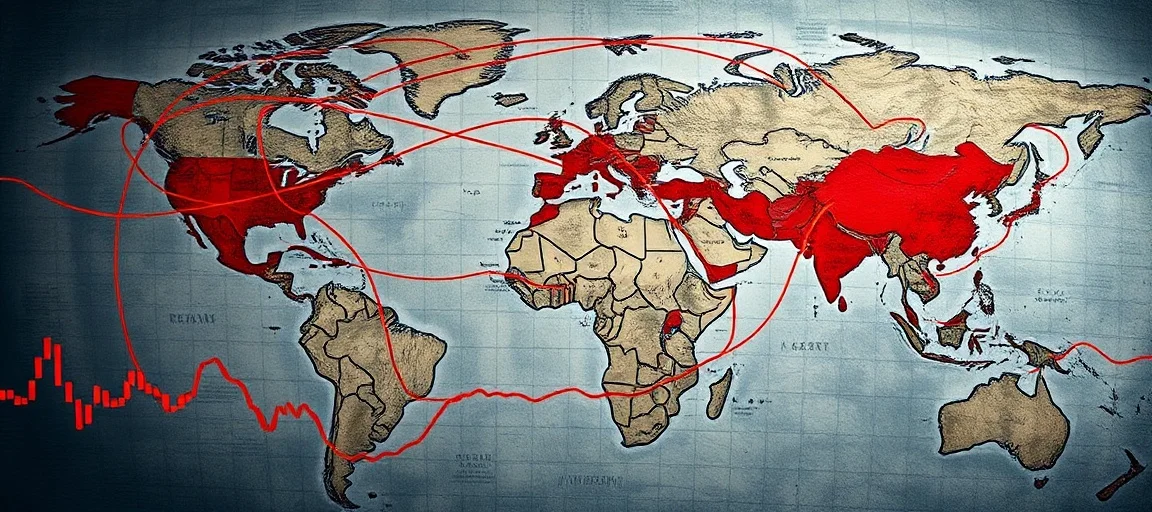
The intricate web of global commerce and diplomacy is increasingly strained, as geopolitical conflicts threaten global economy stability and prosperity worldwide. An urgent analysis of the current international landscape reveals a growing number of flashpoints, from regional hostilities to widespread trade disputes, all contributing to an environment of unprecedented economic uncertainty. These conflicts disrupt established trade routes, trigger volatile commodity markets, and dampen investor confidence, creating significant challenges that permeate every corner of the interconnected global system. This precarious situation demands a thorough understanding of its multifaceted implications and the potential for long-term economic scarring.
- The Escalating Landscape of Geopolitical Conflicts Threatening Global Economy
- Disruptions Across Key Economic Sectors
- The Role of Sanctions and Economic Statecraft
- Expert Perspectives on Future Economic Resilience
- Mitigating Risk in a Fractured World
- Conclusion
- Frequently Asked Questions
- Further Reading & Resources
The Escalating Landscape of Geopolitical Conflicts Threatening Global Economy
The global economy finds itself at a precarious juncture, with numerous geopolitical conflicts threatening its stability and growth. These conflicts, ranging from localized skirmishes to widespread regional tensions, are not isolated incidents; their ripple effects are felt across continents, influencing everything from daily consumer prices to long-term national development strategies. The interconnectedness of modern global systems means that a disruption in one region can rapidly escalate into a worldwide economic challenge.
Historical Context of Economic Vulnerability
Historically, economic systems have always been susceptible to geopolitical shifts. Major wars and political upheavals of the past often led to significant economic downturns, trade reconfigurations, and resource reallocation. For instance, past oil shocks, often triggered by Middle Eastern conflicts, demonstrated how regional instability could trigger global energy crises, leading to inflation and recession in economies far removed from the conflict zones. Today's globalized economy, however, possesses an even greater degree of interdependence, making it more vulnerable to such shocks. The just-in-time inventory systems and complex international supply chains developed for efficiency now represent points of fragility when confronted with disruptions.
Current Hotspots and Their Economic Ripple Effects
Several ongoing conflicts and tensions are currently exerting substantial pressure on the global economy. The protracted Russia-Ukraine war continues to profoundly impact energy and food markets, having caused the largest commodity shock in 50 years with energy prices increasing by at least 50% in 2022 and significant rises in food prices. Ukraine's GDP contracted by 29.1% in 2022, with steel production dropping by 71% and exports falling by 35%. Russia's economy, while showing some resilience, has seen manufacturing, wholesale, and retail trade sectors decline, adapting through military-driven growth and redirected trade flows.
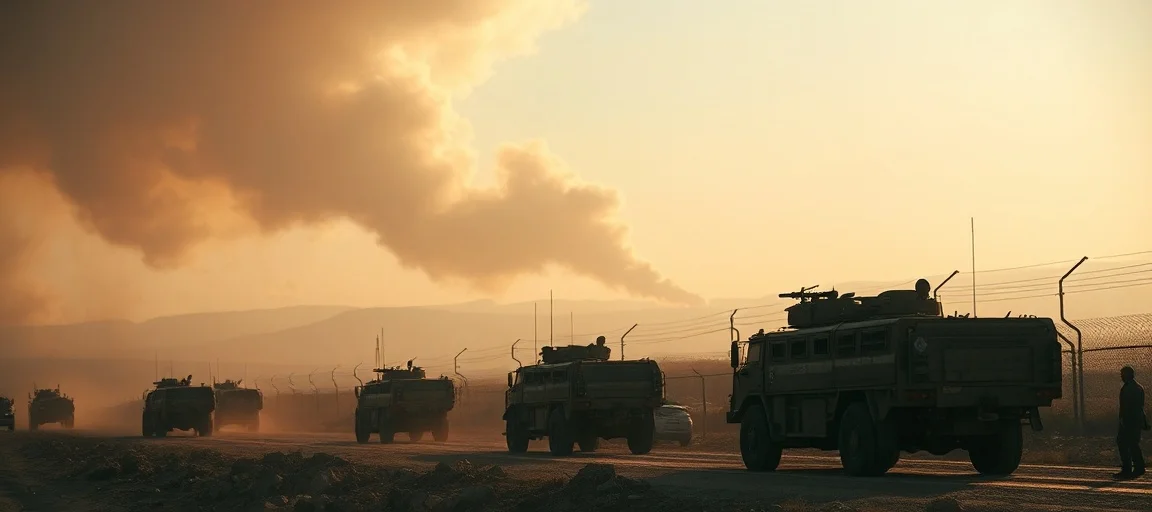
Further escalating concerns, the Middle East conflict has disrupted major shipping routes, notably the Red Sea. Attacks on cargo ships have forced vessels to reroute around Southern Africa, adding 4,000 miles to journeys and causing shipping costs from Asia to Europe to surge nearly five-fold. This crisis is estimated to add 0.7 percentage points to global core goods inflation and 0.3 percentage points to overall core inflation in the first half of 2024 if persistent. The Suez Canal has seen passages drop significantly, with Egypt losing an estimated $7 billion in revenues for 2024, representing approximately 5% of its GDP. The UNCTAD projects global growth to slow from 2.9% in 2025 to 2.6% in 2026 due to these disruptions, among other factors.
Tensions in other regions, such as potential disputes in the South China Sea or growing protectionism, also contribute to a climate of uncertainty, threatening vital trade arteries and resource access.
Disruptions Across Key Economic Sectors
The far-reaching implications of geopolitical conflicts manifest as disruptions across several critical economic sectors, fundamentally altering operational landscapes and financial forecasts.
Supply Chain Vulnerabilities
Global supply chains, meticulously optimized for efficiency, are proving particularly vulnerable to geopolitical shocks. Conflicts and trade tensions lead to blockages, delays, and re-routing, increasing both time and cost for transporting goods. The Red Sea crisis, for example, has significantly deteriorated supplier delivery times, particularly in Europe and parts of Asia, and caused a 42% decline in trade volume in the past two months along affected routes. Industries reliant on specific components, such as semiconductors, face prolonged shortages when key production hubs or transportation channels are impacted. Furthermore, geopolitical pressures compel businesses to re-evaluate their sourcing strategies, leading to efforts like "friend-shoring" or "near-shoring" to reduce reliance on potentially unstable regions, though such shifts often come with higher costs and reduced efficiency in the short term. The war in Ukraine, for instance, has impacted the manufacturing of semiconductors as Ukraine is a key provider of neon, a vital ingredient.
Energy Market Volatility
Energy markets are consistently among the first and most significantly impacted sectors during geopolitical conflicts. Disruptions in major oil and gas producing regions or critical transit chokepoints immediately translate into price volatility. The Russia-Ukraine war demonstrated this acutely, with Russia being a major supplier of fossil fuels, especially to Europe, leading to significant price increases. The Middle East conflict and threats to shipping through the Strait of Hormuz keep oil prices sensitive to supply changes. Rising energy costs fuel inflation, affecting industries from manufacturing to transportation and burdening consumers globally. The IMF anticipates energy prices to rise in the near term due to geopolitical disruptions, contributing to inflation and affecting trade balances, leading to an expected rise in global headline inflation in 2026.
Investment and Trade Flows
Geopolitical instability directly impacts global investment and trade flows. Increased risk perception deters foreign direct investment (FDI) into affected regions and even into economies perceived as indirectly vulnerable. Companies become hesitant to commit capital, leading to reduced expansion and job creation. Trade patterns are also reshaped, with sanctions, embargoes, and tariffs introducing barriers to traditional commerce. The IMF projects global trade to weaken in the near term due to geopolitical tensions, rising trade barriers, and ongoing supply chain disruptions, with merchandise trade growth expected to fall sharply from 4.7% in 2025 to between 1.5% and 2.5% in 2026. This fragmentation and increased protectionism can slow global GDP growth and reduce long-term economic output.
The Role of Sanctions and Economic Statecraft
In response to geopolitical conflicts, nations often resort to economic statecraft, primarily through the imposition of sanctions. These measures aim to exert pressure on target countries, but their impact frequently extends far beyond the intended scope, creating complex global economic consequences.
Unilateral and Multilateral Sanctions
Sanctions are regulatory actions designed to influence political or economic behavior by restricting or prohibiting trade, financial transactions, or other economic activities. They can be unilateral, imposed by a single country, or multilateral, coordinated by a group of nations or international bodies. While sanctions are intended to isolate and pressure target regimes, they can lead to significant reductions in trade for the sanctioned country, impacting its GDP growth and causing currency devaluations. For instance, comprehensive US trade sanctions can reduce bilateral trade flows with sanctioned partners by about 76%, with complete export and import sanctions leading to declines of 90% and 39% respectively.
However, sanctions also create ripple effects for the imposing countries and the global economy. Companies in sanctioning nations may face reduced market access and investment opportunities. Furthermore, sanctions can lead to increased complexity in logistics, canceled contracts, and higher operating costs for businesses navigating the new restrictions. The long-term effectiveness of sanctions in achieving their political objectives is a subject of ongoing debate, with some arguing they can foster economic resilience and self-sufficiency in targeted nations, as seen with Russia redirecting trade and fostering military-driven growth.
Weaponization of Economic Interdependence
The current geopolitical climate has seen an increasing "weaponization" of economic interdependence, where countries leverage their economic power or critical resources as tools of foreign policy. This includes restricting access to vital technologies, imposing export controls, or even threatening energy supply cut-offs. Such actions risk fragmenting the global economy, leading to "de-globalization" or the formation of distinct economic blocs. This trend undermines the principles of free trade and open markets, potentially leading to a less efficient and more volatile global economic system. The ongoing emphasis on securing supply chains for critical minerals, food, and energy underscores a broader strategic shift towards reducing vulnerabilities posed by such economic weaponization.
Expert Perspectives on Future Economic Resilience
Amidst the intensifying geopolitical landscape, leading economic institutions and geopolitical analysts are offering crucial insights into the potential trajectory of the global economy and strategies for building resilience.
Voices from International Organizations
International bodies like the International Monetary Fund (IMF) and the World Bank consistently highlight the economic dangers posed by escalating geopolitical tensions. The IMF, for instance, has repeatedly revised down its global growth forecasts, citing geopolitical conflicts and rising energy costs as significant factors. In its April 2026 World Economic Outlook, the IMF projected global growth to slow to 3.1% in 2026, down from previous expectations, largely due to intensifying conflicts in the Middle East and persistent trade tensions. They warn that global headline inflation is expected to increase slightly in 2026, primarily due to rising energy costs. The IMF's Managing Director, Kristalina Georgieva, cautioned to "brace for tough times," indicating that if conflicts persist and oil prices remain high, global growth could fall further, even as low as 2%. These organizations consistently advocate for stronger international cooperation, predictable trade policies, and greater investment in renewable energy to mitigate vulnerabilities.
Geopolitical Analysts' Outlook
Geopolitical analysts generally concur that the current period marks a fundamental shift in international relations, moving away from an era of relatively stable globalization towards one characterized by increased regionalism and strategic competition. Many anticipate continued volatility in commodity markets, persistent supply chain challenges, and an ongoing re-evaluation of national security in economic policy. They stress that businesses and governments must adopt proactive strategies, moving beyond reactive crisis management to building inherent resilience. This includes understanding complex interdependencies, diversifying risks, and anticipating the cascading effects of political events on economic stability. Experts identify major risks for 2024 (and likely beyond) to include the Russia-Ukraine war, potential escalation of the Israel-Hamas conflict, and increasing political polarization in key economies.
Mitigating Risk in a Fractured World
Addressing the profound challenges posed by geopolitical instability requires a multi-pronged approach focused on diversification, cooperation, and strategic foresight.
Diversification Strategies
For businesses, diversifying supply chains is paramount. This can involve "friend-shoring" (sourcing from allied nations), "near-shoring" (bringing production closer to end markets), or simply increasing the number of suppliers across different geographic regions. While these strategies may initially increase costs compared to hyper-optimized lean systems, they significantly reduce vulnerability to single points of failure. Similarly, nations are increasingly focusing on diversifying their energy sources, investing in renewables and exploring new partnerships to reduce reliance on volatile regions and minimize the impact of energy market shocks.
Strengthening International Cooperation
Despite the trend towards fragmentation, strengthening international cooperation remains critical. Diplomatic efforts to de-escalate conflicts, uphold international law, and maintain open lines of communication are essential to prevent economic fallout. Multilateral institutions, such as the UN, IMF, and WTO, play a vital role in coordinating responses, providing financial support, and facilitating dialogue to resolve trade disputes and address humanitarian crises that have economic roots or consequences. Collaborative initiatives aimed at building global resilience against future shocks, whether from conflicts, pandemics, or climate change, are more important than ever. The UN Conference on Trade and Development (UNCTAD) calls for stronger international cooperation and more predictable trade policies.
Conclusion
The current global landscape is undeniably shaped by the profound and escalating impact of geopolitical conflicts threatening global economy stability. From disrupting vital supply chains and fueling energy market volatility to altering investment patterns and challenging established trade norms, these tensions create a complex and urgent set of economic risks. The interconnected nature of our world means that localized conflicts can have far-reaching, systemic consequences, making strategic foresight and international cooperation more critical than ever. Addressing these challenges requires sustained diplomatic efforts, diversified economic strategies, and a collective commitment to building greater resilience in a fractured world. The path forward demands an understanding that economic stability is inextricably linked to global peace and security.
Frequently Asked Questions
Q: How do geopolitical conflicts specifically impact global supply chains?
A: Geopolitical conflicts disrupt supply chains by causing blockages, delays, and forcing costly re-routing, as seen with the Red Sea crisis. They can also lead to shortages of critical components, like semiconductors, when key production hubs or transit routes are affected, compelling businesses to adopt more diversified, albeit sometimes less efficient, sourcing strategies.
Q: What is economic statecraft, and how does it affect the global economy?
A: Economic statecraft refers to nations using economic tools, such as sanctions, export controls, or energy supply threats, to achieve foreign policy objectives. While aimed at influencing target countries, these measures can lead to reduced trade, market fragmentation, and increased operating costs globally, potentially fostering a less efficient and more volatile international economic system.
Q: What strategies can help mitigate the economic risks posed by geopolitical instability?
A: Mitigating these risks requires a multi-faceted approach including diversification and strengthened international cooperation. Businesses can diversify supply chains through "friend-shoring" or "near-shoring," while nations can diversify energy sources. Diplomatic efforts, upholding international law, and robust multilateral institutions are crucial for de-escalating conflicts and coordinating global responses to economic challenges.